Gardening can be an incredibly rewarding experience, offering fresh produce, beautiful flowers, and a connection to nature. However, it can also be time-consuming and physically demanding. This guide aims to help you optimize your gardening efforts, allowing you to enjoy the benefits without feeling overwhelmed.
The key to gardening smarter, not harder, lies in planning, preparation, and choosing the right techniques. By implementing these strategies, you can minimize wasted effort, maximize yields, and create a garden that thrives with minimal input. This guide is designed to equip you with the knowledge and skills needed to make your gardening experience more efficient and enjoyable.
From selecting the right plants to utilizing smart irrigation systems, we'll cover a range of techniques that will transform your garden into a low-maintenance paradise. Get ready to ditch the endless weeding and watering, and start enjoying the fruits (and vegetables!) of your labor more than ever before.
Step 1: Plan Your Garden Strategically
Before you even think about picking up a shovel, take the time to plan your garden layout. Consider the amount of sunlight each area receives, the soil type, and the available space. This initial assessment will help you choose the right plants for each location, ensuring they thrive without requiring constant adjustments. Group plants with similar needs together to simplify watering and fertilization. Consider incorporating vertical gardening techniques for crops like climbing beans.

Step 2: Choose the Right Plants for Your Climate and Soil
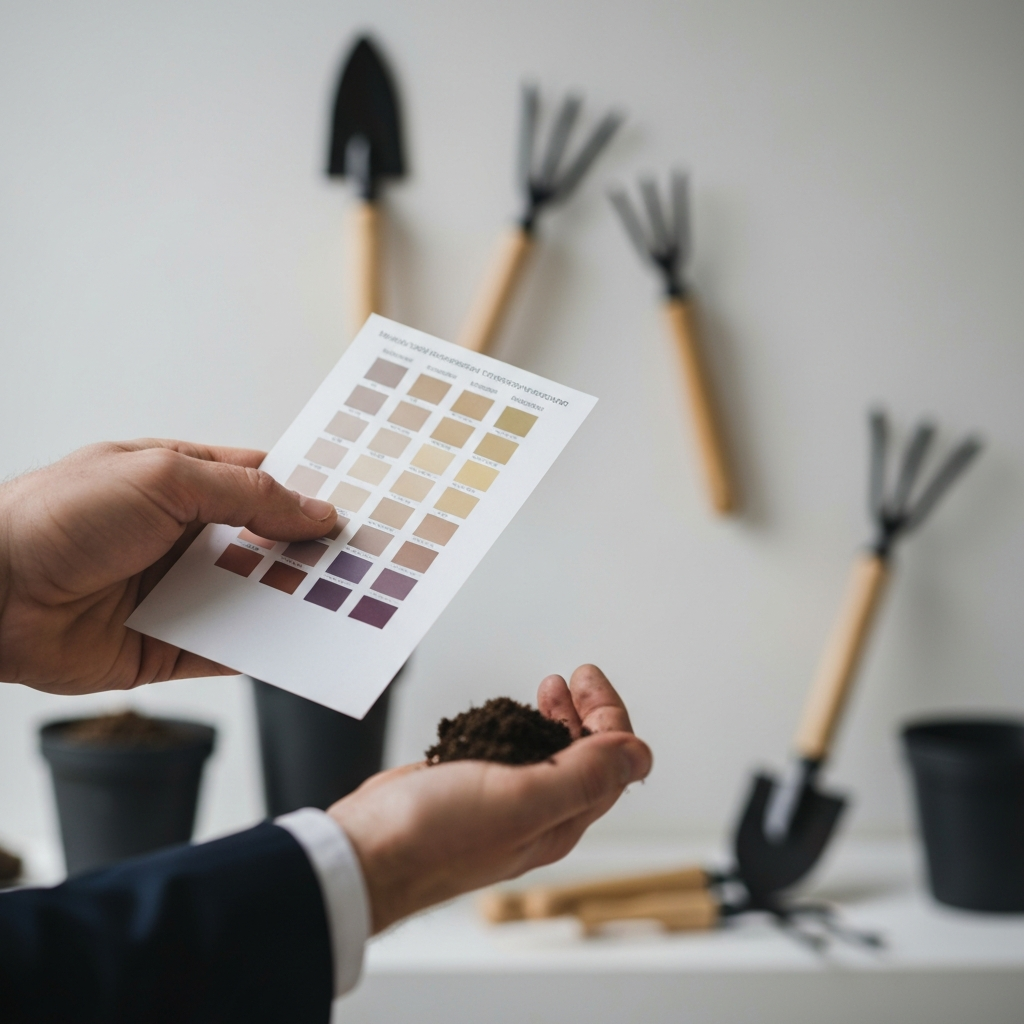
Selecting plants that are well-suited to your local climate and soil conditions is crucial for low-maintenance gardening. Opt for native plants or those that are known to thrive in your region. These plants are naturally adapted to the environment, requiring less watering, fertilization, and pest control. Conduct a soil test to determine its pH level and nutrient content. Amend the soil as needed to create an optimal growing environment, or choose plants that tolerate your existing soil conditions.
Step 3: Implement Smart Watering Techniques
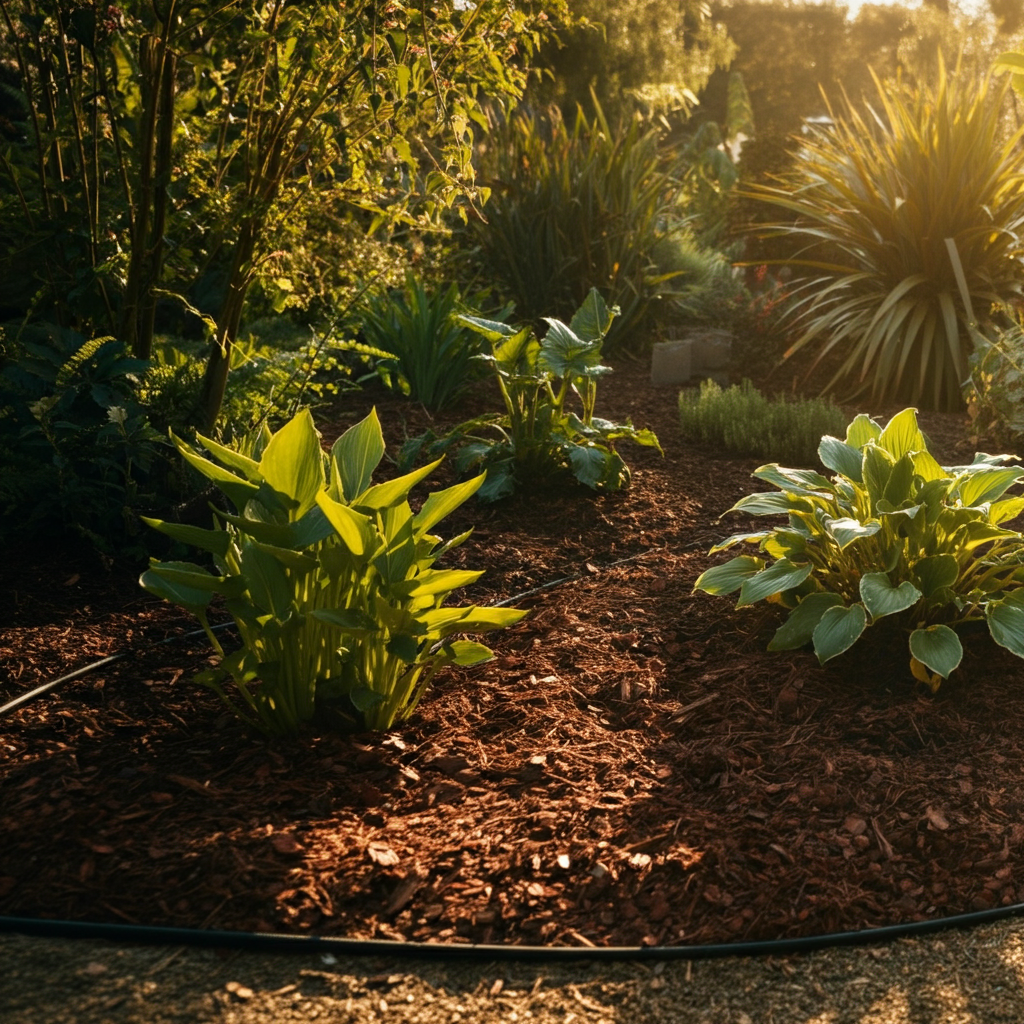
Watering is a critical aspect of gardening, but it can also be one of the most time-consuming. Invest in a drip irrigation system or soaker hoses to deliver water directly to the plant roots, minimizing water waste and reducing the risk of fungal diseases. Mulch around your plants to help retain moisture in the soil, further reducing the need for frequent watering. Consider installing a rain barrel to collect rainwater for irrigation, conserving water and saving money.
Step 4: Mulch, Mulch, Mulch!
Mulching is one of the most effective ways to garden smarter. A thick layer of mulch around your plants helps to suppress weeds, retain moisture, regulate soil temperature, and enrich the soil as it decomposes. Use organic mulches such as shredded bark, wood chips, straw, or compost. Reapply mulch as needed to maintain a consistent layer. Avoid using synthetic mulches, as they do not provide the same benefits and can harm the environment.
Step 5: Embrace Vertical Gardening
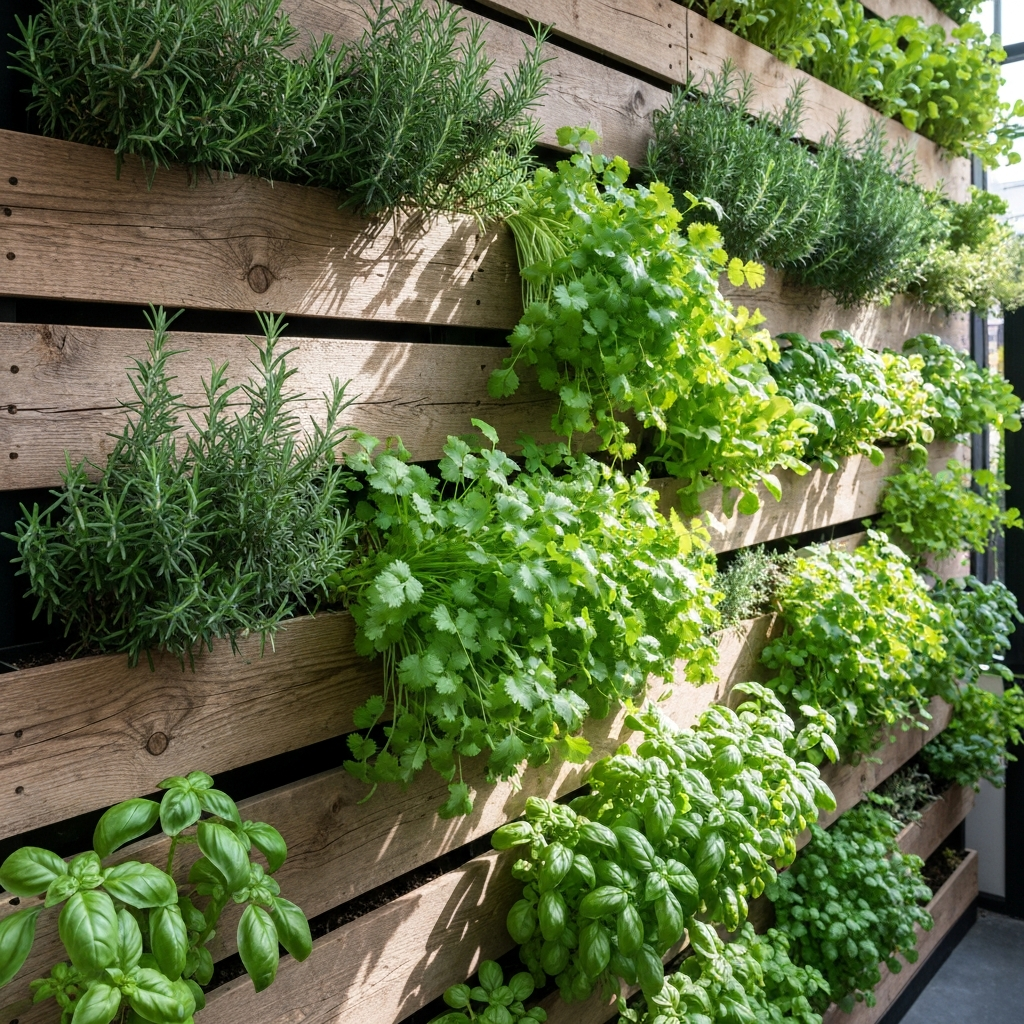
If you have limited space or want to maximize your yields, vertical gardening is an excellent option. Use trellises, arbors, hanging baskets, and stacked planters to grow plants vertically. This not only saves space but also improves air circulation and reduces the risk of soilborne diseases. Grow vining vegetables such as tomatoes, cucumbers, and beans vertically. Consider using recycled materials to create your vertical gardening structures.
Step 6: Use the No-Dig Gardening Method
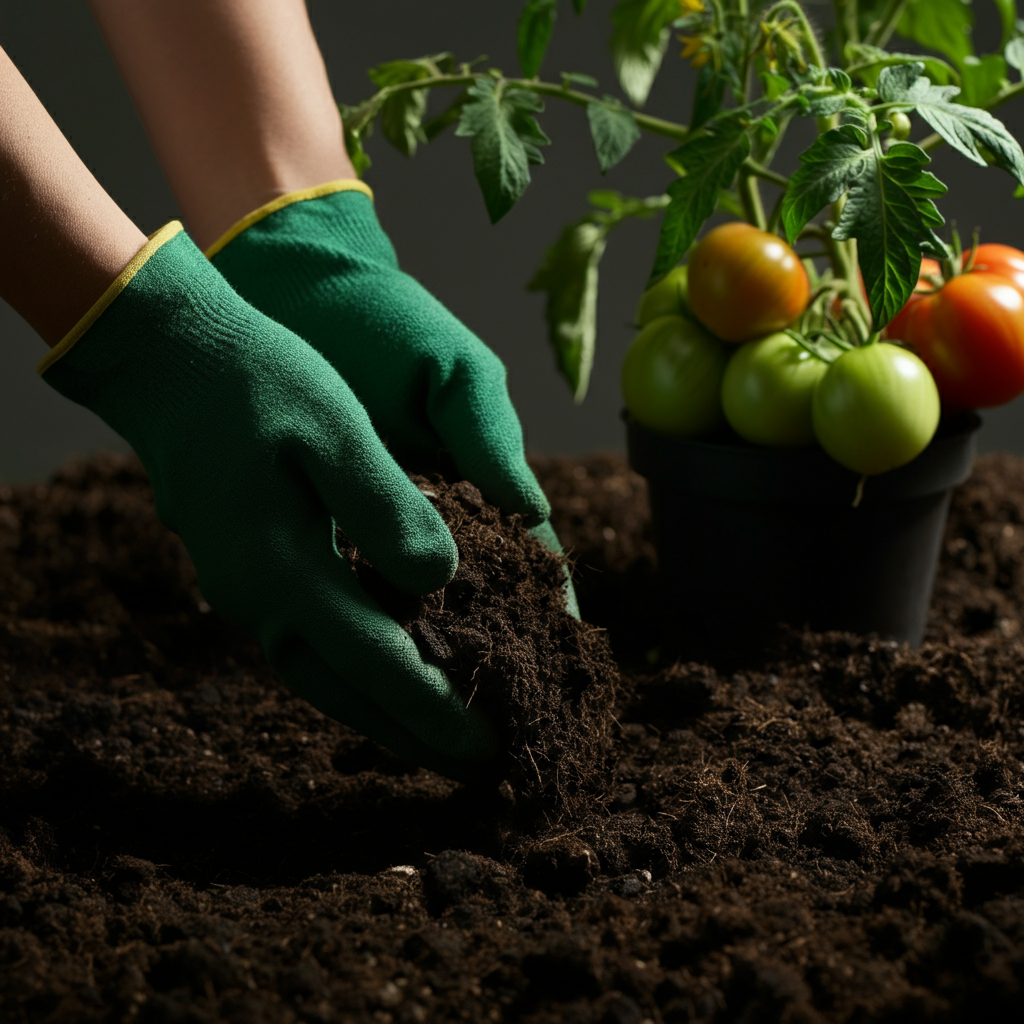
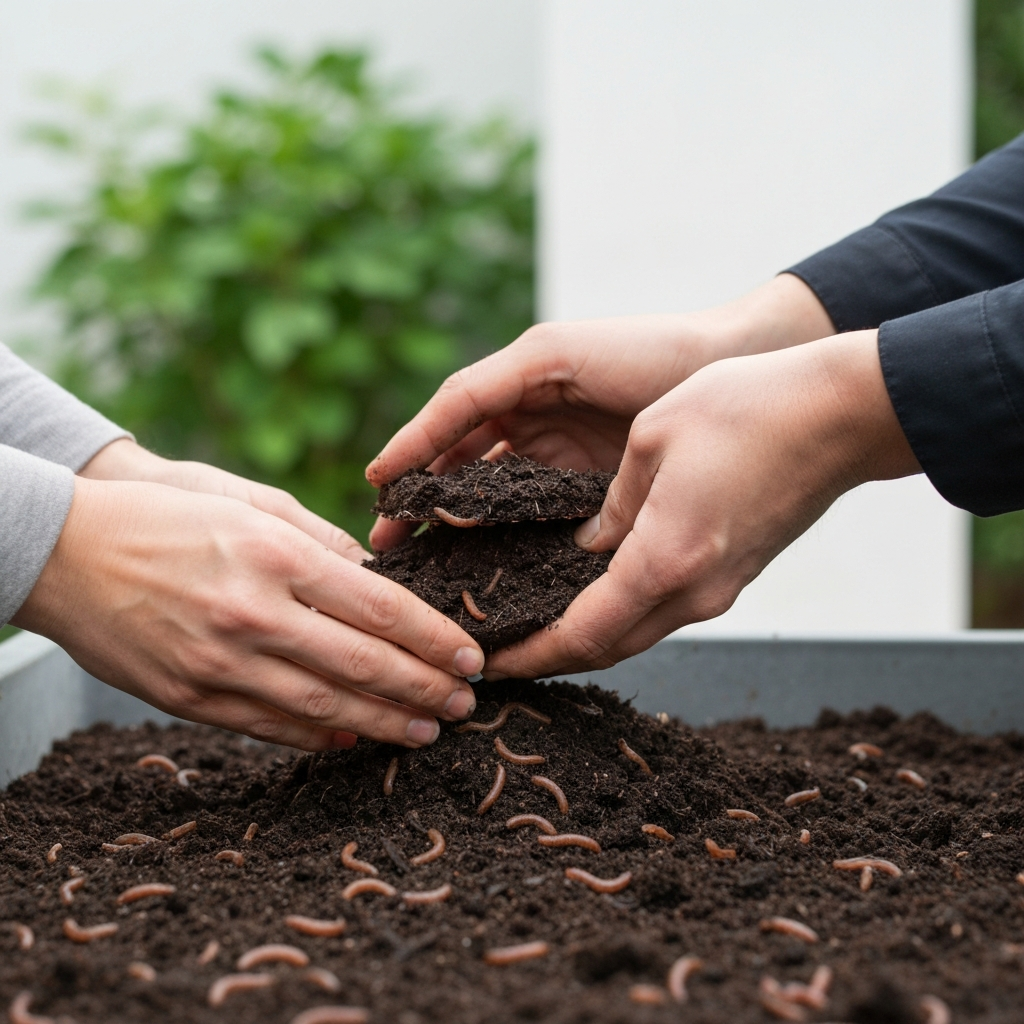
The no-dig gardening method, also known as no-till gardening, eliminates the need for tilling or turning the soil. This conserves soil structure, reduces weed germination, and improves soil fertility. Simply add a layer of compost or other organic matter to the soil surface each year. This method is particularly beneficial for improving compacted or poor-quality soils. Over time, the soil will become more fertile and easier to work with.
Step 7: Compost Your Garden Waste
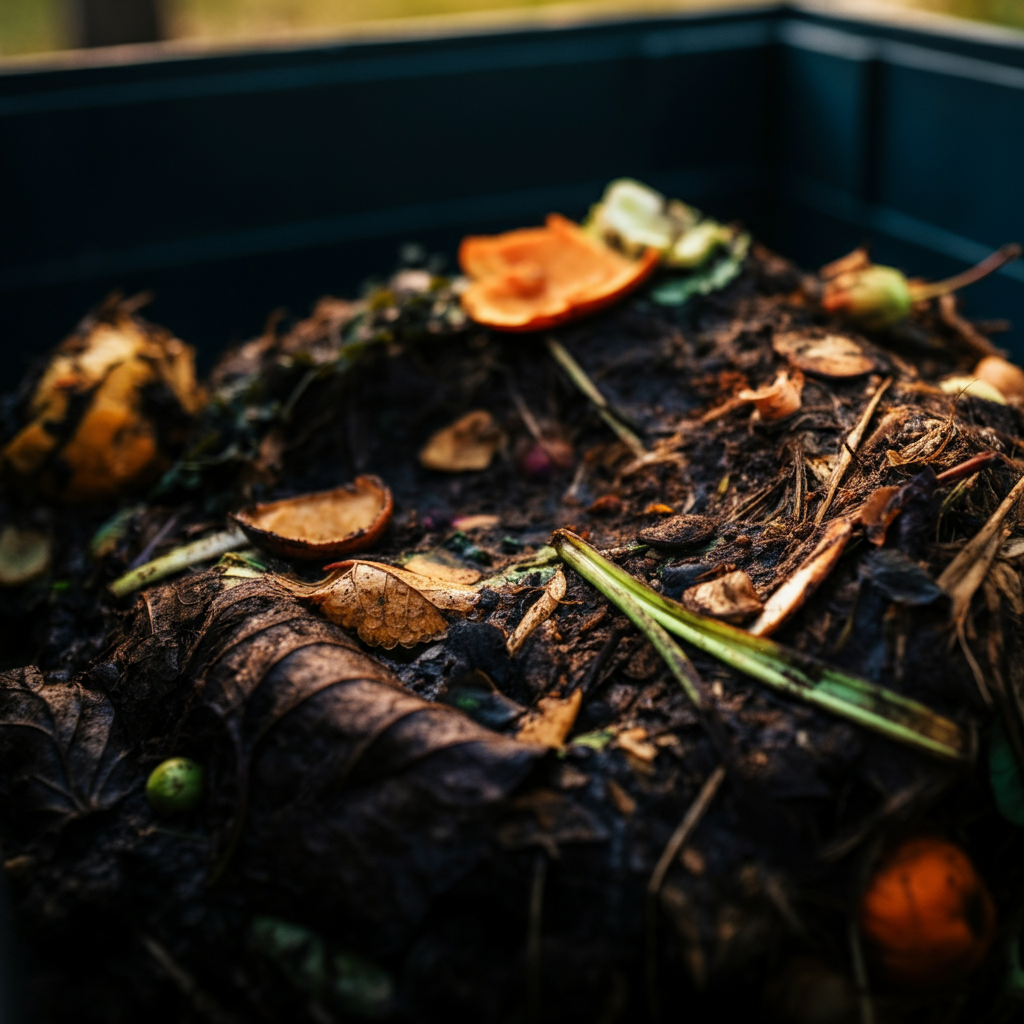
Composting is a sustainable way to recycle your garden waste and create nutrient-rich soil amendments. Collect yard trimmings, vegetable scraps, and other organic materials and compost them. Use the compost to improve soil fertility, reduce the need for chemical fertilizers, and promote healthy plant growth. A well-maintained compost pile can provide a steady supply of valuable soil amendments.
Step 8: Prevent Pests and Diseases Naturally
Instead of relying on harsh chemical pesticides, focus on preventing pest and disease problems naturally. Encourage beneficial insects such as ladybugs and lacewings by planting pollinator-friendly flowers. Practice crop rotation to prevent soilborne diseases. Use organic pest control methods such as insecticidal soap or neem oil when necessary. Monitor your plants regularly for signs of pests or diseases and take action promptly to prevent them from spreading.

Step 9: Deadhead Flowers Regularly
Deadheading, or removing spent flowers, encourages plants to produce more blooms. Regularly deadhead your flowering plants to prolong their blooming season and keep them looking tidy. This also prevents the plants from wasting energy on seed production, allowing them to focus on producing more flowers. Use sharp pruning shears to remove the spent flowers cleanly.
Step 10: Automate When Possible
Embrace technology to automate certain gardening tasks. Install a smart irrigation controller that adjusts watering schedules based on weather conditions and soil moisture levels. Use robotic lawnmowers to keep your lawn trimmed without any effort on your part. Consider using self-watering planters for container gardens. Automating these tasks frees up your time and ensures that your plants receive consistent care.