Bringing the beauty of the garden indoors is a wonderful way to connect with nature and enhance your living space. However, soil, moisture, and the occasional wandering critter can quickly transform your stylish home into a gardener's nightmare. The key is to implement preventative measures that protect your interiors without compromising your aesthetic.
This guide will walk you through practical steps to safeguard your home from common gardening hazards, all while maintaining a chic and inviting atmosphere. Focus on durable materials, smart placement, and creative solutions to integrate your love of gardening with your home's design.
We'll cover everything from entryway defenses to selecting the right planters, ensuring that your gardening hobby remains a source of joy, not a source of stress.
Step 1: Fortify Your Entryways
Creating a Decontamination Zone
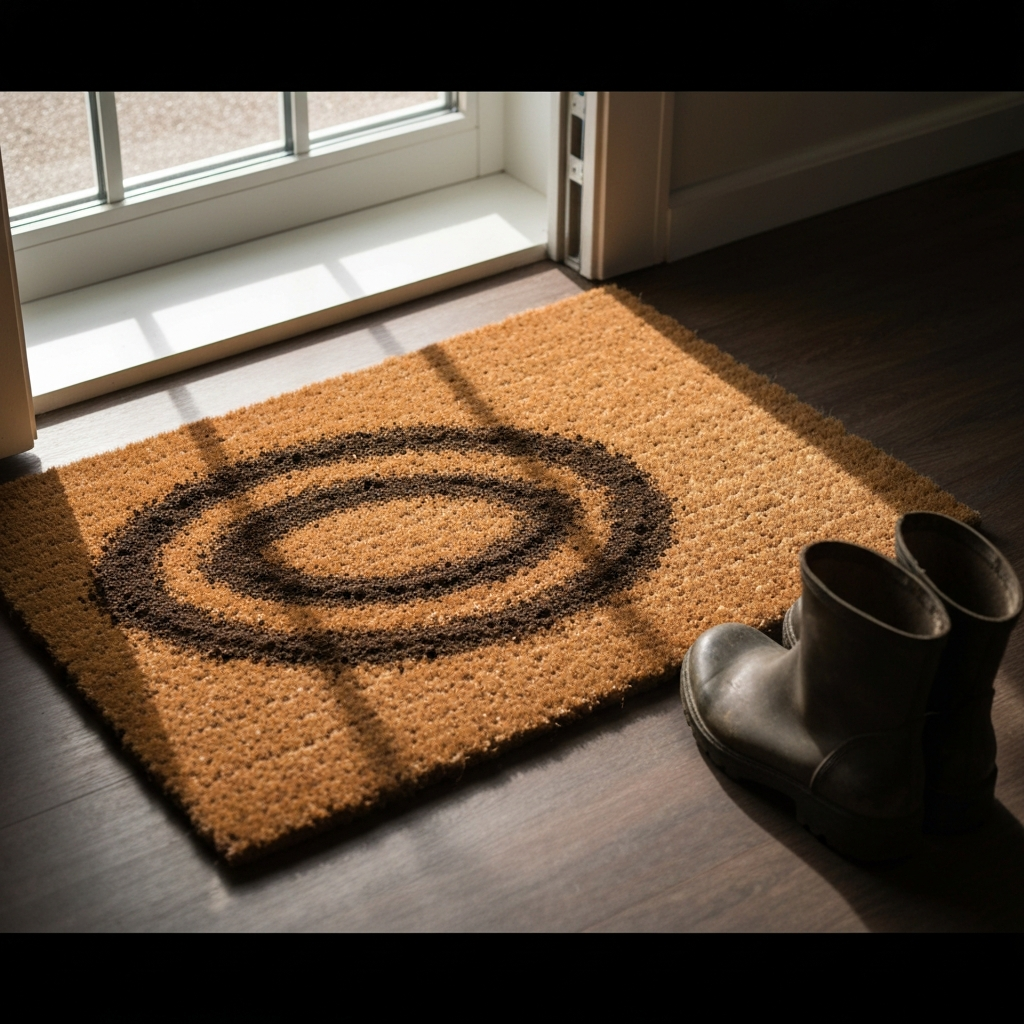
Your entryway is the first line of defense against mud, dirt, and garden debris. Establish a designated "decontamination zone" just inside each entrance used by gardeners. This zone should feature durable, easy-to-clean surfaces. Think about swapping out delicate rugs for coir mats or rubber-backed runners. These materials effectively trap dirt and moisture before they can spread throughout the house. Consider adding a small bench with storage underneath for shoes and gardening tools.
Step 2: Choosing the Right Planters and Pots
Selecting Materials and Drainage
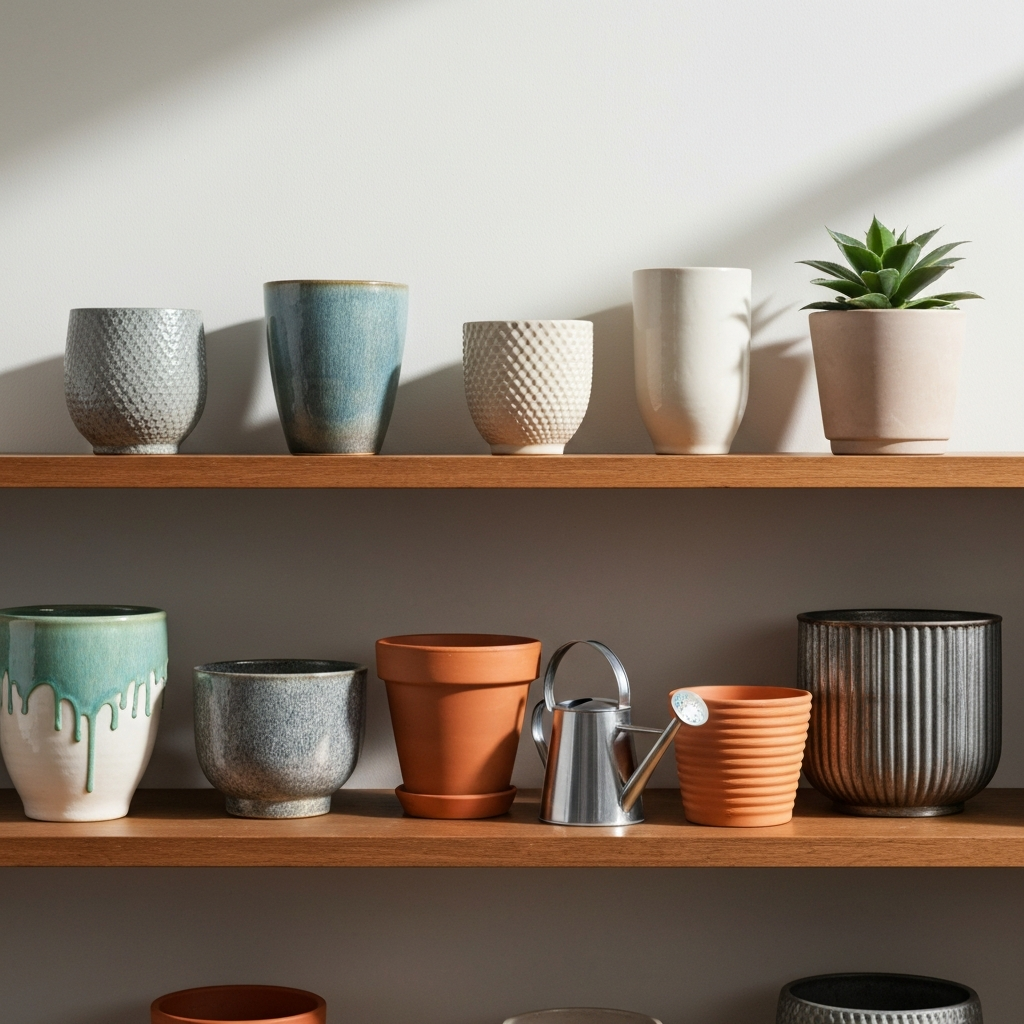
The type of planters you use indoors significantly impacts the potential for leaks and spills. Opt for planters made from non-porous materials like glazed ceramic, plastic, or metal. Always ensure your planters have proper drainage holes to prevent waterlogging, which can lead to root rot and overflow. Place saucers beneath each pot to catch excess water. Consider self-watering planters to reduce the frequency of watering and minimize the risk of overwatering accidents. Double-potting, where you place a nursery pot inside a decorative pot, is also a great way to manage drainage effectively.
Step 3: Protecting Floors and Furniture
Implementing Moisture Barriers
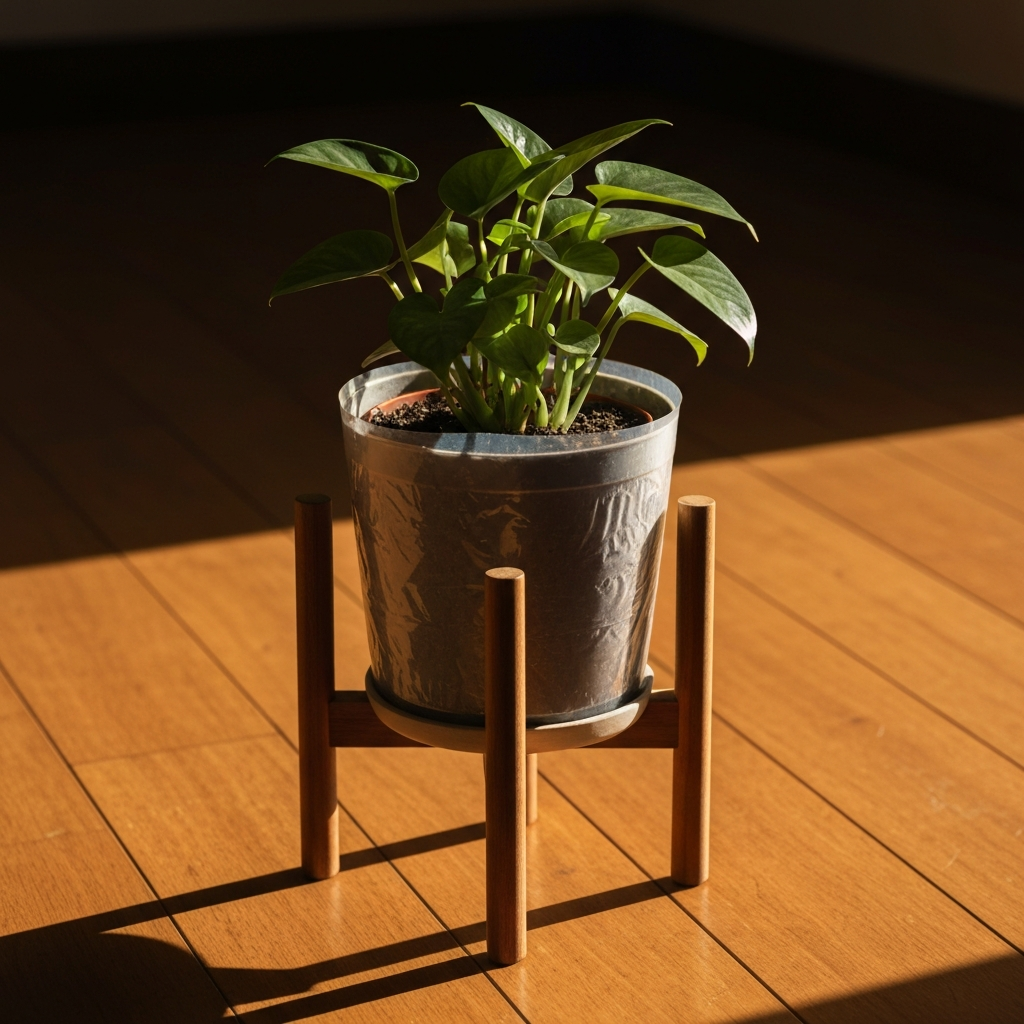
Water is the enemy when it comes to protecting your floors and furniture. Even with saucers, water can still seep through over time. Apply a waterproof sealant to wooden surfaces around planters. For added protection, use plant stands or trays to elevate pots above the floor. Consider using clear plastic placemats or coasters underneath plants on delicate surfaces like wood or glass. Regularly inspect these areas for any signs of moisture damage.
Step 4: Managing Soil and Mess
Containment Strategies and Clean-Up Tips
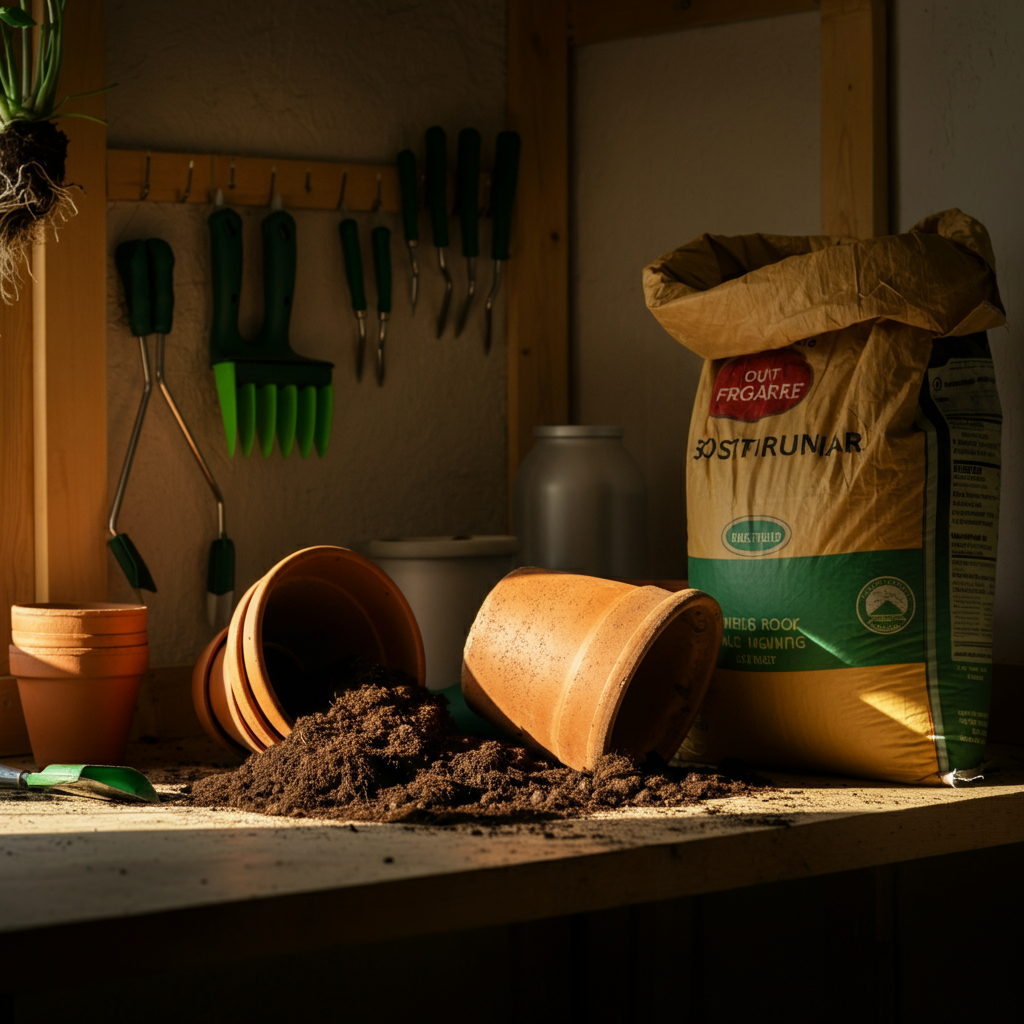
Soil spillage is an inevitable part of indoor gardening. To minimize mess, always repot plants outdoors or in a designated area with easy-to-clean surfaces. Use a large tray or tarp to catch loose soil. When watering plants, use a watering can with a long, narrow spout to avoid splashing. Keep a small brush and dustpan handy for quick clean-ups. Consider using a soil scoop when adding soil to pots to minimize spills. A shop vac is excellent for sucking up loose soil or dry leaves.
Step 5: Controlling Pests and Critters
Natural Repellents and Barriers
Indoor plants can sometimes attract unwanted pests. Regularly inspect your plants for signs of infestation, such as aphids, spider mites, or mealybugs. Use natural pest control methods like neem oil or insecticidal soap to treat infestations. To prevent pests from entering your home, inspect new plants carefully before bringing them inside. Consider using sticky traps to catch flying insects. For larger critters like cats or dogs, use barriers like chicken wire or plant stands to keep them away from your plants.
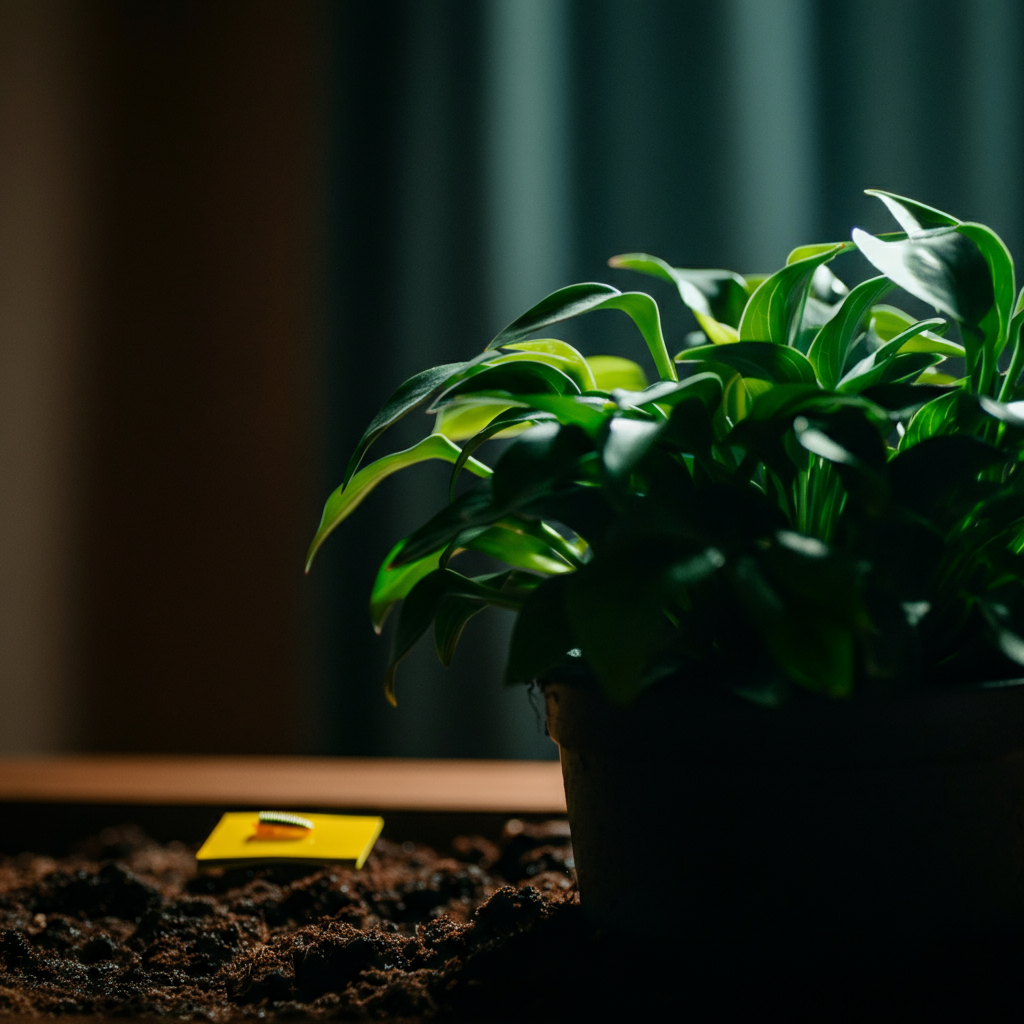
Step 6: Choosing the Right Plants for Your Space
Selecting Low-Maintenance Varieties
Not all plants are created equal when it comes to indoor gardening. Choose low-maintenance varieties that are less prone to pests and diseases. Consider plants that are drought-tolerant and require minimal watering. Snake plants, ZZ plants, and succulents are excellent options for beginners. Research the specific needs of each plant before bringing it home to ensure it thrives in your environment. Matching the right plant to the right place makes your life much easier and limits messes from plant problems.

Tools or Materials Required
- Coir mats or rubber-backed runners
- Non-porous planters with drainage holes
- Saucers or trays
- Waterproof sealant
- Plant stands or trays
- Watering can with a long, narrow spout
- Brush and dustpan
- Neem oil or insecticidal soap
- Sticky traps
- Shop vac
Common Mistakes to Avoid
- Overwatering plants
- Using planters without drainage holes
- Neglecting to clean up spills promptly
- Bringing infested plants indoors
- Choosing plants that are not suited to your environment
Safety Considerations
- Be mindful of the potential for slips and falls on wet floors.
- Store gardening tools and supplies safely out of reach of children and pets.
- Use caution when handling pesticides or other chemicals.
FAQ Section
- How often should I water my indoor plants?
- Watering frequency depends on the specific plant and your environment. Check the soil moisture before watering and only water when the top inch or two feels dry.
- How can I prevent pests from infesting my indoor plants?
- Inspect new plants carefully before bringing them indoors and regularly check your plants for signs of infestation. Use natural pest control methods to treat infestations.
- What type of soil should I use for indoor plants?
- Use a well-draining potting mix that is specifically formulated for indoor plants.
By implementing these garden-proofing strategies, you can enjoy the beauty and benefits of indoor plants without sacrificing the style and cleanliness of your home. Remember, prevention is key to maintaining a happy and harmonious living space. Enjoy your indoor oasis!