Gardening is a rewarding hobby, bringing beauty and fresh produce into our lives. However, the line between thriving garden and indoor chaos can be surprisingly thin. Soil, pests, stray seeds, and even over-enthusiastic pets can turn your home into an unintended extension of your outdoor space. Preventing these garden invasions requires a proactive approach, focusing on smart storage, careful handling of materials, and understanding the potential pathways through which the garden might attempt its escape.
This guide will walk you through the essential steps to safeguard your home from the unwelcome side effects of gardening. From creating efficient potting stations to managing muddy footprints, we'll cover the practical measures you can take to keep your living space clean, organized, and free from the creeping tendrils of your outdoor endeavors. By implementing these strategies, you can enjoy the joys of gardening without sacrificing the comfort and cleanliness of your home.
Let's reclaim our living spaces and create a harmonious balance between our indoor sanctuary and our outdoor passion. It's time to learn how to effectively garden-proof your home!
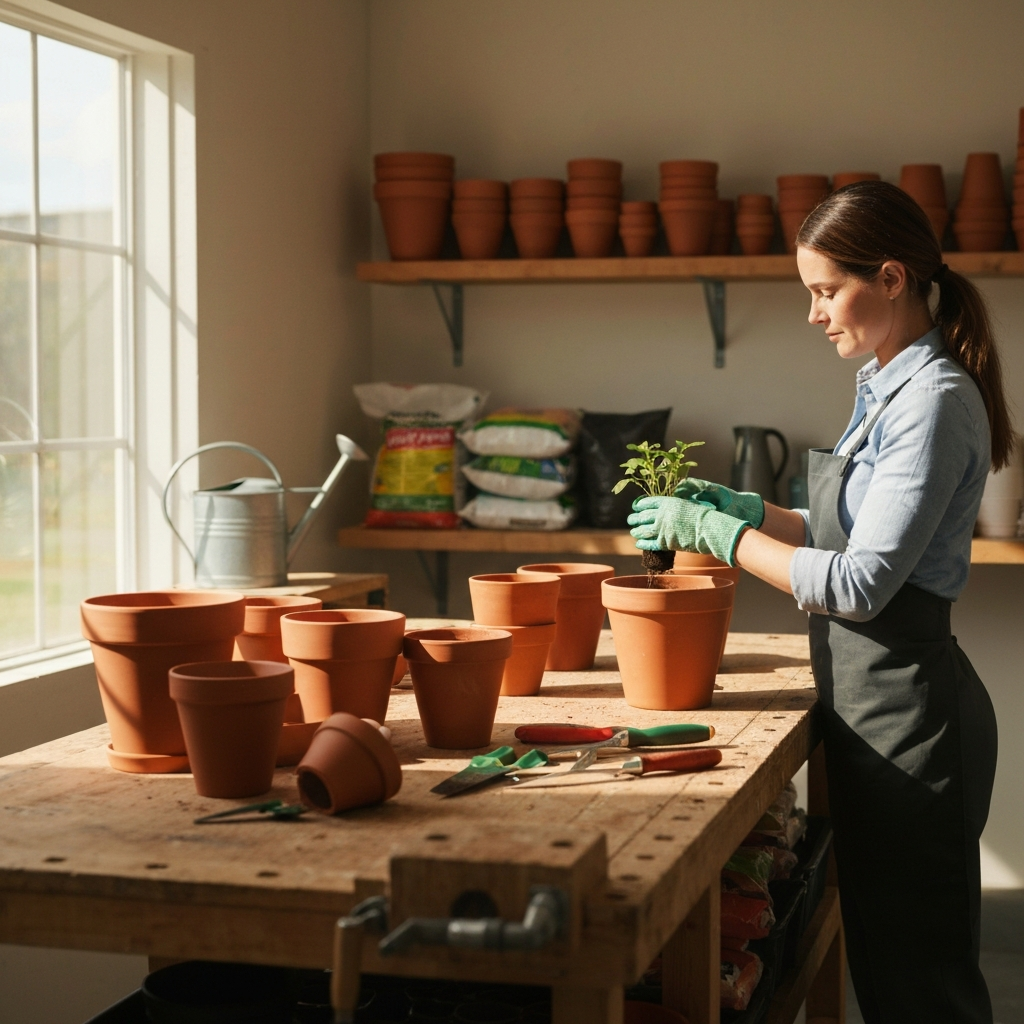
Step 1: Create a Dedicated Potting Station
Having a designated potting station is the first line of defense against rogue soil and scattered seeds. Choose a location that's easy to clean, such as a garage, shed, or even a corner of your patio. Ideally, this area should be close to a water source. Equip your station with a sturdy table or workbench, storage containers for soil and amendments, and a sink or basin for washing tools. Having a designated space prevents soil from being tracked through the house and keeps gardening supplies organized and accessible.
Step 2: Implement Smart Storage Solutions
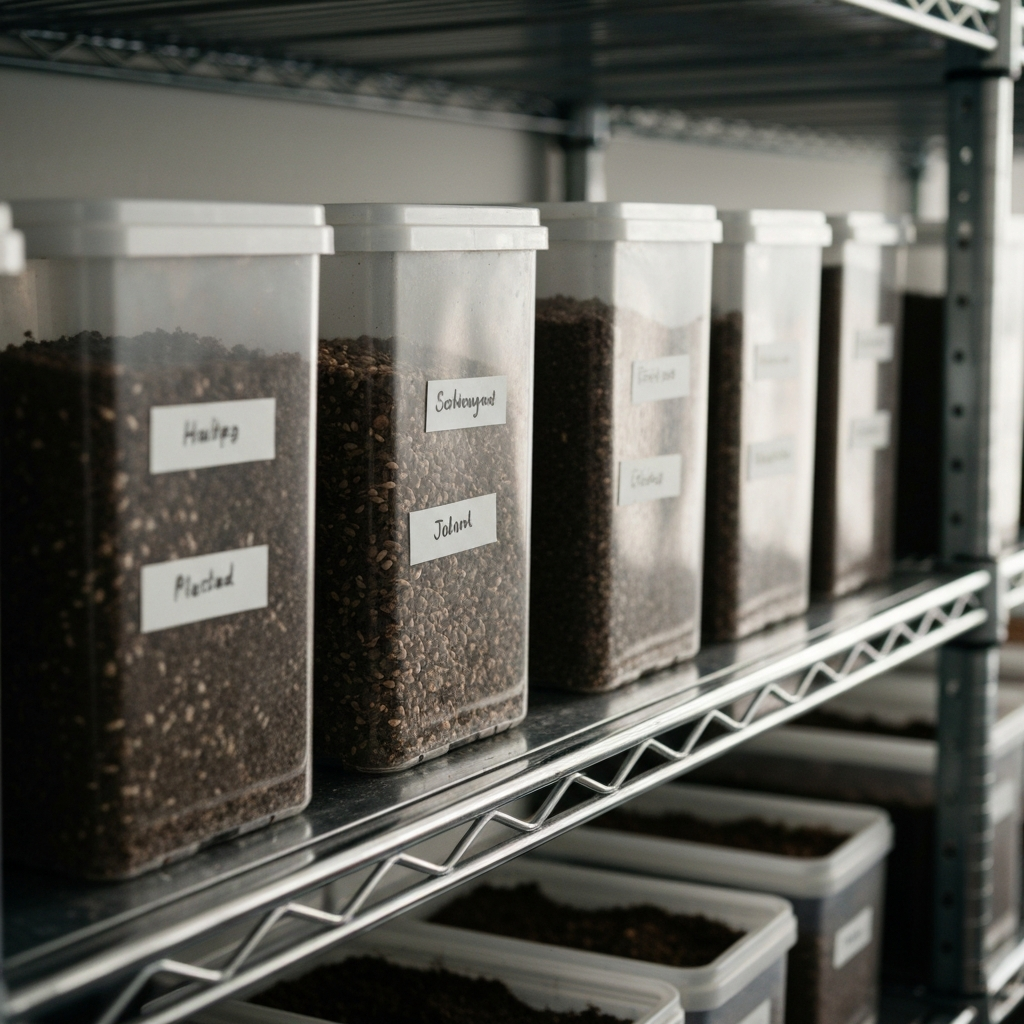
Proper storage is crucial for keeping your gardening supplies contained and preventing spills and messes. Invest in airtight containers for soil, fertilizers, and seeds. These containers not only prevent spills but also protect your supplies from moisture and pests. Use shelving units or storage bins to organize tools, gloves, and other gardening accessories. Clearly label each container to easily identify its contents. Consider using a pegboard to hang frequently used tools, keeping them within reach and off the floor.
Step 3: Control Muddy Footprints and Dirty Tools
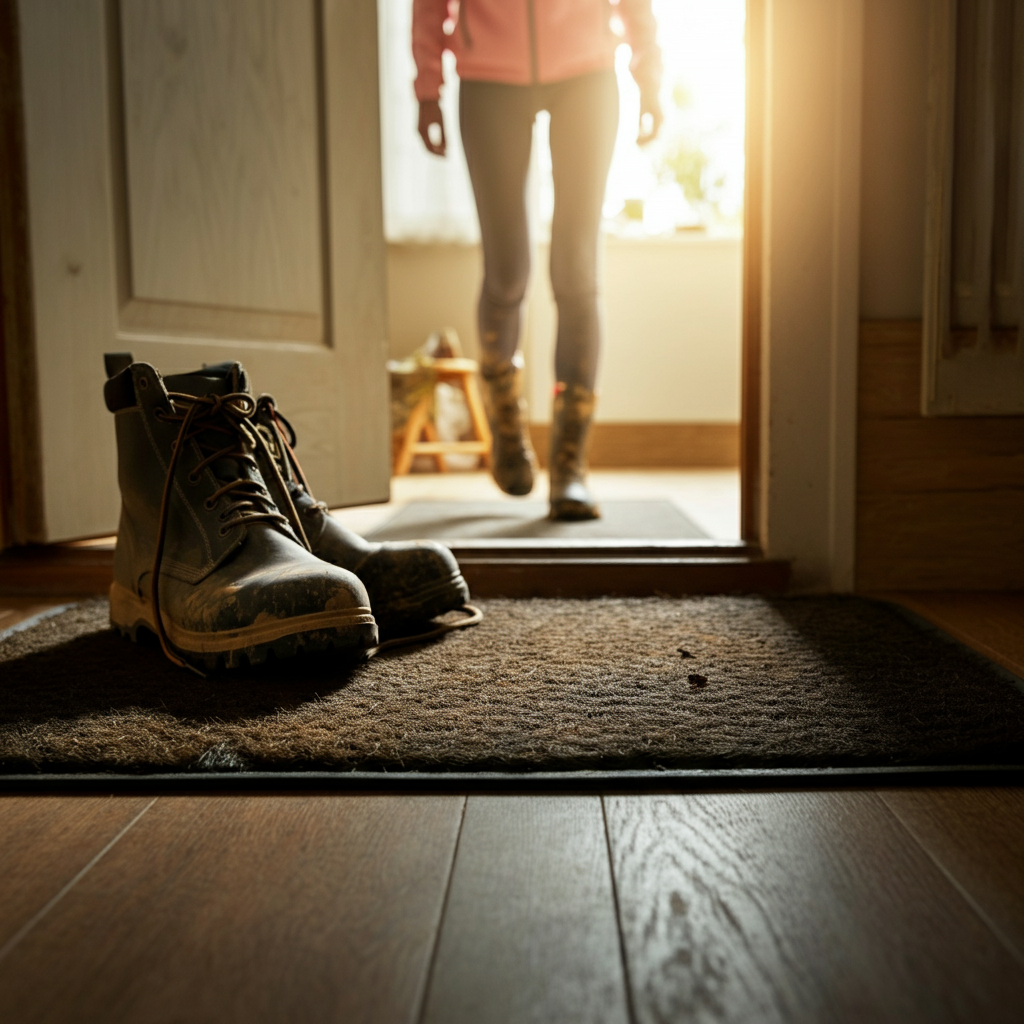
Muddy footprints are a common culprit in garden-related home invasions. Place durable doormats at all entrances leading from your garden to your house. Encourage everyone to wipe their shoes thoroughly before entering. Keep a boot tray or shoe rack near the door to collect muddy footwear. Regularly clean your gardening tools to prevent the spread of soil and disease. Use a stiff brush and soapy water to remove dirt and debris. Store clean tools in a designated area to prevent them from contaminating other surfaces.
Step 4: Safeguard Against Pests
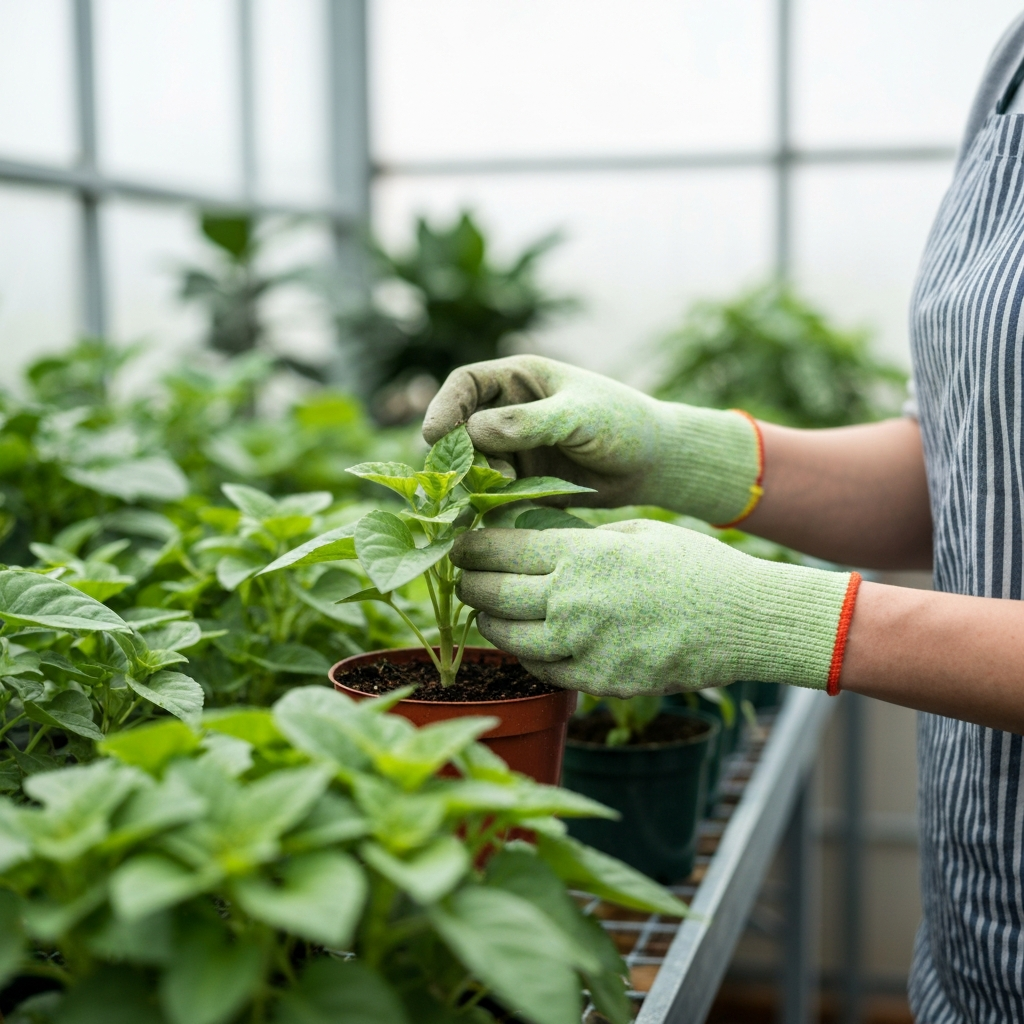
Pests can hitchhike on plants, tools, and even your clothing, making their way into your home. Inspect new plants carefully for signs of pests before bringing them indoors. Quarantine new plants for a few days to ensure they are pest-free. Regularly clean your gardening tools with a disinfectant to kill any lingering pests or diseases. Consider using natural pest repellents, such as essential oils or diatomaceous earth, around your home's entrances to deter pests from entering.
Step 5: Manage Soil and Compost Effectively
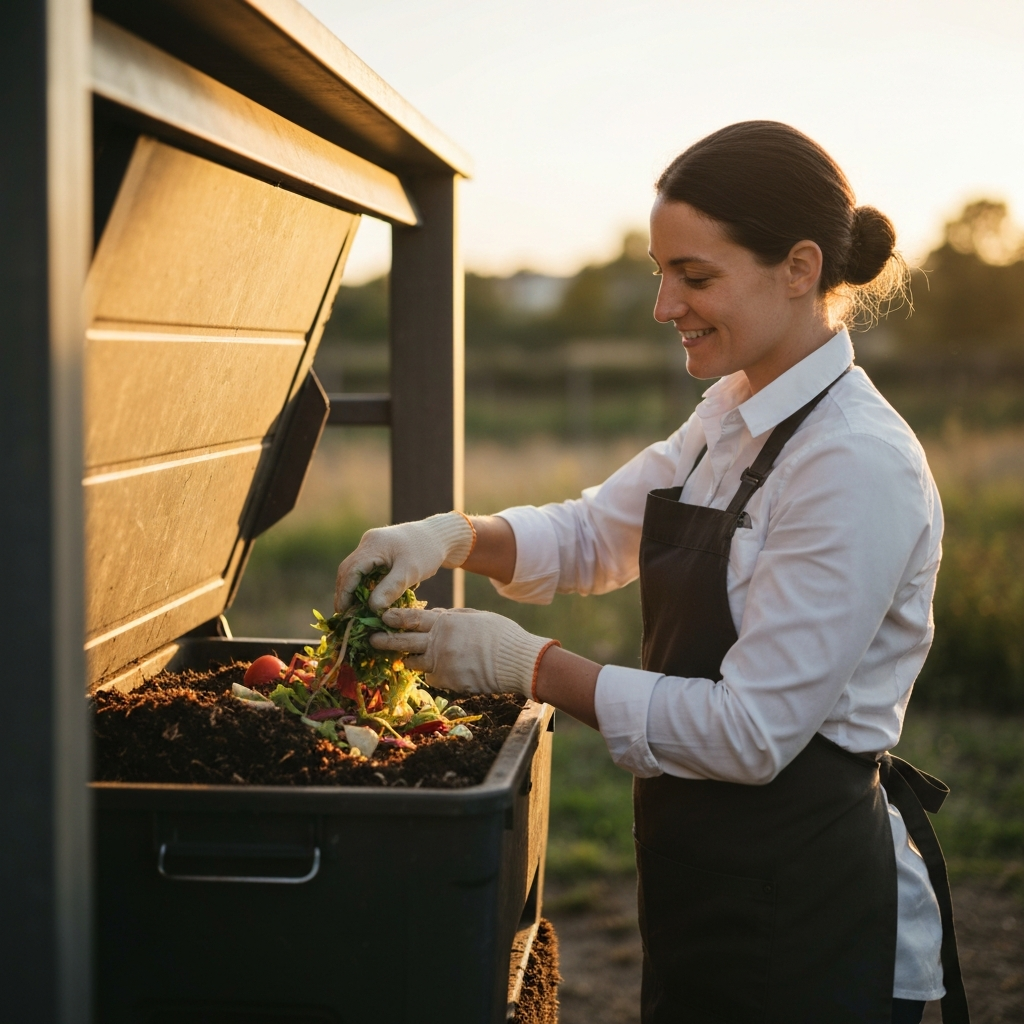
Soil and compost are essential for gardening, but they can also be messy and attract unwanted pests. Store soil and compost in airtight containers to prevent spills and odors. When transporting soil or compost, use a wheelbarrow or cart to minimize the risk of dropping it. If you compost indoors, choose a well-ventilated location and use a compost bin with a tight-fitting lid. Regularly empty and clean your compost bin to prevent odors and pest infestations.
Step 6: Protect Indoor Surfaces
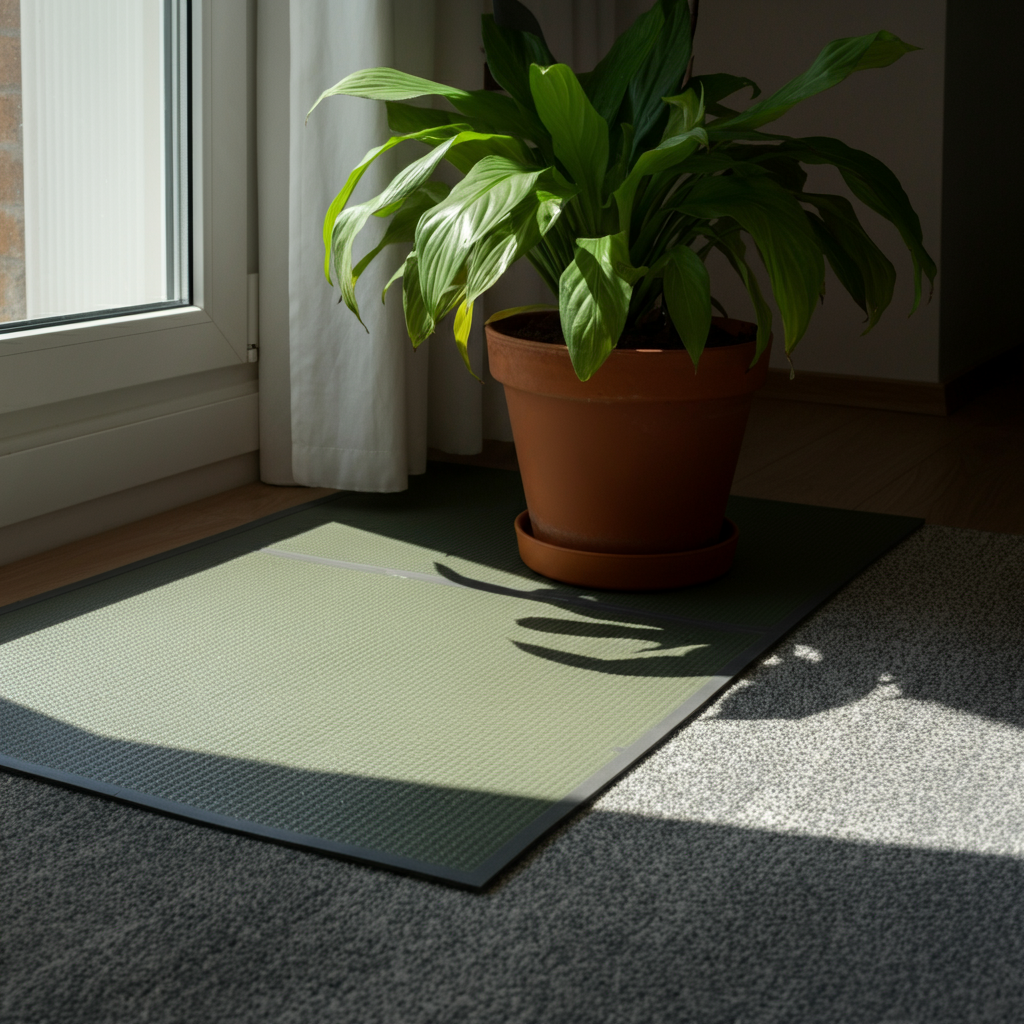
Gardening activities can sometimes spill over into indoor spaces, so it's important to protect your furniture and flooring. Use drop cloths or plastic sheeting to cover surfaces when working with soil or potting plants indoors. Place waterproof mats or trays under potted plants to catch excess water. Regularly clean and vacuum indoor areas to remove any stray soil or debris. Consider using washable rugs or mats in high-traffic areas to make cleaning easier.
Tools or Materials Required
- Airtight containers
- Shelving units or storage bins
- Pegboard
- Durable doormats
- Boot tray or shoe rack
- Stiff brush
- Disinfectant
- Natural pest repellents
- Wheelbarrow or cart
- Compost bin with a tight-fitting lid
- Drop cloths or plastic sheeting
- Waterproof mats or trays
- Washable rugs or mats
Common Mistakes to Avoid
- Neglecting to clean gardening tools regularly.
- Storing soil and compost in open containers.
- Bringing pest-infested plants indoors without inspection.
- Not protecting indoor surfaces during gardening activities.
- Failing to wipe shoes before entering the house.
Safety Considerations
- Wear gloves when handling soil and compost to protect your hands from bacteria and fungi.
- Wash your hands thoroughly after gardening.
- Store gardening chemicals safely and out of reach of children and pets.
- Be careful when lifting heavy bags of soil or compost.
Pro Tips
- Consider installing an outdoor sink for washing tools and hands. This will help to keep mud and dirt out of your house.
- Use a shop vacuum to quickly clean up soil spills and messes.
- Create a designated "mudroom" near your garden entrance for storing gardening gear and removing dirty shoes.
- Teach children and pets to stay out of the garden to minimize the risk of damage and messes.
FAQ Section
Q: How often should I clean my gardening tools?
A: Clean your gardening tools after each use to prevent the spread of diseases and pests.
Q: What's the best way to store soil and compost?
A: Store soil and compost in airtight containers in a cool, dry place.
Q: How can I prevent pests from entering my home?
A: Inspect new plants carefully, clean your gardening tools regularly, and use natural pest repellents around your home's entrances.
Q: What should I do if I spill soil indoors?
A: Use a shop vacuum to quickly clean up the spill. Then, wipe the area with a damp cloth.
Conclusion
Garden-proofing your home is an ongoing process that requires consistent effort and attention to detail. By implementing the strategies outlined in this guide, you can effectively minimize the impact of your gardening activities on your living space. Remember to create a dedicated potting station, implement smart storage solutions, control muddy footprints, safeguard against pests, manage soil and compost effectively, and protect indoor surfaces. With a proactive approach, you can enjoy the beauty and bounty of your garden without sacrificing the cleanliness and comfort of your home. Happy gardening, and happy home keeping!