Gardening is a rewarding hobby, but it can also inadvertently introduce hazards into your home. From tracking in dirt and pests to bringing in potentially toxic plants, your garden can wage war on your clean home and peaceful state of mind. Luckily, with a few strategic precautions, you can create a harmonious balance between your love for gardening and the comfort of your living space.
This guide provides expert tips and practical advice on how to garden-proof your home, protecting both your belongings and your sanity. We'll cover everything from controlling the mess to safeguarding against garden pests and toxic plants. Prepare to reclaim your indoor oasis!
Let's face it, gardening is messy. Dirt, leaves, and the occasional unwelcome critter are bound to hitchhike their way indoors. But with a proactive approach, you can minimize the impact and maintain a clean, comfortable living environment. The key is to create barriers and establish routines that prevent garden debris from infiltrating your home.
Step 1: Create a Dedicated Entryway Zone
Establish a designated transition zone at each entrance you frequently use when coming in from the garden. This area should serve as a buffer, allowing you to remove dirty shoes, shed layers of clothing, and contain any loose soil or plant matter before it spreads further into your home. Think of it as an airlock for garden grime.
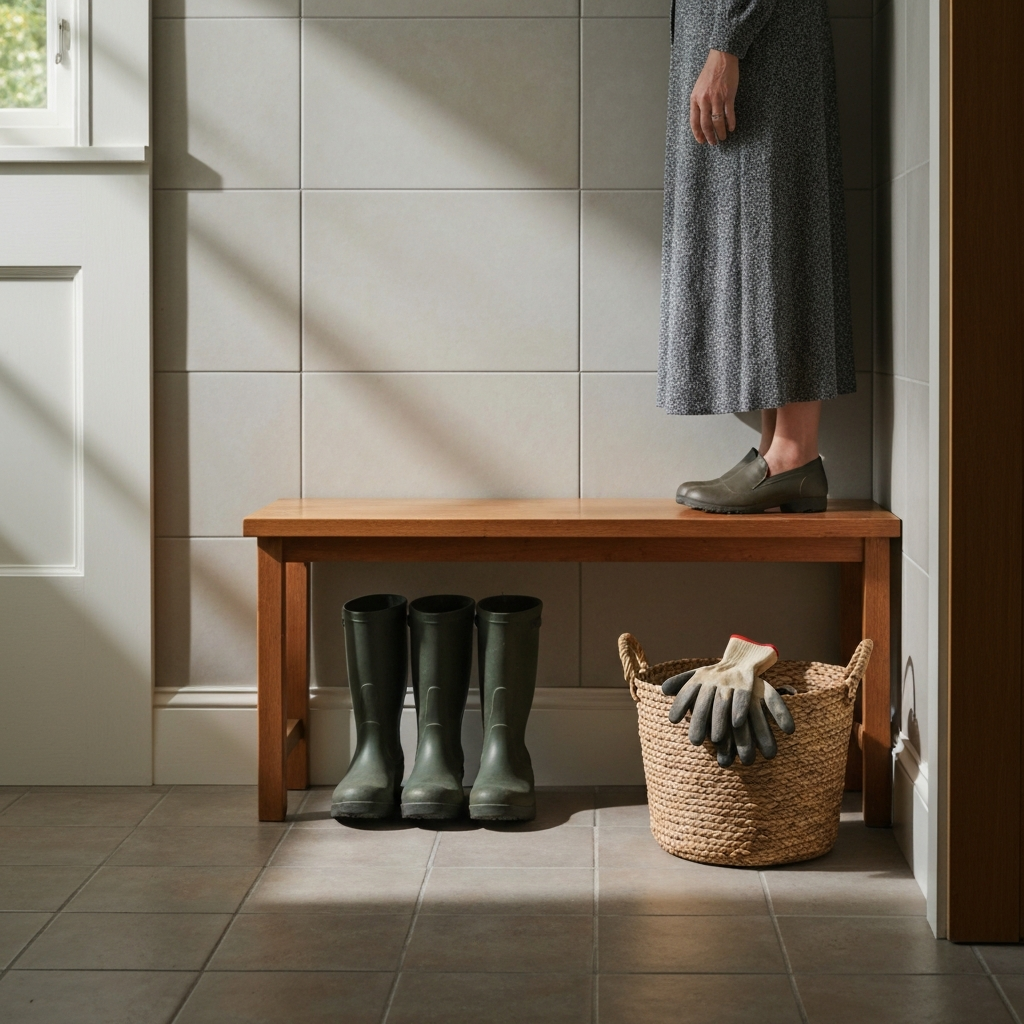
Step 2: Invest in Heavy-Duty Doormats and Rugs
Place durable, absorbent doormats both outside and inside each entry point. Opt for mats made from materials like coir, rubber, or synthetic fibers that can effectively trap dirt and moisture. Choose darker colors and textured surfaces to camouflage dirt and prevent it from being easily tracked. Indoors, use washable rugs to protect your flooring from scuffs and stains.
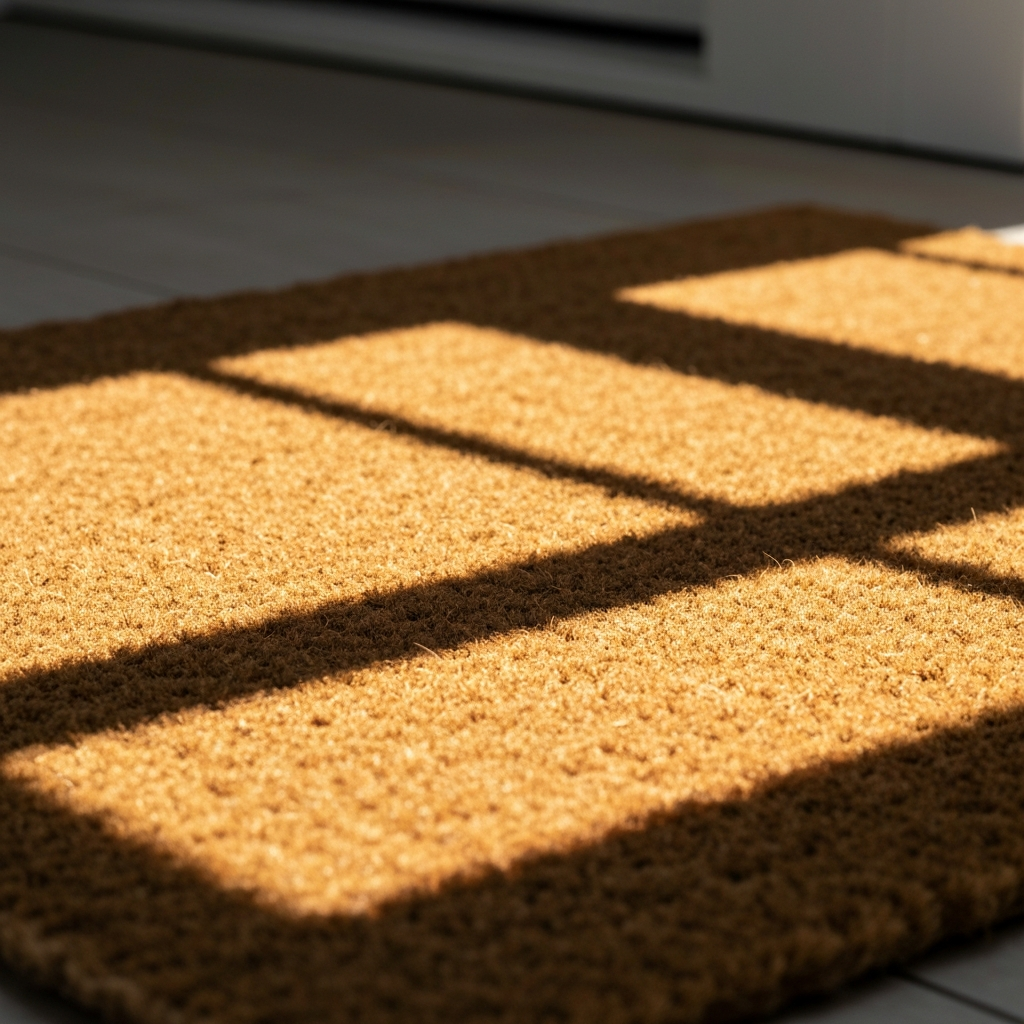
Step 3: Designate a "Dirty Clothes" Container
Keep a laundry basket or bin near your garden entrance for storing dirty gardening clothes. This prevents soil and plant debris from contaminating your clean laundry and spreading throughout your house. Consider using a bin with a lid to further contain odors and prevent pests from being attracted. Empty the container regularly and wash your gardening clothes separately from your other laundry.
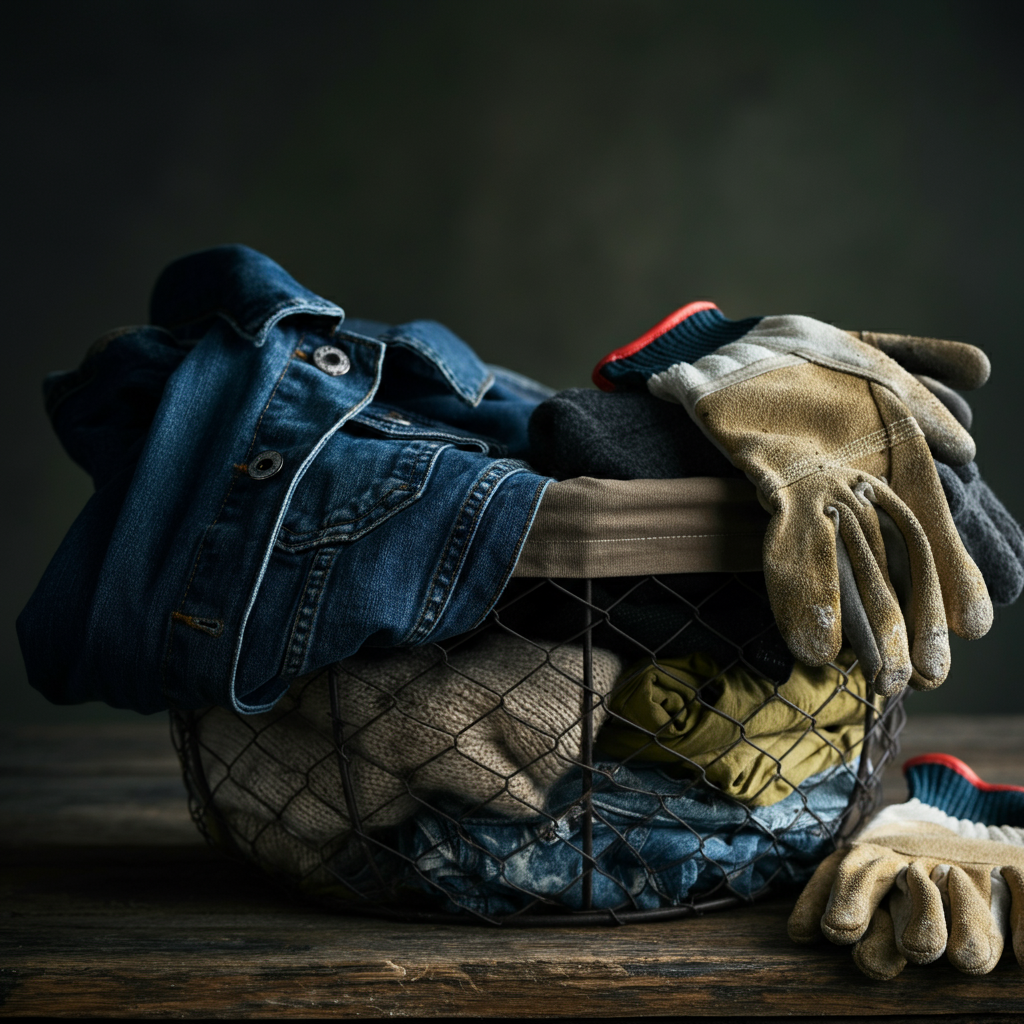
Step 4: Implement a Strict "No Shoes" Policy
Establish a "no shoes" policy, especially for anyone coming in from the garden. This simple rule can significantly reduce the amount of dirt and debris tracked into your home. Provide comfortable slippers or house shoes for family members and guests to wear indoors. Keep a shoe rack or storage bench near the entrance to encourage compliance.
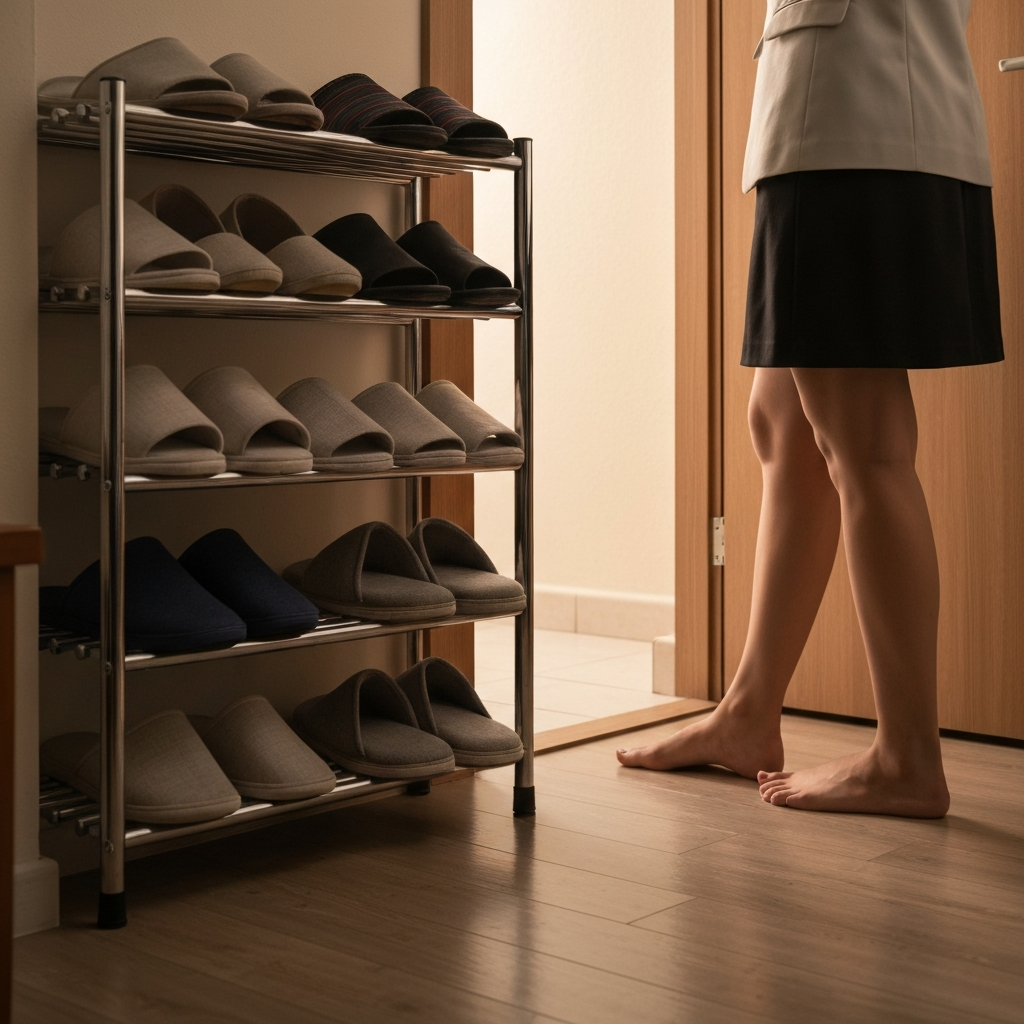
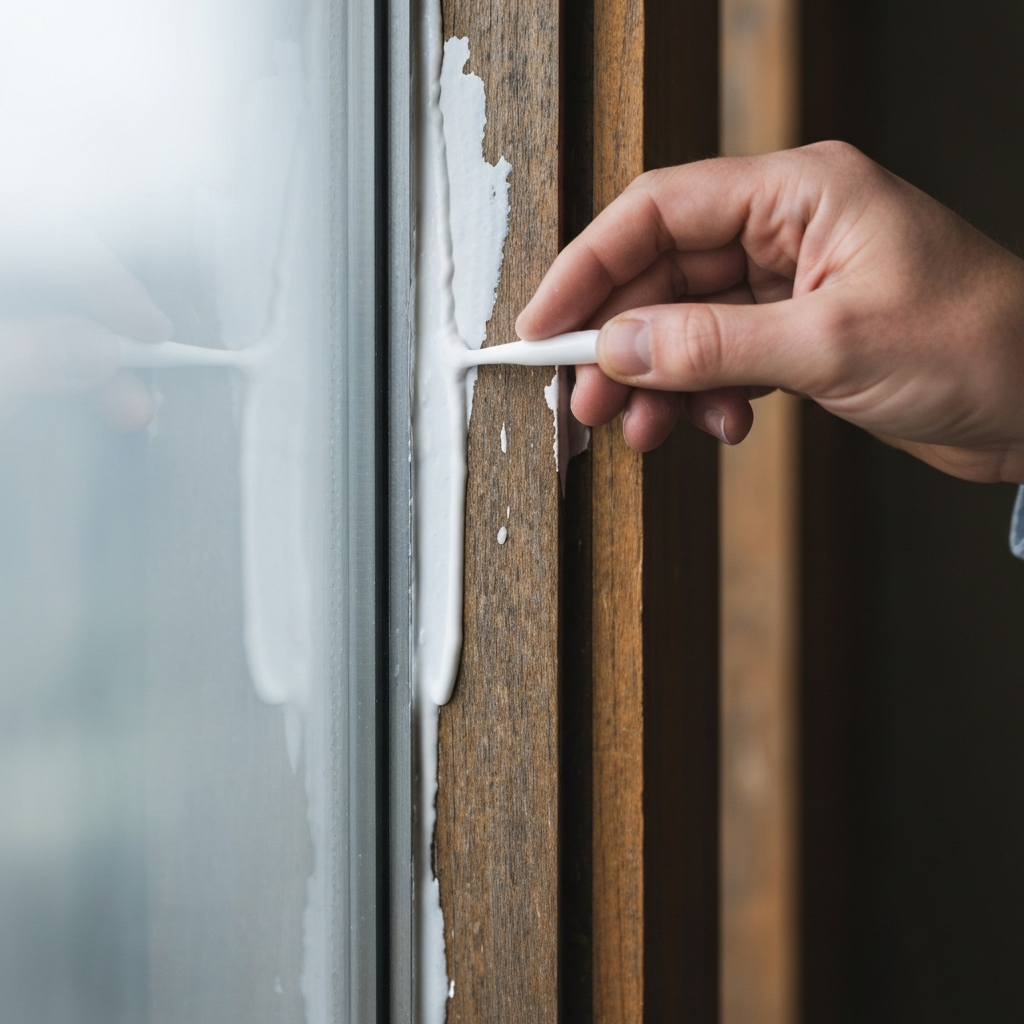
Step 5: Seal Cracks and Crevices
Inspect your home's foundation, windows, and doors for any cracks or crevices that could serve as entry points for insects and other garden pests. Seal these openings with caulk or weather stripping to create a physical barrier. Pay close attention to areas where pipes and wires enter the building. Regularly inspect and maintain these seals to ensure their effectiveness.
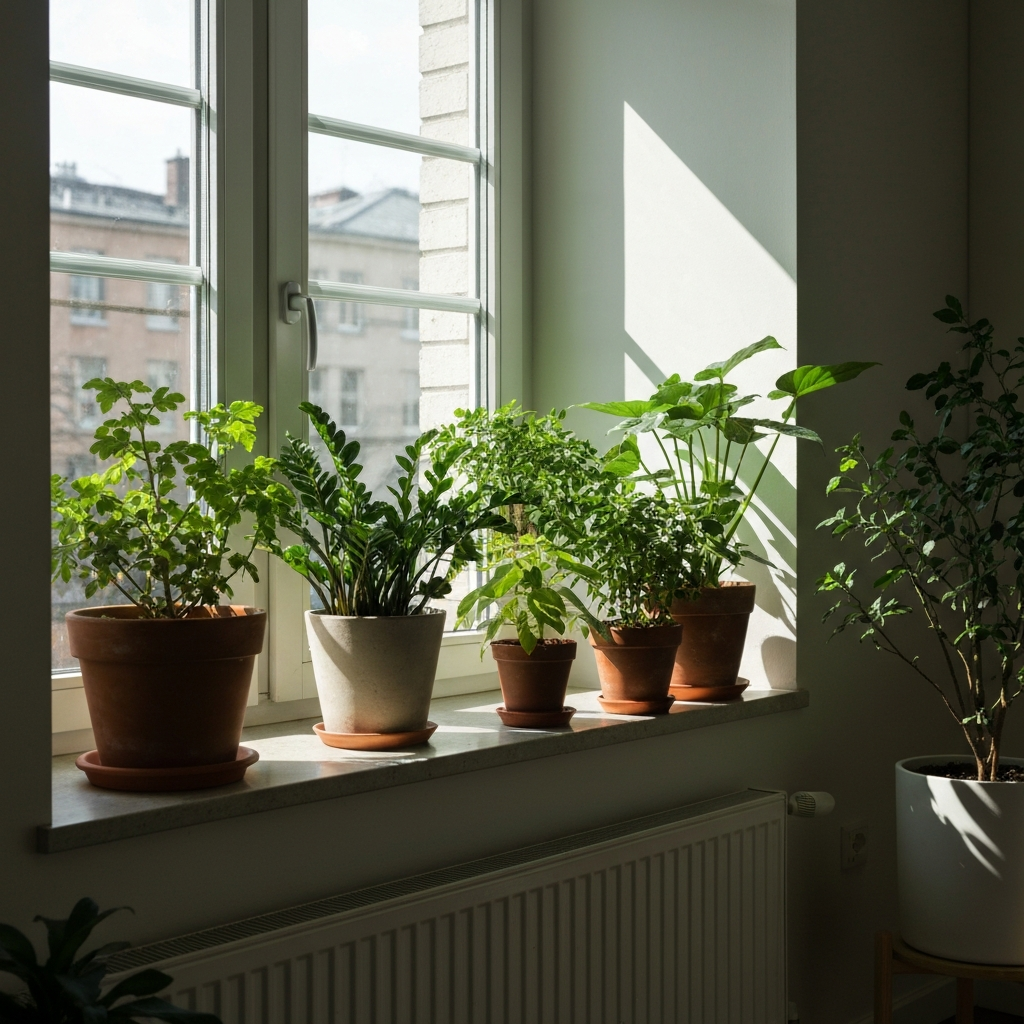
Step 6: Control Potted Plants
Houseplants bring nature indoors, but they can also harbor pests and contribute to indoor allergens. Carefully inspect new plants for signs of insects or disease before bringing them inside. Use high-quality potting mix and avoid overwatering to prevent mold and mildew growth. Consider using saucers or trays beneath your potted plants to catch excess water and prevent damage to your flooring.
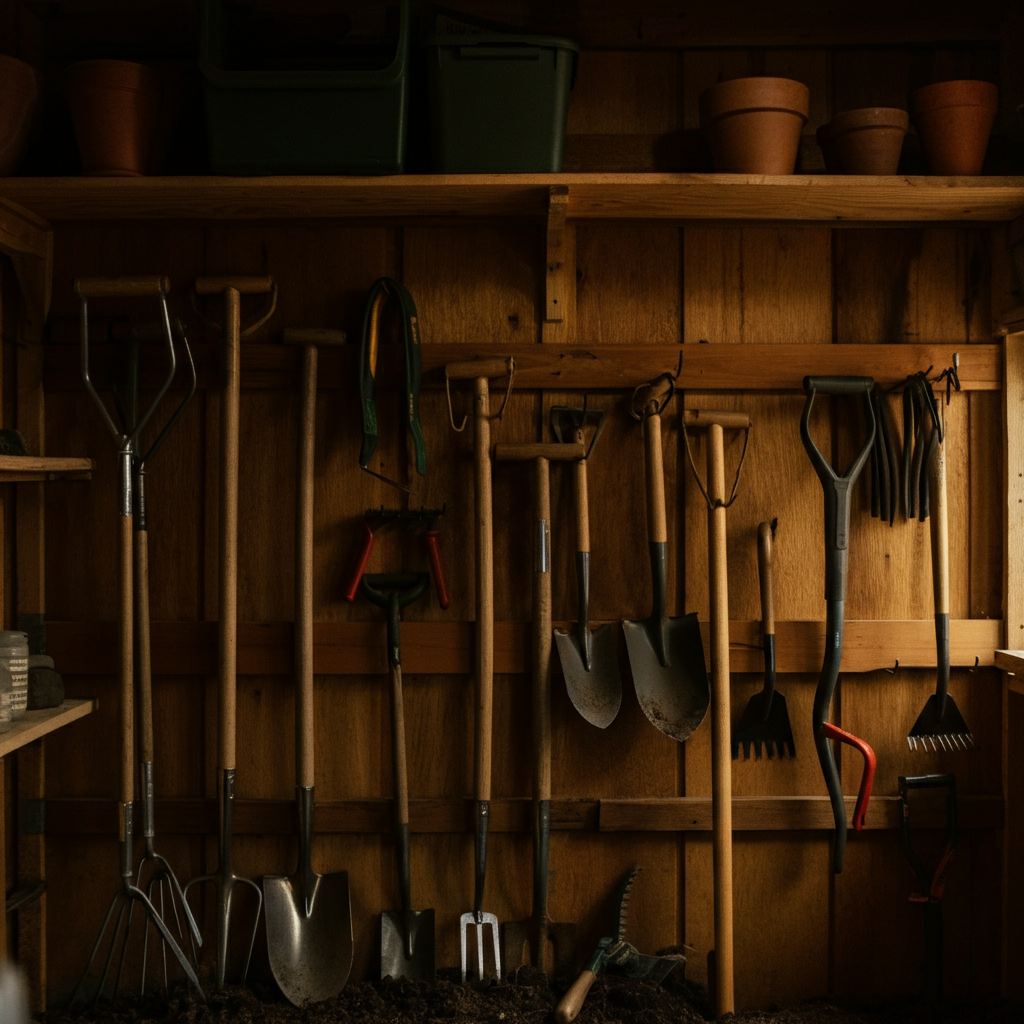
Step 7: Store Gardening Tools Properly
Keep your gardening tools organized and stored away from living areas. A shed, garage, or dedicated storage room is ideal. Clean your tools regularly to remove soil, plant debris, and potential contaminants. Hang long-handled tools on hooks to save space and prevent tripping hazards. Store sharp tools safely to avoid accidents.
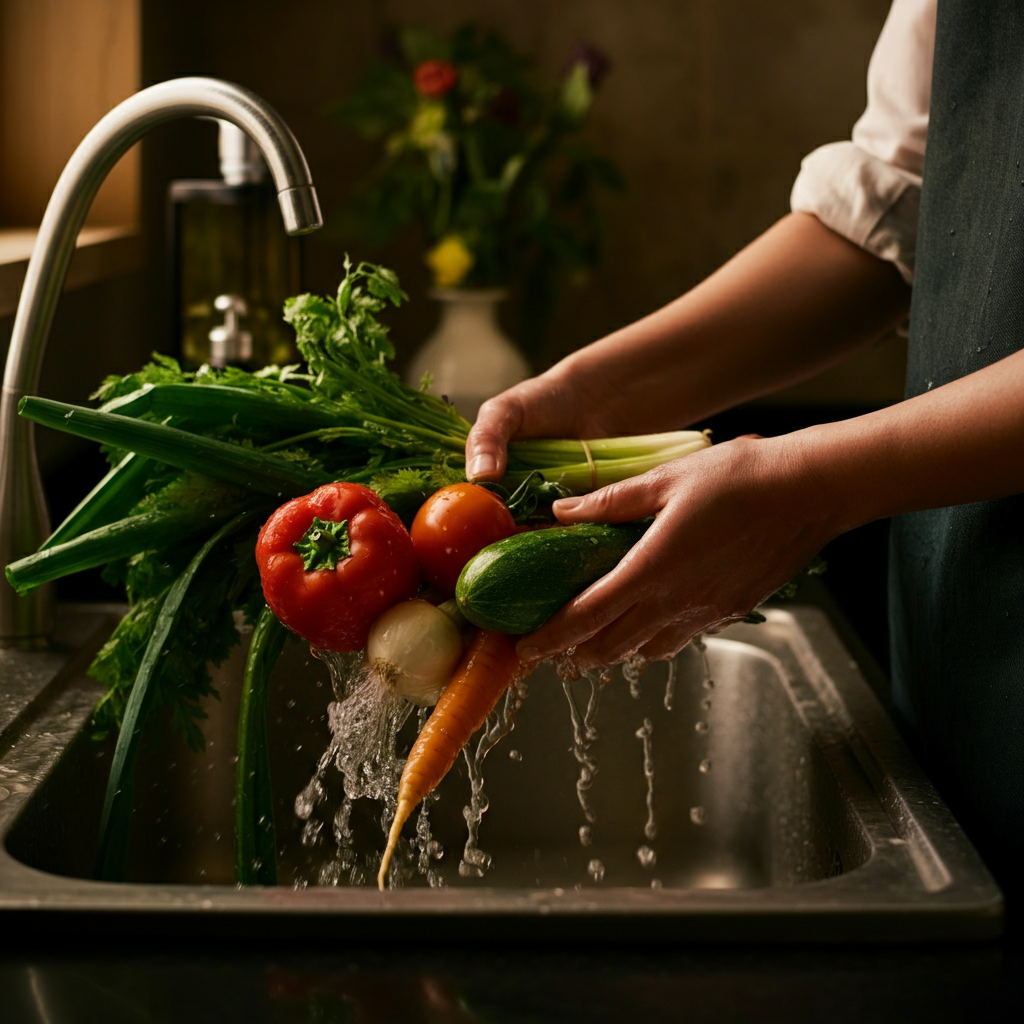
Step 8: Wash Produce Thoroughly
If you grow your own fruits and vegetables, wash them thoroughly before bringing them inside. This removes any dirt, insects, or pesticide residue. Use a vegetable brush to scrub root vegetables and leafy greens. Consider using a vegetable wash solution for added cleanliness. Store your freshly washed produce in clean containers in the refrigerator.
Step 9: Be Mindful of Mulch and Compost
When handling mulch and compost, take precautions to prevent spreading weed seeds and fungal spores. Avoid piling mulch directly against your home's foundation. Use a tarp or container to transport mulch and compost indoors. Wear gloves and a mask when handling these materials, especially if you have allergies or respiratory sensitivities.
Tools or Materials Required
- Heavy-duty doormats and rugs
- Laundry basket or bin with a lid
- Shoe rack or storage bench
- Caulk and weather stripping
- High-quality potting mix
- Plant saucers or trays
- Gardening tool storage system (shed, garage, hooks)
- Vegetable brush
- Tarp or container for mulch and compost
- Gloves and mask
Safety Considerations
- Always wear gloves when handling soil, compost, or potentially toxic plants.
- Store gardening chemicals and pesticides safely, out of reach of children and pets.
- Be aware of the poisonous plants and teach children to not ingest any part of the garden.
- Be aware of insects in the garden.
Conclusion
By implementing these simple strategies, you can effectively garden-proof your home and maintain a clean, comfortable living environment. Remember to establish clear routines, create designated transition zones, and address potential entry points for pests and debris. With a little planning and effort, you can enjoy the rewards of gardening without sacrificing your home's cleanliness or your peace of mind. So, go ahead and embrace your green thumb – your home will thank you!