Bringing the outdoors in, and extending your living space into the garden, is a wonderful way to enhance your home. However, plants, soil, tools, and even the wildlife that visits your garden can pose challenges to your indoor environment. Conversely, our homes, with their chemicals, structures, and activity, can sometimes create hazards for our gardens. This guide offers practical steps to garden-proof your home and home-proof your garden, creating a harmonious balance between the two.
This isn't just about keeping dirt out of your living room. It's about understanding the potential risks – from tracking in unwanted pests to accidentally damaging delicate plants with household cleaners – and taking proactive measures to mitigate them. A little forethought can save you a lot of time and frustration down the line. We'll explore how to manage soil and debris, protect your home from pests, and ensure that your garden thrives in a safe and healthy environment.
Whether you're a seasoned gardener or just starting to cultivate your green thumb, these tips will help you create a seamless and enjoyable connection between your home and garden. Let's dive in!
Step 1: Create a Transition Zone
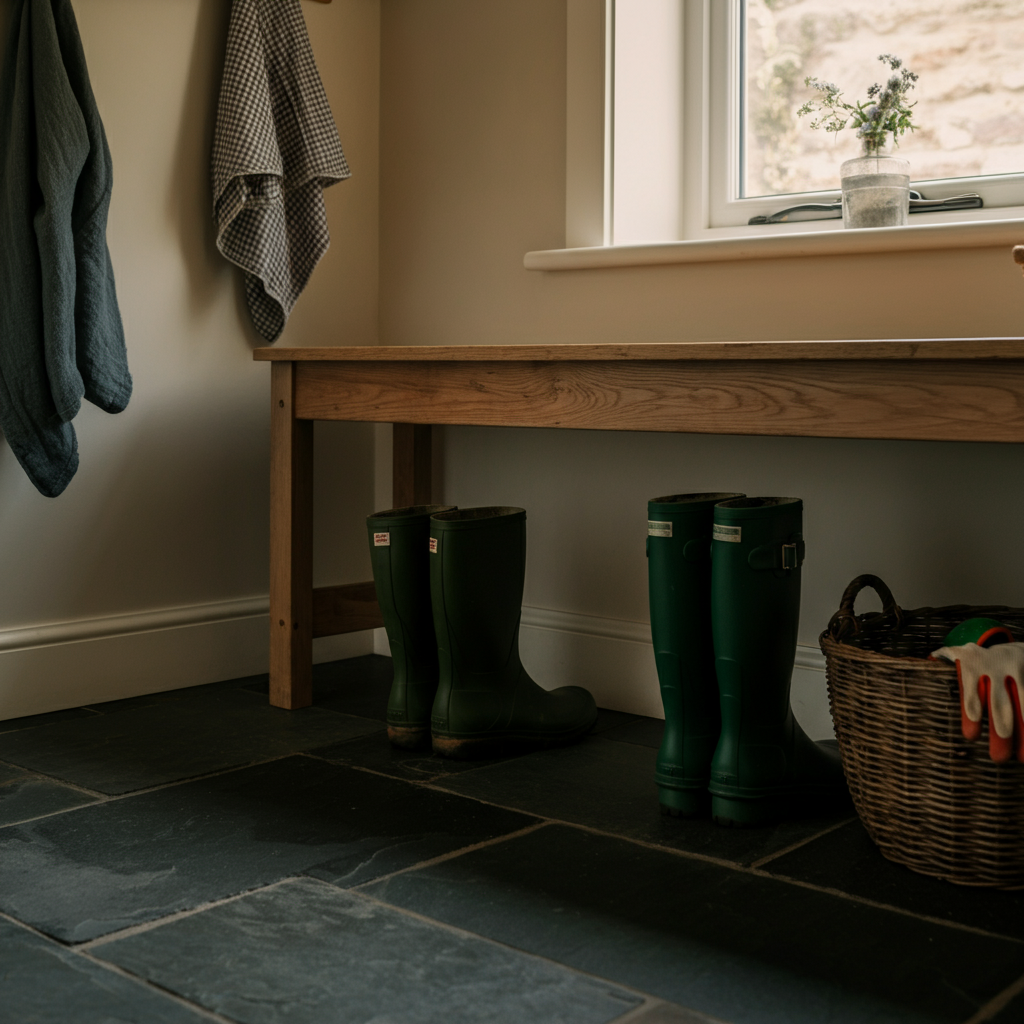
The most significant source of dirt and debris entering your home from the garden is often your shoes. Designating a specific transition zone can drastically reduce this. This could be a mudroom, entryway, or even just a designated area near your back door. The key is to make it convenient and habitual to remove dirty shoes before entering the main living areas. Provide seating for easy shoe removal and ample storage for both shoes and gardening tools.
Step 2: Implement Effective Cleaning Strategies
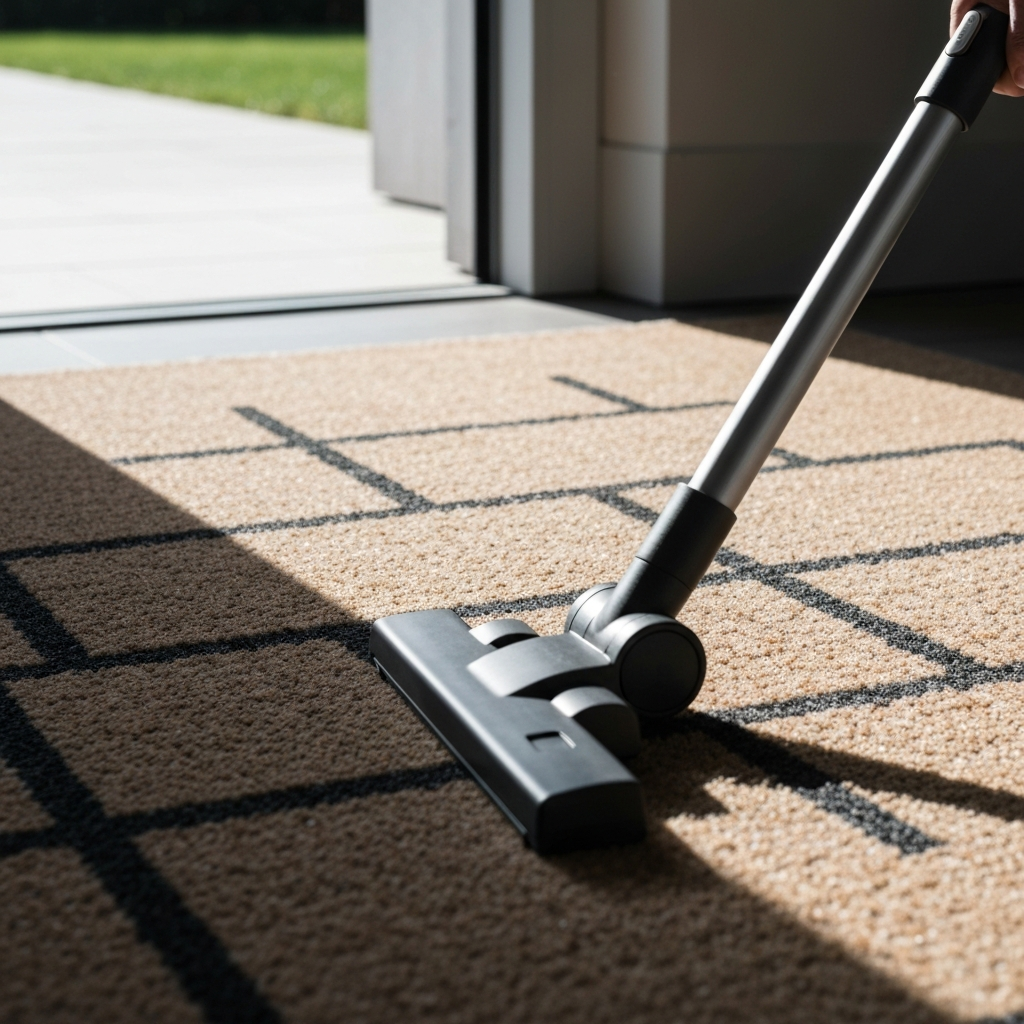
Even with a transition zone, some dirt will inevitably make its way inside. Regular cleaning is crucial. Invest in a good quality doormat for both inside and outside the transition zone. Use a vacuum cleaner with a strong suction and a HEPA filter to trap fine particles and allergens. For hard floors, opt for a damp mop or microfiber cloth to avoid spreading dirt around. Consider using natural cleaning products to minimize the risk of harming your plants if residue is tracked back into the garden.
Step 3: Control Pests at the Source
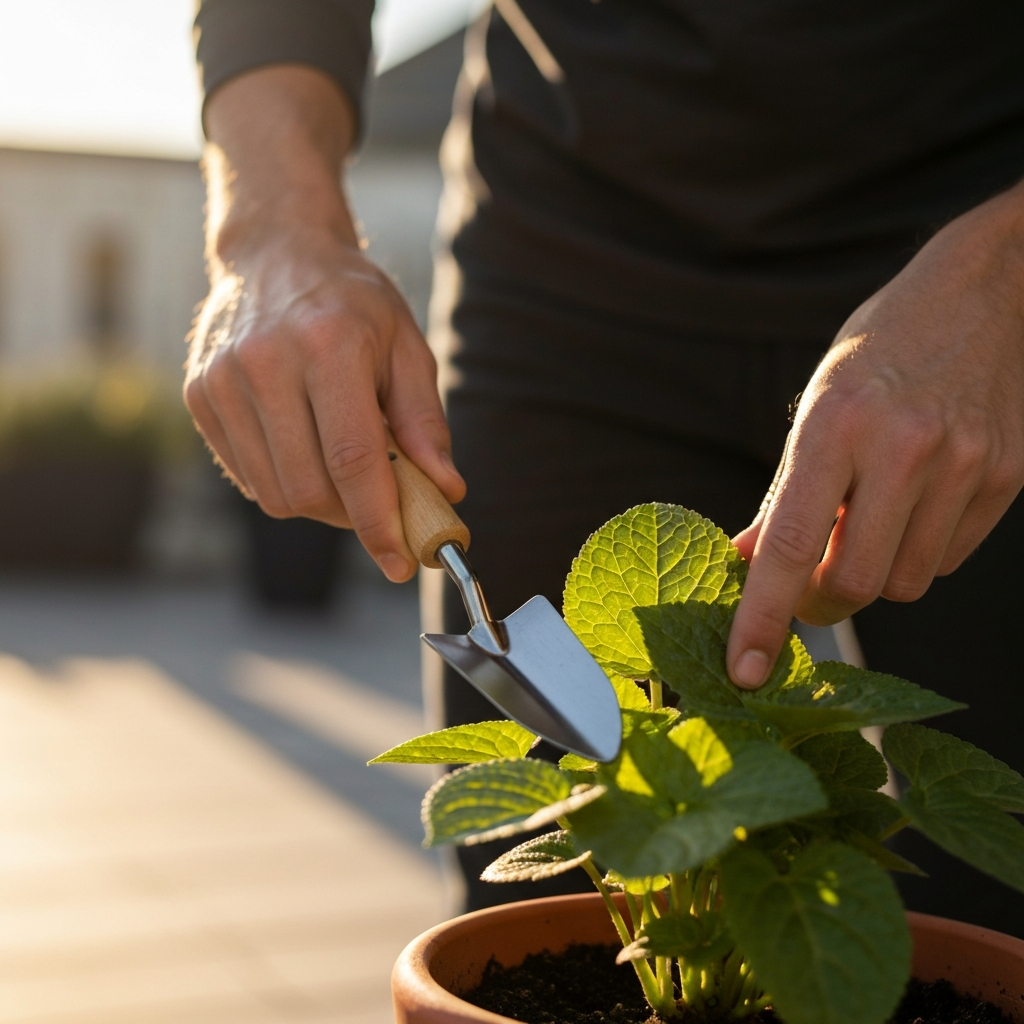
Gardens can attract pests, and sometimes, these pests find their way inside. Regularly inspect your plants for signs of infestation. Use organic pest control methods in your garden to avoid bringing harmful chemicals indoors. Seal any cracks or openings in your home's foundation and around windows and doors. Consider installing screens on windows and doors to prevent insects from entering. Regularly empty and clean garbage cans, especially those near the garden area.
Step 4: Protect Indoor Surfaces from Soil and Water
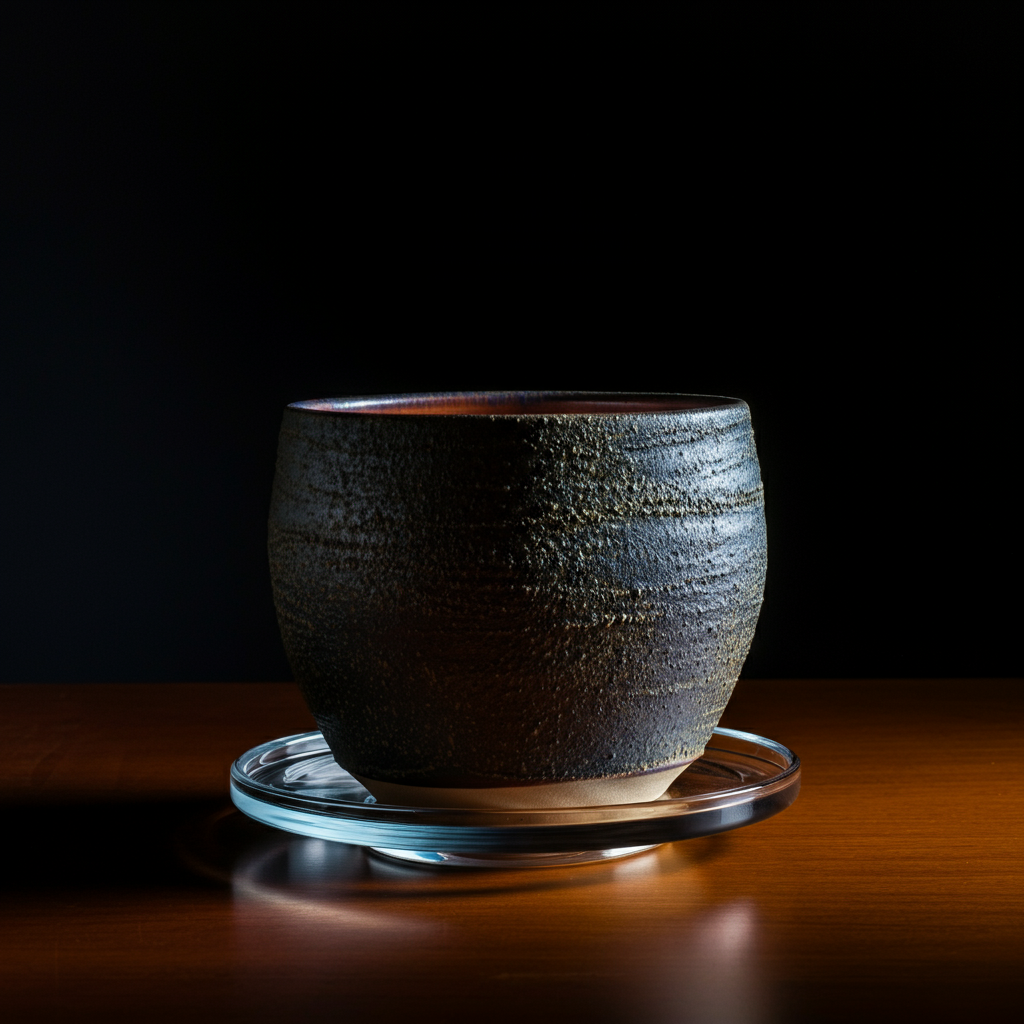
When bringing plants indoors, protect your furniture and floors from soil and water damage. Use saucers under potted plants to catch excess water. Consider using waterproof mats or trays to protect surfaces from spills. When repotting plants indoors, cover your work area with a drop cloth or old newspaper. Never overwater indoor plants, as this can lead to water damage and mold growth. Choosing the right pots for indoor plants can also minimize the likelihood of leaks; consider self-watering pots as a helpful solution.
Step 5: Safeguard Your Garden from Household Hazards
Just as gardens can impact your home, your home can impact your garden. Be mindful of what you're using in your home that could potentially leach into the garden. Avoid dumping cleaning chemicals or wastewater directly onto your garden soil. Ensure that your pets aren't using your garden as a toilet, as their waste can contaminate the soil. When using fertilizers or pesticides in your garden, follow the instructions carefully and avoid overspraying, which can carry chemicals into your home.

Step 6: Manage Compost and Waste Responsibly
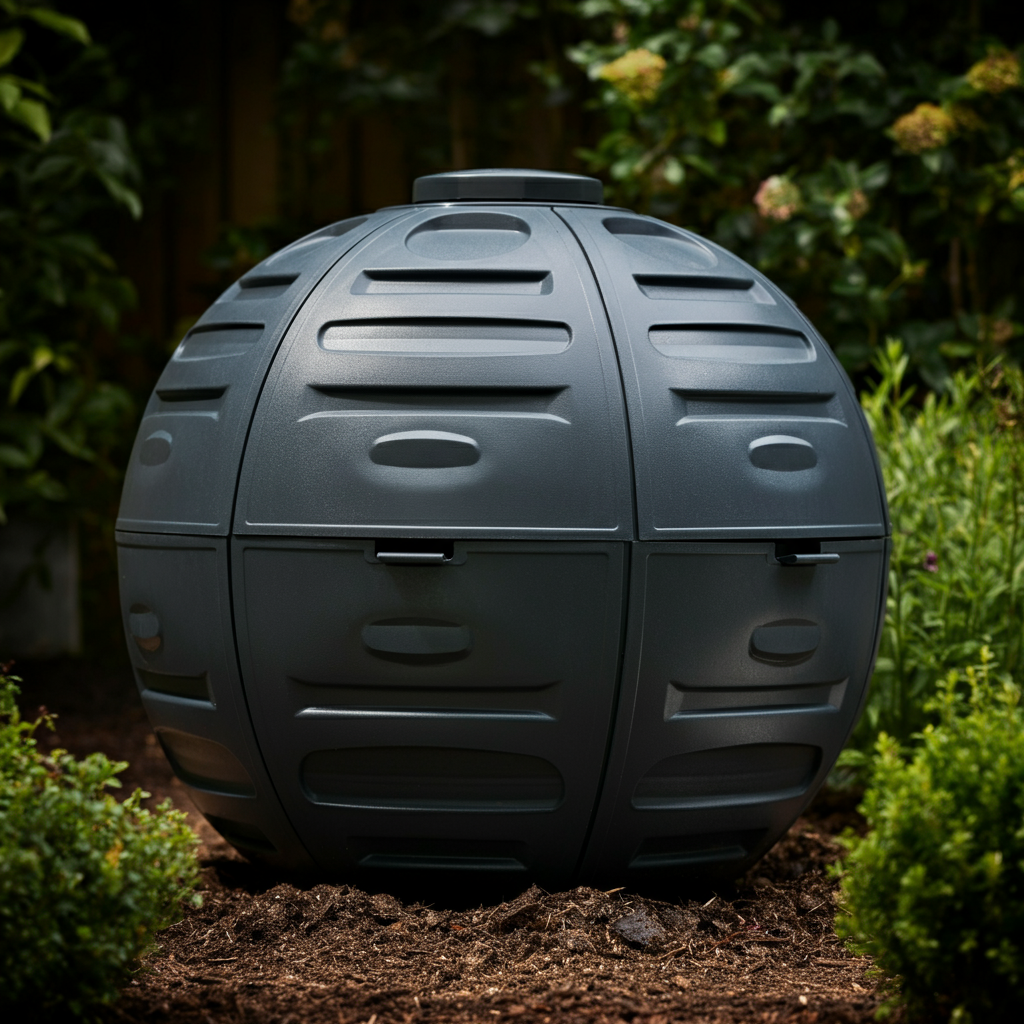
Composting is a great way to recycle garden waste, but it can also attract pests and create unpleasant odors if not managed properly. Locate your compost bin away from your house and ensure it's properly sealed to prevent attracting rodents or insects. Regularly turn the compost pile to aerate it and speed up decomposition. Avoid composting meat, dairy, or oily foods, as these can attract pests and create strong odors. Consider investing in a compost tumbler for easier turning and better odor control.
Step 7: Respect Wildlife Boundaries
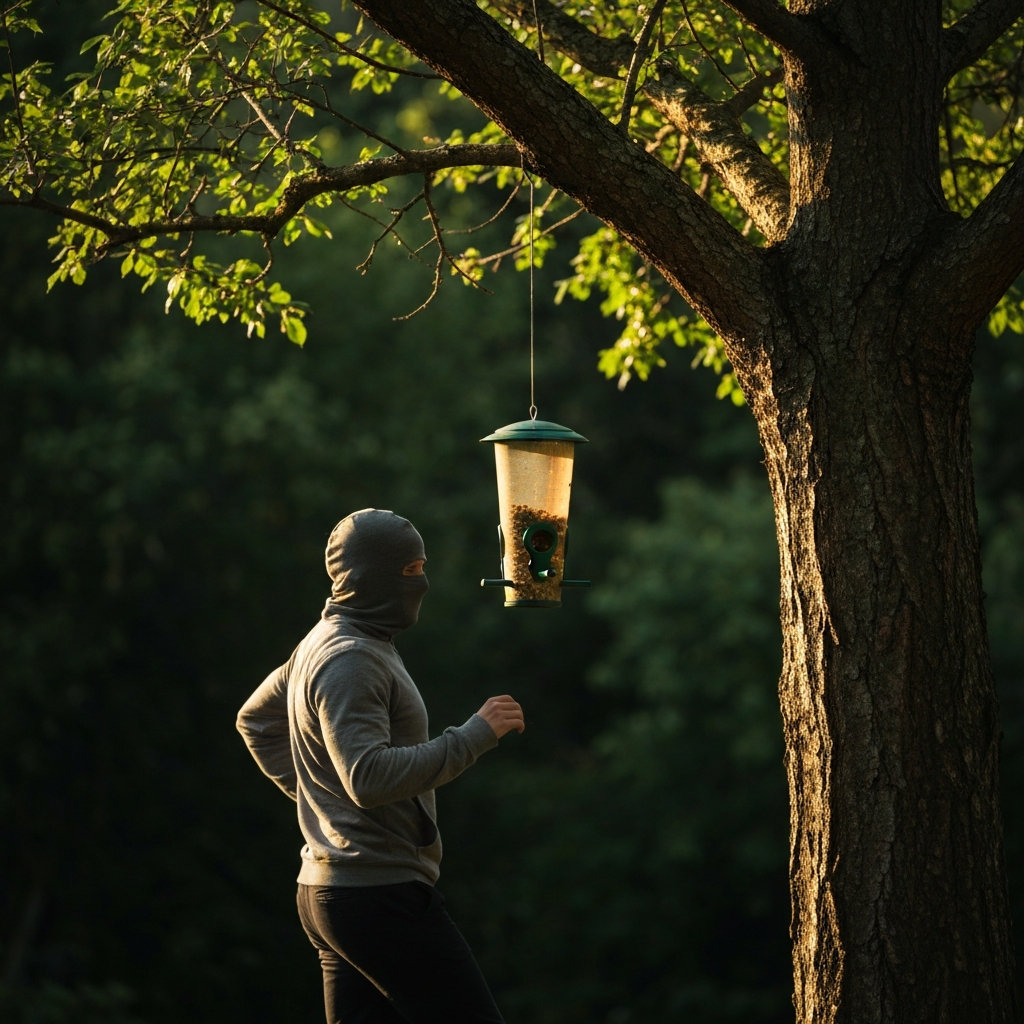
Attracting wildlife to your garden can be a rewarding experience, but it's important to maintain boundaries to prevent unwanted guests from entering your home. Avoid leaving pet food or garbage outside, as this can attract rodents and other pests. Seal any openings in your home's foundation or attic to prevent animals from nesting inside. If you have bird feeders, clean them regularly to prevent the spread of disease. Consider using humane methods to deter unwanted wildlife, such as motion-activated sprinklers or ultrasonic pest repellers.
Tools or Materials Required
* Doormats (indoor and outdoor) * Vacuum cleaner with HEPA filter * Mop or microfiber cloths * Natural cleaning products * Plant saucers and waterproof mats * Drop cloths or old newspapers * Screens for windows and doors * Sealing caulk or weather stripping * Compost bin or tumbler * Humane pest deterrentsCommon Mistakes to Avoid
* Neglecting the transition zone and tracking dirt directly into the house. * Using harsh chemicals that can harm plants or pets. * Overwatering indoor plants. * Improperly managing compost, attracting pests and odors. * Leaving pet food or garbage outside, attracting wildlife. * Failing to seal cracks and openings in the home's foundation.FAQ Section
Q: How often should I clean my doormats?
A: Clean your doormats at least once a week, or more often if they become heavily soiled.
Q: What are some natural alternatives to chemical pest control?
A: Options include diatomaceous earth, neem oil, and insecticidal soap.
Q: How can I prevent my pets from digging in my garden?
A: Provide them with a designated digging area or use physical barriers to protect vulnerable plants.
Conclusion
By following these steps, you can effectively garden-proof your home and home-proof your garden, creating a more enjoyable and harmonious living environment. Remember that prevention is key, and taking proactive measures will save you time and effort in the long run. Embrace the beauty of nature while maintaining a clean, healthy, and safe home.