Grandma's garden was always a source of pride, bursting with vibrant blooms and overflowing with fresh vegetables. But let's be honest, watching her tend to it sometimes involved a lot of bending and stooping. The good news is, you can achieve that same bountiful harvest without sacrificing your own well-being. This guide will walk you through the techniques and tools that allow you to embrace Grandma's gardening wisdom, but with a modern, ergonomic twist.
The secret to gardening like Grandma, without the backache, lies in smart planning, the right equipment, and understanding your body's limitations. It's not about pushing yourself, but about working smarter, not harder. We'll cover everything from raised beds to ergonomic tools, ensuring you can enjoy the fruits (and vegetables!) of your labor for years to come.
Get ready to transform your outdoor space into a thriving garden, just like Grandma's, but with a little less strain and a lot more enjoyment. Let's get started!
Step 1: Plan Your Raised Beds
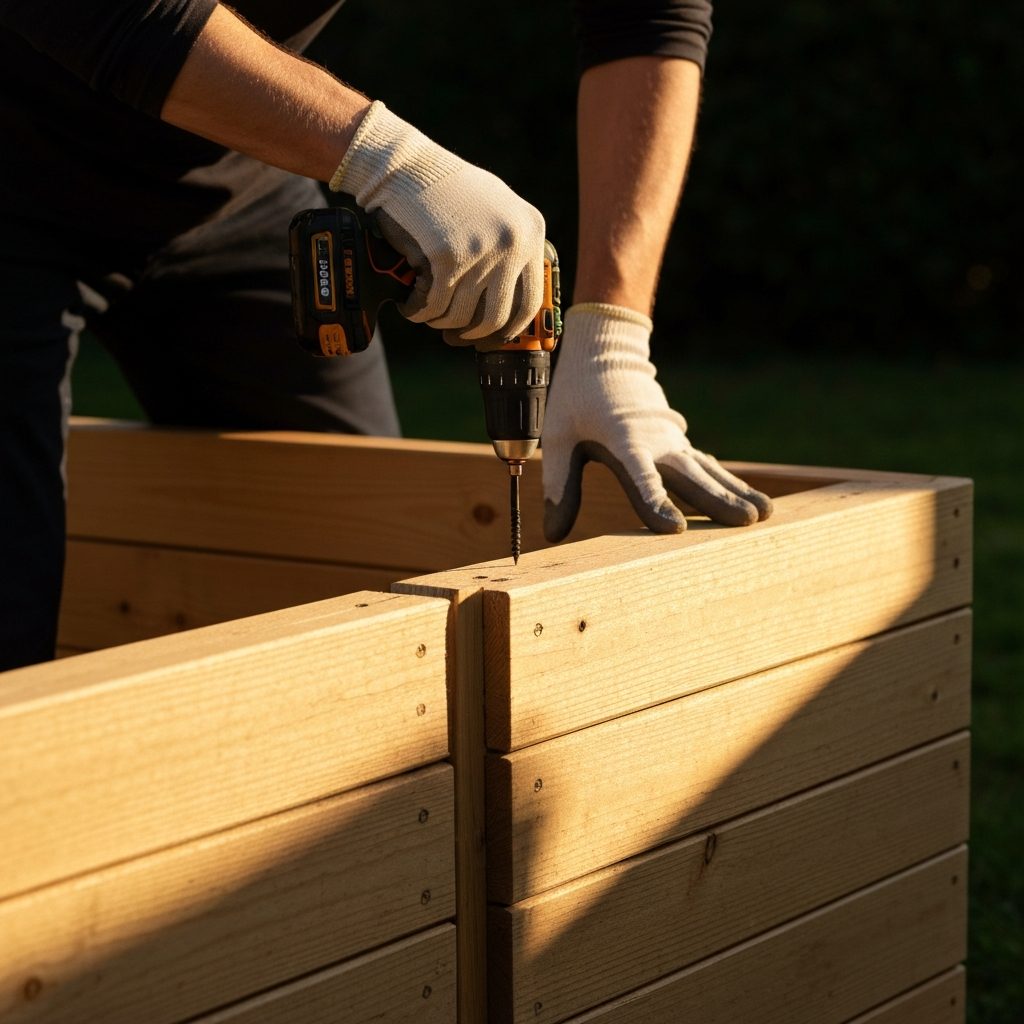
The cornerstone of backache-free gardening is the raised bed. Raised beds eliminate the need to bend down to ground level, significantly reducing strain on your back and knees. Consider the ideal height; generally, 24-36 inches is a comfortable range for most people. Don't overbuild them, a comfortable arm's reach is key. The width should also be manageable, typically no more than 4 feet, so you can easily reach the center without stepping into the bed and compacting the soil.
Step 2: Choose the Right Soil
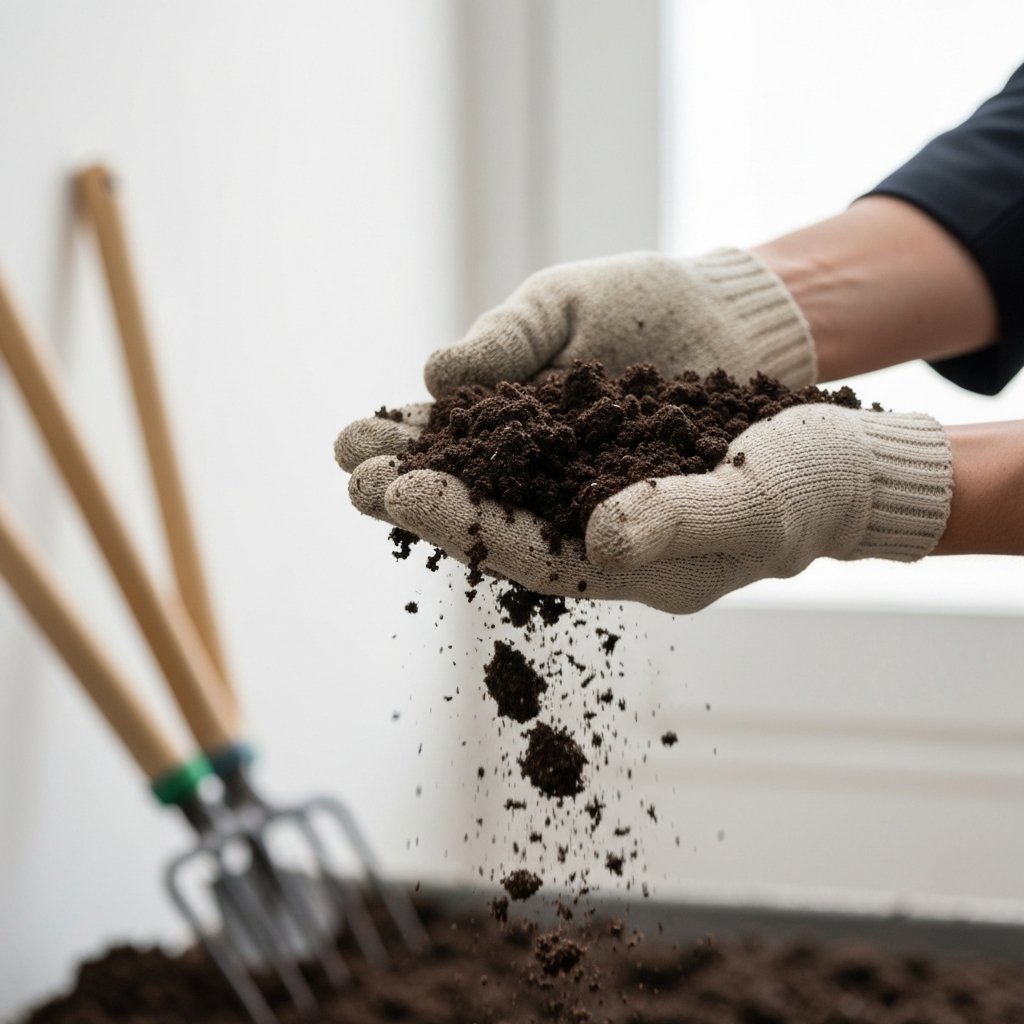
Grandma always knew the importance of good soil, and so should you. But instead of tilling and amending the existing soil (a back-breaking task!), fill your raised beds with a high-quality soil mix specifically designed for raised bed gardening. This usually consists of a blend of topsoil, compost, and peat moss or coconut coir, providing excellent drainage and nutrient retention. Avoid using heavy clay soil, as it will be difficult to work with, even in a raised bed. Consider having soil delivered to avoid heavy lifting.
Step 3: Invest in Ergonomic Tools
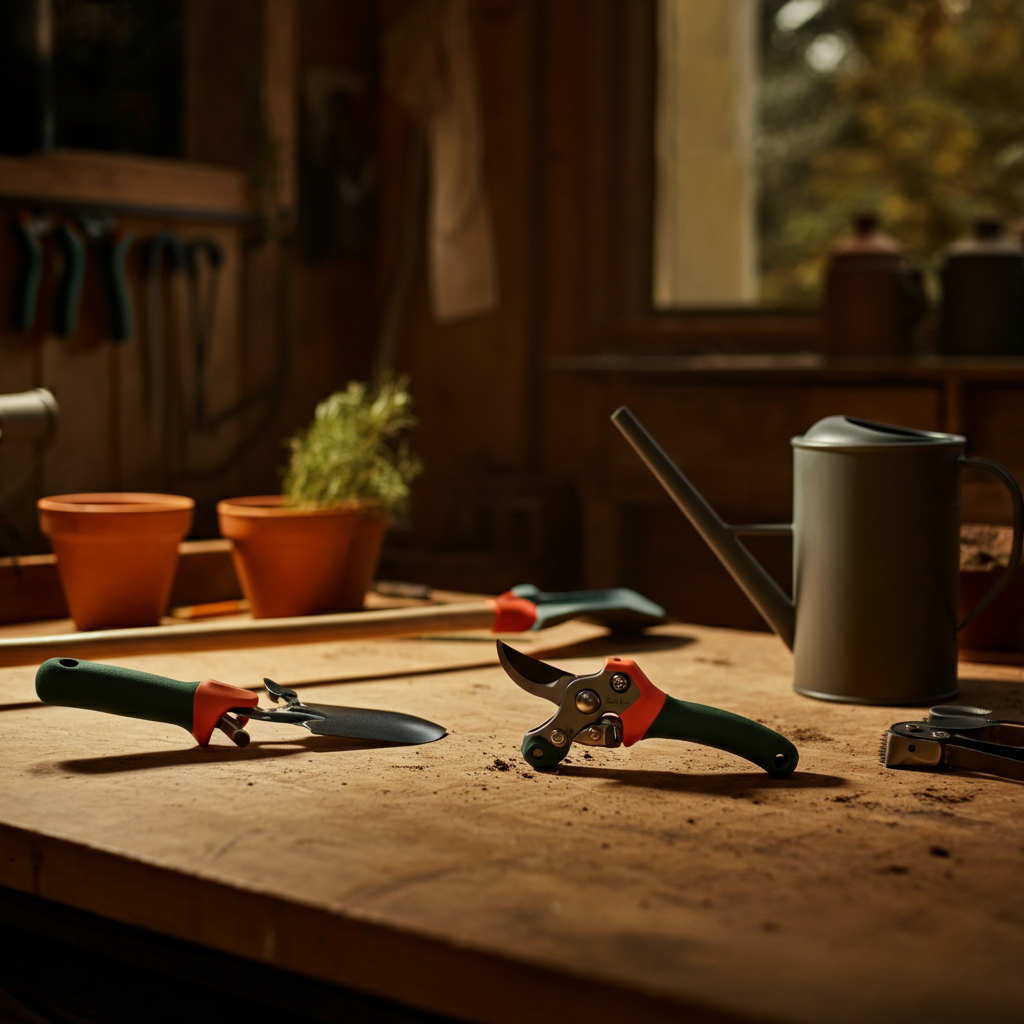
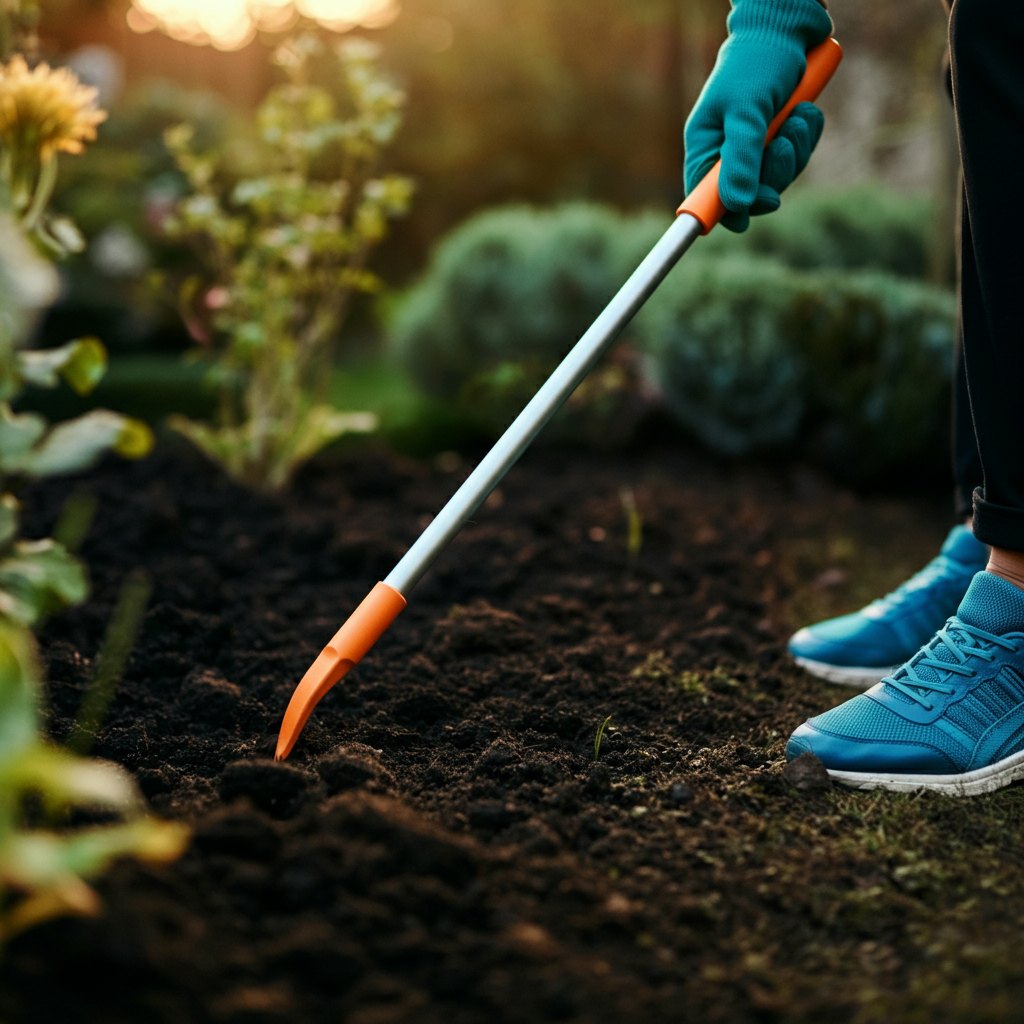
Ditch the old, heavy tools that require excessive force. Invest in lightweight, ergonomic tools designed to minimize strain. Look for tools with padded grips, long handles (to reduce bending), and angled designs that allow you to maintain a more natural posture. Ratcheting pruners and lightweight trowels can make a world of difference. A gardening stool or kneeling pad is also essential for tasks that require you to be closer to the ground.
Step 4: Employ the No-Dig Method
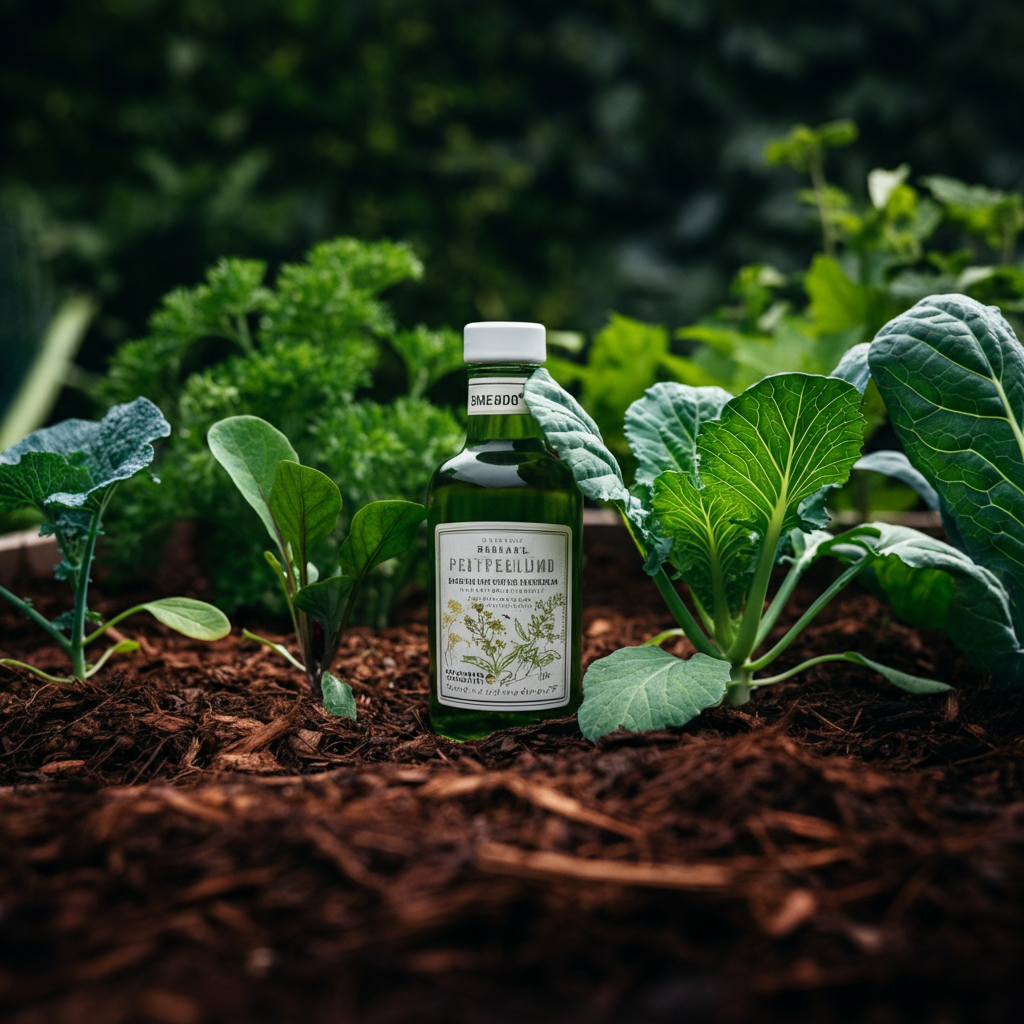
Traditional gardening often involves tilling the soil, which is incredibly strenuous. The no-dig gardening method, on the other hand, minimizes soil disturbance, preserving its structure and beneficial microorganisms. Simply add layers of organic matter, such as compost and mulch, to the surface of the soil. Over time, these materials will decompose and enrich the soil, creating a healthy environment for your plants to thrive, without any digging required. This also reduces weed growth.
Step 5: Water Wisely
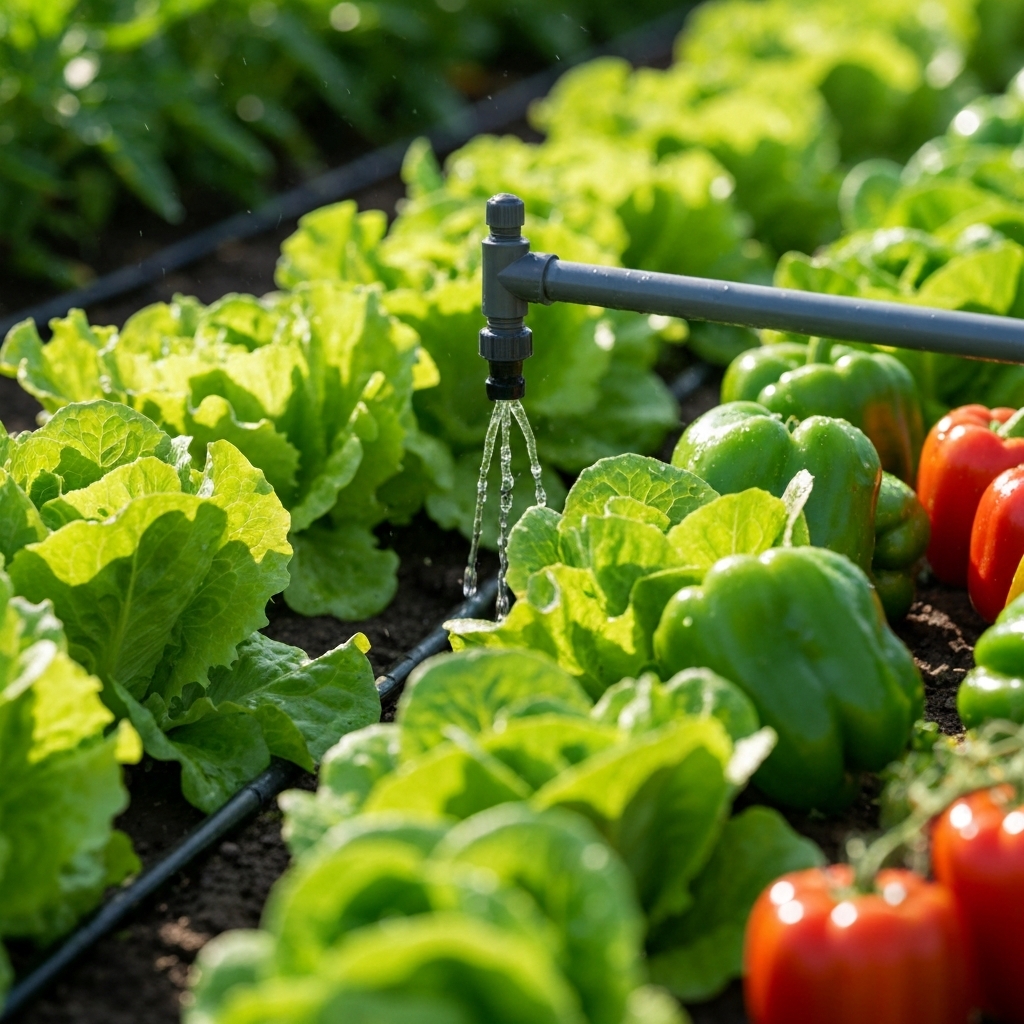
Dragging a heavy hose around the garden can be a real pain. Instead, consider installing a drip irrigation system or soaker hoses. These systems deliver water directly to the roots of your plants, reducing water waste and minimizing the need for manual watering. A timer can automate the watering process, freeing up your time and ensuring consistent moisture levels. Also, consider rainwater harvesting to further reduce water usage.
Step 6: Plant Strategically
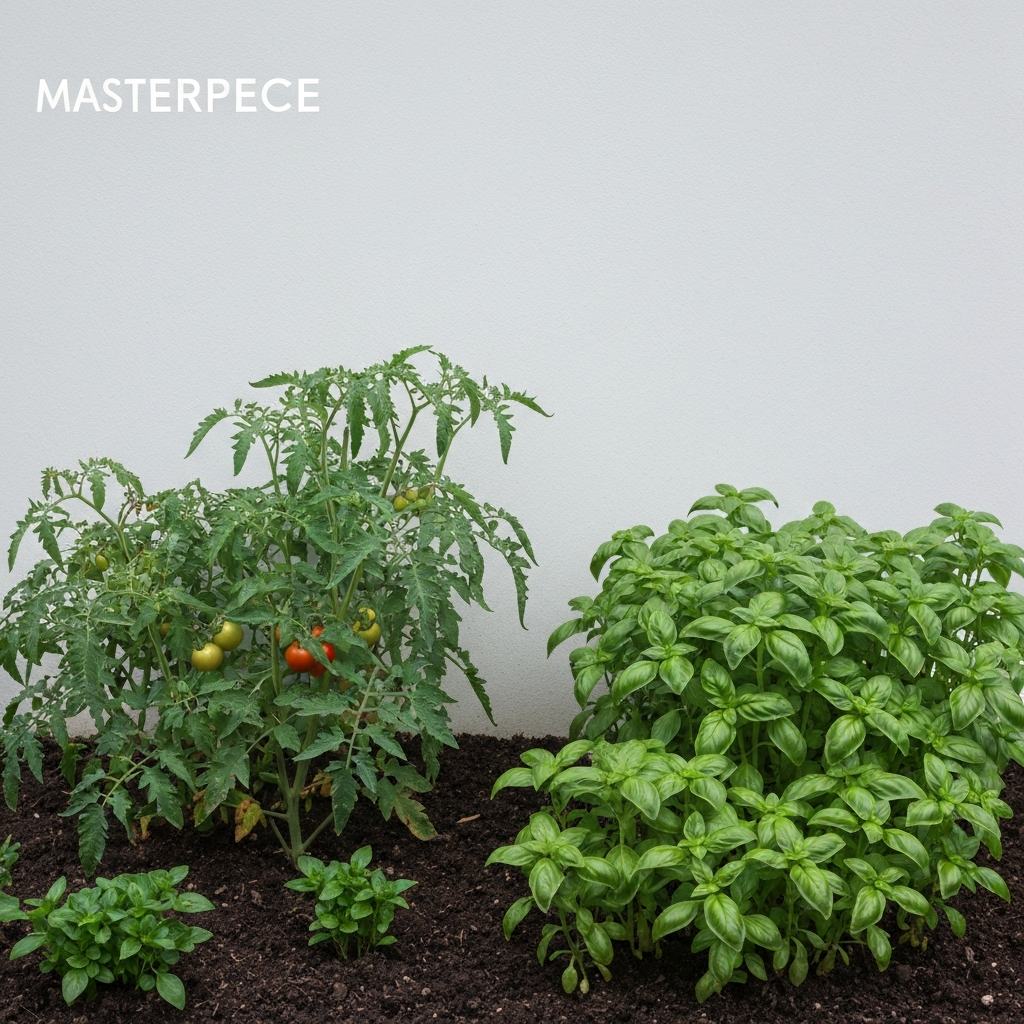
When planning your garden, consider companion planting. Certain plants thrive when grown together, benefiting each other by attracting pollinators, repelling pests, or improving soil health. For example, planting basil near tomatoes can help deter pests and improve the flavor of the tomatoes. Also, plant taller plants to provide shade for those that need it, reducing the need for extra watering during hot days. Also consider succession planting. Stagger planting times to extend your harvest.
Step 7: Weed Regularly (But Gently)
Weeding is an inevitable part of gardening, but it doesn't have to be a back-breaking chore. Weed regularly, while the weeds are still small and easy to remove. Use a weeding tool with a long handle or a comfortable kneeling pad to avoid bending over. Mulching can also help suppress weed growth, reducing the amount of time you spend weeding. Remember, consistency is key.
Step 8: Harvest with Care
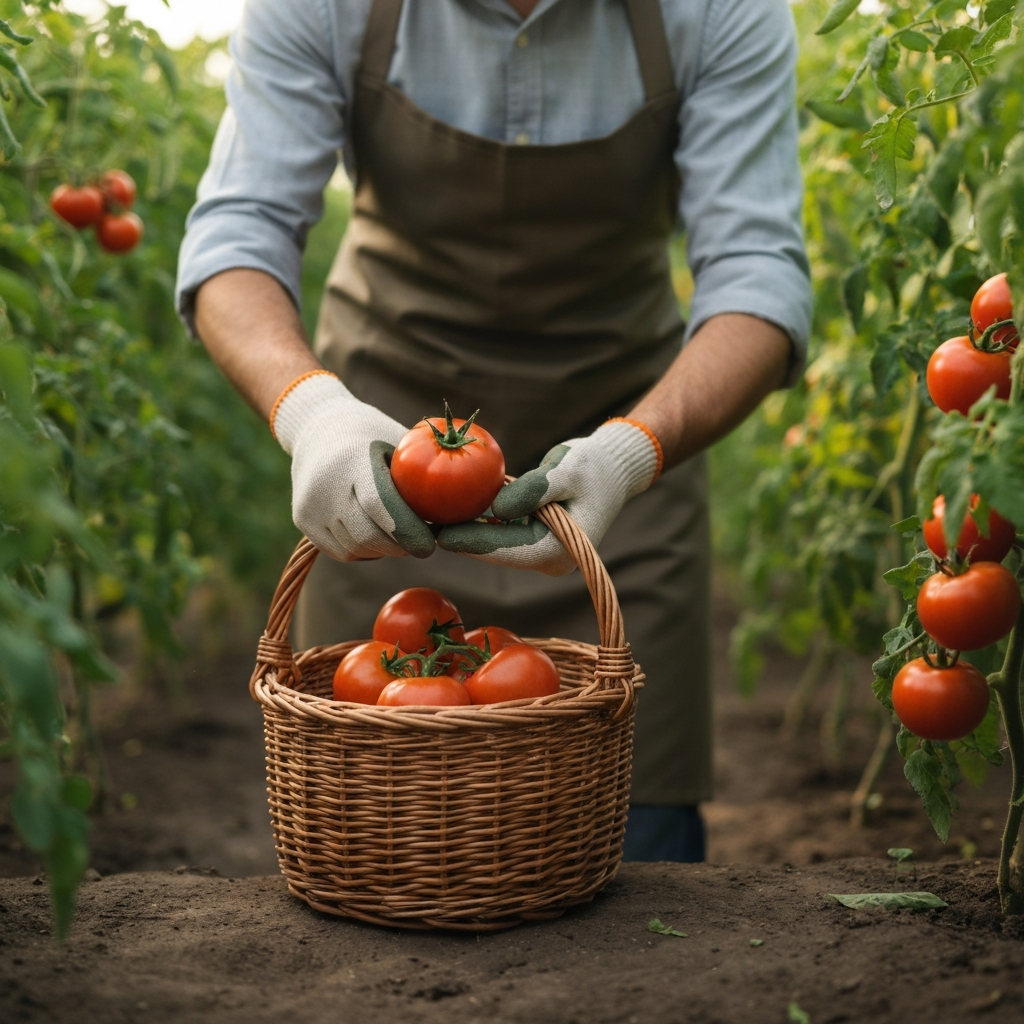
When harvesting your produce, use sharp tools to avoid damaging the plants. Carry a lightweight basket or bag to collect your harvest, and avoid overfilling it, as carrying heavy loads can strain your back. Bend your knees when lifting, and take frequent breaks to rest and stretch. Consider using a small wagon or wheelbarrow for larger harvests.
Tools or Materials Required
- Raised bed materials (wood, concrete blocks, etc.)
- High-quality soil mix
- Ergonomic gardening tools (trowel, pruners, weeder)
- Gardening stool or kneeling pad
- Drip irrigation system or soaker hoses
- Mulch
- Lightweight basket or bag
Common Mistakes to Avoid
- Overfilling raised beds, making them difficult to reach.
- Using heavy clay soil in raised beds.
- Using tools that are too heavy or the wrong size.
- Waiting too long to weed, making the task more difficult.
- Lifting heavy loads without proper form.
Safety Considerations
- Always wear gloves to protect your hands.
- Use sunscreen and a hat to protect yourself from the sun.
- Stay hydrated by drinking plenty of water.
- Take frequent breaks to avoid overexertion.
- Be aware of your physical limitations and avoid pushing yourself too hard.
FAQ Section
Q: How high should my raised beds be?
A: Aim for a height of 24-36 inches, depending on your height and comfort level.
Q: What kind of soil should I use in my raised beds?
A: Use a high-quality soil mix specifically designed for raised bed gardening, such as a blend of topsoil, compost, and peat moss or coconut coir.
Q: How often should I water my garden?
A: Water deeply but infrequently, allowing the soil to dry out slightly between waterings. Use a drip irrigation system or soaker hoses to deliver water directly to the roots of your plants.
Conclusion
Gardening like Grandma doesn't have to mean back pain and exhaustion. By embracing modern techniques, ergonomic tools, and a mindful approach, you can create a thriving garden that you can enjoy for years to come. Remember to plan your raised beds carefully, choose the right soil, invest in comfortable tools, and water wisely. With a little effort and attention to detail, you can have a beautiful and bountiful garden, without sacrificing your well-being. Now go forth and garden!