The word "religion" often conjures images of organized faiths, deities, and prescribed rituals. But at its core, religion is about a framework for understanding the world, finding meaning, and connecting with something larger than oneself. Even for atheists, the human need for these elements remains. You might find that the traditionally defined "religion" simply doesn't work for you, but acknowledging and cultivating your own personal belief system – your own "personal religion" – can be deeply fulfilling.
This guide aims to help you explore what truly matters to you and build a personal philosophy that provides structure, purpose, and a sense of belonging, all without requiring adherence to any specific dogma or deity. It's about identifying your values, creating your own rituals, and finding your own unique path to meaning. Think of it not as replacing traditional religion, but as supplementing or understanding the human need at its core.
This process is intensely personal. There's no right or wrong answer, no single path to follow. The goal is to create a system that resonates with you, provides you with comfort and direction, and helps you live a more meaningful life. This may involve borrowing elements from existing religions, philosophies, or simply forging your own unique path.
Step 1: Identify Your Core Values
Understanding your core values is the foundation of your personal religion. These are the principles that guide your decisions, shape your beliefs, and define what is important to you. Take some time for introspection and identify the values that are non-negotiable in your life. What truly matters to you, irrespective of external pressures or societal expectations?

Step 2: Explore Different Philosophies and Ethical Frameworks
Even if you reject traditional religion, you can still find wisdom and guidance in philosophical and ethical systems. Consider exploring Stoicism, Buddhism (often practiced as a philosophy rather than a religion), humanism, existentialism, or even scientific materialism. Read about their core tenets and see which resonate with your own values and worldview. Don't be afraid to mix and match concepts from different systems to create something uniquely your own.

Step 3: Define Your Rituals and Practices
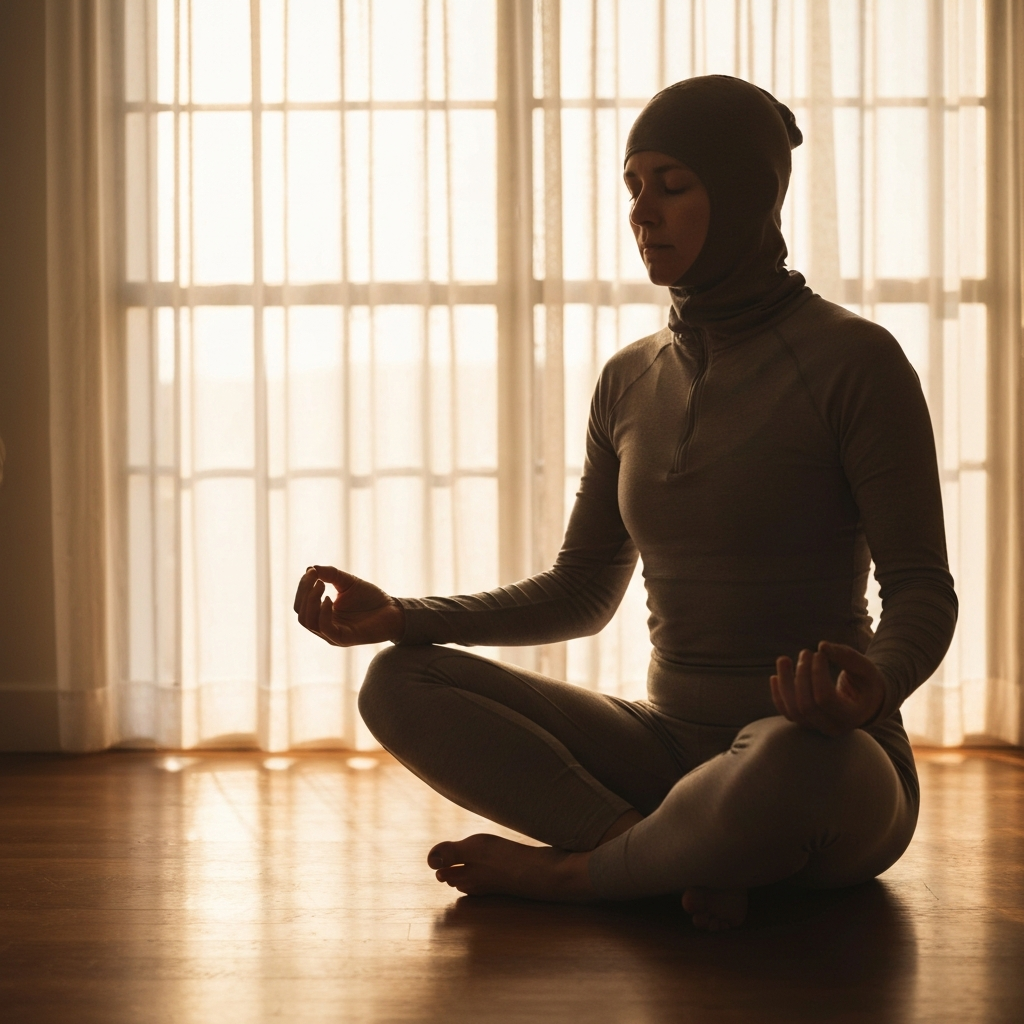
Rituals aren't just for organized religions; they are fundamental to human experience. They provide structure, comfort, and a sense of connection. Develop personal rituals that reinforce your values and provide you with a sense of grounding. This could be anything from a daily meditation practice to a weekly nature walk to a yearly act of service. The key is to make these rituals meaningful and intentional.
Step 4: Find Your Community (or Create Your Own)
Humans are social creatures, and even atheists benefit from a sense of community. This doesn't necessarily mean joining a formal organization. It could mean connecting with like-minded individuals through shared interests, volunteering for a cause you believe in, or simply cultivating meaningful relationships with friends and family. The goal is to find a sense of belonging and shared purpose. You can even start your own group if you can't find one that fits.

Step 5: Embrace the Unknown and Cultivate Curiosity
Atheism often stems from a rejection of blind faith and a desire for evidence-based understanding. However, the universe is full of mysteries that science has yet to unravel. Embrace the unknown with curiosity and a willingness to learn. Continuously seek new knowledge, challenge your assumptions, and remain open to new perspectives. This intellectual humility is crucial for personal growth and a deeper understanding of the world.

Step 6: Practice Mindfulness and Self-Compassion
A key aspect of any fulfilling belief system is the cultivation of inner peace and well-being. Practice mindfulness by paying attention to the present moment without judgment. Develop self-compassion by treating yourself with the same kindness and understanding that you would offer to a friend. These practices can help you navigate life's challenges with greater resilience and equanimity.

Step 7: Define Your Ethics and Moral Code
Without religious dogma, you are responsible for defining your own ethical framework. Consider the consequences of your actions and strive to live in accordance with your values. Ask yourself what kind of person you want to be and how you can contribute to a more just and compassionate world. This isn't about following rules, but about consciously choosing to act in ways that align with your deepest convictions.

Common Mistakes to Avoid
- Dogmatism in Disguise: Avoid simply replacing religious dogma with an equally rigid set of atheist beliefs. Stay open-minded and willing to reconsider your perspectives.
- Ignoring the Need for Meaning: Don't dismiss the human need for purpose and connection. Acknowledge and address these needs through your personal philosophy.
- Isolation: Build a supportive community to avoid feeling isolated or alienated.
FAQ Section
Q: Does this mean I'm creating my own religion?
A: Not necessarily. You're creating a personal philosophy to guide your life, which may or may not resemble traditional religion.
Q: Is this just a way to avoid thinking about death?
A: Facing mortality is a part of any robust belief system. Your personal religion can help you grapple with existential questions, but it's not solely about avoiding discomfort.
Q: What if my values change?
A: Your personal religion should be a living, evolving system. Be open to adapting your beliefs and practices as you grow and learn. It's designed to serve you, not the other way around.
Conclusion
Finding your personal religion, even as an atheist, is about more than just rejecting traditional belief systems. It's about actively constructing a framework for understanding the world, finding meaning, and living a life that aligns with your core values. By exploring different philosophies, defining your own rituals, cultivating a sense of community, and embracing the unknown, you can create a personal system that provides structure, comfort, and direction. Remember, this is a journey of self-discovery, and the most important thing is to create a system that resonates with you.