In a world that constantly demands our attention, filled with distractions and noise, finding inner peace and a sense of purpose can feel like an elusive goal. Many ancient traditions and philosophical schools offer pathways towards this "center," a state of equilibrium and groundedness that allows us to navigate life's complexities with clarity and resilience. This guide serves as a practical introduction to incorporating philosophical principles into your daily life, helping you cultivate a deeper understanding of yourself and the world around you.
Practical philosophy isn't about abstract theories or academic debates; it's about applying wisdom to your everyday experiences. It's about learning to observe your thoughts and emotions without judgment, questioning your assumptions, and making conscious choices aligned with your values. It's a journey of self-discovery that empowers you to live a more meaningful and fulfilling life. This guide explores basic ideas and methods to bring the profound wisdom of the ages into the everyday, focusing on achievable practices that deliver palpable results.
By exploring the core principles of mindfulness, stoicism, and self-reflection, you'll gain valuable tools for navigating challenges, making decisions, and cultivating a greater sense of inner peace. Remember, finding your center is a lifelong journey, not a destination. Be patient with yourself, embrace the process, and allow these philosophical principles to guide you towards a more balanced and authentic existence.
Step 1: Cultivate Mindfulness Through Meditation
Creating a Regular Meditation Practice
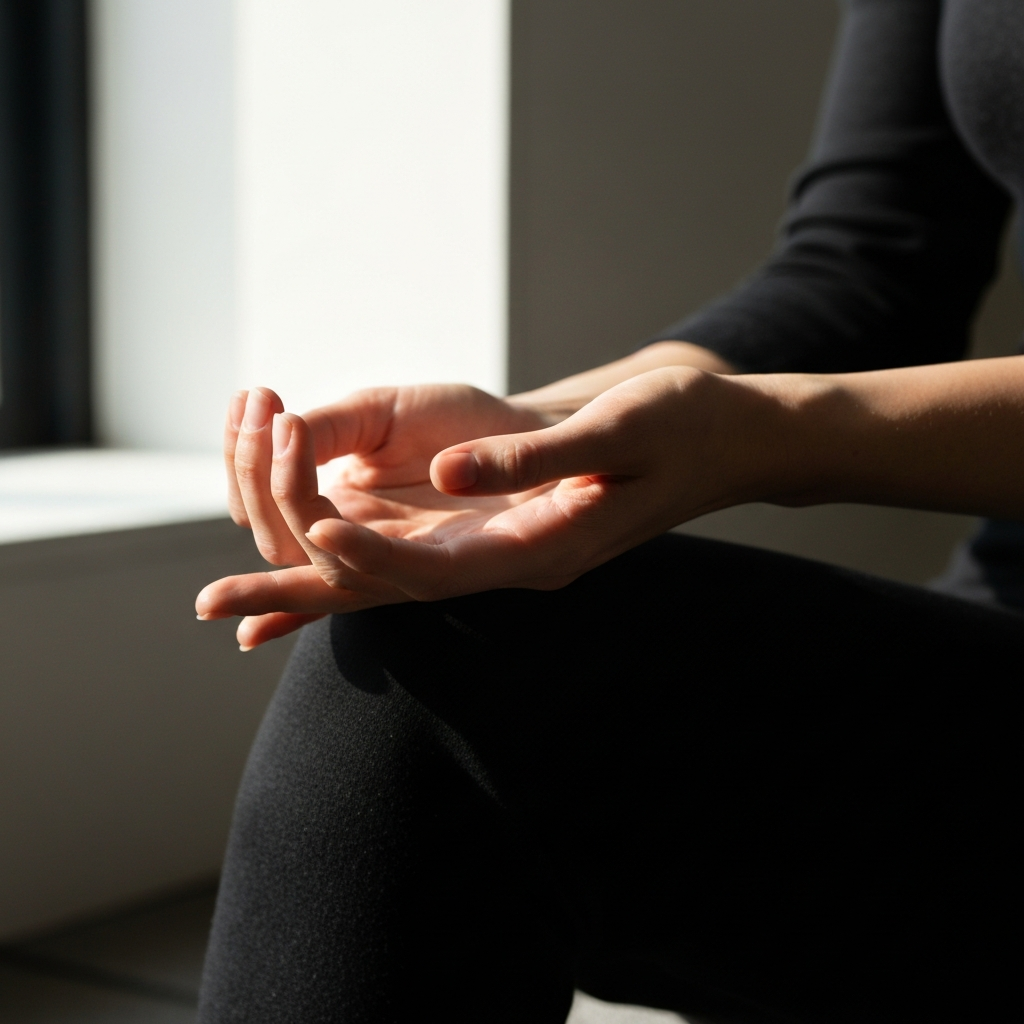
Mindfulness is the practice of paying attention to the present moment without judgment. It's about observing your thoughts, feelings, and sensations as they arise and pass away, without getting caught up in them. Meditation is a powerful tool for cultivating mindfulness. Even just a few minutes of daily meditation can have a profound impact on your ability to stay grounded and centered. Start by finding a quiet space where you won't be disturbed. Sit comfortably, either on a cushion or a chair, with your spine relatively straight. Close your eyes gently and focus on your breath. Notice the sensation of the air entering and leaving your body. When your mind wanders, as it inevitably will, gently redirect your attention back to your breath.
Practical Details
Start with just 5-10 minutes of meditation each day and gradually increase the duration as you become more comfortable. There are also many guided meditation apps and online resources available to help you get started. The key is consistency, so try to establish a regular routine. Don't worry about "doing it right." The goal is simply to observe your thoughts and feelings without judgment. It's normal for your mind to wander, so just gently bring your attention back to your breath each time.
Common Mistakes to Avoid
One of the most common mistakes beginners make is trying to stop their thoughts. This is counterproductive. Instead, simply observe your thoughts as they arise, acknowledge them, and then gently redirect your attention back to your breath. Another mistake is being too hard on yourself when your mind wanders. It's natural for your mind to wander, so just be patient and persistent.
Step 2: Practice Stoic Philosophy in Daily Life
Embracing What You Can Control
Stoicism is an ancient philosophy that emphasizes the importance of virtue, reason, and acceptance. A central tenet of Stoicism is understanding the difference between what you can control and what you cannot. Focus your energy on the things you can control, such as your thoughts, actions, and reactions. Accept the things you cannot control, such as the weather, other people's behavior, and external events. This distinction is key to reducing stress and cultivating inner peace.

Practical Details
Start by identifying the things in your life that cause you stress or anxiety. Then, ask yourself whether you can control those things. If you can, take action to address them. If you cannot, practice accepting them. One helpful technique is to write down the things you are grateful for each day. This can help you to appreciate the good things in your life and to cultivate a more positive outlook.
Common Mistakes to Avoid
A common mistake is trying to control everything. This is impossible and will only lead to frustration. Another mistake is dwelling on the things you cannot control. Instead, focus your energy on the things you can control and accept the things you cannot. Remember the serenity prayer: "Grant me the serenity to accept the things I cannot change, courage to change the things I can, and wisdom to know the difference."
Step 3: Engage in Regular Self-Reflection
Journaling and Questioning Your Assumptions
Self-reflection is the process of examining your thoughts, feelings, and behaviors. It's about taking the time to understand yourself better, identify your values, and assess whether you are living in alignment with them. One of the most effective ways to engage in self-reflection is through journaling. Write about your experiences, your thoughts, and your feelings. Ask yourself questions such as: "What am I grateful for?" "What am I struggling with?" "What are my values?" "Am I living in alignment with my values?" Question your assumptions. Are they based on facts or simply on your beliefs?

Practical Details
Set aside some time each day or each week for self-reflection. Even just 15-20 minutes can be beneficial. Find a quiet space where you won't be disturbed. Be honest with yourself. Don't be afraid to confront your shortcomings or to challenge your assumptions. The goal is to gain a deeper understanding of yourself and to make conscious choices that align with your values.
Pro Tips
Consider using prompts to guide your self-reflection. For example, you could ask yourself: "What is one thing I learned today?" "What is one thing I could have done better?" "What am I looking forward to?" You can also use self-reflection to prepare for difficult conversations or to process challenging experiences.
Step 4: Embrace Yoga and Mindful Movement
Connecting Body and Mind
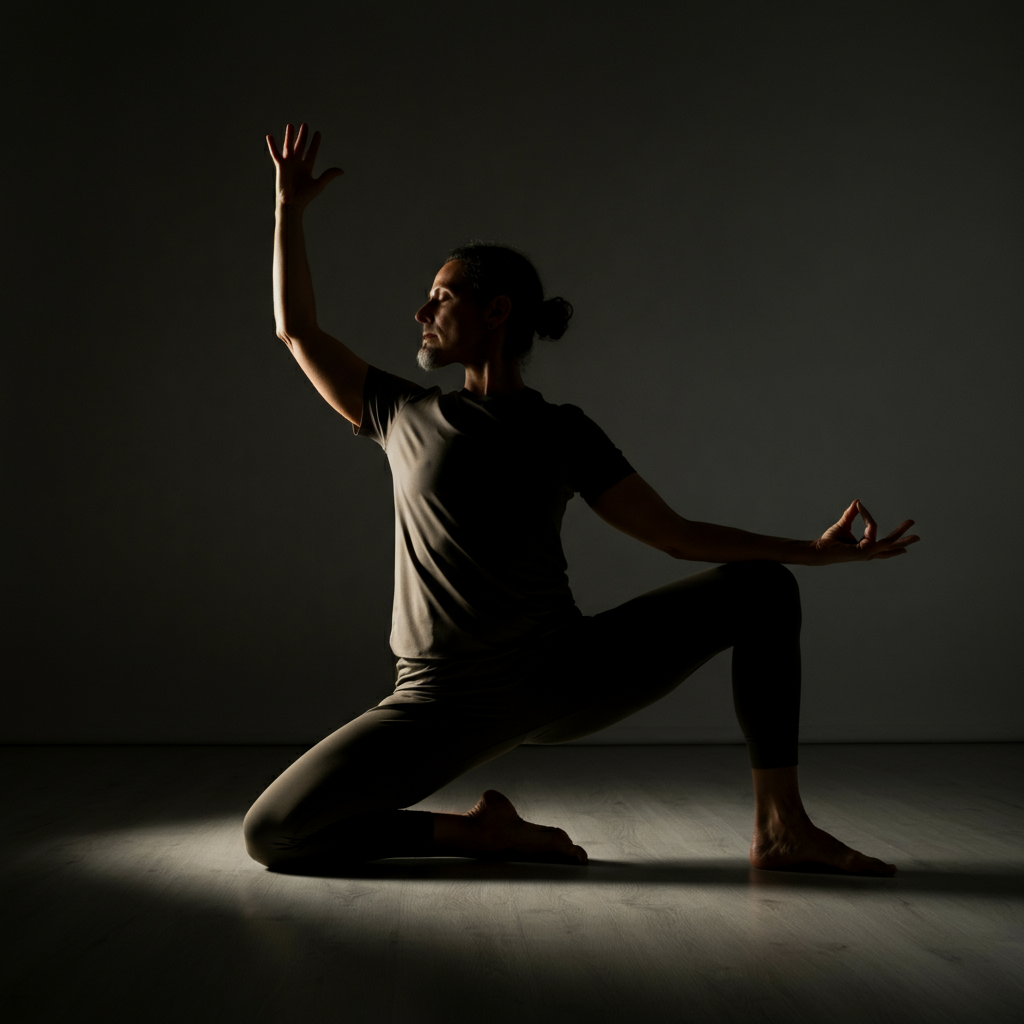
Yoga is a practice that combines physical postures, breathing techniques, and meditation. It's a powerful tool for connecting your body and mind and for cultivating a greater sense of awareness. The physical postures help to release tension in your body, while the breathing techniques help to calm your mind. The meditation aspect of yoga helps you to cultivate mindfulness and to connect with your inner self. As the study research data suggests, yoga, including physical poses and breathing, can be a great step in your commitment to finding inner balance.
Practical Details
Enroll in a yoga class, start with beginner classes. Learn basic poses, pay attention to your breathing, and don't push yourself too hard. If you can't afford a class, use a beginner’s yoga DVD. Most importantly, relax. Remember, the aim of yoga is to quiet the mind and increase discernment, consciousness, and self-awareness.
Tools or Materials Required
Yoga mat, comfortable clothing.
Step 5: Cultivate Gratitude and Compassion
Recognizing the Good in Your Life and Connecting with Others
Gratitude is the practice of appreciating the good things in your life, both big and small. It's about taking the time to notice and acknowledge the things you are thankful for. Compassion is the practice of caring for others, especially those who are suffering. Cultivating gratitude and compassion can help you to connect with others, to appreciate the beauty of the world, and to find greater meaning in your life.

Practical Details
Keep a gratitude journal and write down the things you are thankful for each day. Volunteer your time to help others. Practice random acts of kindness. Send a thank-you note to someone who has made a difference in your life. Remember, kindness begins with you.
FAQ Section
Q: How long does it take to find your center?
A: Finding your center is a lifelong journey, not a destination. Be patient with yourself and embrace the process.
Q: What if I don't have time for all of these practices?
A: Start with just one or two practices and gradually incorporate others as you become more comfortable. Even just a few minutes of daily practice can make a difference.
Q: What if I feel like I'm not making any progress?
A: Don't get discouraged. Progress is not always linear. There will be times when you feel like you're making great strides and other times when you feel like you're stuck. Just keep practicing and trust the process.
Conclusion
Finding your center is a journey of self-discovery that requires patience, persistence, and a willingness to embrace new perspectives. By incorporating mindfulness, Stoicism, self-reflection, yoga, gratitude, and compassion into your daily life, you can cultivate a greater sense of inner peace, resilience, and purpose. Remember, the key is to start small, be consistent, and be kind to yourself. Embrace the process and allow these philosophical principles to guide you towards a more balanced and authentic existence. The journey of a thousand miles begins with a single step.