Creating a garden that exudes tranquility and promotes positive energy flow is achievable through the principles of Feng Shui. This ancient Chinese practice focuses on harmonizing individuals with their surrounding environment. By applying Feng Shui principles to your garden, you can transform it into a personal sanctuary where you can relax, rejuvenate, and connect with nature. It’s more than just aesthetics; it's about fostering a space that supports your well-being.
The aim is to achieve balance and harmony in your outdoor space by carefully considering the placement of elements, colors, and materials. A well-Feng Shui'd garden isn’t just beautiful; it's a powerful tool for improving your life by attracting positive Chi (energy). Get ready to embark on a journey that will transform your garden into an oasis of calm and positive energy. This guide will provide practical steps and expert advice to help you achieve maximum Zen in your garden.
Step 1: Understanding the Bagua Map
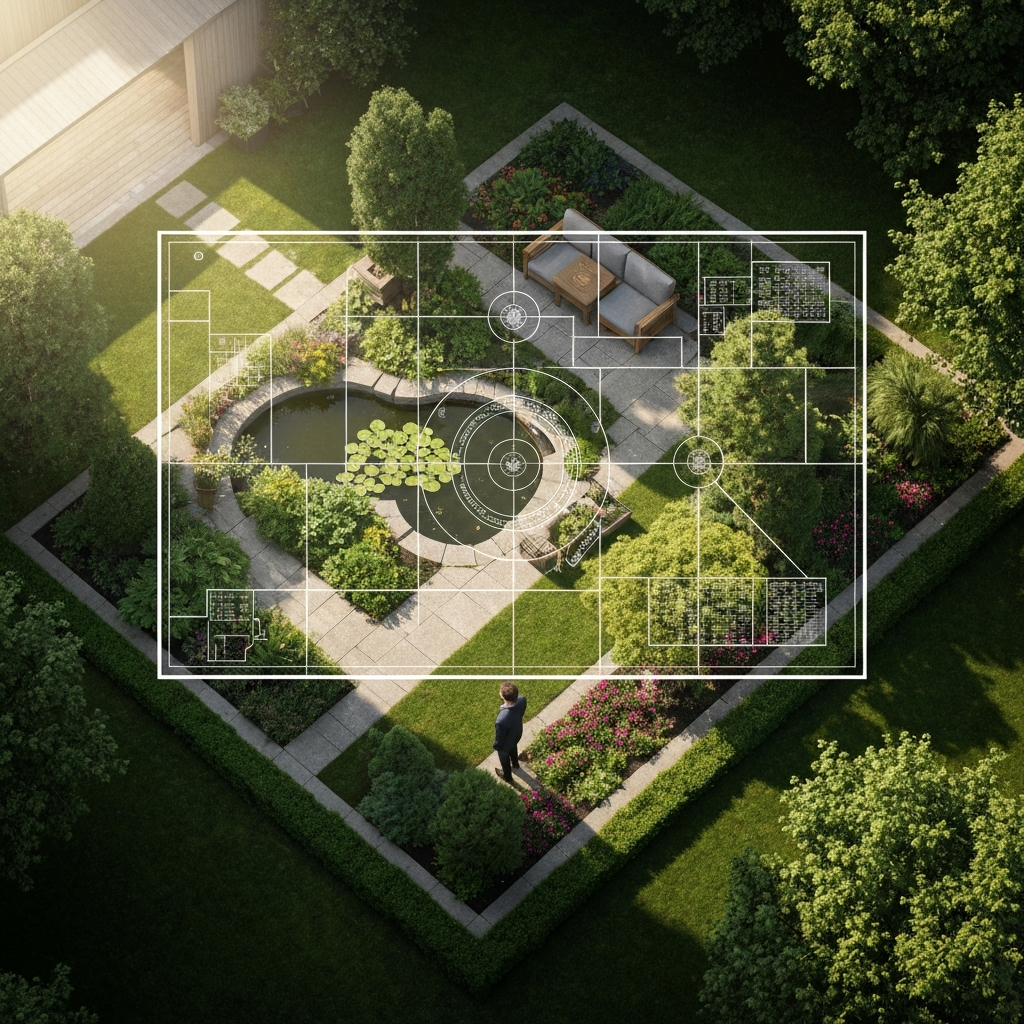
Understanding the Bagua Map is the cornerstone of Feng Shui design. The Bagua is an octagonal grid that represents different areas of your life: Career, Knowledge, Family, Wealth, Fame, Love, Children, and Helpful People. Superimposing the Bagua map onto your garden layout allows you to identify which areas of your garden correspond to specific aspects of your life. You can then strategically enhance these areas to attract positive energy and improve your well-being. For example, the Wealth area is traditionally associated with purple and water features. The Family area is tied to greens and wood. Properly orienting your Bagua is crucial; align the bottom edge with the main entrance to your garden or home.
Step 2: Clearing Clutter and Obstructions
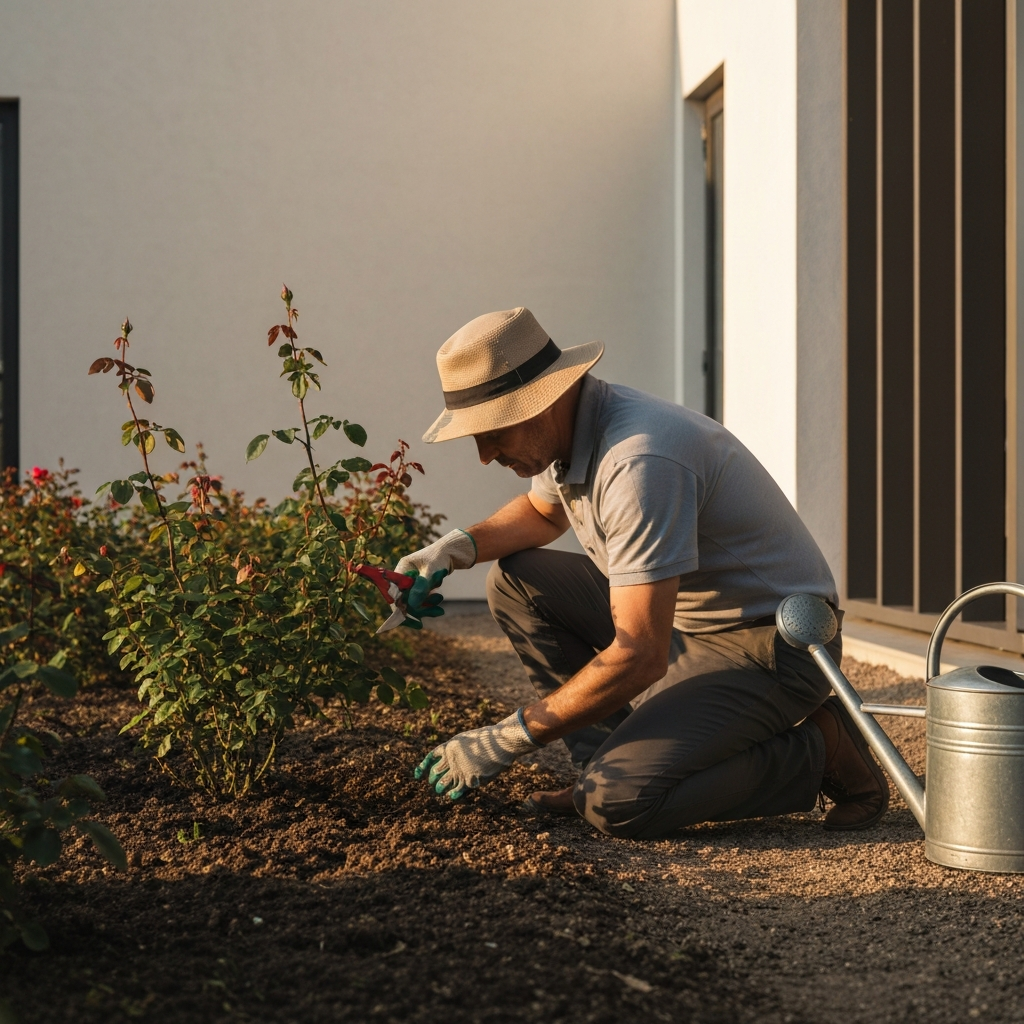
Clutter creates stagnant energy, hindering the flow of positive Chi. This is especially true in your garden. Begin by removing any dead plants, broken furniture, or unused items that are taking up space. Overgrown areas should be trimmed back to allow for easy movement and prevent the accumulation of negative energy. Obstructions in pathways can also impede the flow of Chi, so ensure that your garden paths are clear and easily navigable. This may involve relocating large rocks or reorganizing potted plants.
Step 3: Incorporating the Five Elements
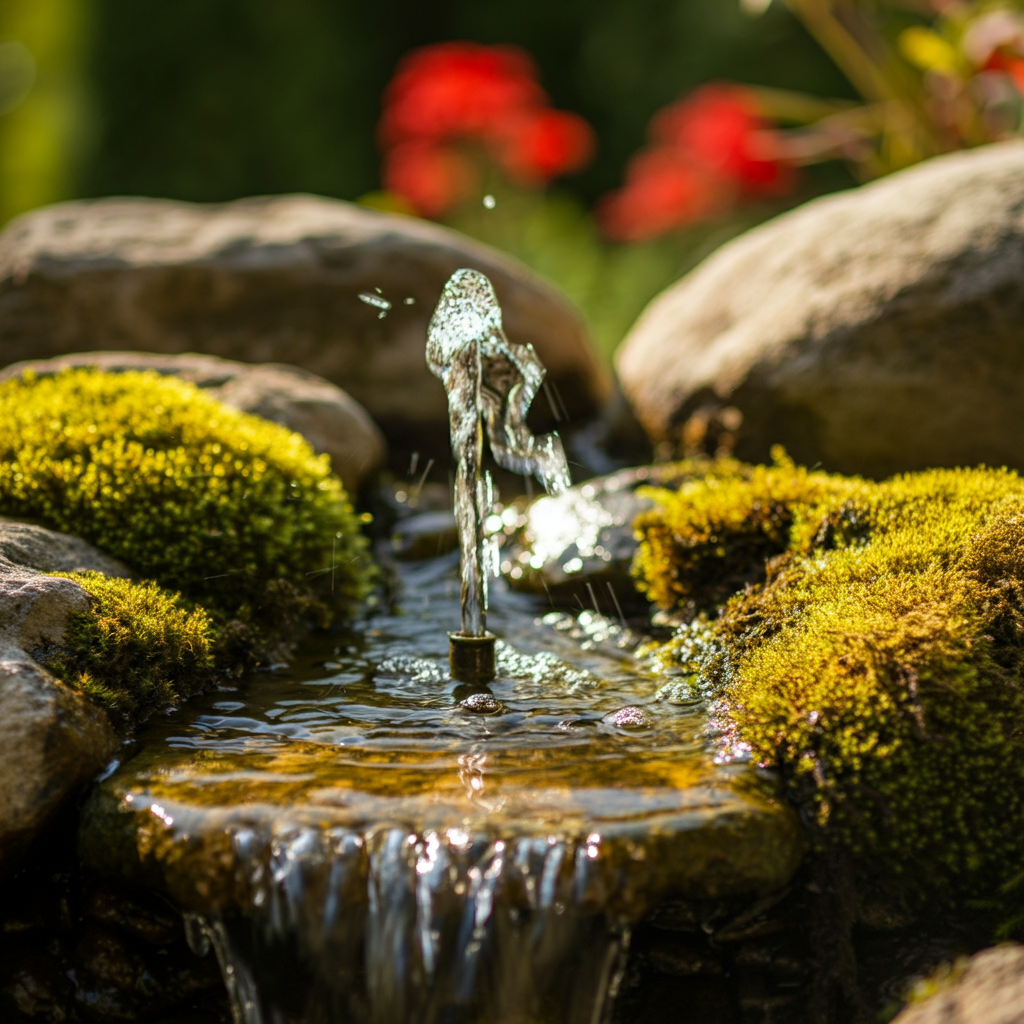
The five elements – Wood, Fire, Earth, Metal, and Water – are fundamental to Feng Shui. Each element represents different aspects of life and has its own unique characteristics. Integrating all five elements into your garden creates balance and harmony. Wood is represented by plants and trees; Fire by bright colors like red and orange, and potentially a fire pit; Earth by rocks and soil; Metal by metallic structures or decorative objects; and Water by ponds, fountains, or even bird baths. The key is to use the elements in a balanced way, avoiding any one element from dominating the space. Consider the cyclical relationships between the elements: Wood fuels Fire, Fire creates Earth (ashes), Earth bears Metal, Metal collects Water, and Water nourishes Wood.
Step 4: Balancing Yin and Yang
Yin and Yang are opposing but complementary forces that represent the duality of nature. Yin is associated with darkness, coolness, stillness, and femininity, while Yang is associated with light, warmth, activity, and masculinity. A well-balanced garden incorporates both Yin and Yang elements to create a harmonious and inviting space. Yin elements might include shady areas, smooth textures, and calming colors, while Yang elements might include sunny areas, vibrant colors, and vertical structures. Achieving balance might involve planting a shade tree near a sunny seating area, or pairing smooth stones with rough-textured gravel.

Step 5: Creating a Focal Point
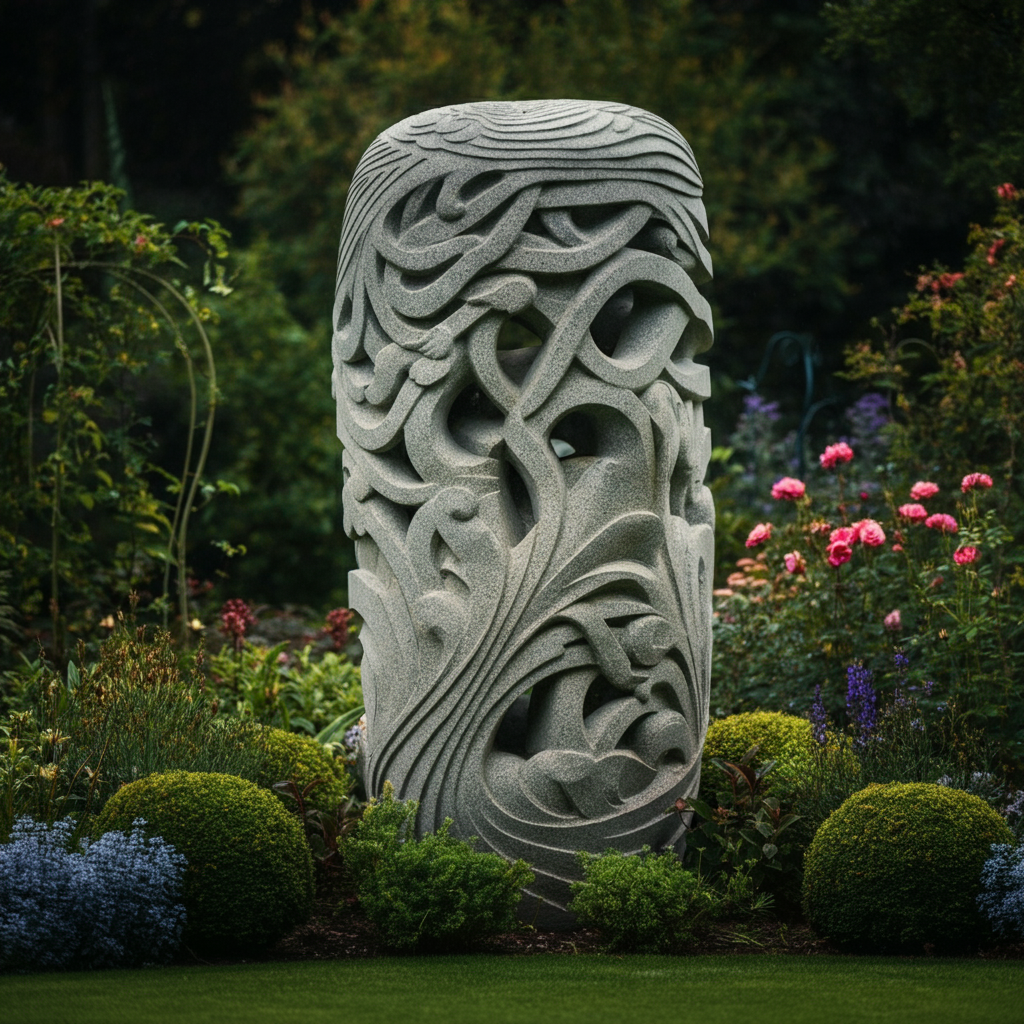
A focal point draws the eye and creates a sense of order and visual interest in your garden. This could be a striking sculpture, a beautiful water feature, a vibrant flower bed, or a carefully chosen tree. The focal point should be positioned in a way that commands attention and enhances the overall aesthetic of the garden. Consider the size and scale of your garden when selecting a focal point, ensuring that it is proportionate to the surrounding space. Avoid creating too many competing focal points, as this can create visual clutter and detract from the overall harmony of the garden.
Step 6: Choosing Colors Wisely
Color plays a significant role in Feng Shui, as different colors are associated with different emotions and energies. Choose colors that resonate with you and that align with the desired energy for each area of your garden. Red is associated with passion and energy; yellow with happiness and optimism; green with growth and vitality; blue with calmness and peace; and purple with wealth and spirituality. Use color strategically to enhance the energy of specific areas of your garden. For example, you might use red flowers near the entrance to attract positive energy, or blue flowers in a relaxation area to promote calmness.

Step 7: Using Sound to Enhance Chi
Sound can have a powerful effect on the energy of your garden. Incorporating gentle and harmonious sounds can help to create a relaxing and uplifting atmosphere. Wind chimes, flowing water, and the gentle rustling of leaves can all contribute to a positive and peaceful energy flow. Avoid harsh or jarring sounds, such as traffic noise or loud machinery, as these can disrupt the flow of Chi and create a sense of unease. Consider the placement of sound elements carefully, ensuring that they are positioned in a way that enhances the overall harmony of the garden.

Step 8: Creating Pathways for Energy Flow
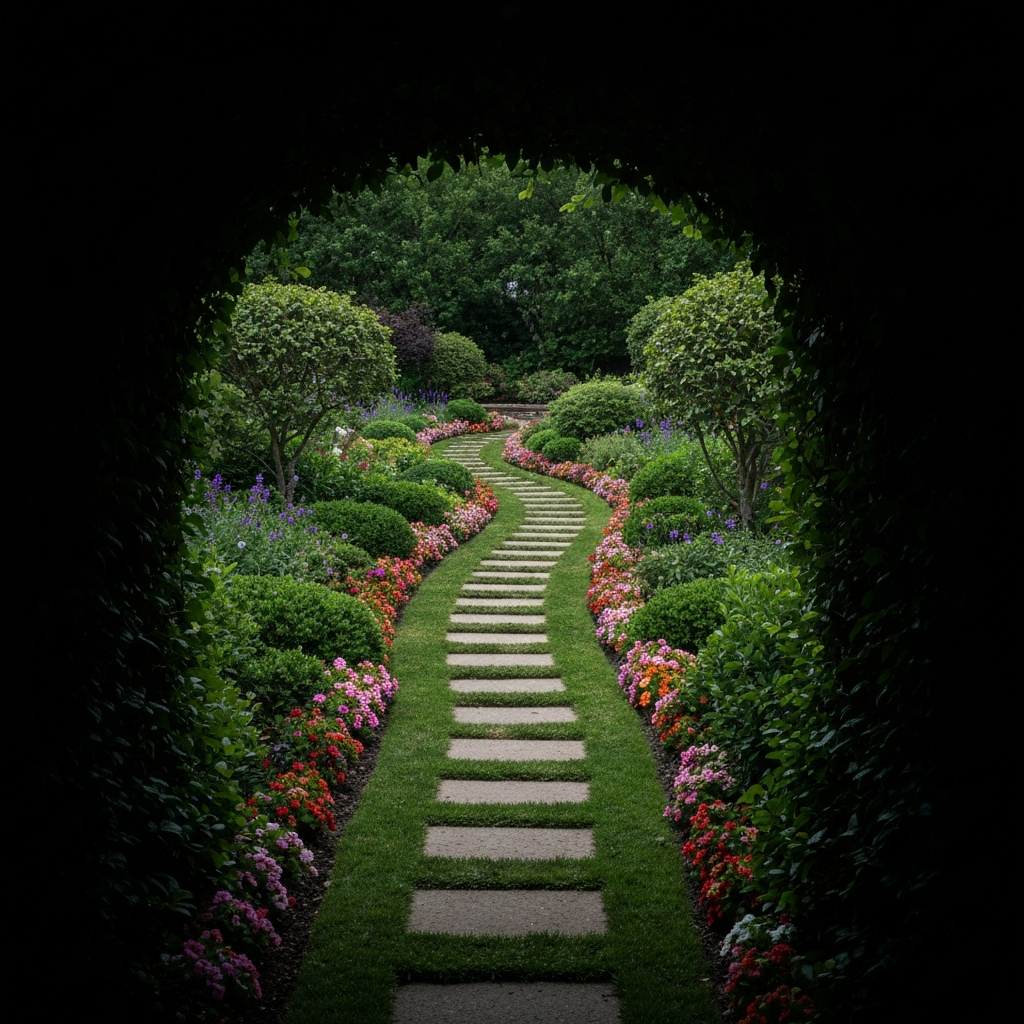
Pathways guide the flow of Chi through your garden. They should be well-defined, easily navigable, and free of obstructions. Curving pathways are generally preferred over straight pathways, as they encourage a more gentle and meandering flow of energy. Avoid creating pathways that lead directly to dead ends, as this can create stagnant energy. Consider the materials you use for your pathways, choosing materials that are natural and harmonious with the surrounding environment. Stone, gravel, and wood are all good choices.
Tools or Materials Required
- Gardening Gloves
- Pruning Shears
- Shovel
- Rake
- Watering Can
- Wind Chimes
- Bagua Map
- Plants
- Pond/Water Feature Materials
- Outdoor Furniture
- Decorative Stones/Rocks
Common Mistakes to Avoid
- Ignoring the Bagua map orientation.
- Overcrowding the garden with too many elements.
- Neglecting to clear clutter and dead plants.
- Using too much of one element and not balancing all five.
- Creating pathways that lead to dead ends.
Pro Tips
Regularly tend to your garden. Weeding and pruning not only keep it looking beautiful but also help maintain a healthy flow of energy. Don't be afraid to experiment with different layouts and elements until you find what works best for you and your personal energy. Trust your intuition and create a space that feels truly authentic and harmonious.
FAQ Section
Q: How often should I Feng Shui my garden?
A: Regularly! A quick tidy and energy refresh every season is ideal. A deeper assessment using the Bagua map could be done annually.
Q: What if I have a small garden?
A: The principles of Feng Shui can be applied to gardens of any size. Focus on maximizing the space you have and creating a sense of balance and harmony.
Q: Can I use artificial plants in my Feng Shui garden?
A: While real plants are preferred, high-quality artificial plants can be used as a substitute in areas where real plants may not thrive. Make sure they look realistic and are well-maintained.
Conclusion
By following these steps, you can transform your garden into a sanctuary of peace and positive energy. Remember that Feng Shui is a personal practice, so feel free to adapt these principles to suit your own needs and preferences. The key is to create a space that feels harmonious, balanced, and supportive of your well-being. Enjoy the journey of creating your own Zen garden and reaping the rewards of a tranquil and revitalizing outdoor space.