Water conservation is no longer just a trend; it's a necessity. Designing a drought-tolerant landscape allows you to create a beautiful, thriving outdoor space while significantly reducing your water consumption and environmental impact. This guide provides a comprehensive, step-by-step approach to transforming your yard into a sustainable and visually stunning dreamscape that can withstand even the harshest dry spells. It's about making smart choices, from plant selection to irrigation techniques, to build a garden that's both beautiful and responsible.
Imagine a vibrant landscape bursting with color and texture, all while using minimal water. This isn't just a pipe dream; it's achievable with careful planning and execution. By understanding the principles of drought tolerance and implementing practical strategies, you can cultivate a garden that not only survives but thrives in arid conditions. Let's dive into the process of creating your own water-wise paradise.
This guide will walk you through every stage of the process, offering expert insights and practical tips to ensure your success. From assessing your site's specific conditions to choosing the right plants and implementing efficient irrigation systems, we'll cover everything you need to know to design and maintain a stunning drought-tolerant landscape.
Step 1: Assess Your Site and Soil
Before you even think about planting, you need to understand your site's specific conditions. This involves analyzing your soil type, sun exposure, and drainage patterns. Knowing your soil type is crucial as it will determine the plants that will thrive in your landscape. Is it sandy, loamy, or clay? Conduct a simple jar test to determine the composition. Observe how the sun moves across your yard throughout the day to identify areas that receive full sun, partial shade, or full shade. Poor drainage can lead to root rot, even in drought-tolerant plants, so identify areas where water tends to pool after rain.

Step 2: Plan Your Design
With a thorough understanding of your site, you can now start planning your design. Sketch out a rough layout of your yard, noting existing features like trees, patios, and pathways. Consider the overall style you want to achieve – a Mediterranean garden, a desert oasis, or a native plant haven? Decide on the key areas you want to focus on, such as a seating area, a rock garden, or a wildflower meadow. Think about the color palette you want to use and how different plant textures will complement each other. Don't forget to factor in the mature size of your plants to avoid overcrowding in the future.

Step 3: Select Drought-Tolerant Plants
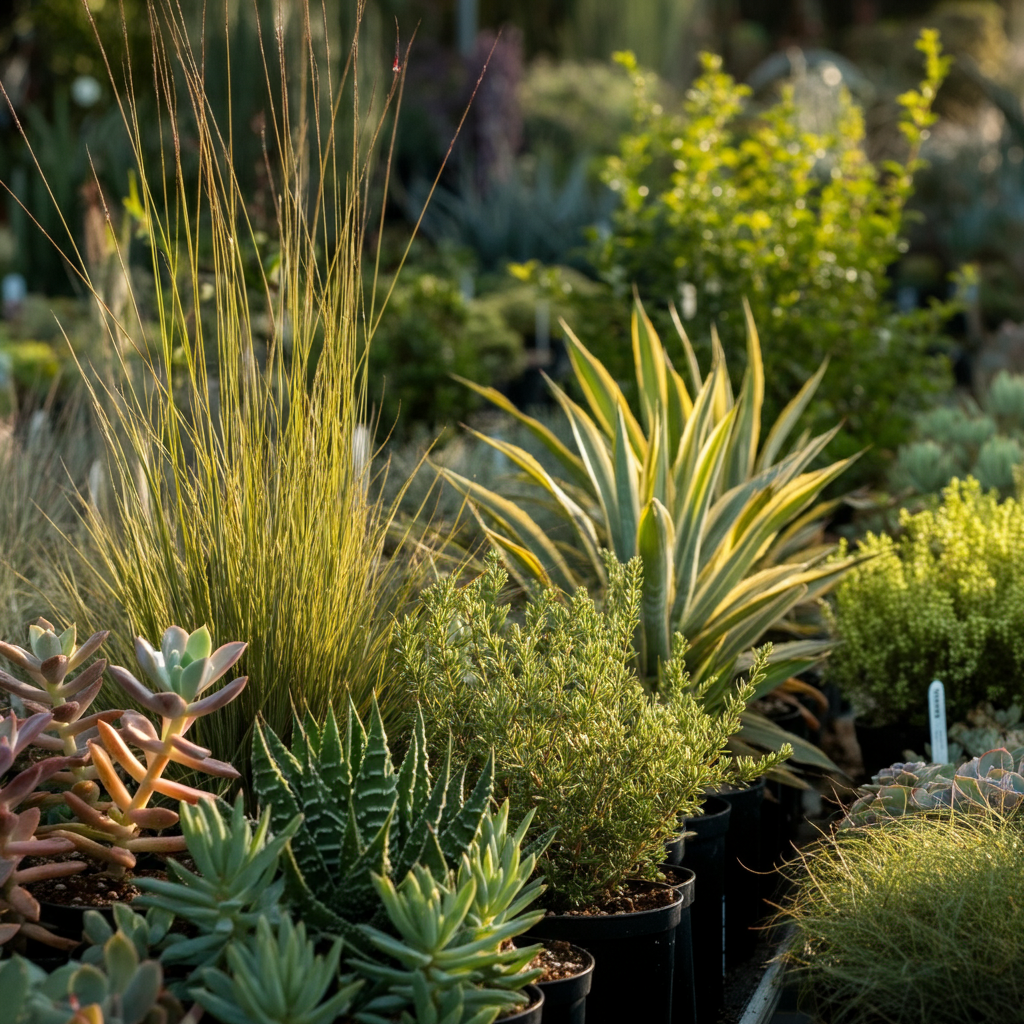
Choosing the right plants is the cornerstone of a successful drought-tolerant landscape. Opt for native plants whenever possible, as they are naturally adapted to your local climate and soil conditions. Look for plants with silver or gray foliage, small leaves, or deep roots, as these are all adaptations to conserve water. Some excellent choices include succulents, cacti, ornamental grasses, and native shrubs. Research the specific water requirements of each plant before you buy it and group plants with similar needs together. Consider the bloom times of different plants to ensure year-round color and interest in your garden.
Step 4: Prepare the Soil
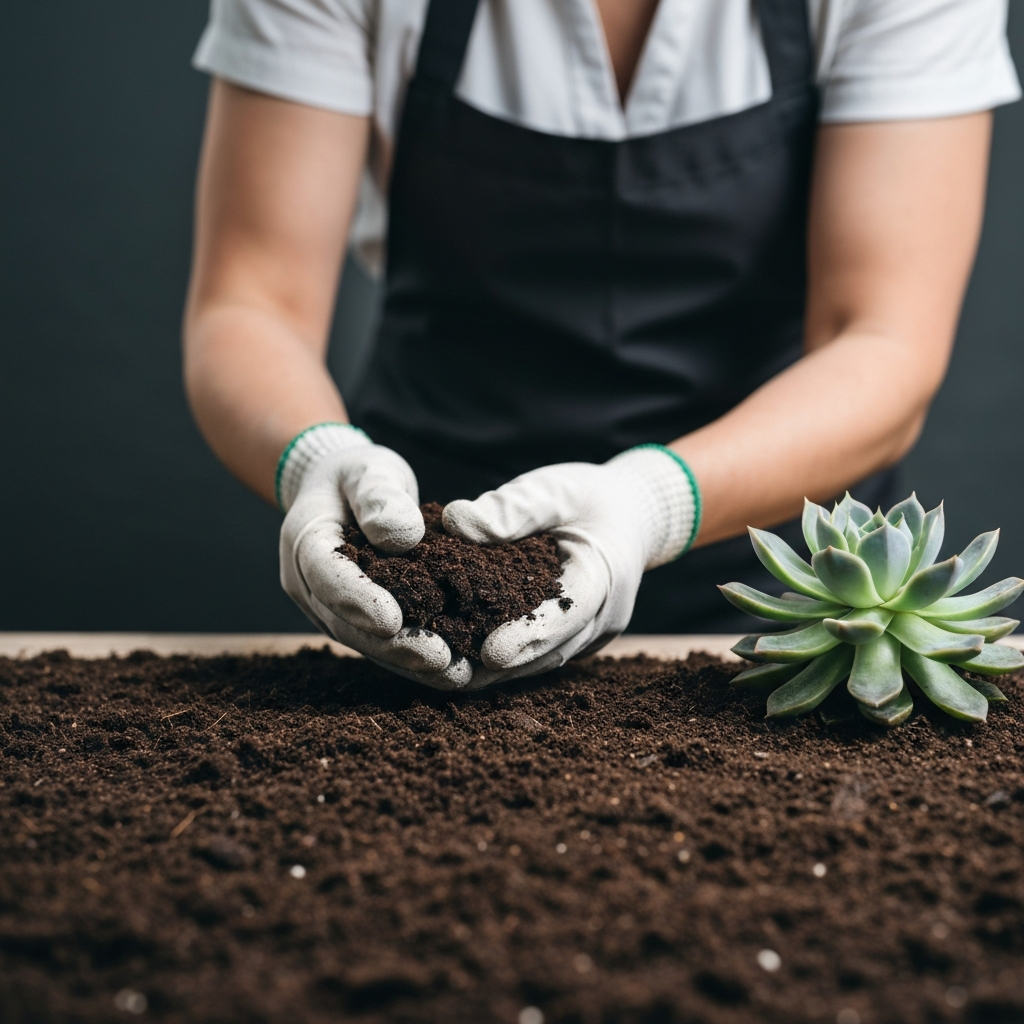
Even drought-tolerant plants benefit from good soil preparation. Amend your soil with organic matter, such as compost or well-rotted manure, to improve its water-holding capacity and drainage. This is especially important if you have clay soil, which tends to compact easily. Consider adding a layer of mulch around your plants to help retain moisture, suppress weeds, and regulate soil temperature. Choose an organic mulch, such as wood chips or shredded bark, which will decompose over time and further enrich the soil. Avoid using gravel or rocks as mulch, as they can heat up the soil and stress your plants.
Step 5: Install Efficient Irrigation
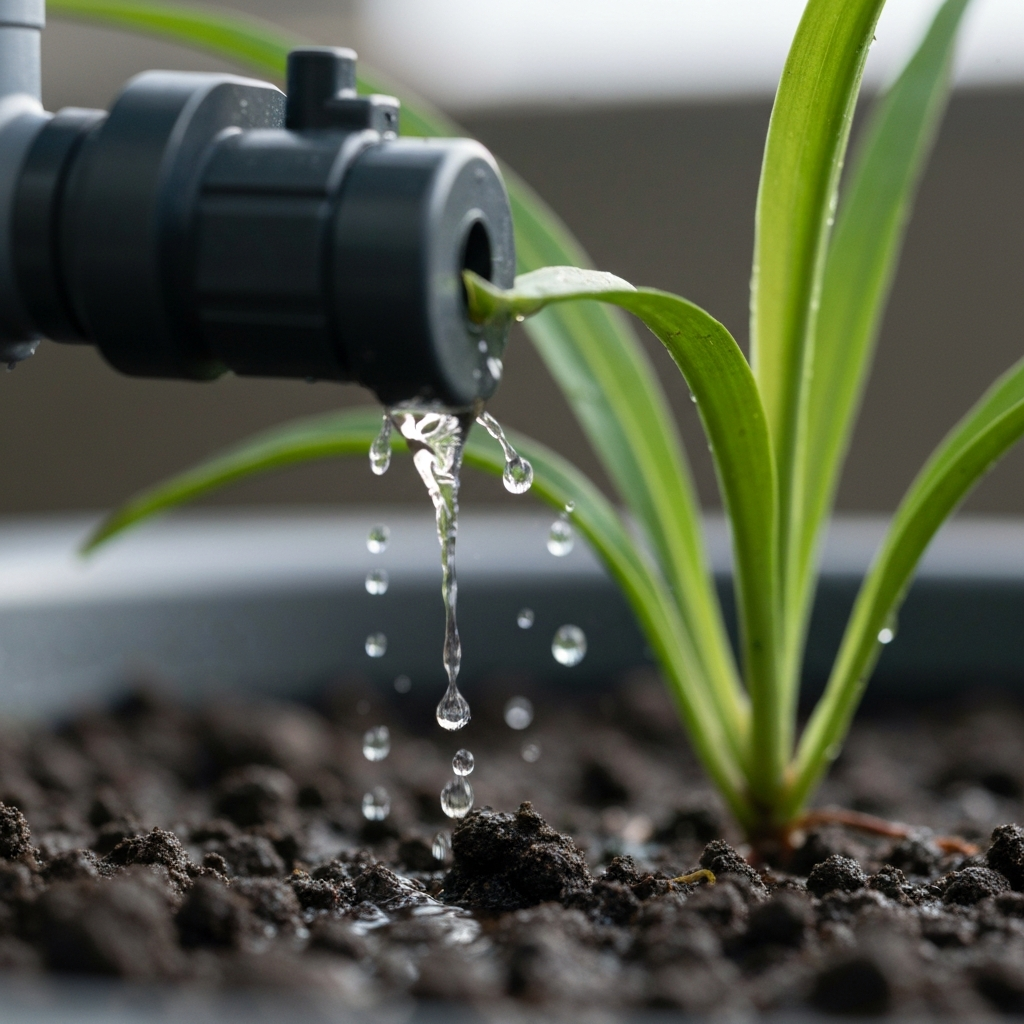
While drought-tolerant plants require less water, they still need some irrigation, especially during the establishment phase. Drip irrigation and soaker hoses are the most efficient methods of delivering water directly to the roots of your plants, minimizing water loss through evaporation. Avoid using overhead sprinklers, as they waste water and can promote fungal diseases. Install a smart irrigation controller that adjusts watering schedules based on weather conditions and soil moisture levels. Water deeply but infrequently to encourage deep root growth, which will make your plants more resilient to drought. Check your irrigation system regularly for leaks and clogs.
Tools or Materials Required
- Shovel
- Trowel
- Gardening Gloves
- Compost or Well-Rotted Manure
- Drought-Tolerant Plants
- Drip Irrigation System or Soaker Hoses
- Mulch
- Soil Testing Kit (Optional)
- Smart Irrigation Controller (Optional)
Step 6: Mulch and Maintain
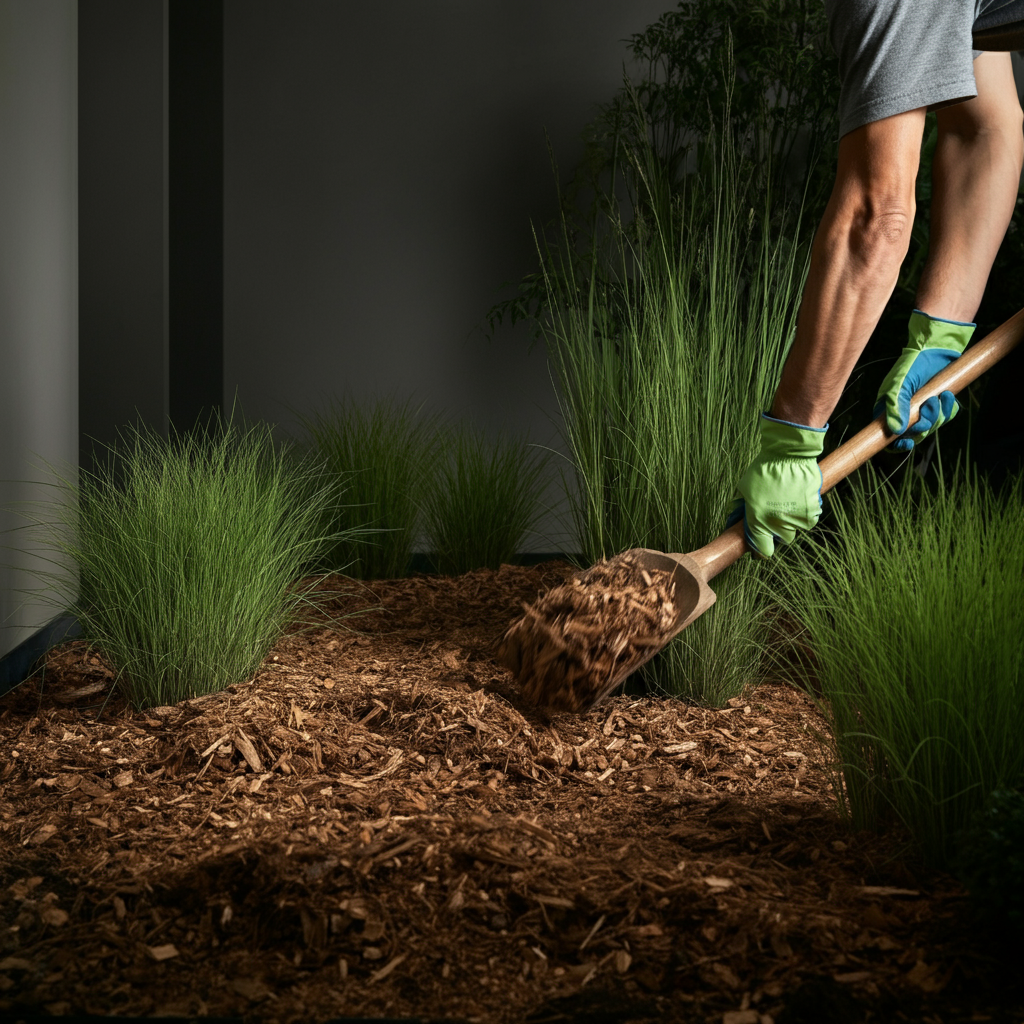
Mulching is a critical step in creating a drought-tolerant landscape. A thick layer of mulch helps to retain soil moisture, suppress weeds, and regulate soil temperature. Reapply mulch annually to maintain its effectiveness. Regularly monitor your plants for signs of stress, such as wilting or yellowing leaves. Prune dead or damaged branches to improve air circulation and prevent disease. Avoid over-fertilizing your plants, as this can make them more susceptible to drought. Weed regularly to prevent competition for water and nutrients.
Common Mistakes to Avoid
- Overwatering: Drought-tolerant plants don't need as much water as traditional plants.
- Poor Soil Preparation: Amending the soil is crucial for plant establishment.
- Improper Plant Spacing: Consider the mature size of plants to avoid overcrowding.
- Neglecting Weeds: Weeds compete with plants for water and nutrients.
- Using the Wrong Mulch: Avoid using gravel or rocks, as they can heat up the soil.
Step 7: Embrace Xeriscaping Principles
Xeriscaping is a landscaping method specifically designed to conserve water. It involves grouping plants with similar water needs together, using efficient irrigation techniques, and minimizing lawn areas. Replace traditional lawns with drought-tolerant groundcovers, such as creeping thyme or sedum. Create water-wise hardscapes, such as patios and pathways, using permeable materials that allow rainwater to infiltrate the soil. Consider installing a rain garden to capture and filter runoff from your roof. Embrace the beauty of rocks and gravel to create visually appealing and low-maintenance features.

Pro Tips
- Choose plants that are well-suited to your local climate and soil conditions.
- Group plants with similar water needs together.
- Use drip irrigation or soaker hoses to deliver water directly to the roots of your plants.
- Mulch regularly to retain soil moisture and suppress weeds.
- Monitor your plants for signs of stress and adjust your watering accordingly.
FAQ Section
- How often should I water my drought-tolerant plants?
- Water deeply but infrequently, allowing the soil to dry out between waterings. The frequency will depend on the specific plants, the soil type, and the weather conditions.
- What is the best type of mulch to use for drought-tolerant plants?
- Organic mulches, such as wood chips or shredded bark, are ideal. They help retain moisture, suppress weeds, and enrich the soil as they decompose.
- Can I use fertilizer on my drought-tolerant plants?
- Use fertilizer sparingly, as over-fertilizing can make plants more susceptible to drought. Choose a slow-release fertilizer that is specifically formulated for drought-tolerant plants.
Safety Considerations
When working in your garden, always wear appropriate safety gear, including gloves, eye protection, and sturdy shoes. Be aware of potential hazards, such as sharp tools, poisonous plants, and stinging insects. If you are using power tools, follow the manufacturer's instructions carefully and wear hearing protection. Avoid working in your garden during the hottest part of the day to prevent heat exhaustion. Stay hydrated by drinking plenty of water.
Conclusion
Designing a drought-tolerant dreamscape is an investment in the future. By implementing the principles outlined in this guide, you can create a beautiful, sustainable, and water-wise landscape that will thrive for years to come. Remember to assess your site, plan your design, choose the right plants, prepare the soil, install efficient irrigation, mulch regularly, and embrace xeriscaping principles. With a little effort and planning, you can transform your yard into a stunning oasis that conserves water and enhances the beauty of your surroundings.