Creating a beautiful and thriving garden doesn't have to mean constant watering and unsustainable practices. In fact, with careful planning and the right plant choices, you can design a stunning drought-tolerant garden that conserves water, reduces maintenance, and provides a haven for local wildlife. This guide will walk you through the essential steps, from assessing your site to selecting the perfect plants and implementing water-wise gardening techniques.
Embracing drought-tolerant landscaping isn't just about saving water; it's about creating a resilient and sustainable ecosystem that adapts to your local climate. This means understanding your soil type, microclimates, and rainfall patterns, and choosing plants that are naturally suited to these conditions. A well-designed drought-tolerant garden can be both aesthetically pleasing and environmentally responsible.
Ready to transform your outdoor space into a water-wise paradise? Let's dive in!
Step 1: Assess Your Site and Soil
Before you start planning your garden, it’s crucial to thoroughly assess your site. This involves evaluating factors such as sunlight exposure, soil type, drainage, and existing landscape features. Pay close attention to how many hours of direct sunlight different areas of your garden receive each day. Note any areas that are consistently shady or particularly dry. Understanding your soil type is equally important; sandy soils drain quickly, while clay soils retain more moisture. You can perform a simple soil test by squeezing a handful of moist soil in your hand. If it forms a ball that holds its shape easily, you likely have clay soil. If it crumbles readily, you probably have sandy soil. Knowing your soil will help you choose plants that will thrive in your specific conditions. Consider the existing landscape, including any mature trees or structures that might affect sunlight or water distribution.

Step 2: Develop a Design Plan
Once you have a good understanding of your site, you can start developing a design plan. Begin by sketching out a basic layout of your garden, identifying areas for different types of plants, pathways, and other features. Consider the overall style you want to achieve, whether it’s a naturalistic meadow, a formal xeriscape, or a more eclectic mix. Think about the mature size and shape of the plants you're considering, and ensure they will have enough space to grow without overcrowding each other. Group plants with similar water needs together to make irrigation more efficient. Use graph paper or a digital design tool to create a more detailed plan, including specific plant names and locations. Don't be afraid to experiment with different ideas and layouts until you find one that you love and that fits your site conditions.

Step 3: Select Drought-Tolerant Plants
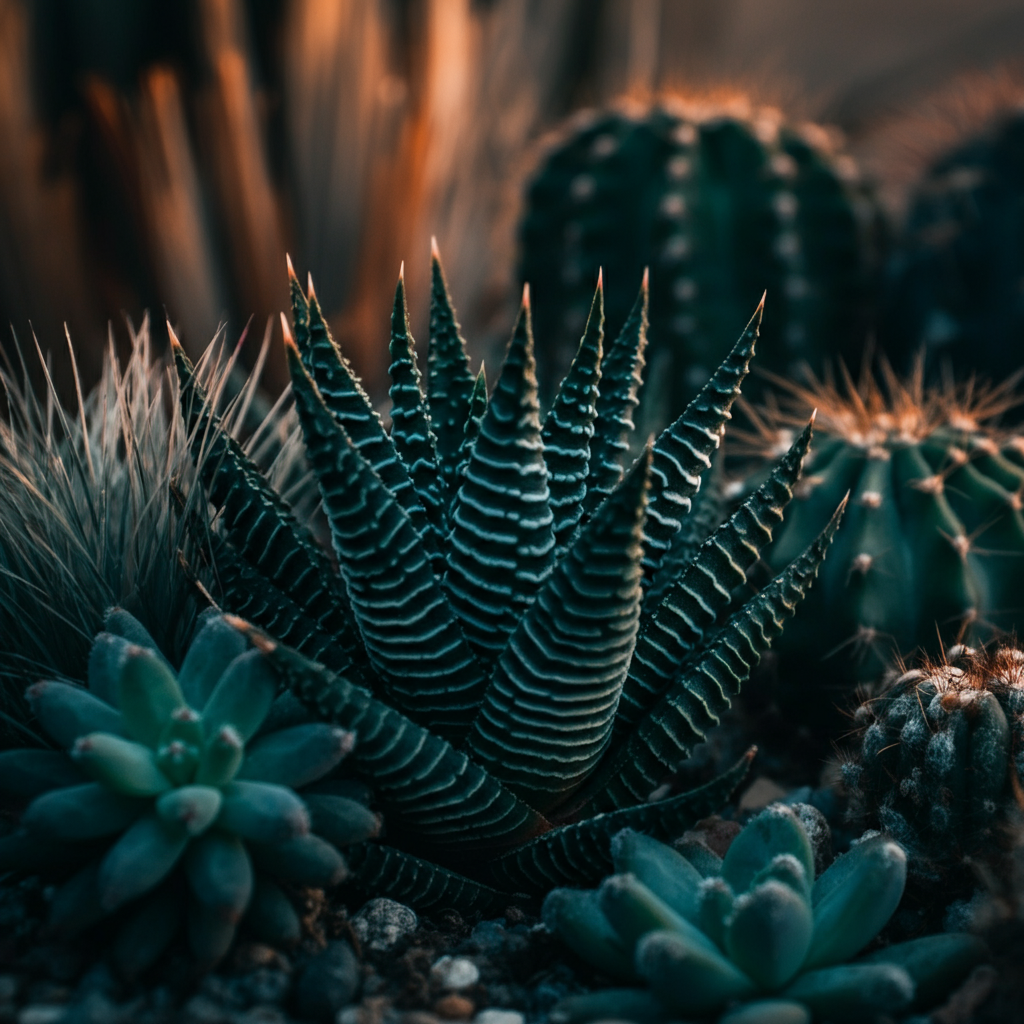
Choosing the right plants is the key to a successful drought-tolerant garden. Look for plants that are native to your region or have been adapted to arid conditions. These plants are naturally suited to your climate and require less water and maintenance. Some excellent options include succulents, cacti, ornamental grasses, lavender, rosemary, and yarrow. Consider the bloom times of different plants to ensure you have continuous color throughout the growing season. Research the specific water needs of each plant and group them accordingly in your garden. Don't be afraid to mix and match different textures, colors, and heights to create a visually interesting and dynamic landscape.
Step 4: Improve Soil Health
Healthy soil is essential for plant growth, especially in drought-prone areas. Amend your soil with organic matter, such as compost or aged manure, to improve its water-holding capacity and drainage. This will help your plants access moisture more efficiently and reduce the need for frequent watering. Consider adding a layer of mulch around your plants to help retain moisture, suppress weeds, and regulate soil temperature. Avoid using chemical fertilizers, which can harm beneficial soil microorganisms and make your plants more susceptible to drought stress. Instead, opt for organic fertilizers or soil amendments that will nourish your plants naturally. A healthy soil ecosystem will support strong root growth and increase your plants' ability to withstand dry conditions.

Step 5: Implement Water-Wise Irrigation
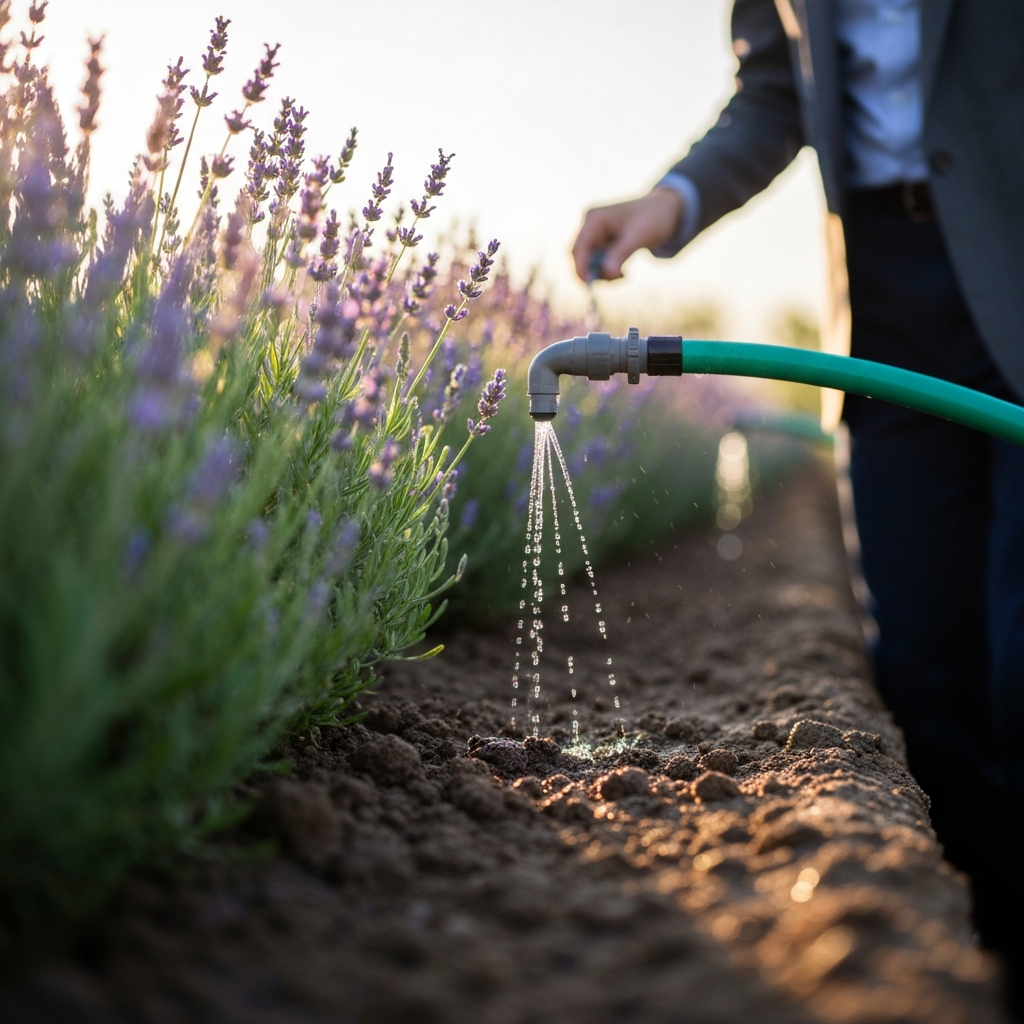
Even drought-tolerant plants need some water, especially during their establishment phase. However, you can significantly reduce your water consumption by implementing water-wise irrigation techniques. Drip irrigation and soaker hoses are the most efficient ways to deliver water directly to the roots of your plants, minimizing water loss through evaporation. Water deeply and infrequently, rather than shallowly and often, to encourage deep root growth. Consider installing a rain barrel or other water harvesting system to collect rainwater for irrigation. Monitor your plants regularly for signs of drought stress, such as wilting leaves or stunted growth, and adjust your watering schedule accordingly. Remember to water early in the morning or late in the evening to minimize evaporation.
Step 6: Mulch, Mulch, Mulch!
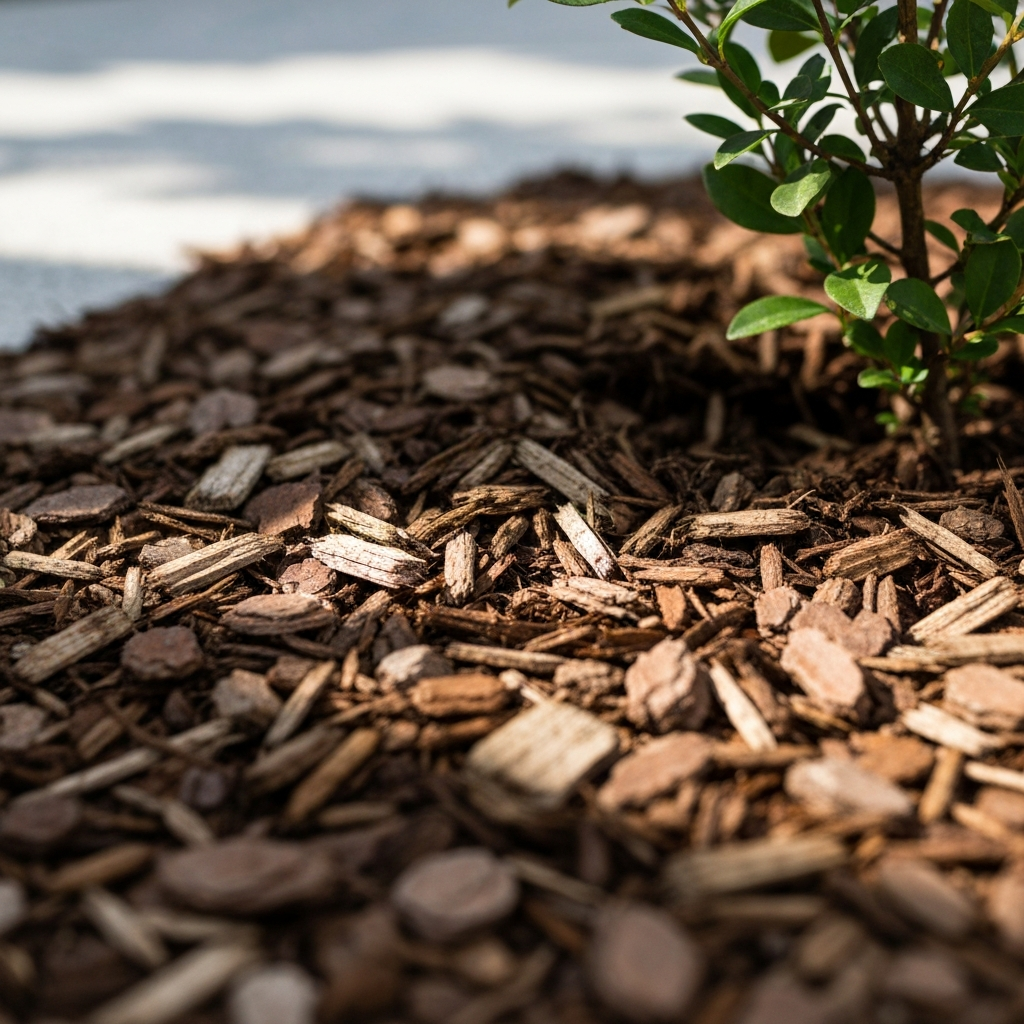
Mulch is an unsung hero in the drought-tolerant garden. It acts as a blanket for the soil, reducing evaporation, suppressing weeds, regulating soil temperature, and adding valuable organic matter as it decomposes. Organic mulches like wood chips, shredded bark, and pine needles are excellent choices, but gravel or rock mulch can also be used for a more xeric look. Apply a layer of mulch 2-4 inches deep around your plants, being careful not to pile it up against the stems. Replenish the mulch as needed to maintain its effectiveness. Mulch not only conserves water but also improves the overall health and appearance of your garden.
Step 7: Embrace Xeriscaping Principles
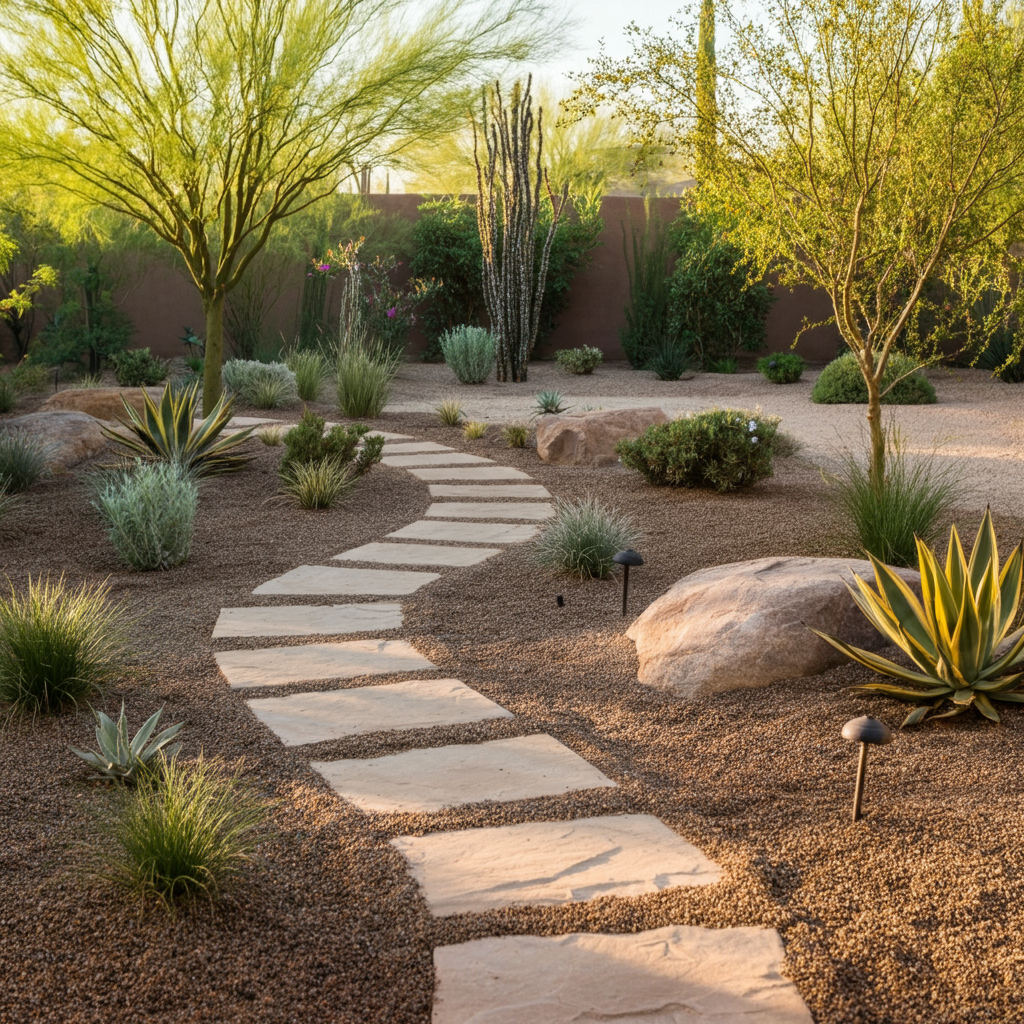
Xeriscaping is a landscaping philosophy that emphasizes water conservation through the use of drought-tolerant plants and efficient irrigation techniques. Incorporate xeriscaping principles into your garden design by creating zones with varying water needs, using permeable paving materials, and minimizing lawn areas. Consider replacing your lawn with drought-tolerant groundcovers or hardscaping features like patios or pathways. Group plants with similar water needs together to make irrigation more efficient. Xeriscaping is not just about saving water; it's about creating a beautiful and sustainable landscape that thrives in arid conditions.
Tools or Materials Required
- Shovel
- Trowel
- Gardening Gloves
- Compost or Aged Manure
- Drought-Tolerant Plants
- Mulch
- Drip Irrigation System or Soaker Hoses
- Rain Barrel (optional)
Common Mistakes to Avoid
- Overwatering: Even drought-tolerant plants can suffer from overwatering.
- Planting in poorly drained soil: Improve drainage by amending the soil with organic matter.
- Neglecting soil health: Healthy soil is essential for plant growth and drought tolerance.
- Failing to mulch: Mulch helps retain moisture, suppress weeds, and regulate soil temperature.
- Ignoring plant spacing: Give your plants enough space to grow to their mature size.
FAQ Section
- Q: How often should I water my drought-tolerant garden?
- A: Water deeply but infrequently, allowing the soil to dry out between waterings. The frequency will depend on your climate, soil type, and the specific water needs of your plants.
- Q: What is the best time of day to water?
- A: Water early in the morning or late in the evening to minimize water loss through evaporation.
- Q: How do I know if my plants are getting enough water?
- A: Check the soil moisture by sticking your finger a few inches into the ground. If the soil feels dry, it's time to water. Also, look for signs of drought stress, such as wilting leaves or stunted growth.
Conclusion
Designing a drought-tolerant dream garden is a rewarding and sustainable endeavor. By carefully assessing your site, selecting the right plants, improving soil health, and implementing water-wise irrigation techniques, you can create a beautiful and thriving landscape that conserves water and reduces maintenance. Remember to embrace xeriscaping principles and prioritize the health of your soil ecosystem. With a little planning and effort, you can transform your outdoor space into a water-wise paradise that you can enjoy for years to come.