Family life, while rewarding, can often feel like a whirlwind of belongings, schedules, and general disarray. The constant influx of toys, clothes, school projects, and sporting equipment can quickly overwhelm even the most organized household. This chaos doesn't just clutter our physical spaces; it clutters our minds, leading to increased stress, decreased productivity, and a general feeling of being overwhelmed. It's time to take back control and create a more peaceful and functional home environment.
Decluttering isn't just about throwing things away; it's about creating a system that works for your family and promotes a sense of calm and order. It's about consciously choosing what items you want to surround yourself with and letting go of the excess that no longer serves you. This guide will provide you with a step-by-step approach to decluttering your home, simplifying your life, and ultimately finding your sanity amidst the family frenzy.
By implementing these strategies, you can transform your home into a sanctuary where you can relax, recharge, and enjoy quality time with your loved ones. Let's embark on this journey towards a clutter-free and more harmonious family life.
Step 1: Define Your Vision and Set Realistic Goals
Before you even begin sorting through your belongings, it's crucial to establish a clear vision of what you want your home to look and feel like. What does a clutter-free life mean to you and your family? How do you envision spending your time and energy once the clutter is gone? Setting realistic goals is equally important. Don't expect to declutter your entire house in a single weekend. Instead, break down the process into smaller, more manageable tasks, such as decluttering one room or even one drawer at a time. This approach will make the process less daunting and more sustainable in the long run. Focus on progress, not perfection.

Step 2: Start with a Single, High-Impact Area
Instead of trying to tackle the entire house at once, which can be overwhelming, choose one area that will have a significant impact on your daily life. This could be the entryway, the kitchen counters, or a particularly cluttered closet. The goal is to experience a quick win that will motivate you to continue the decluttering process. A cluttered entryway often sets the tone for the entire home. Clearing this space will immediately create a sense of calm and order as you and your family enter and leave the house.

Step 3: The Four-Box Method: Sort, Donate, Trash, Relocate
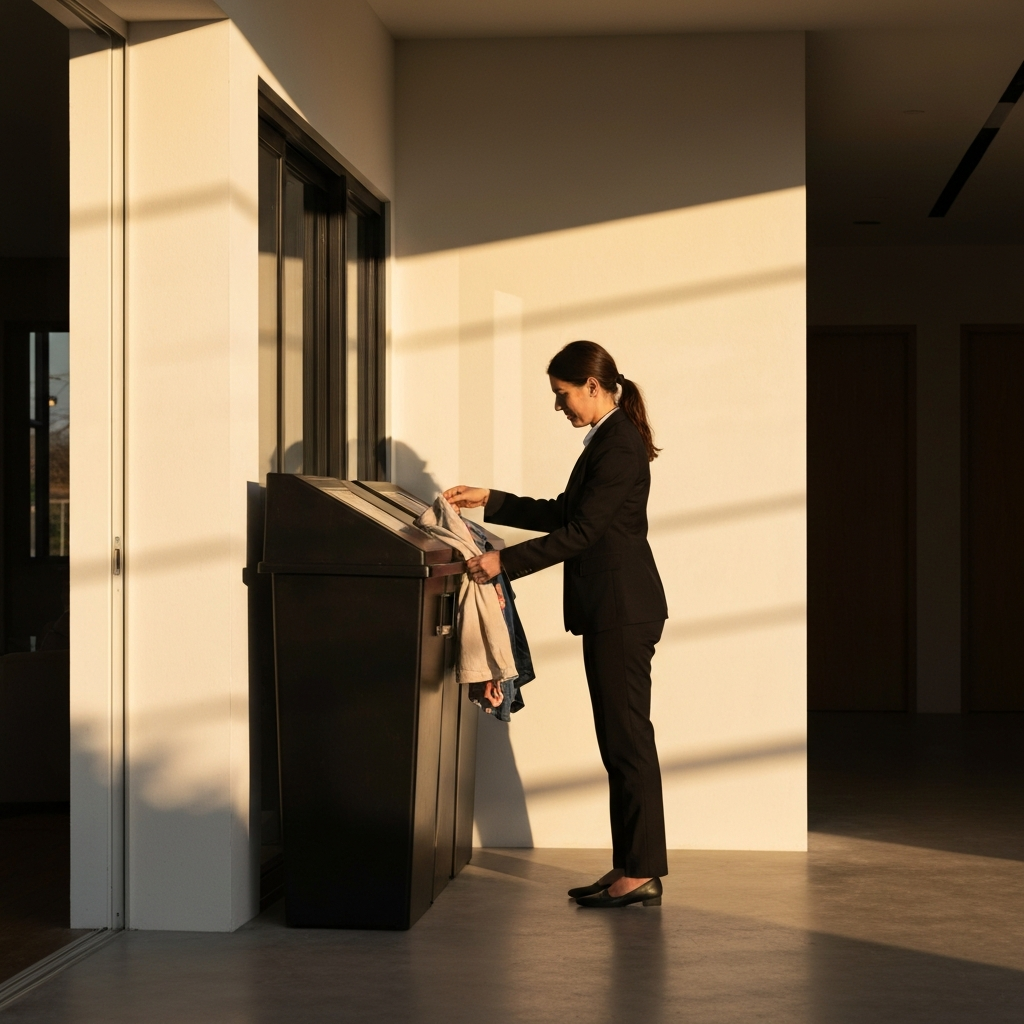
This is a fundamental decluttering technique. Gather four boxes (or bags): one for items you want to keep, one for items you want to donate, one for trash, and one for items that belong elsewhere in the house. As you go through each item in your chosen area, make a decision about where it belongs. Be honest with yourself about whether you truly need or use the item. If you haven't used it in the past year and it doesn't hold sentimental value, it's probably time to let it go. Place the item in the corresponding box. Once you've sorted through everything, immediately take the trash out and donate the items. Procrastinating on these steps will only lead to clutter reappearing.

Step 4: Declutter as a Family Affair
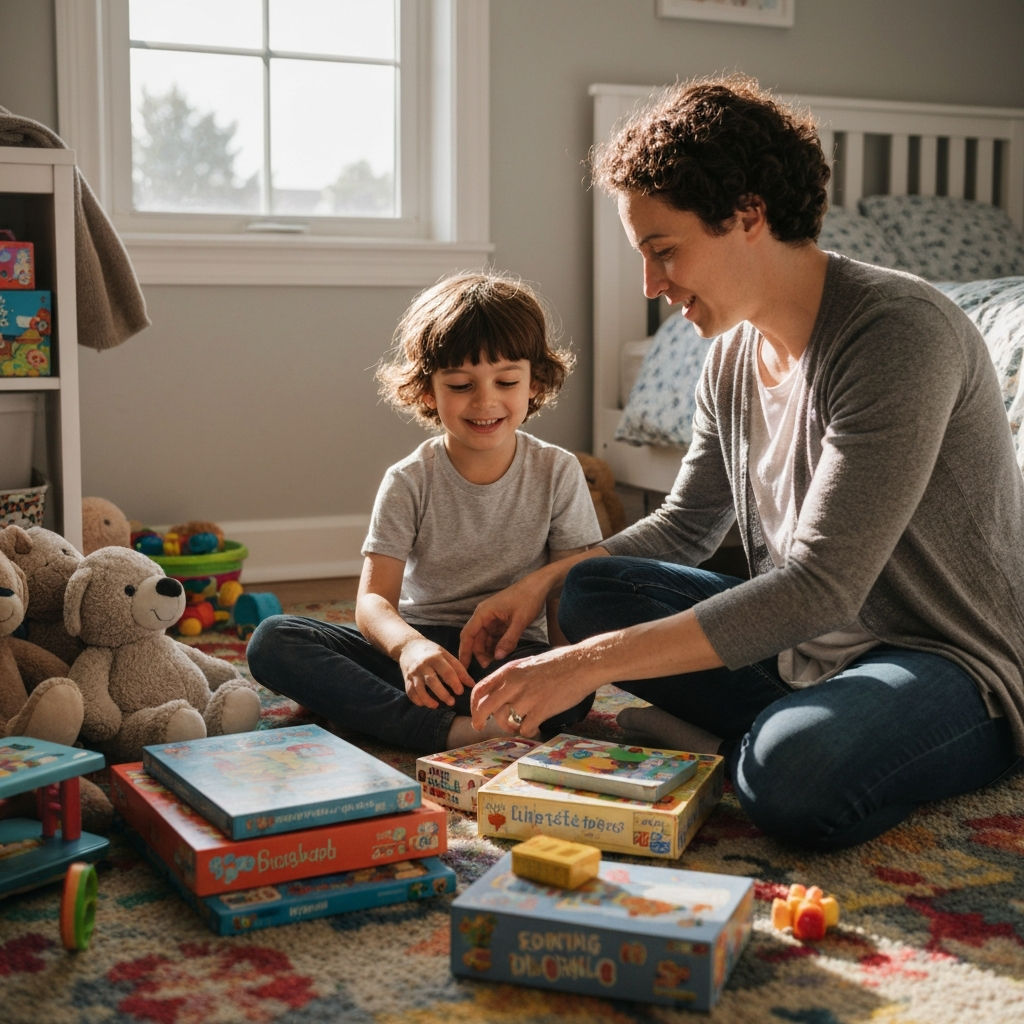
Involve your family members in the decluttering process, especially when it comes to their own belongings. This will not only help you declutter faster but will also teach your children valuable lessons about responsibility, decision-making, and letting go. Make it a fun and collaborative activity by playing music, offering small rewards for progress, and celebrating your accomplishments together. Explain the "why" behind decluttering to your children – a more peaceful home, easier to find things, more space to play. Be patient and understanding, as some family members may be more attached to their belongings than others.
Step 5: Implement Organizational Systems
Once you've decluttered a space, it's essential to implement organizational systems to prevent clutter from accumulating again. This could involve using storage bins, shelving units, drawer dividers, or any other tools that will help you keep your belongings organized and easily accessible. Vertical storage is a lifesaver in small spaces. Label everything clearly so that everyone in the family knows where things belong. Make it a habit to put things back in their designated places immediately after use. Consider the flow of your home and create zones for specific activities. For example, create a homework station, a reading nook, or a craft area.

Step 6: Reduce Incoming Clutter
One of the most effective ways to prevent clutter from accumulating is to be mindful of what you bring into your home. Before buying something new, ask yourself if you truly need it and if you have a place for it. Avoid impulse purchases and opt for quality over quantity. Be selective about what you accept as gifts and politely decline items that you don't need or want. Implement a "one in, one out" rule: for every new item that comes into your home, get rid of something similar. Unsubscribe from unwanted catalogs and junk mail.
Step 7: Establish Daily and Weekly Maintenance Routines
Decluttering is not a one-time event; it's an ongoing process. To maintain a clutter-free home, it's essential to establish daily and weekly maintenance routines. This could involve spending a few minutes each day tidying up, putting things back in their places, and clearing off surfaces. Once a week, dedicate a larger chunk of time to decluttering a specific area or tackling a specific task, such as sorting through mail or cleaning out the refrigerator. Even 15 minutes of daily tidying can make a huge difference. Consistency is key to preventing clutter from overwhelming you again.
FAQ Section
Q: I'm overwhelmed and don't know where to start. What should I do?
A: Start small! Choose one small area, like a drawer or a shelf, and focus on decluttering that space completely. Once you've achieved that small victory, you'll feel more motivated to tackle larger areas.
Q: What if I have trouble letting go of sentimental items?
A: Sentimental items can be difficult to part with. Consider taking photos of these items and creating a memory box or scrapbook. You can also repurpose them into something new, such as turning old t-shirts into a quilt.
Q: How do I get my family on board with decluttering?
A: Involve your family in the process from the beginning. Explain the benefits of decluttering, such as a more peaceful home and more time for fun activities. Make it a collaborative effort and offer rewards for participation.
Common Mistakes to Avoid
- Trying to declutter everything at once. Break it down into smaller, manageable tasks.
- Not having a plan. Define your vision and set realistic goals.
- Holding onto items "just in case." Be honest with yourself about whether you truly need or use the item.
- Not getting rid of items immediately after decluttering. Take the trash out and donate items as soon as possible.
- Not involving your family in the process. Make it a collaborative effort.
Conclusion
Decluttering family chaos is a journey, not a destination. By implementing these strategies, you can create a more peaceful, functional, and enjoyable home environment for yourself and your loved ones. Remember to start small, involve your family, implement organizational systems, and reduce incoming clutter. With consistent effort and a clear vision, you can transform your home into a sanctuary where you can relax, recharge, and find your sanity amidst the everyday chaos of family life. The benefits extend beyond a tidy home; you'll experience reduced stress, increased productivity, and a greater sense of well-being.