Developing a signature style isn't about blindly following trends, it's about understanding yourself and expressing that understanding through visual mediums. It's a journey of self-discovery, a way to communicate your personality and values without saying a word. Think of it as your personal brand, the consistent aesthetic that makes you, you. It's about more than just clothing; it's about creating a cohesive look that reflects your inner self.
This guide will provide you with a step-by-step approach to uncover and cultivate a style that's uniquely yours. We'll explore identifying your inspirations, building a functional wardrobe, and refining your look over time. Remember that personal style is fluid and evolving, a continuous experiment. Be patient with yourself, embrace the process, and have fun!
By the end of this guide, you'll have the tools and knowledge needed to confidently express your individuality and create a lasting impression, wherever you go.
Step 1: Define Your Personal Style Foundations
Before diving into trends or shopping sprees, take some time to introspect. Consider your lifestyle, values, and what truly makes you feel comfortable and confident. Ask yourself: what activities do you engage in regularly? What colors and shapes do you naturally gravitate towards? What messages do you want to communicate to the world? Your answers to these questions will form the bedrock of your style. Don't just think about your ideal self; be realistic about your current needs and preferences. A glamorous evening gown might be beautiful, but if your daily life consists of running errands and working from home, it's not a practical foundation for your signature style.

Step 2: Gather Inspiration
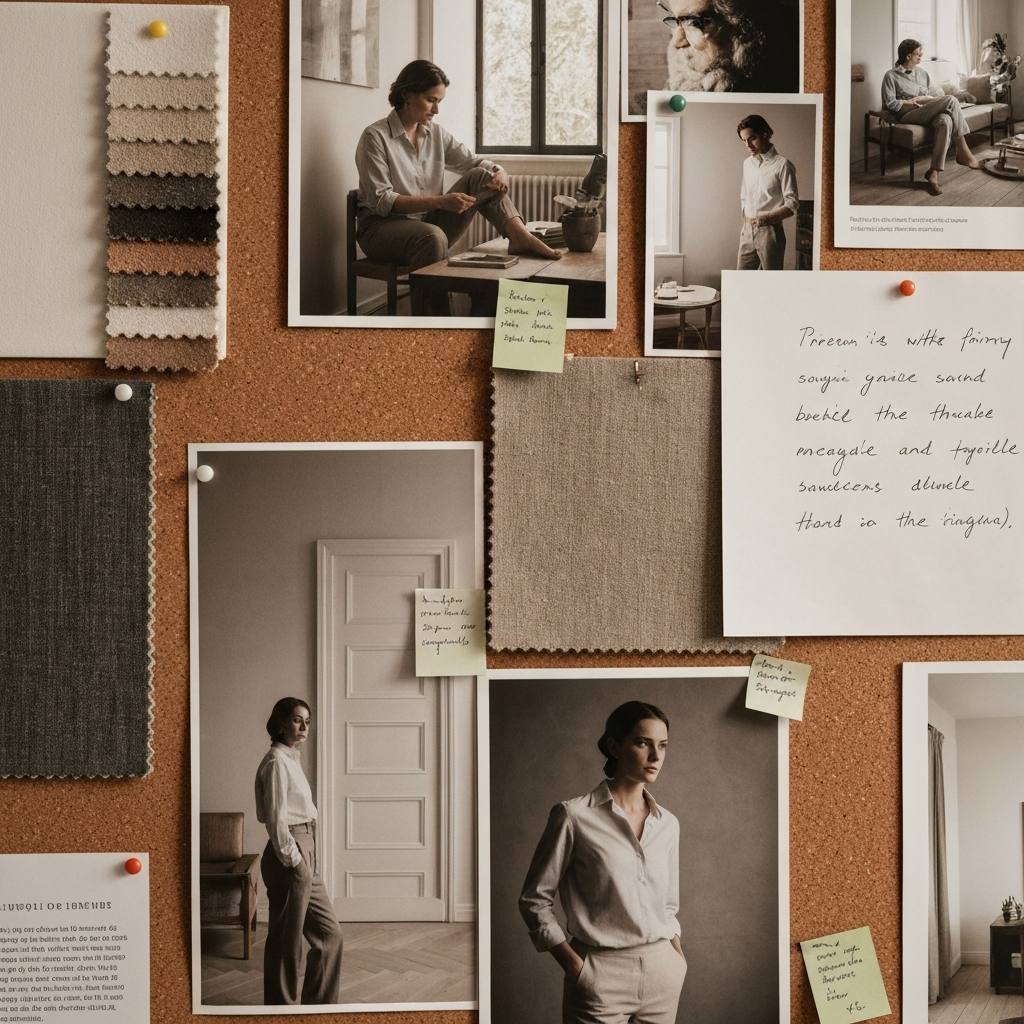
Once you have a clearer understanding of yourself, begin collecting inspiration. Look to sources that resonate with you: fashion magazines, blogs, social media, films, art, nature, and even people you admire. Create a mood board, either physical or digital, to visualize your ideal aesthetic. Pay attention to recurring themes, colors, textures, and silhouettes. Don't be afraid to draw inspiration from seemingly unrelated sources; the goal is to create a unique blend that reflects your individuality. Be mindful of cultural appropriation and ensure your inspiration is respectful and informed.
Step 3: Analyze Your Existing Wardrobe
Take a critical look at your current wardrobe. Identify pieces that you genuinely love and wear frequently, and those that consistently gather dust. What do the items you love have in common? Do they share similar colors, fabrics, or silhouettes? Are they comfortable and functional for your lifestyle? Understanding why you love certain pieces will help you make more informed decisions when adding to your wardrobe in the future. Donate or sell items that no longer fit your style or lifestyle, freeing up space and mental energy for pieces that truly resonate with you.

Step 4: Start with the Staples
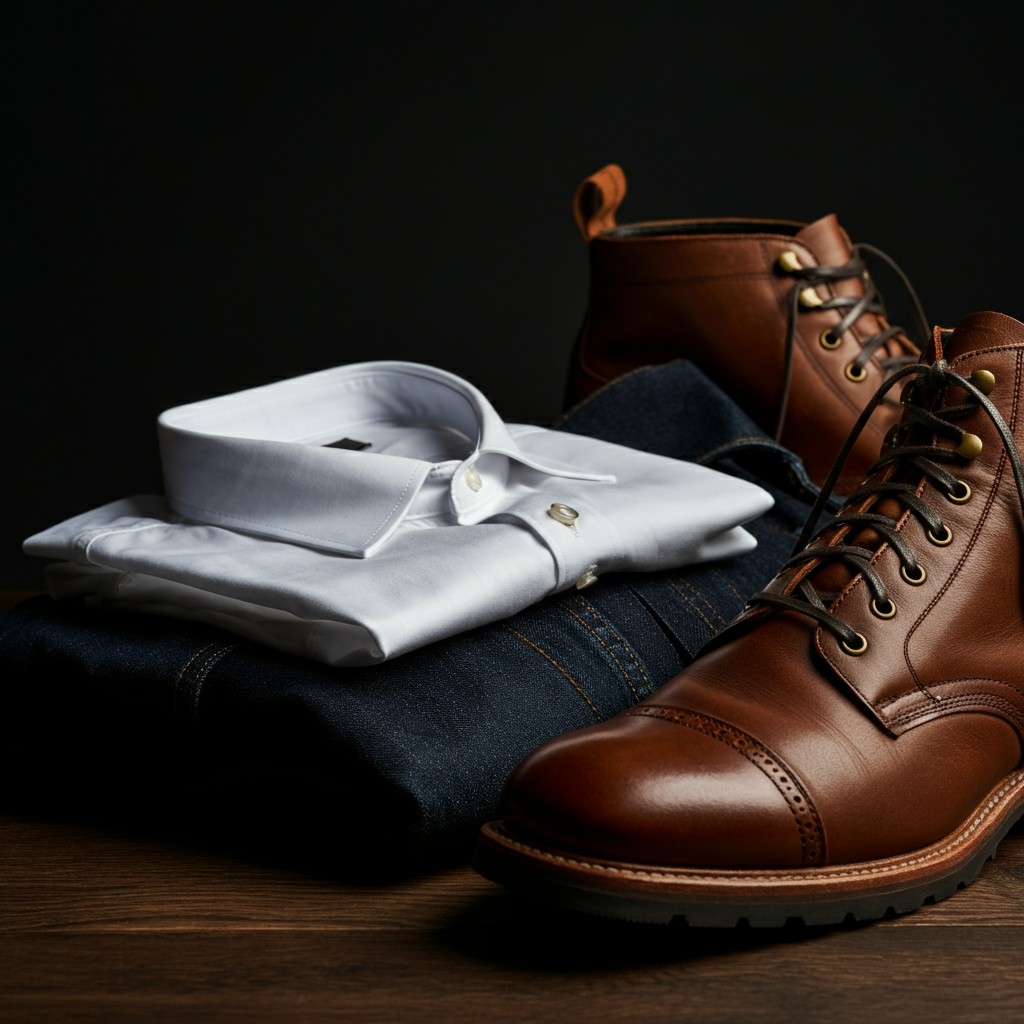
Building a signature style isn't about having a massive wardrobe; it's about having a curated collection of high-quality staples that can be mixed and matched to create a variety of outfits. Invest in timeless pieces that fit you well and are made from durable materials. Consider items like a well-fitting blazer, a classic white shirt, a pair of versatile jeans or trousers, and comfortable shoes that can be dressed up or down. Choose colors and styles that complement your skin tone and body shape. These staples will serve as the foundation for your personal style, providing a solid base upon which to build more expressive looks.
Step 5: Add Personality with Statement Pieces
Once you have a solid foundation of staples, begin incorporating statement pieces that reflect your personality and interests. This could include unique accessories, bold colors, interesting patterns, or items with sentimental value. Don't be afraid to experiment and take risks; this is where your individuality truly shines. Remember to balance statement pieces with your staples to avoid overwhelming your look. A brightly colored scarf, a vintage brooch, or a pair of statement earrings can add a touch of personality without requiring a complete wardrobe overhaul.

Step 6: Pay Attention to Fit and Tailoring
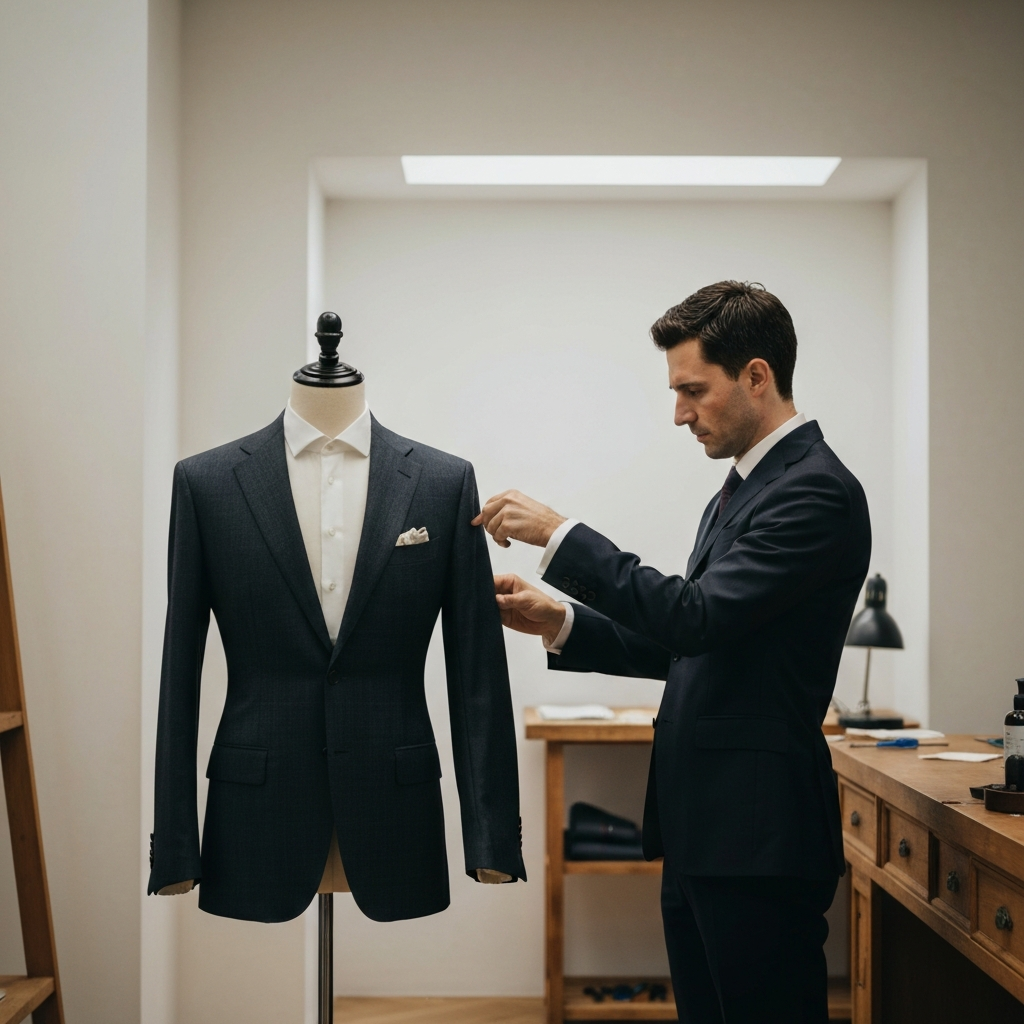
Even the most expensive clothing can look unflattering if it doesn't fit properly. Investing in tailoring is crucial to elevating your personal style. A well-tailored garment will accentuate your best features and create a more polished and put-together look. Pay attention to the length of sleeves and hems, the fit across the shoulders and chest, and the overall silhouette of your clothing. A skilled tailor can work wonders, transforming ill-fitting garments into flattering and stylish pieces.
Step 7: Accessorize Strategically
Accessories are the finishing touch that can elevate any outfit and add a personal touch. Choose accessories that complement your clothing and reflect your individual style. Consider jewelry, scarves, belts, hats, and bags. Less is often more; a few well-chosen accessories can have a greater impact than a cluttered assortment. Pay attention to the proportions and scale of your accessories, ensuring they are appropriate for your body size and shape. A statement necklace can draw attention to your face, while a well-placed belt can define your waist.

Step 8: Develop Your Personal Color Palette
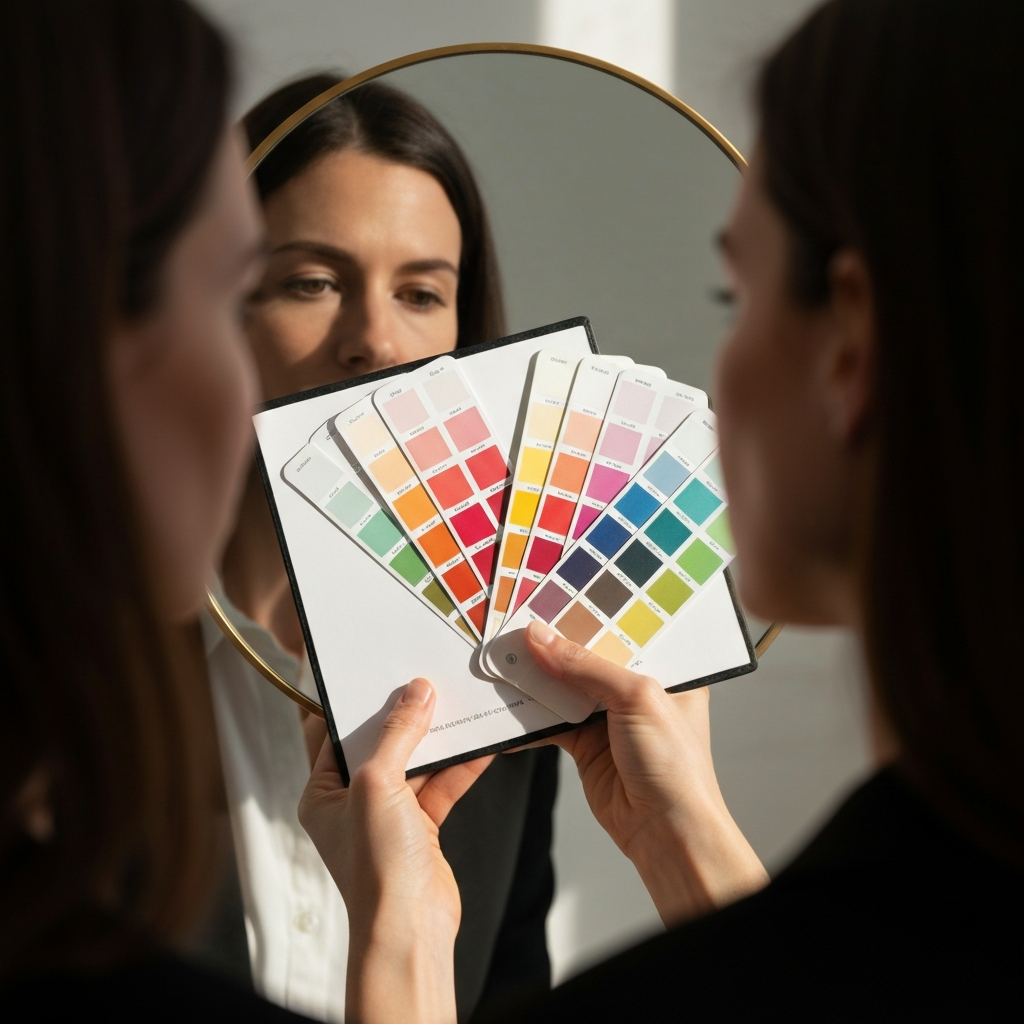
Understanding which colors complement your skin tone, hair color, and eye color is essential for creating a harmonious and flattering look. Experiment with different colors to see what makes you feel most confident and vibrant. Consider both warm and cool tones, and don't be afraid to step outside your comfort zone. Once you've identified your most flattering colors, create a personal color palette that you can use as a guide when shopping. This will help you build a cohesive and versatile wardrobe that reflects your unique style.
Step 9: Document and Reflect
Take photos of your outfits and keep a style journal to track what works and what doesn't. This will help you identify your signature style elements and refine your look over time. Pay attention to how you feel in different outfits; confidence is key to pulling off any style. Regularly review your photos and journal entries to identify patterns and areas for improvement. Don't be afraid to experiment and evolve your style as your tastes and lifestyle change.
Step 10: Embrace Experimentation and Evolution
Personal style is a journey, not a destination. Don't be afraid to experiment with new trends, colors, and silhouettes. Your style should evolve alongside you, reflecting your changing interests and experiences. Be open to feedback from trusted friends and family, but ultimately, trust your own instincts. The most important thing is to feel comfortable and confident in your own skin.
Tools or Materials Required
- A journal or notebook
- A camera or smartphone
- A full-length mirror
- Access to online style resources (blogs, magazines, social media)
- A willing friend or family member for feedback (optional)
Common Mistakes to Avoid
- Blindly following trends without considering your personal style
- Buying clothing that doesn't fit properly
- Accumulating too many items without a cohesive vision
- Being afraid to experiment and take risks
- Ignoring your comfort level in favor of perceived style
FAQ Section
Q: How long does it take to develop a signature style?
A: It varies from person to person, but it's typically a gradual process that takes months or even years. Be patient and enjoy the journey!
Q: Do I need to spend a lot of money to develop a signature style?
A: Not necessarily. Focus on quality over quantity, and prioritize timeless staples that can be mixed and matched. Thrift stores and consignment shops can be great sources for unique and affordable pieces.
Q: What if my style changes over time?
A: That's perfectly normal! Your style should evolve alongside you, reflecting your changing interests and experiences. Embrace the evolution and have fun with it.
Conclusion
Curating a signature style is a rewarding journey of self-discovery and expression. By understanding your personal values, gathering inspiration, building a functional wardrobe, and refining your look over time, you can create a style that is uniquely yours. Remember to be patient, experiment, and most importantly, have fun! Your signature style is a powerful tool for communicating your personality and making a lasting impression.