Fragrance layering, also known as scent layering, is the art of combining multiple fragrances to create a unique and personalized scent. It’s a way to express your individuality, enhance the longevity of your favorite perfumes, and adapt your fragrance to different occasions and seasons. Instead of relying on pre-blended perfumes, you become the perfumer, tailoring your scent to perfectly match your mood and style.
This guide will walk you through the steps to effectively layer fragrances, from understanding fragrance families to choosing complementary notes and avoiding common pitfalls. Whether you're a fragrance novice or a seasoned enthusiast, this guide provides the knowledge and inspiration to create a signature scent that is uniquely yours.
Think of fragrance layering as composing a symphony – each scent plays a role, contributing to a harmonious and unforgettable olfactory experience. When done correctly, fragrance layering can transform your everyday scent into something extraordinary. It's about more than just smelling good; it's about crafting an aura, an olfactory signature that represents you.
Step 1: Understanding Fragrance Families
Before you start layering, it’s essential to understand the basic fragrance families. These families are broad categories that describe the dominant characteristics of a perfume. The most common include floral, woody, oriental (or amber), fresh, and citrus. Knowing which family your favorite scents belong to will help you predict how they will interact with other fragrances. For example, a floral fragrance is likely to blend well with a citrus or a fresh scent, creating a light and airy aroma, while a woody fragrance might add depth and warmth to an oriental scent.

Step 2: Choosing Complementary Notes
Once you’re familiar with fragrance families, you can start exploring complementary notes. Notes are the individual components of a fragrance, such as rose, sandalwood, or bergamot. Fragrances with similar or harmonious notes tend to layer well together. For instance, if you have a rose-based perfume, layering it with a fragrance that contains notes of jasmine or violet can enhance the floral aspect, creating a more complex and captivating bouquet. Alternatively, pairing a citrus scent with a woody base can add a grounding element, preventing the citrus from being too fleeting.

Step 3: Starting with a Base Layer
The base layer is the foundation of your layered fragrance. This should be a scent that is relatively simple and long-lasting. Woody, oriental, or musky fragrances often make excellent base layers because they tend to have a strong presence and can anchor other scents. Apply the base layer first, allowing it to dry down and settle on your skin before adding other fragrances. This provides a solid foundation for the other scents to build upon.

Step 4: Adding a Middle Layer
The middle layer is where you can introduce more complexity and personality to your fragrance. This layer should complement the base layer but also add a unique element. Floral, fruity, or spicy fragrances often work well as middle layers. Experiment with different combinations to see what appeals to you. Remember to apply the middle layer after the base layer has had time to dry down. If the base and middle layers are too similar, your unique fragrance will blend into something familiar and lack the depth you desire.
Step 5: Finishing with a Top Layer
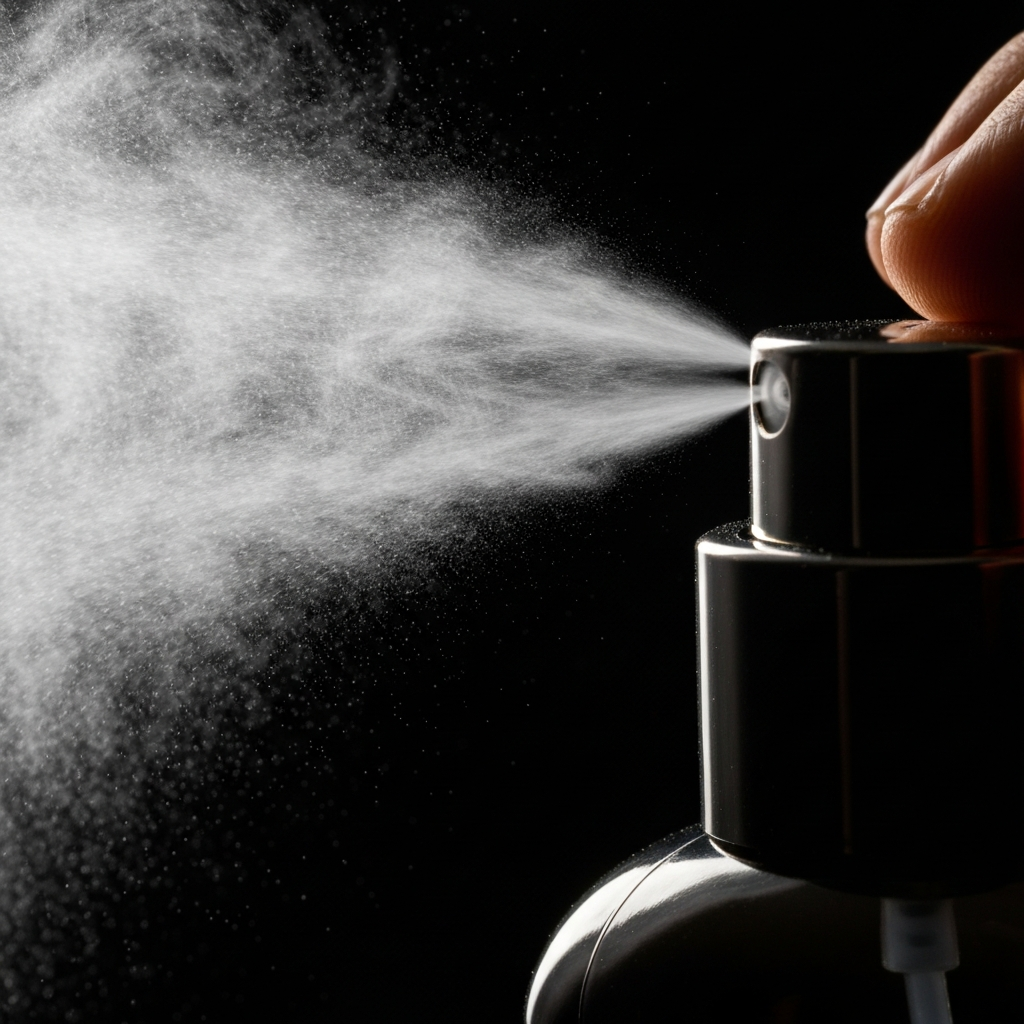
The top layer is the first impression of your fragrance – the scent that people will notice immediately. Citrus, herbal, or aquatic fragrances are excellent choices for the top layer because they are light and refreshing. Apply the top layer sparingly, as it tends to dissipate quickly. The purpose of the top layer is to add a bright and invigorating touch to the overall fragrance profile.
Step 6: Testing and Adjusting
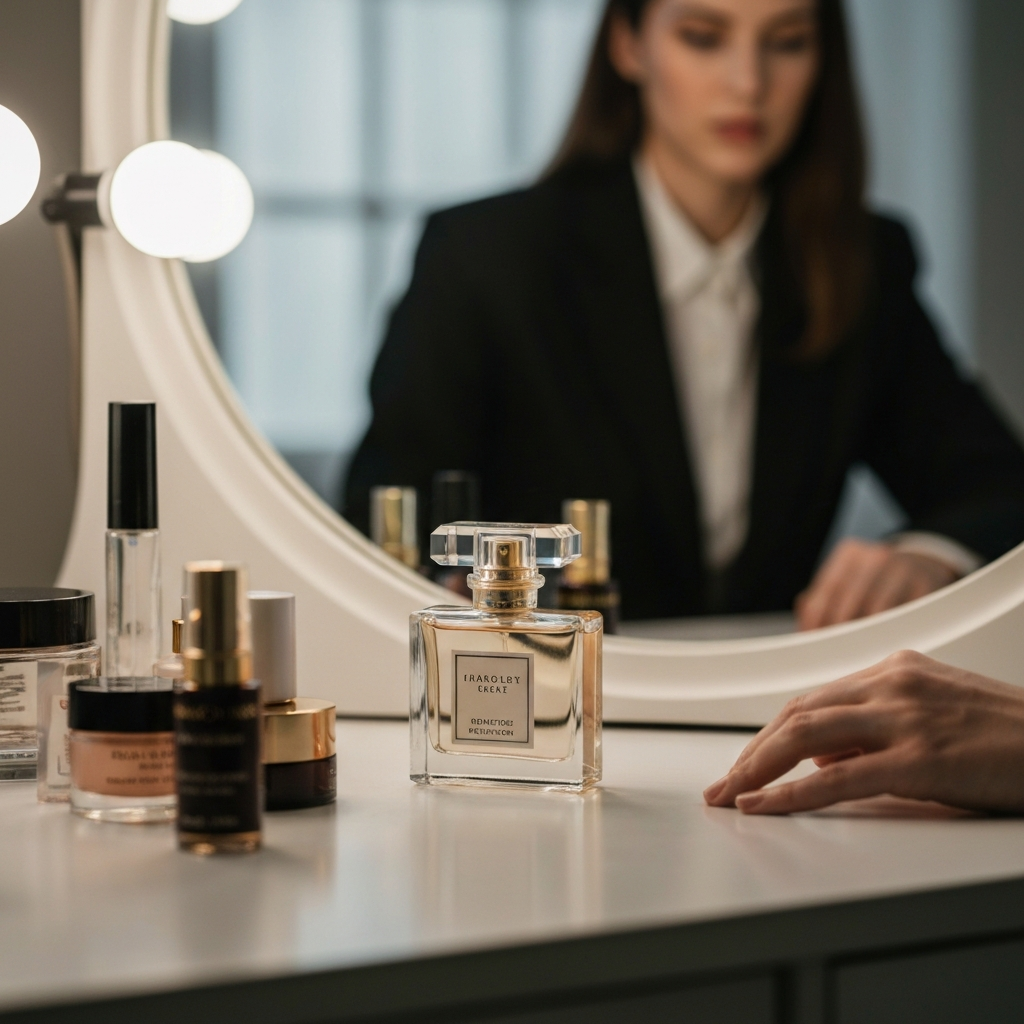
Once you've applied all three layers, take some time to evaluate the overall scent. Allow the fragrance to evolve on your skin for several hours, noting how the different layers interact and how the scent changes over time. If you find that one layer is overpowering the others, you can adjust the amount you apply next time. Experiment with different combinations and proportions until you achieve a scent that you love. Remember, fragrance layering is a personal art, so trust your instincts and don't be afraid to try new things.

Tools or Materials Required
- A selection of perfumes from different fragrance families
- Perfume atomizers (optional, for creating custom blends)
- Scent strips (for testing combinations before applying to skin)
- A notebook for recording your layering experiments
Common Mistakes to Avoid
- Overlapping too many similar notes (e.g., layering several floral fragrances without a grounding element)
- Using fragrances that clash or conflict (e.g., layering a heavy oriental with a light aquatic)
- Applying too much fragrance, leading to an overwhelming and unpleasant scent
- Not allowing each layer to dry down before applying the next
- Ignoring the weather and occasion when choosing your fragrance layers
Pro Tips
- Start with lighter fragrances and gradually add heavier ones.
- Consider the season – lighter, fresher scents are ideal for spring and summer, while warmer, richer scents are better suited for fall and winter.
- Moisturize your skin before applying fragrance to help it last longer.
- Apply fragrance to pulse points, such as your wrists, neck, and behind your ears.
FAQ Section
- Can I layer different types of fragrance products, such as perfume, body lotion, and hair mist?
- Yes, layering with different product types can enhance the overall fragrance experience. Just be sure to choose products that complement each other and avoid using too many heavily scented items at once.
- How many fragrances can I layer at once?
- While there's no hard and fast rule, it's generally best to stick to two or three fragrances to avoid creating a muddled or overwhelming scent.
- What if I don't like the combination I created?
- Don't be discouraged! Fragrance layering is all about experimentation. Simply wash off the fragrance and try a different combination. Keep a record of what worked and what didn't to refine your layering skills over time.
Conclusion
Fragrance layering is an art that allows you to express your unique style and personality through scent. By understanding fragrance families, choosing complementary notes, and experimenting with different combinations, you can create a signature scent that is truly your own. Remember to start with a base layer, add complexity with a middle layer, and finish with a refreshing top layer. Don't be afraid to experiment and adjust until you find the perfect balance. With a little practice and creativity, you can unlock a world of olfactory possibilities and curate a fragrance that is as unique and captivating as you are.