Pollinators are vital to our ecosystem, and creating a haven for them in your backyard is easier than you might think. From bees and butterflies to hummingbirds and other beneficial insects, these creatures play a crucial role in plant reproduction and overall environmental health. By providing the right food, shelter, and water sources, you can transform your yard into a thriving pollinator habitat.
This guide will walk you through the essential steps to design and maintain a pollinator-friendly garden. We'll cover plant selection, garden layout, water features, and sustainable gardening practices. Get ready to roll up your sleeves and make a positive impact on the environment, one flower at a time.
Creating a pollinator paradise isn't just about aesthetics; it's an investment in the future of our planet. Let's get started!
Step 1: Assess Your Space and Plan
Before you start digging, take a good look at your yard. Consider the amount of sunlight different areas receive, the soil type, and any existing plants. Understanding these factors will help you choose the right plants and create a sustainable habitat. Sketch out a basic plan of your yard and designate areas for different types of plants, water features, and resting spots for pollinators.
Think about bloom times. You’ll want a variety of plants that bloom throughout the growing season to provide a continuous food source for pollinators. Consider both native and non-native plants, but prioritize natives, as they are often best suited to your local climate and provide the most nutritional value for local pollinators. Remember, a well-thought-out plan will save you time and effort in the long run.
Step 2: Choose the Right Plants
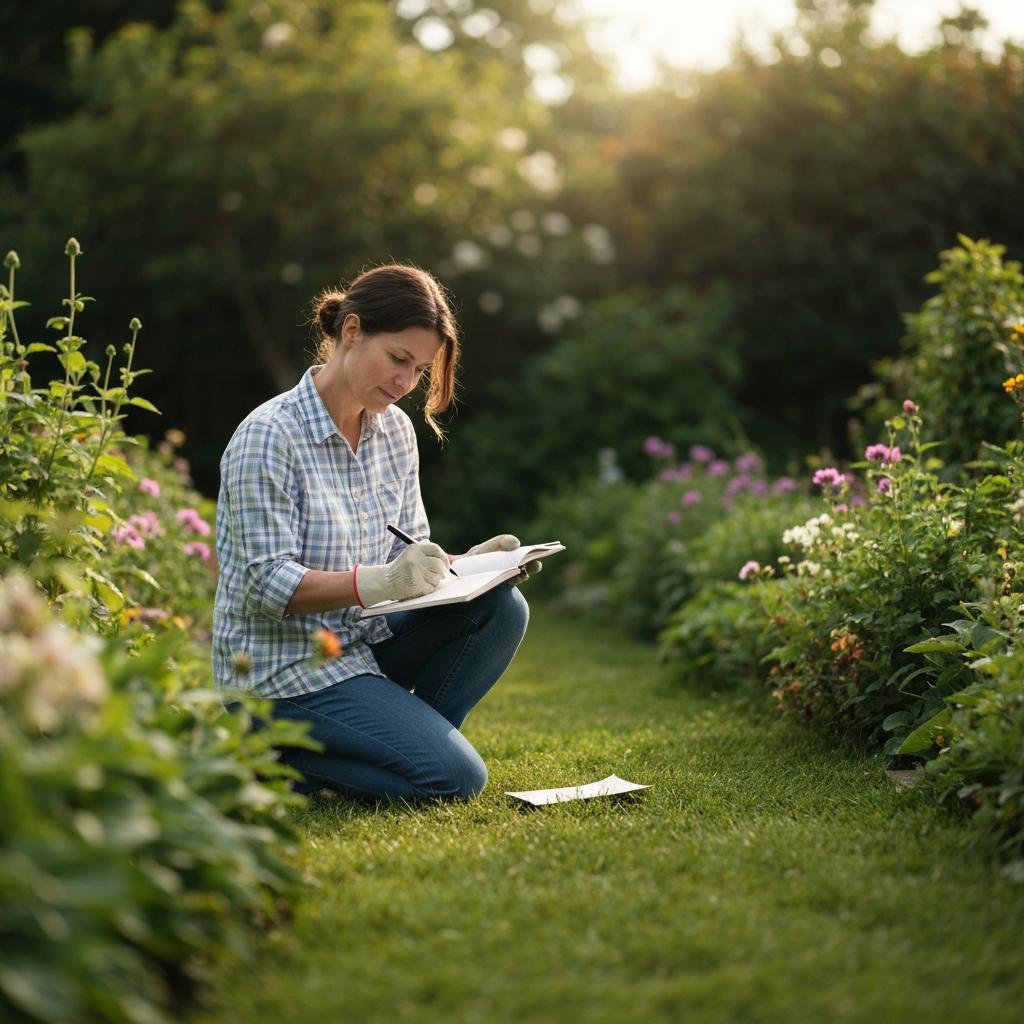
Selecting the right plants is the most important step. Opt for a diverse array of native flowering plants that attract a variety of pollinators. Different pollinators are attracted to different colors, shapes, and scents, so diversity is key. Some excellent choices include bee balm, coneflowers, milkweed (essential for monarch butterflies), lavender, and sunflowers.
When selecting plants, make sure they are free from pesticides. Many commercially grown plants are treated with neonicotinoids, which are harmful to pollinators. Purchase plants from reputable nurseries that use organic growing practices. Consider planting in clusters of the same species; this makes it easier for pollinators to find the flowers and collect pollen and nectar efficiently. Also, research what grows naturally in your region; these will often thrive with less maintenance.

Step 3: Create a Water Source
Pollinators need water just like any other living creature. Provide a shallow dish or bird bath with clean water and some stones or pebbles for them to land on. This prevents them from drowning. Replace the water regularly to prevent mosquito breeding and keep it fresh. A small fountain or drip system can also be a great addition, providing a constant source of moving water that attracts pollinators.
Location is important. Place the water source near your pollinator-friendly plants, but away from areas where pesticides or other chemicals may contaminate the water. Consider adding a few aquatic plants to the water source to provide additional habitat and filtration. A simple, inexpensive saucer filled with water and a few marbles will do the trick if you're on a budget.

Step 4: Provide Shelter and Nesting Sites
Pollinators need shelter from the elements and safe places to nest and reproduce. Leave some areas of your yard undisturbed, allowing leaf litter and dead wood to accumulate. These areas provide habitat for overwintering insects and nesting sites for bees. Consider building a bee house or bug hotel with different sized holes and materials like bamboo and twigs.
Avoid using leaf blowers, as they can destroy overwintering habitats. Native bees often nest in the ground, so leave some patches of bare soil undisturbed. Providing a variety of nesting options will attract a wider range of pollinators. A brush pile in a corner of your yard can also serve as excellent shelter for many beneficial insects.

Step 5: Practice Sustainable Gardening
Avoid using pesticides and herbicides in your yard. These chemicals are harmful to pollinators and can disrupt the entire ecosystem. Instead, use organic gardening practices to control pests and weeds. Encourage beneficial insects like ladybugs and lacewings, which prey on common garden pests. Use compost and other organic fertilizers to enrich the soil and promote healthy plant growth.
Mulch around your plants to conserve moisture and suppress weeds. Hand-pull weeds whenever possible. Consider using natural pest control methods like insecticidal soap or neem oil. Remember, a healthy ecosystem is a balanced ecosystem. By promoting biodiversity and avoiding harmful chemicals, you can create a thriving pollinator paradise without harming the environment.

Step 6: Plant a Living Fence
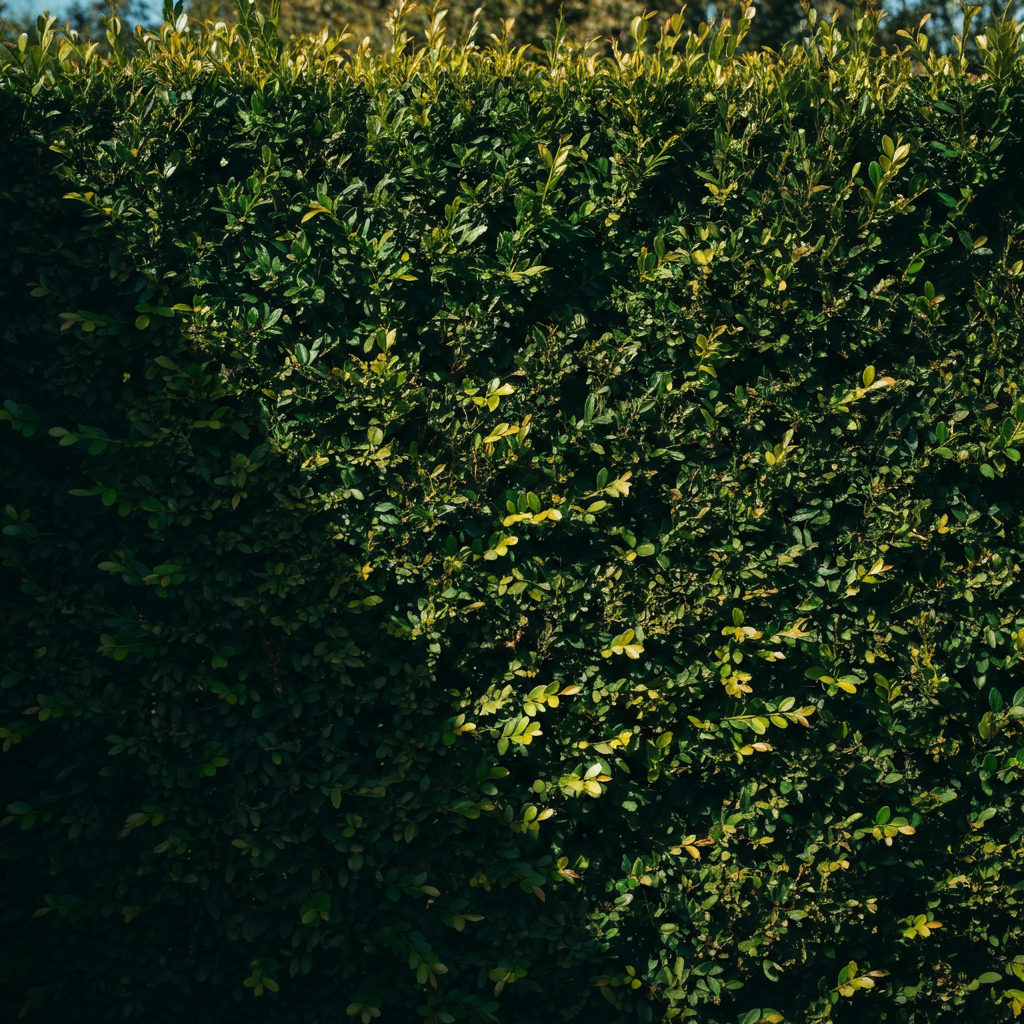
As ecological conditions change and conservation becomes a more pressing issue, farming and landscaping techniques are forced to evolve in order to encourage natural, sustainable practices that are beneficial to the environment. Living fences offer an alternative to traditional structures that provide privacy. They also can act as barrier against erosion and animal intruders and serve as habitats for many different plant, animal and insect species. By planting a living fence, you can enjoy idyllic beauty and keep your property in pristine condition without worrying about disrupting the natural order of the world outside your door.
First consider the water availability. If you can't guarantee that your plants will get the proper amount of water for their first year, there is a good chance they will not survive. For at least the first five years you need to have the ability to water them if conditions require it.
Tools or Materials Required
- Gardening gloves
- Shovels and trowels
- Watering can or hose
- Organic fertilizer and compost
- Mulch
- Bee house or bug hotel (optional)
- Shallow dish or bird bath
- Native plant seeds or seedlings
Common Mistakes to Avoid
- Using pesticides or herbicides
- Planting only one type of flower
- Not providing a water source
- Disturbing nesting sites
- Overwatering or underwatering plants
Safety Considerations
- Wear gardening gloves to protect your hands.
- Be aware of potential allergens from plants.
- Use caution when working with sharp tools.
- Avoid gardening during the hottest part of the day.
Pro Tips
- Join a local gardening club to learn from experienced gardeners.
- Start small and gradually expand your pollinator garden.
- Keep a gardening journal to track your progress and successes.
- Share your knowledge and inspire others to create pollinator habitats.
FAQ Section
Q: How do I attract butterflies to my garden?
A: Plant host plants like milkweed for monarch butterflies and provide nectar-rich flowers like butterfly bush and zinnias.
Q: What are the best plants for attracting bees?
A: Bee balm, lavender, coneflowers, and sunflowers are all excellent choices.
Q: How often should I water my pollinator garden?
A: Water deeply but infrequently, allowing the soil to dry out slightly between waterings. Adjust frequency based on weather conditions and plant needs.
Conclusion
Creating a pollinator paradise in your backyard is a rewarding experience that benefits both you and the environment. By providing the right food, water, shelter, and practicing sustainable gardening techniques, you can attract a diverse array of pollinators and contribute to a healthier planet. Remember to plan carefully, choose the right plants, and avoid harmful chemicals. With a little effort and dedication, you can transform your yard into a vibrant ecosystem that supports these vital creatures.