Bees are vital pollinators, essential for the health of our ecosystems and the productivity of our agriculture. Unfortunately, bee populations are declining due to habitat loss, pesticide use, and climate change. Creating a bee-friendly oasis in your backyard is a simple yet powerful way to support these important creatures and contribute to a healthier planet. It's not just about planting flowers; it's about creating a sustainable and welcoming environment that meets their needs for food, water, and shelter.
This guide will walk you through the steps involved in transforming your backyard into a haven for bees. From choosing the right plants to providing essential resources, we'll cover everything you need to know to create a thriving bee garden. Remember, every small effort counts, and even a small patch of bee-friendly habitat can make a big difference.
By following these steps, you'll not only be helping bees but also enriching your own life with the beauty and wonder of nature. Get ready to roll up your sleeves and create a buzzing paradise!
Step 1: Planning Your Bee Garden
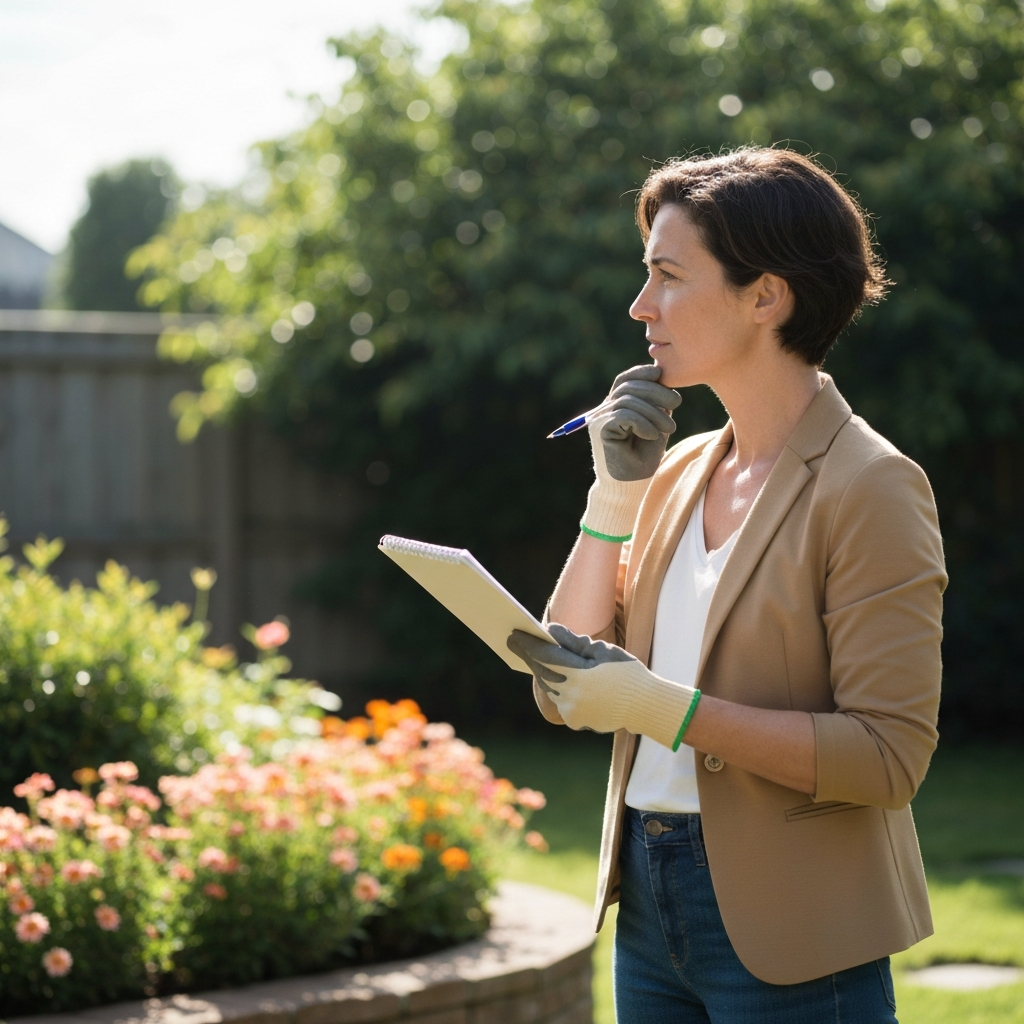
Before you start planting, take some time to plan your bee garden. Consider the amount of sunlight your yard receives, the type of soil you have, and the space available. Observe where the sun shines brightest and where it's shadiest. A successful bee garden needs a variety of flowering plants that bloom at different times of the year to provide a continuous source of nectar and pollen. Aim for a succession of blooms from early spring to late fall. Also, think about the mature size of the plants you choose to ensure they won't overcrowd each other.
Step 2: Selecting Bee-Friendly Plants
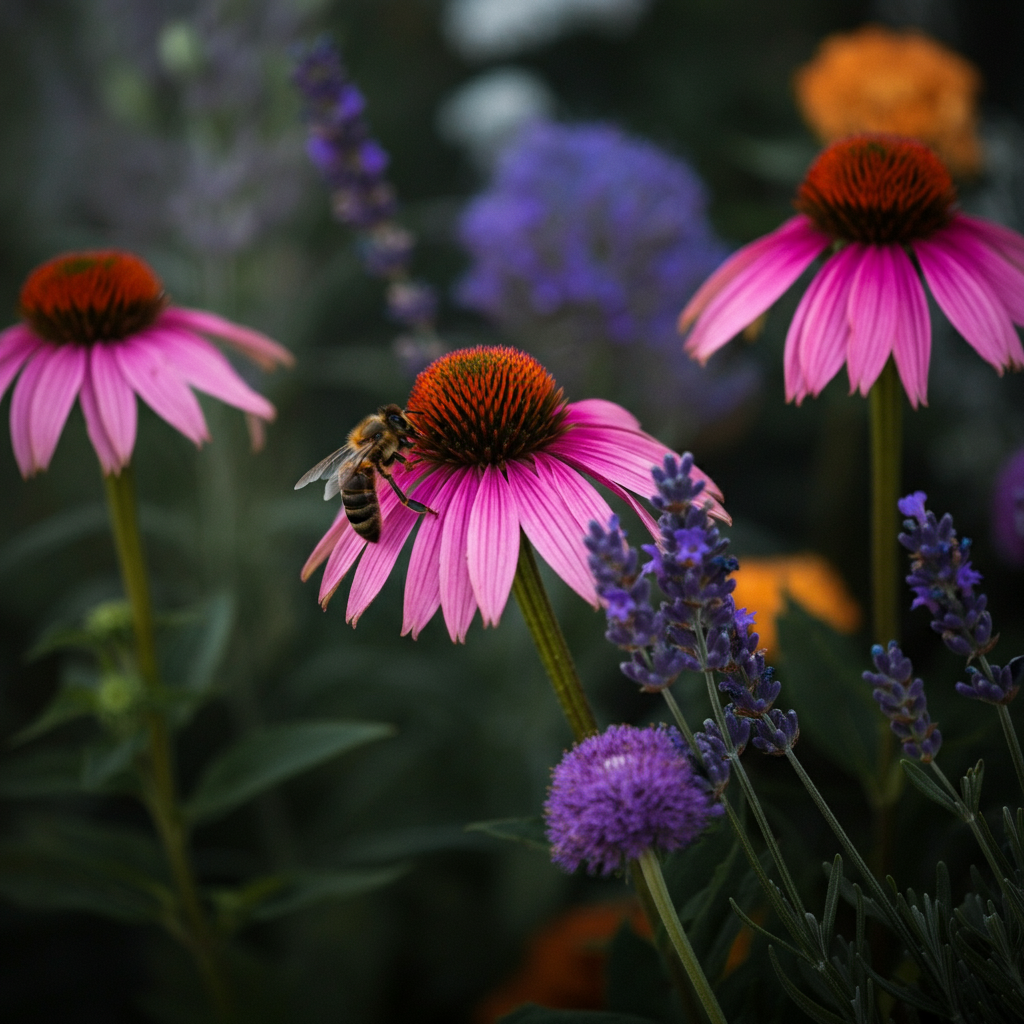
Choosing the right plants is crucial for attracting and supporting bees. Native plants are generally the best choice, as they are adapted to the local climate and provide the most nutritious food for native bees. Look for plants with single, open flowers, as double or highly modified flowers often lack nectar and pollen or make it difficult for bees to access. Good choices include lavender, bee balm (Monarda), coneflowers (Echinacea), sunflowers, and clover. Avoid using pesticides, especially systemic ones, as they can harm or kill bees. Consider grouping plants of the same species together to make it easier for bees to forage.
Step 3: Providing a Water Source
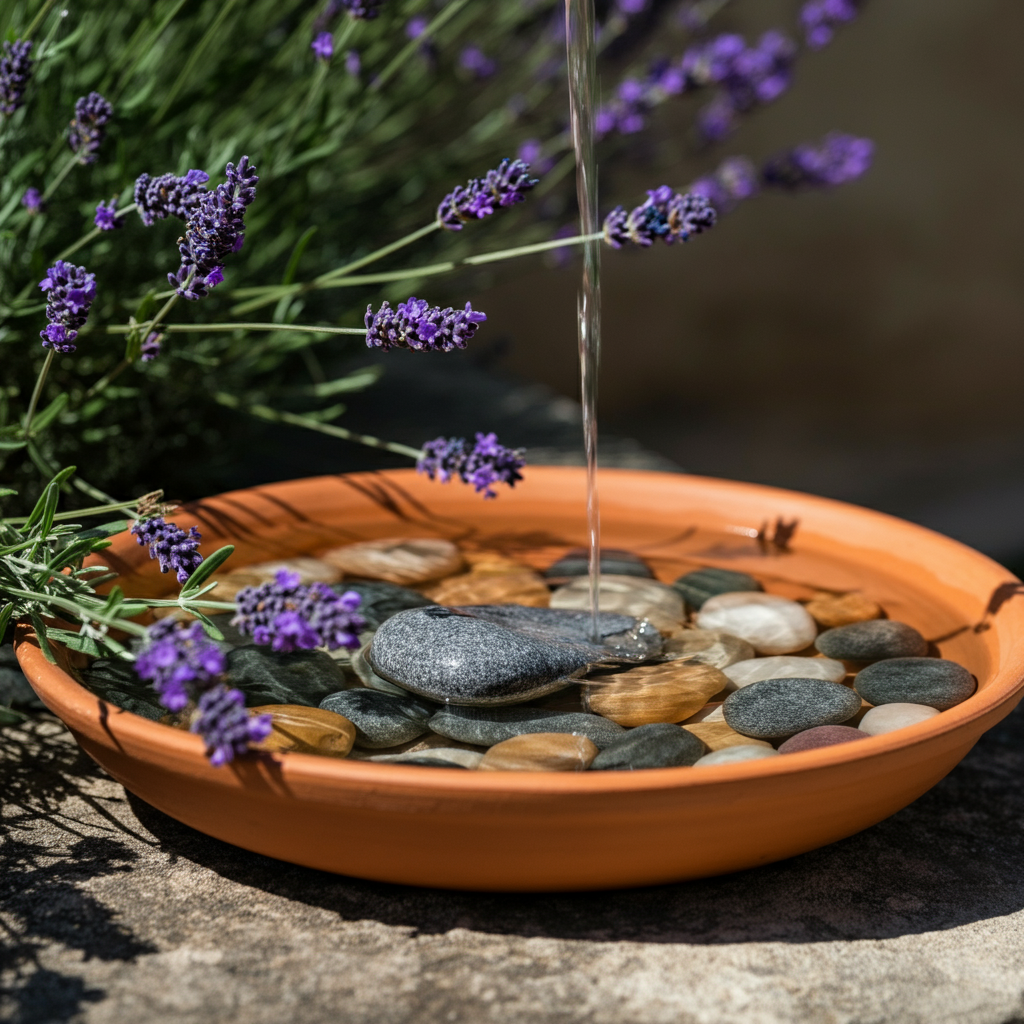
Bees need water, especially during hot weather. A shallow dish of water with pebbles or marbles for the bees to land on is an excellent way to provide a safe drinking source. The pebbles prevent bees from drowning. Change the water regularly to prevent the growth of algae and mosquitoes. You can also create a small, shallow puddle with a slightly muddy edge. Bees will often gather around these puddles to collect minerals and moisture.
Step 4: Creating Nesting Habitat
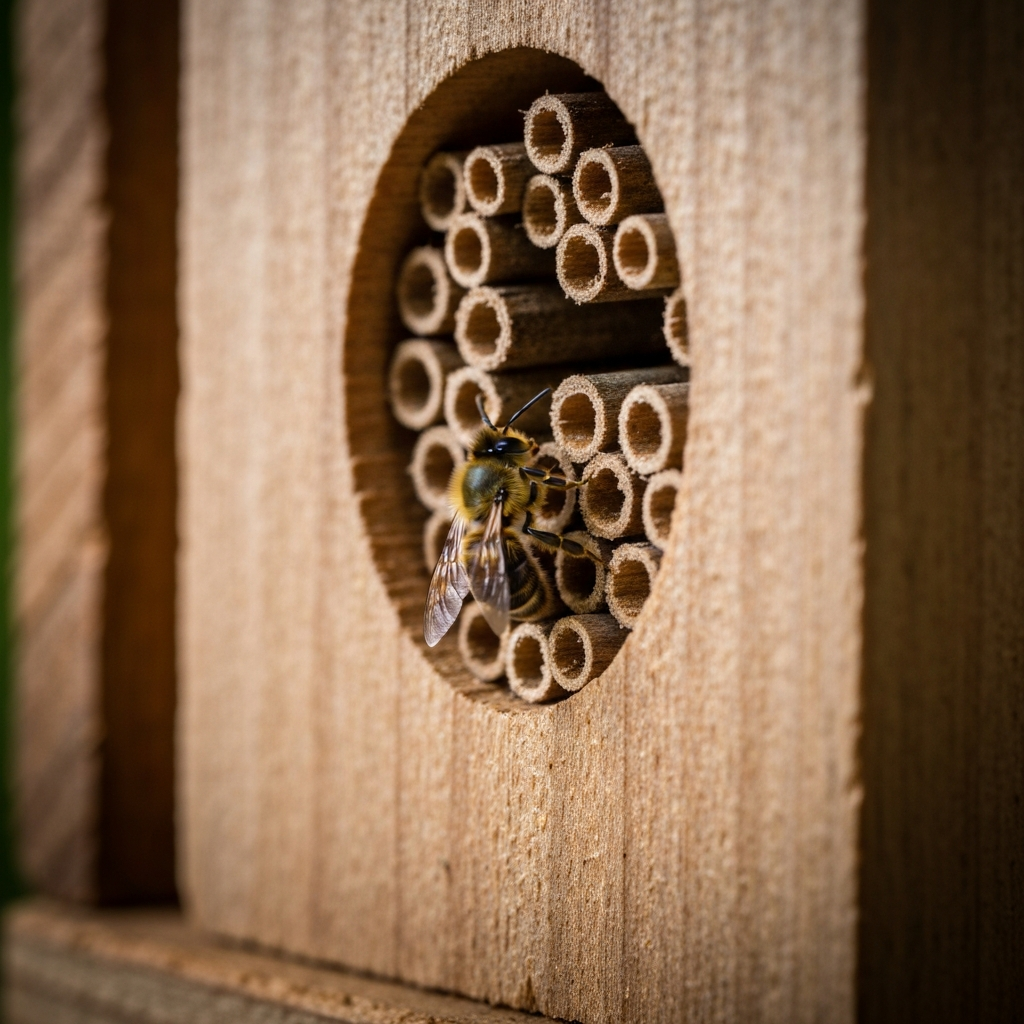
Many bee species are solitary and nest in the ground or in small cavities. You can create nesting habitat by leaving patches of bare soil undisturbed, providing bee houses with hollow stems or drilled wood blocks, or creating a brush pile in a corner of your yard. Avoid tilling or disturbing potential nesting sites, especially during the spring and summer months. Make sure bee houses are protected from rain and direct sunlight.
Step 5: Avoiding Pesticides and Herbicides
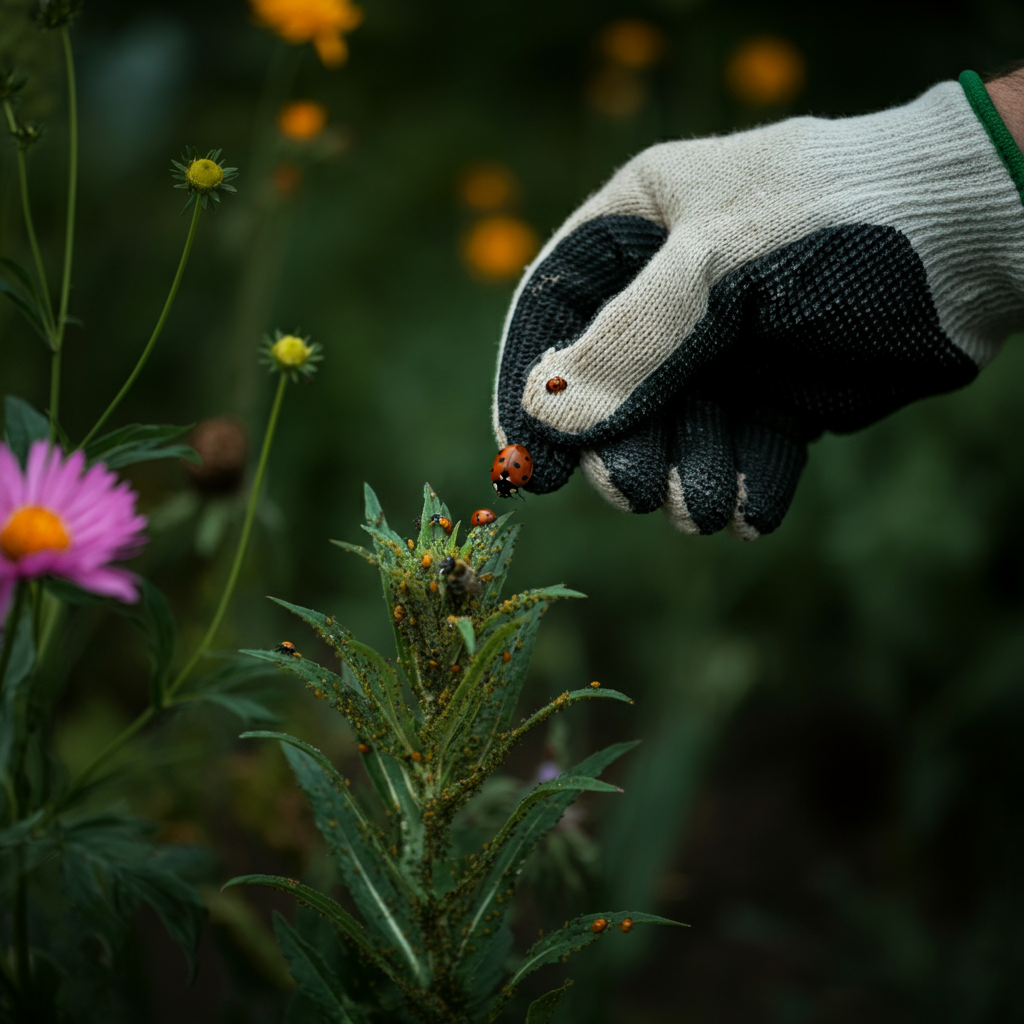
Pesticides and herbicides are harmful to bees and should be avoided whenever possible. If you must use them, choose the least toxic option and apply it carefully, avoiding spraying directly on flowers or during times when bees are actively foraging. Consider using organic gardening methods to manage pests and weeds. Encourage natural predators, such as ladybugs and lacewings, to control pest populations.
Step 6: Maintaining Your Bee Garden
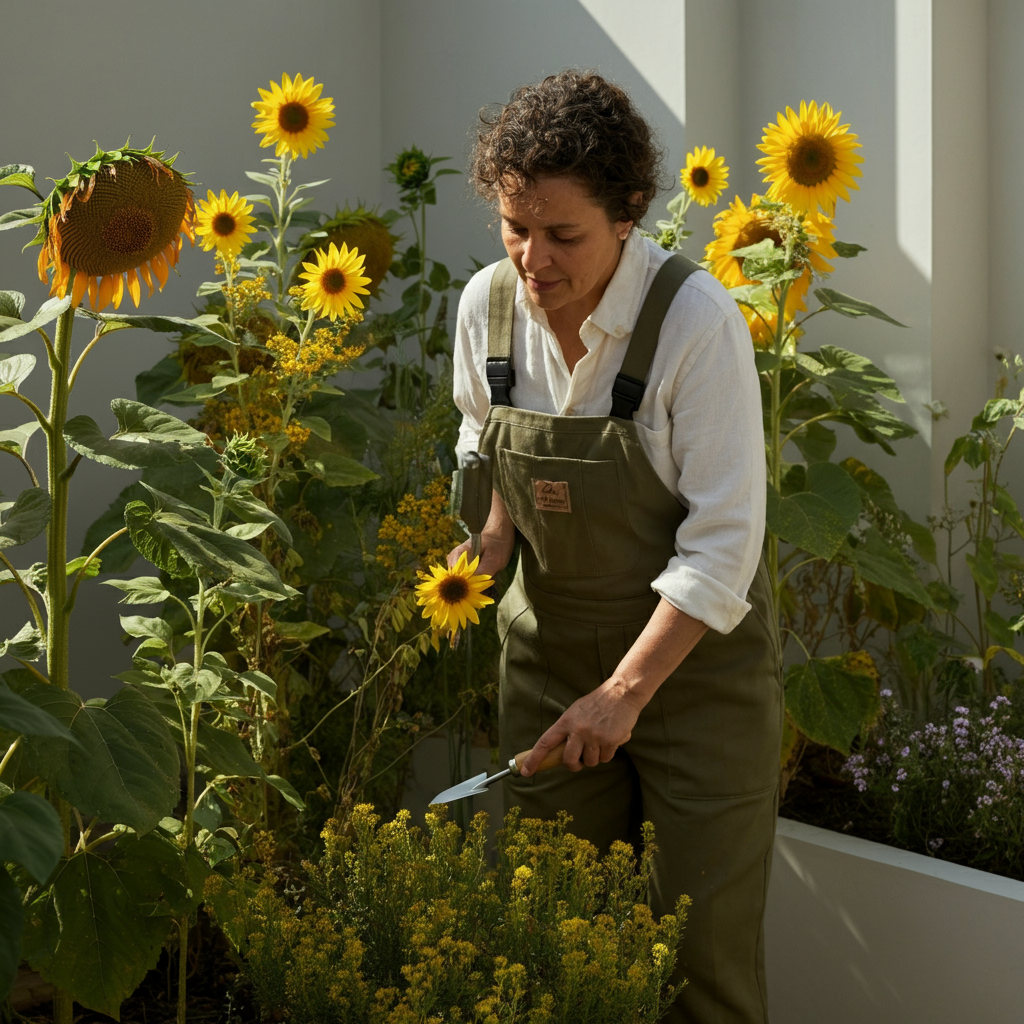
Regular maintenance is essential for keeping your bee garden healthy and thriving. Remove weeds that compete with your bee-friendly plants, water during dry spells, and deadhead spent flowers to encourage continued blooming. Add compost or other organic matter to the soil to improve its fertility. Observe your bee garden regularly to monitor bee activity and identify any potential problems. Consider adding new plants or making adjustments to your garden based on what you observe.
Common Mistakes to Avoid
- Planting only single-bloom varieties, which lack pollen and nectar.
- Using pesticides, which are toxic to bees.
- Overwatering plants.
- Disturbing nesting sites.
- Not providing a water source.
FAQ Section
Q: What if I don't have a lot of space?
A: Even a small container garden on a balcony or patio can provide valuable habitat for bees. Choose small, bee-friendly plants and provide a water source.
Q: How can I tell if bees are using my garden?
A: Look for bees actively foraging on your flowers. You may also see bees entering and exiting nesting sites.
Q: What if I'm allergic to bees?
A: Most bees are not aggressive and will only sting if they feel threatened. However, if you are allergic to bees, take precautions such as wearing protective clothing and carrying an epinephrine auto-injector.
Conclusion
Creating a bee-friendly oasis in your backyard is a rewarding experience that benefits both bees and the environment. By providing food, water, and shelter, you can help support these essential pollinators and create a beautiful and vibrant garden. Remember to choose native plants, avoid pesticides, and provide a water source. With a little planning and effort, you can transform your backyard into a haven for bees and contribute to a healthier planet.