Bees are essential pollinators, playing a crucial role in our ecosystem and food production. Sadly, bee populations are declining due to habitat loss, pesticide use, and climate change. But there's something you can do! Even a small backyard can become a haven for these vital creatures. Creating a bee-friendly oasis doesn't require a fortune; with a little planning and creativity, you can transform your outdoor space into a buzzing paradise.
This guide provides practical, budget-conscious steps to help you attract and support bees in your backyard. We'll cover everything from selecting the right plants to providing essential resources like water and shelter. Get ready to roll up your sleeves and create a beautiful, beneficial garden that both you and the bees will love. Remember, even small actions can make a big difference.
Let's embark on this exciting journey to create a bee-friendly backyard oasis that's both beautiful and beneficial for the environment. Prepare to be amazed by the beauty and activity that a bee-friendly garden brings to your home.
Step 1: Assess Your Space and Plan
Before you start planting, take a good look at your backyard. Consider the amount of sunlight each area receives, the type of soil you have, and any existing plants. Map out your space and identify areas where you can add bee-friendly elements. Think about creating different zones with varying heights and textures to cater to different bee species. Even a small balcony or patio can be transformed into a bee-friendly haven with container gardening.
Step 2: Choose the Right Plants
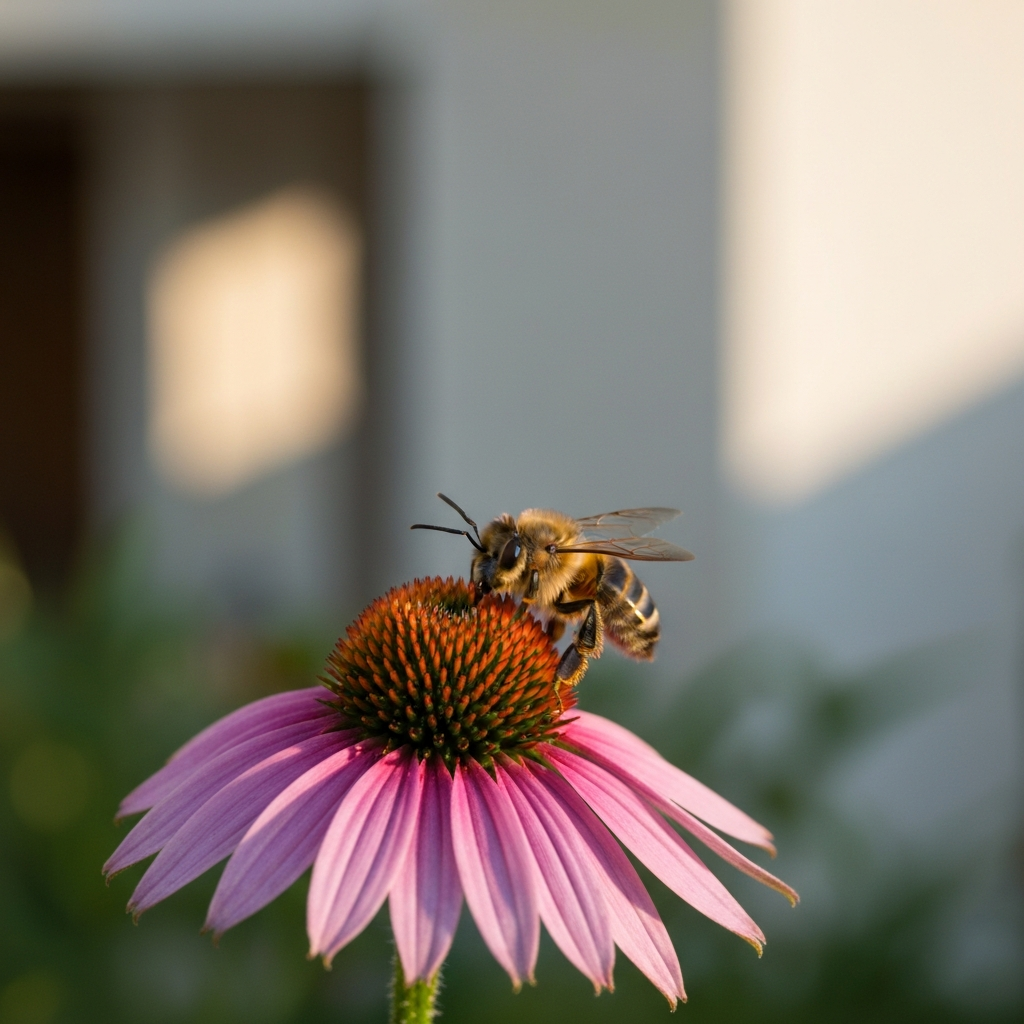
Selecting the right plants is crucial for attracting bees. Focus on native wildflowers and flowering herbs that provide nectar and pollen throughout the growing season. Choose a variety of plants with different bloom times to ensure a continuous food source for bees from early spring to late fall. Consider planting in clumps to create a visually appealing and easily accessible foraging area for bees. Excellent choices include lavender, bee balm (Monarda), sunflowers, coneflowers (Echinacea), and clover.
Step 3: Source Plants on a Budget
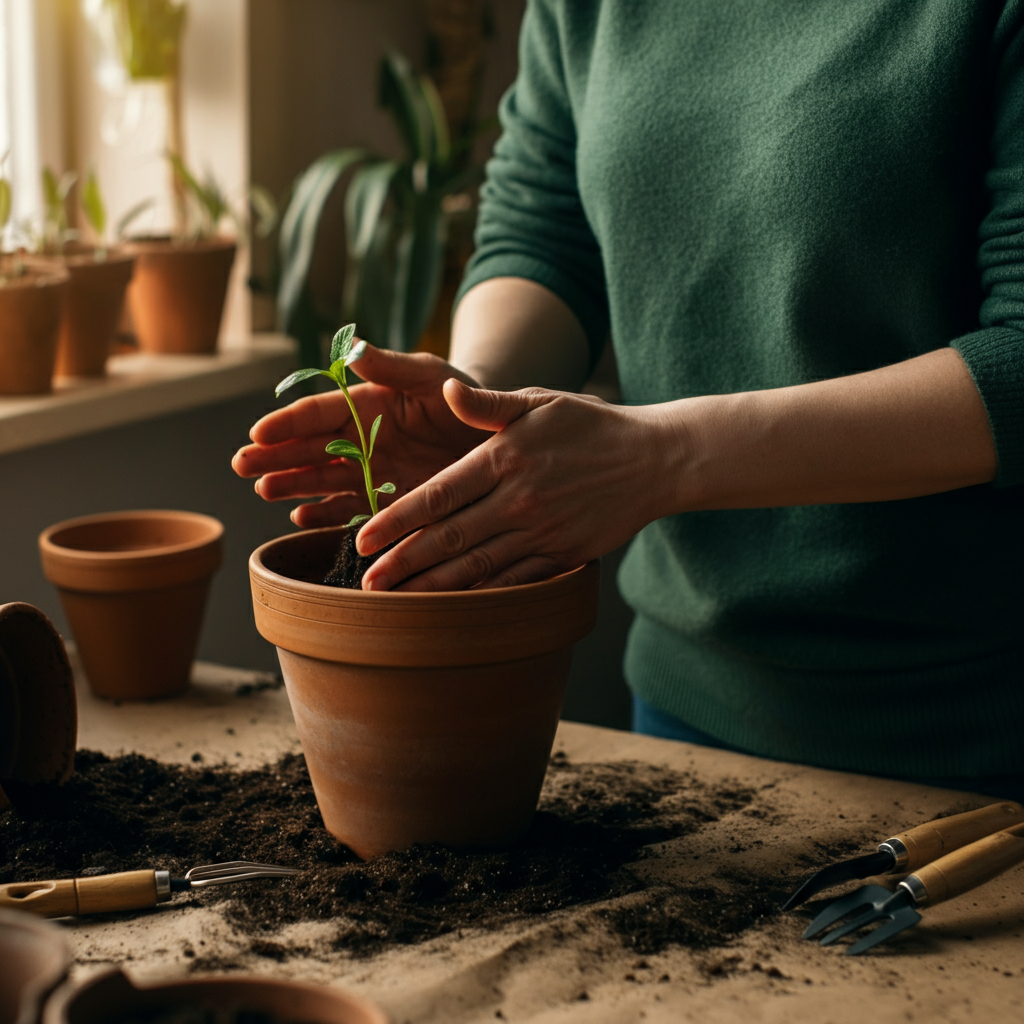
Creating a bee-friendly garden doesn't have to break the bank. Start seeds indoors or purchase seedlings from local nurseries or garden centers. Look for plant sales or swaps in your community, where you can often find plants at discounted prices or even for free. Consider propagating plants from cuttings or divisions from friends or neighbors. Don't underestimate the power of free resources like local gardening groups and online forums, where you can often find plant donations or trades.
Step 4: Provide a Water Source
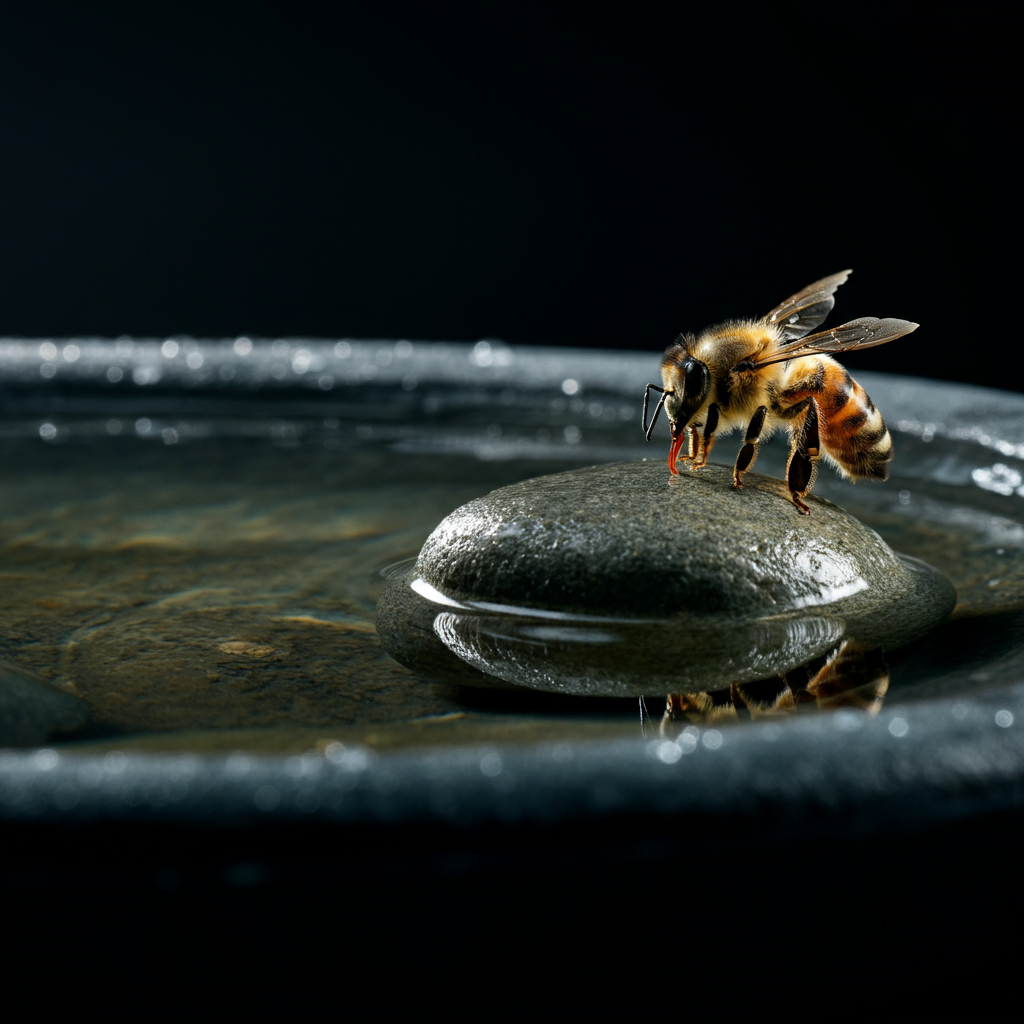
Bees need water just like any other living creature. Create a shallow water source with pebbles or marbles that bees can land on to drink without drowning. A simple bird bath with a few strategically placed rocks can work wonders. Replace the water regularly to prevent mosquito breeding and keep it clean. You can also create a small, muddy puddle in a shady area, as some bees use mud to build their nests.
Step 5: Create Bee Habitat
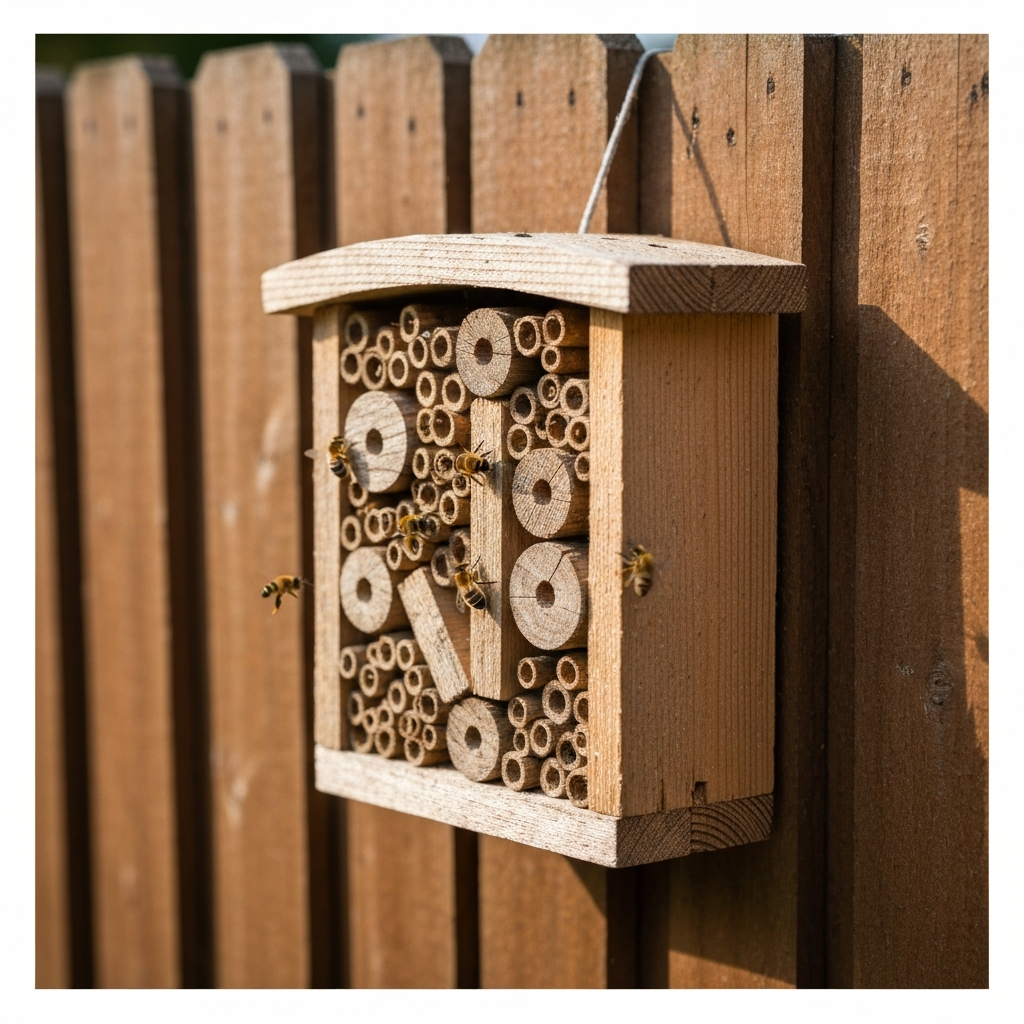
Many bee species are solitary and nest in the ground or in cavities. Leave some areas of bare soil for ground-nesting bees. Consider building or buying a bee hotel – a structure with drilled holes or tubes where bees can lay their eggs. You can create a simple bee hotel by drilling different sized holes into a block of wood or bundling together hollow stems like bamboo or reeds. Place the bee hotel in a sunny, sheltered location.
Step 6: Avoid Pesticides and Herbicides
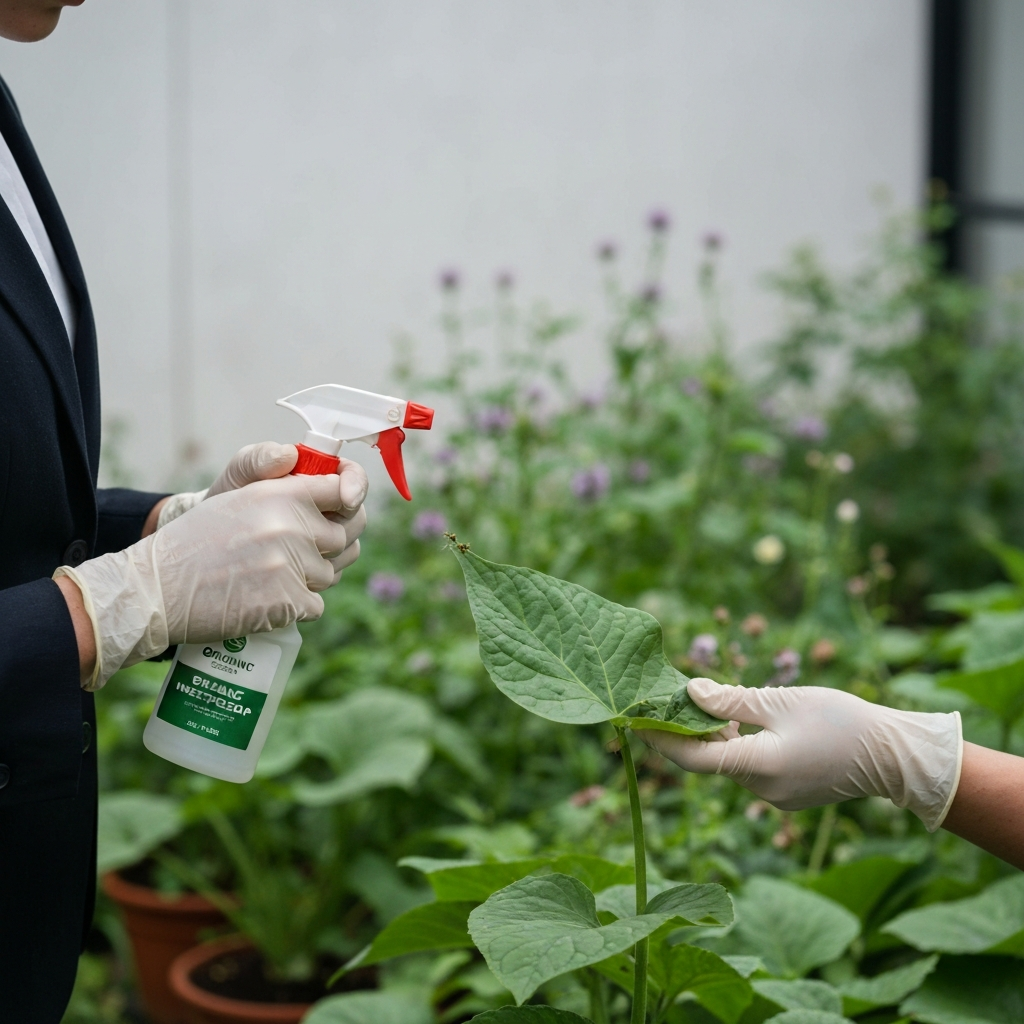
The most crucial step in creating a bee-friendly garden is to eliminate the use of pesticides and herbicides. These chemicals are harmful to bees and other beneficial insects. Opt for natural pest control methods, such as hand-picking pests, using insecticidal soap, or introducing beneficial insects like ladybugs. Encourage a healthy ecosystem in your garden to naturally control pests.
Tools or Materials Required
- Gardening gloves
- Shovels and trowels
- Watering can or hose
- Seeds or seedlings
- Pebbles or marbles
- Drill (for bee hotel)
- Wood or bamboo (for bee hotel)
Common Mistakes to Avoid
- Planting only single-petal flowers (double blooms often lack nectar and pollen)
- Using pesticides or herbicides
- Providing a water source that is too deep
- Not providing enough variety of plants
Pro Tips
- Group plants with similar needs together for easier care.
- Leave the leaves and stems of some plants standing over winter to provide overwintering habitat for bees.
- Add compost or other organic matter to improve soil health.
FAQ Section
- What if I don't have a lot of space?
- Container gardening is a great option for small spaces. You can grow many bee-friendly plants in pots on a balcony or patio.
- How do I attract specific types of bees?
- Research the native bee species in your area and choose plants that are known to attract them.
- Will a bee garden attract more stinging insects?
- While you might attract some stinging insects, bees are generally not aggressive unless threatened. Maintaining a safe distance and avoiding swatting at them will prevent most stings.
Conclusion
Creating a bee-friendly backyard oasis on a budget is not only possible but also incredibly rewarding. By following these simple steps, you can provide vital resources for bees and contribute to a healthier environment. Remember to choose the right plants, provide a water source, create habitat, and avoid pesticides. Your small actions can make a big difference in supporting bee populations and creating a beautiful and thriving ecosystem in your backyard. So get started today and enjoy the buzz!