Your signature style is more than just the clothes you wear; it's a reflection of your personality, values, and aspirations. It's the visual shorthand you use to communicate who you are to the world. Developing a cohesive and authentic personal style takes time and self-reflection, but the result is a wardrobe and grooming routine that empowers you and makes you feel confident in any situation.
This handbook is designed to guide you through the process of discovering, defining, and refining your signature style. We'll explore everything from identifying your personal style influences to building a functional and versatile wardrobe. This isn't about blindly following trends; it's about cultivating a style that is uniquely yours. Get ready to embark on a journey of self-discovery and sartorial empowerment.
The beauty of a signature style lies in its sustainability. It's not about fleeting fads but about timeless pieces and combinations that will serve you well for years to come. With a curated closet and a refined personal grooming routine, you'll not only look your best but also save time and money in the long run.
Step 1: Self-Assessment and Inspiration Gathering
Before you can define your signature style, you need to understand yourself. Consider your lifestyle, values, and the image you want to project. Ask yourself: What are your favorite colors? What silhouettes do you find most flattering? What activities do you spend most of your time doing? Create a mood board, either physical or digital, with images that resonate with you. This could include fashion editorials, street style photos, artwork, nature scenes, or anything that evokes the feeling you want to embody.

Step 2: Identifying Key Style Influences
Everyone is influenced by something – whether it's a particular era, a favorite designer, or a specific subculture. Think about the people whose style you admire. What is it about their look that appeals to you? Is it the effortless chic of Audrey Hepburn, the edgy coolness of Patti Smith, or the classic elegance of Cary Grant? Don't copy their style outright, but use it as a starting point to explore different elements and adapt them to your own personal taste. Consider also the historical periods or artistic movements that resonate with your aesthetic sensibilities. Do you gravitate toward the clean lines of mid-century modern design, the romanticism of the Victorian era, or the bold colors of the Pop Art movement?

Step 3: Defining Your Color Palette
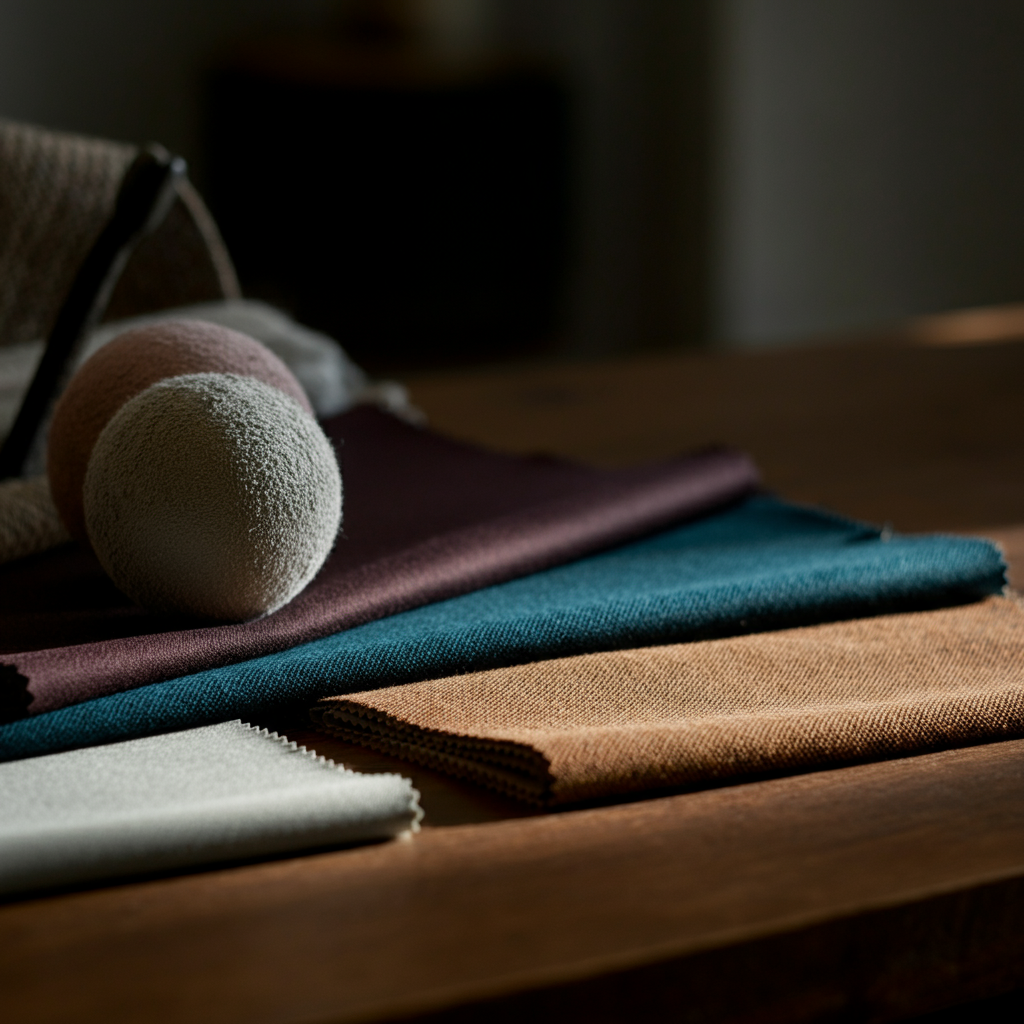
Choosing a color palette is crucial for creating a cohesive and versatile wardrobe. Consider your skin tone, hair color, and eye color when selecting colors. Neutral colors like black, white, gray, navy, and beige are excellent foundational colors that can be easily mixed and matched. Then, add a few accent colors that complement your complexion and reflect your personality. Experiment with different color combinations to see what works best for you. A color wheel can be a helpful tool for understanding color relationships and creating harmonious palettes.
Step 4: Determining Your Signature Silhouettes
Silhouettes refer to the overall shape and form of your clothing. Experiment with different silhouettes to find what flatters your body type and suits your personal taste. Do you prefer fitted or loose-fitting garments? Do you like A-line skirts, pencil skirts, or flared pants? Do you feel comfortable in dresses, jumpsuits, or separates? Once you identify the silhouettes that work best for you, focus on incorporating them into your wardrobe. Remember that comfort is key; choose silhouettes that allow you to move freely and feel confident.
Step 5: Building a Capsule Wardrobe
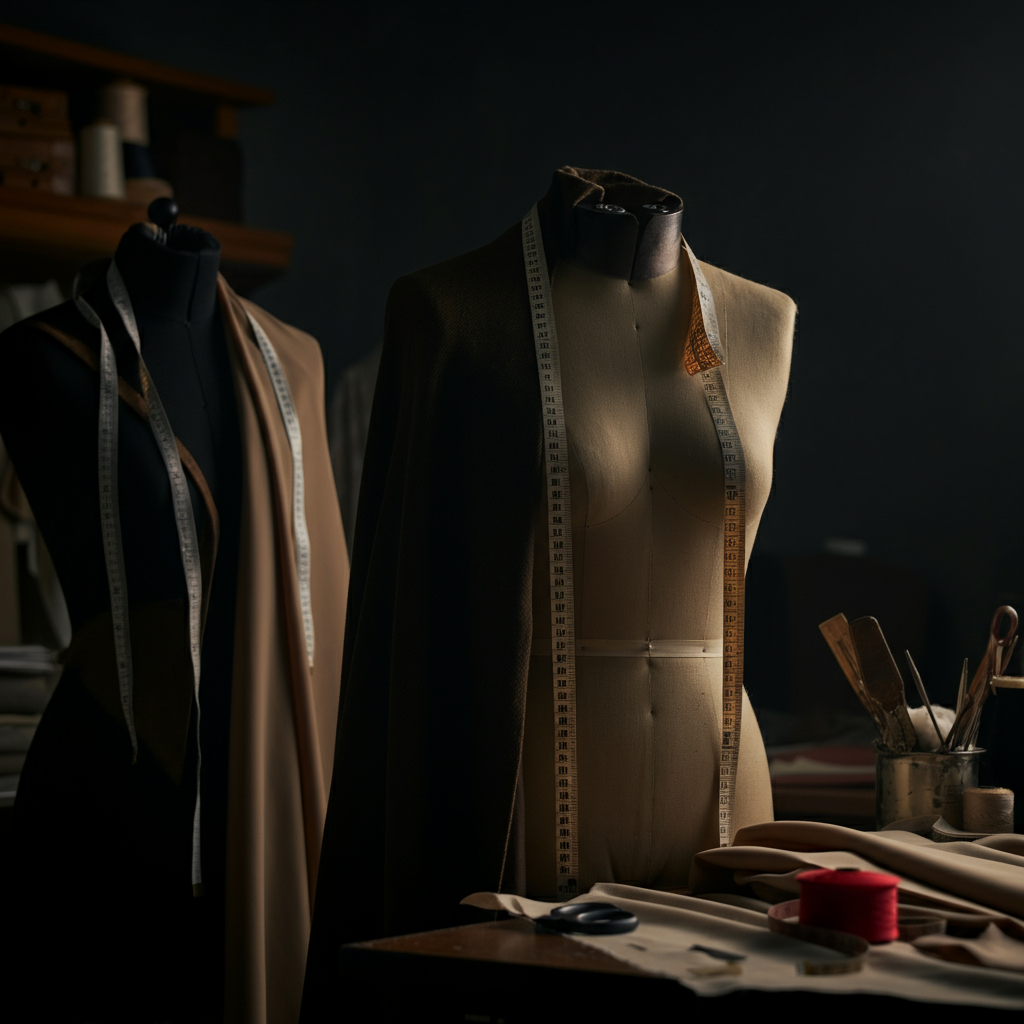
A capsule wardrobe is a collection of essential clothing items that can be mixed and matched to create a variety of outfits. Start with a few high-quality basics in neutral colors, such as a well-fitting blazer, a classic white shirt, a pair of tailored trousers, and a versatile dress. Then, add a few statement pieces that reflect your personal style. Choose items that are timeless and versatile, and that can be easily dressed up or down. A capsule wardrobe is not about minimalism; it's about curating a collection of clothing that you love and that works well together.

Step 6: Accessorizing with Intention
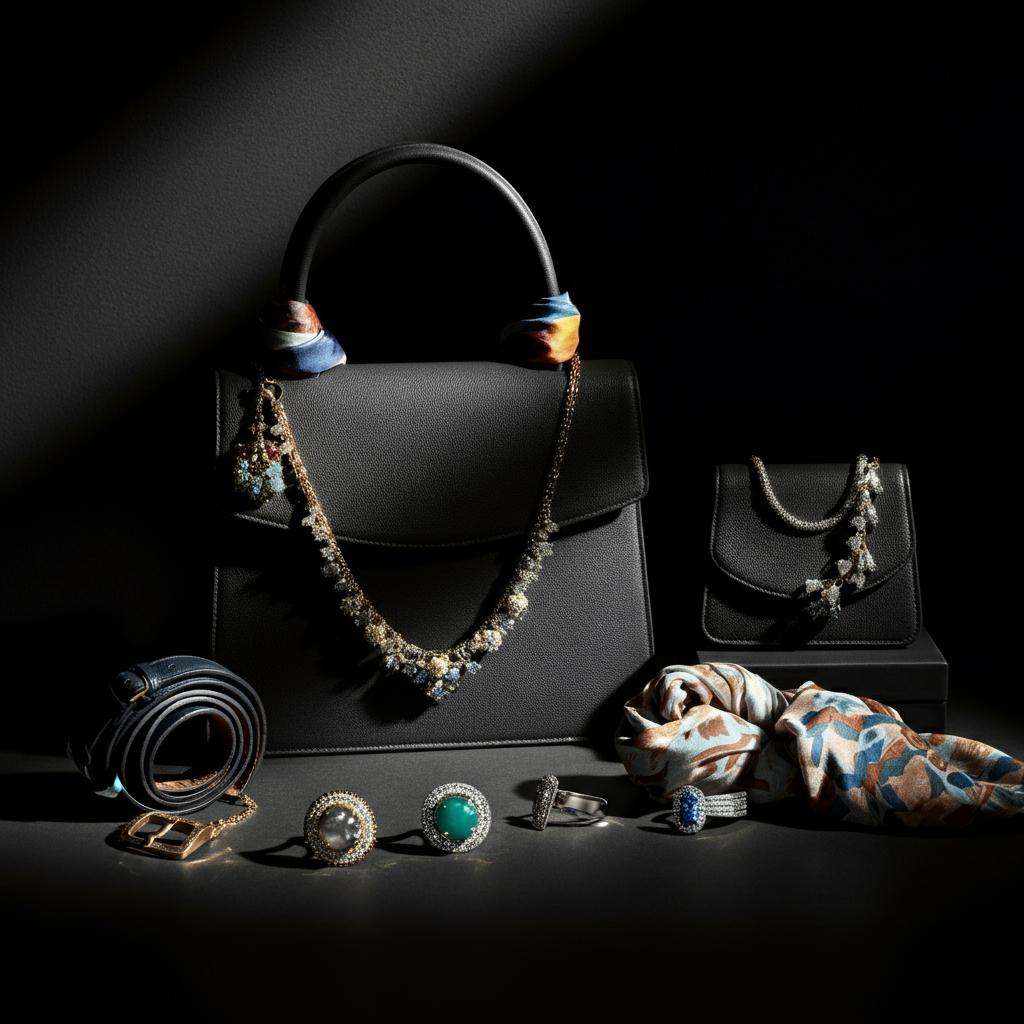
Accessories are the finishing touches that can elevate any outfit and express your personal style. Choose accessories that complement your clothing and reflect your personality. Consider adding a signature piece of jewelry, a stylish scarf, a statement belt, or a pair of eye-catching shoes. Don't overdo it; less is often more. Choose accessories that are meaningful to you and that tell a story. Pay attention to the details, such as the quality of the materials and the craftsmanship of the pieces.
Step 7: Grooming and Personal Care Rituals
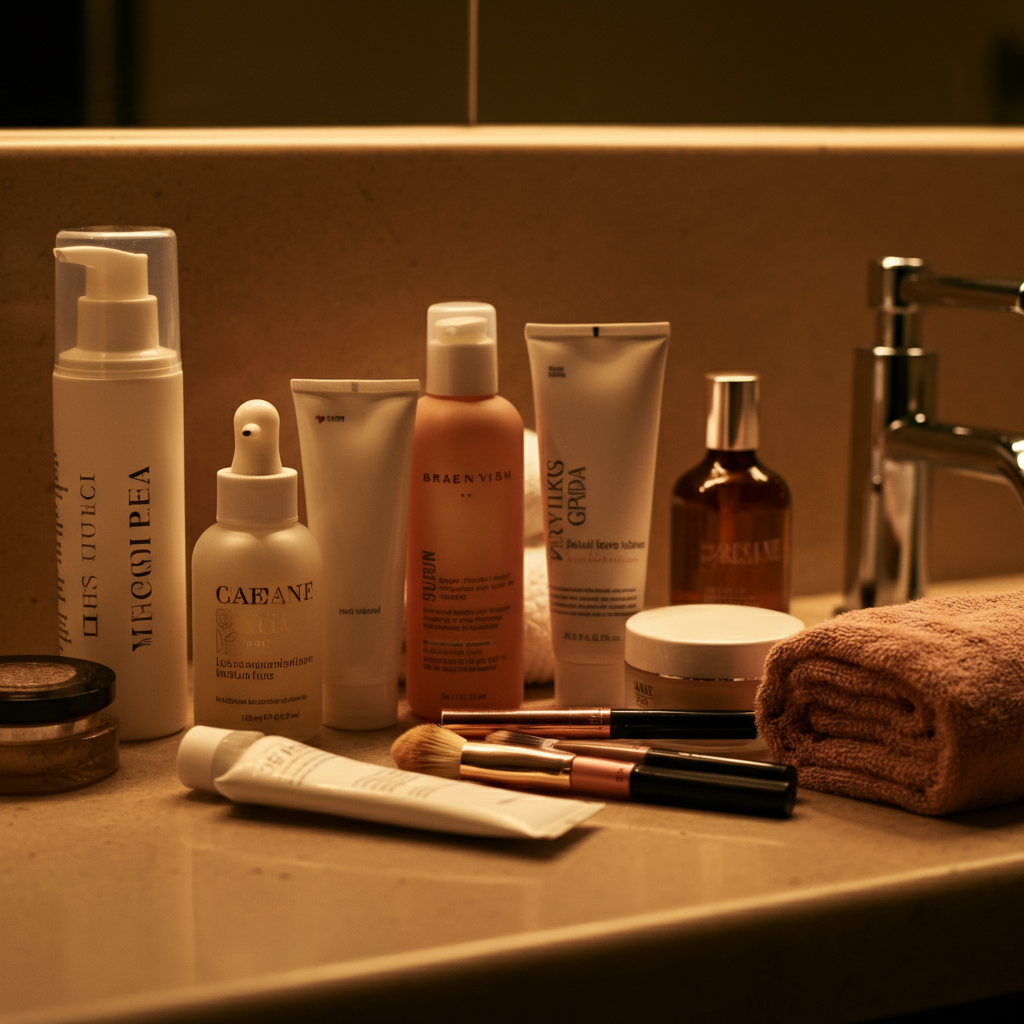
Your signature style extends beyond your clothing to your grooming and personal care routine. Find a hairstyle that suits your face shape and personality. Develop a skincare routine that keeps your skin healthy and radiant. Choose a signature scent that you love. Pay attention to the details, such as your nails, your eyebrows, and your overall hygiene. Your grooming routine should be a reflection of your self-care practices. Invest in high-quality grooming products that are effective and gentle on your skin and hair.
Pro Tips:
- Invest in quality over quantity. Choose well-made pieces that will last for years.
- Don't be afraid to experiment and try new things.
- Pay attention to the fit of your clothing. Ill-fitting clothes can ruin even the most stylish outfit.
- Find a tailor who can alter your clothes to fit you perfectly.
- Don't be afraid to break the rules. Fashion is about self-expression.
FAQ Section:
Q: How do I find my personal style if I don't know where to start?
A: Start by gathering inspiration from different sources and experimenting with different styles until you find something that resonates with you.
Q: How do I build a capsule wardrobe on a budget?
A: Focus on buying versatile basics that can be mixed and matched. Shop at thrift stores or consignment shops for affordable options.
Q: How do I know if something looks good on me?
A: Trust your instincts. If you feel confident and comfortable in something, it probably looks good on you.
Conclusion
Crafting your signature style is an ongoing process of self-discovery and refinement. By taking the time to understand yourself, identifying your style influences, and building a cohesive wardrobe and grooming routine, you can create a personal style that is authentic, empowering, and uniquely yours. Remember to stay true to yourself and have fun with the process. Your signature style is a reflection of who you are, so make it a statement that you're proud to wear.