Developing a signature style isn't about blindly following trends. It's about understanding yourself, your lifestyle, and what makes you feel confident and authentic. Your personal style is a visual representation of your personality, allowing you to express yourself without saying a word. It's a journey of self-discovery, experimentation, and ultimately, finding what resonates with you.
This guide will walk you through the essential steps to crafting your signature look. We'll explore how to analyze your current wardrobe, identify your style inspirations, and build a cohesive aesthetic that reflects your unique identity. Remember, this isn't a one-size-fits-all process. It's about creating a style that's uniquely yours and that evolves with you over time.
Crafting a signature look is an investment in yourself. It's about feeling comfortable and confident in your own skin, and projecting that confidence to the world. It's about curating a wardrobe that you love, not one that dictates who you should be.
Step 1: Self-Assessment: Understanding Your Current Style
Before you can create something new, you need to understand where you're starting. Take a critical look at your current wardrobe. What pieces do you gravitate towards? What colors and silhouettes make you feel good? Are there any items you consistently avoid wearing? This step involves honest self-reflection. Don't judge your current style; simply observe it.

Step 2: Defining Your Lifestyle and Needs
Your clothing choices should align with your daily activities. A student's wardrobe will differ significantly from that of a corporate executive or a freelance artist. Consider your work environment, hobbies, social engagements, and any other regular activities. A practical wardrobe considers both form and function. If you spend most of your time outdoors, durable and comfortable pieces will be essential. If your work requires a polished appearance, tailored separates and structured garments will be more suitable.

Step 3: Identifying Your Style Inspirations
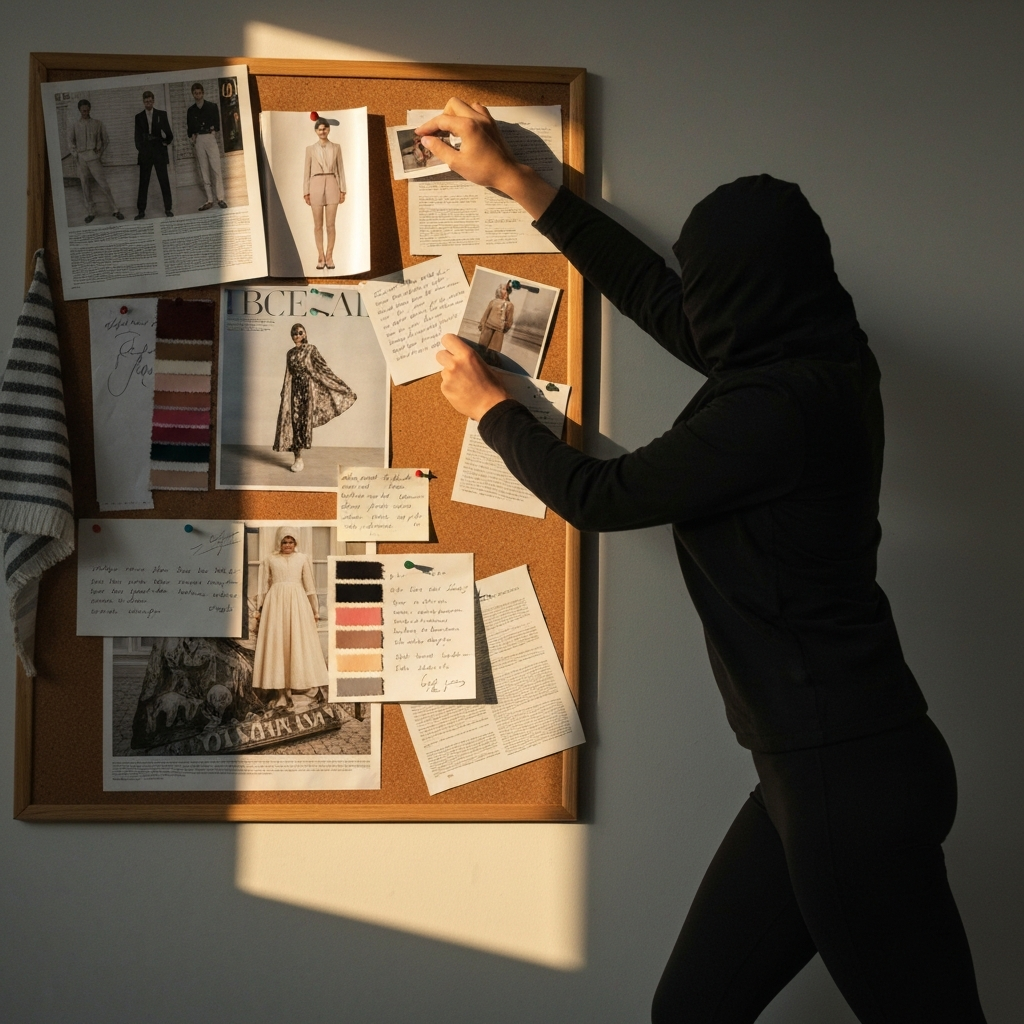
Explore different sources of inspiration: magazines, blogs, social media, movies, and even people you admire. Create a mood board – either physical or digital – to collect images that resonate with you. Pay attention to the overall aesthetic, color palettes, and specific details that catch your eye. Don't copy someone else's style directly, but use it as a starting point to develop your own unique interpretation. Look for recurring themes in your inspirations to identify your core style preferences. Research subcultures and genres that appeal to you.
Step 4: Choosing a Color Palette
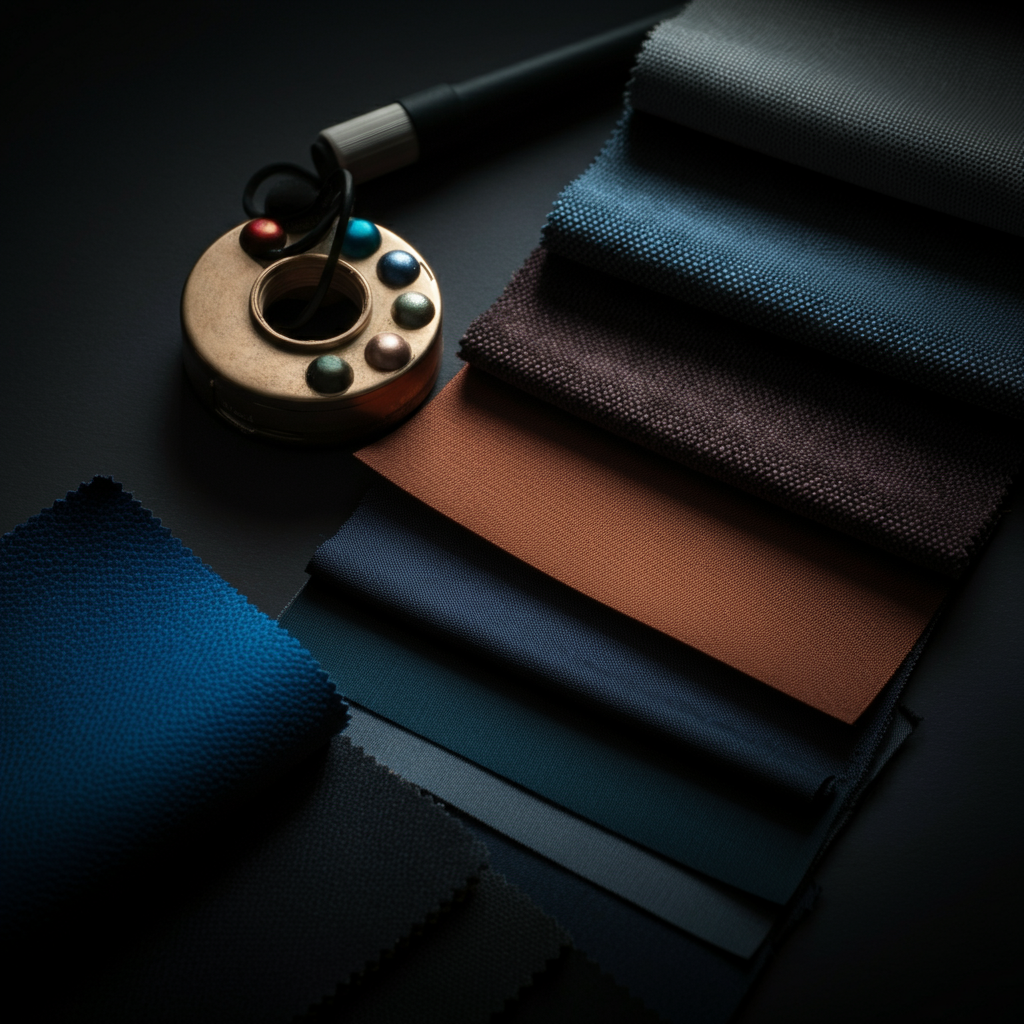
Color plays a crucial role in creating a cohesive style. Determine which colors complement your skin tone, hair color, and eye color. Do you prefer warm or cool tones? Neutral or vibrant hues? Start with a base of neutral colors (black, white, gray, navy, beige) and then add a few accent colors to create visual interest. Experiment with different color combinations to see what works best for you. Consider the psychological effects of different colors; for example, blue is often associated with calmness and stability, while red evokes passion and energy.
Step 5: Selecting Key Pieces and Silhouettes
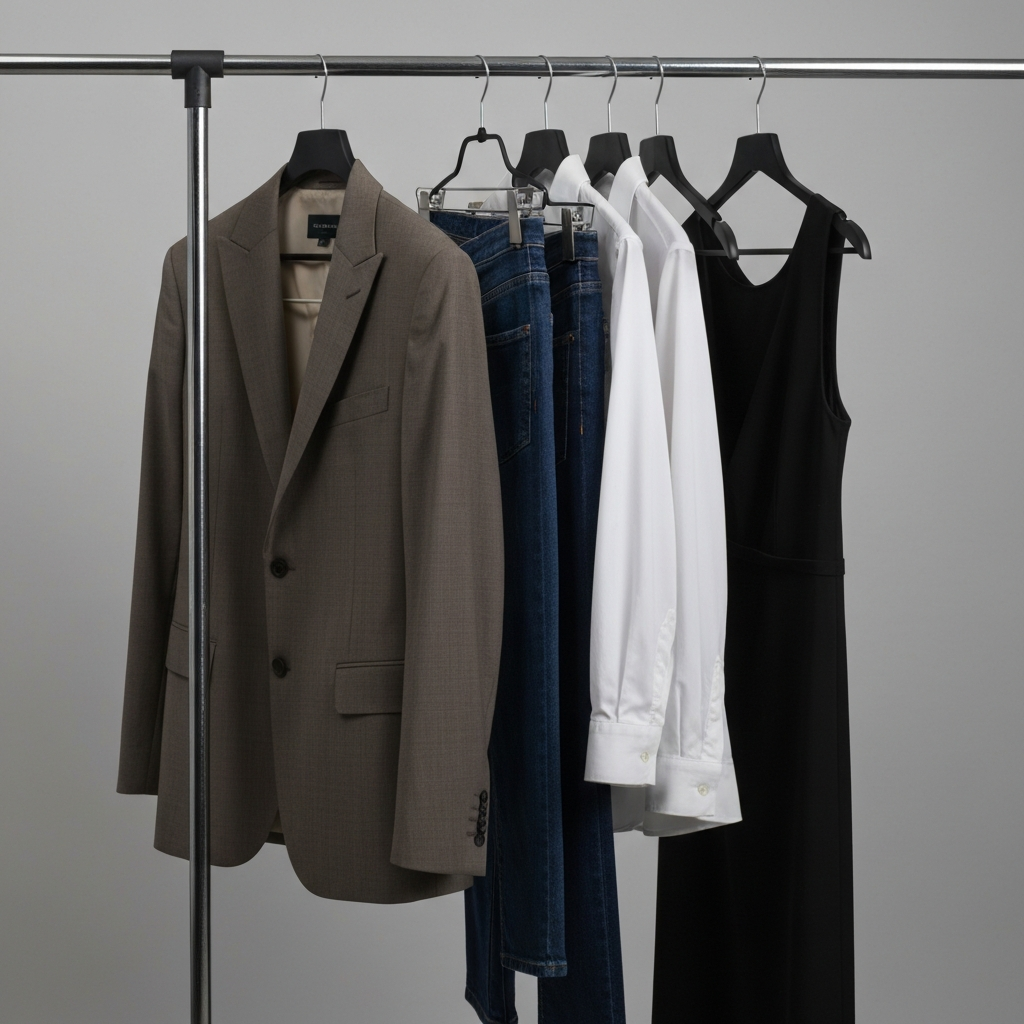
Identify the core pieces that will form the foundation of your signature look. These are the items that you can mix and match to create a variety of outfits. Consider your body type and choose silhouettes that flatter your figure. A well-fitting garment can make a significant difference in your overall appearance. A tailored blazer, a classic button-down shirt, a versatile pair of trousers, and a comfortable pair of shoes are essential building blocks for many wardrobes.
Step 6: Accessorizing with Intention
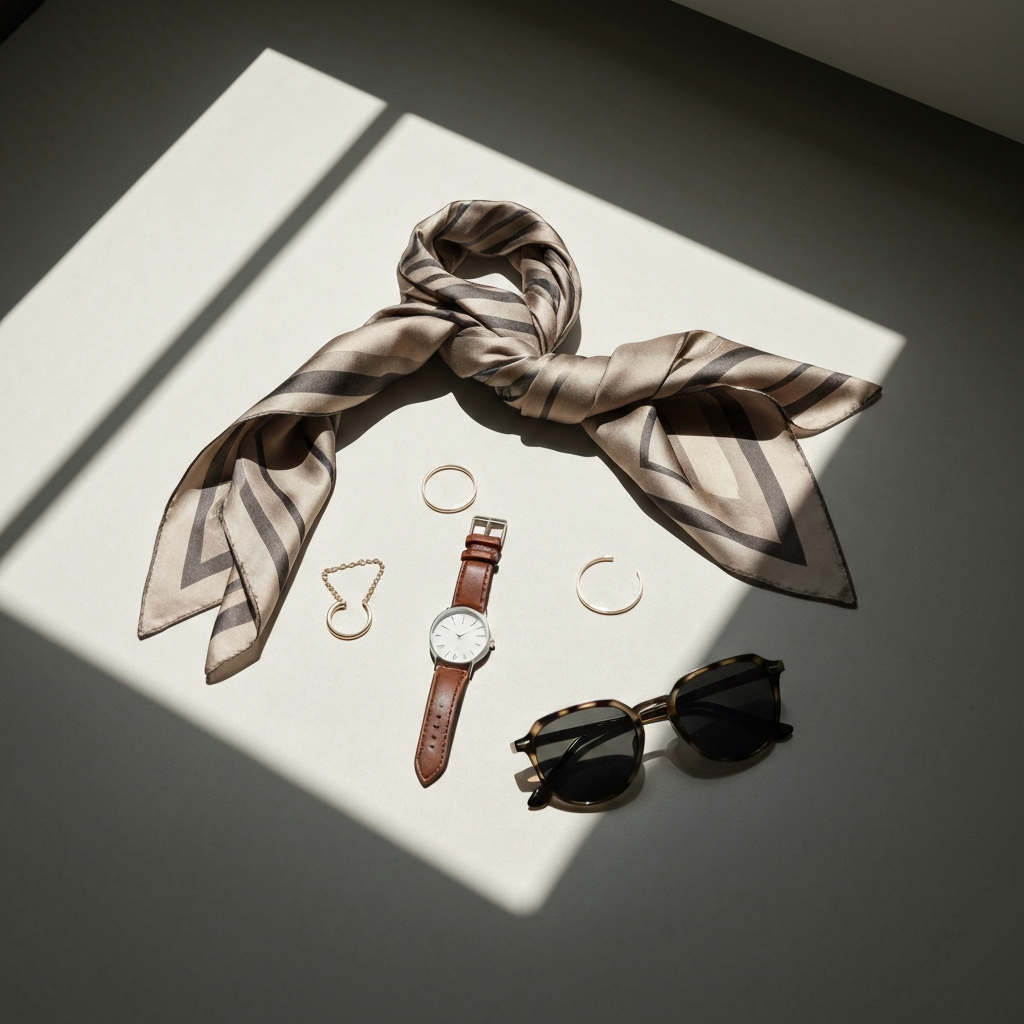
Accessories are the finishing touches that can elevate your look and add personality. Choose accessories that complement your clothing and reflect your individual style. Less is often more when it comes to accessories. A few well-chosen pieces are more effective than an overload of unnecessary items. Consider investing in a signature piece, such as a distinctive watch, a unique scarf, or a stylish pair of glasses.
Step 7: Developing a Uniform (Your Go-To Outfit)
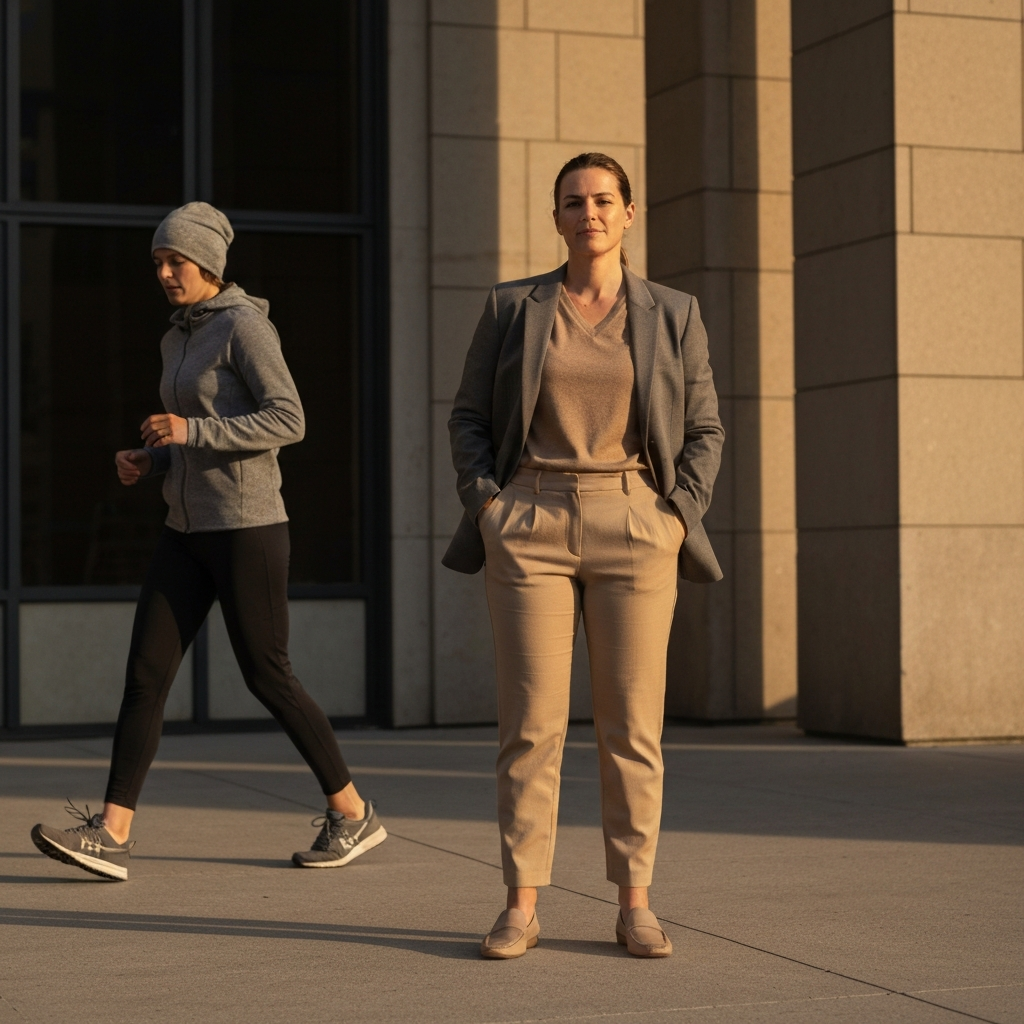
Having a "uniform" – a go-to outfit that you can rely on when you're short on time or feeling uninspired – can simplify your wardrobe and reinforce your signature style. This uniform should be comfortable, flattering, and appropriate for most occasions. It could be a combination of your key pieces, styled in a way that makes you feel confident and put-together. Experiment with different variations of your uniform to keep it fresh and interesting.
Step 8: Refining and Evolving Your Style
Your style is not static; it will evolve over time as your life changes and your tastes develop. Regularly evaluate your wardrobe and identify any pieces that no longer fit your lifestyle or aesthetic. Don't be afraid to experiment with new trends and incorporate them into your existing style, but always stay true to your core values and preferences. Continue to seek inspiration and refine your style over time.
Tools or Materials Required
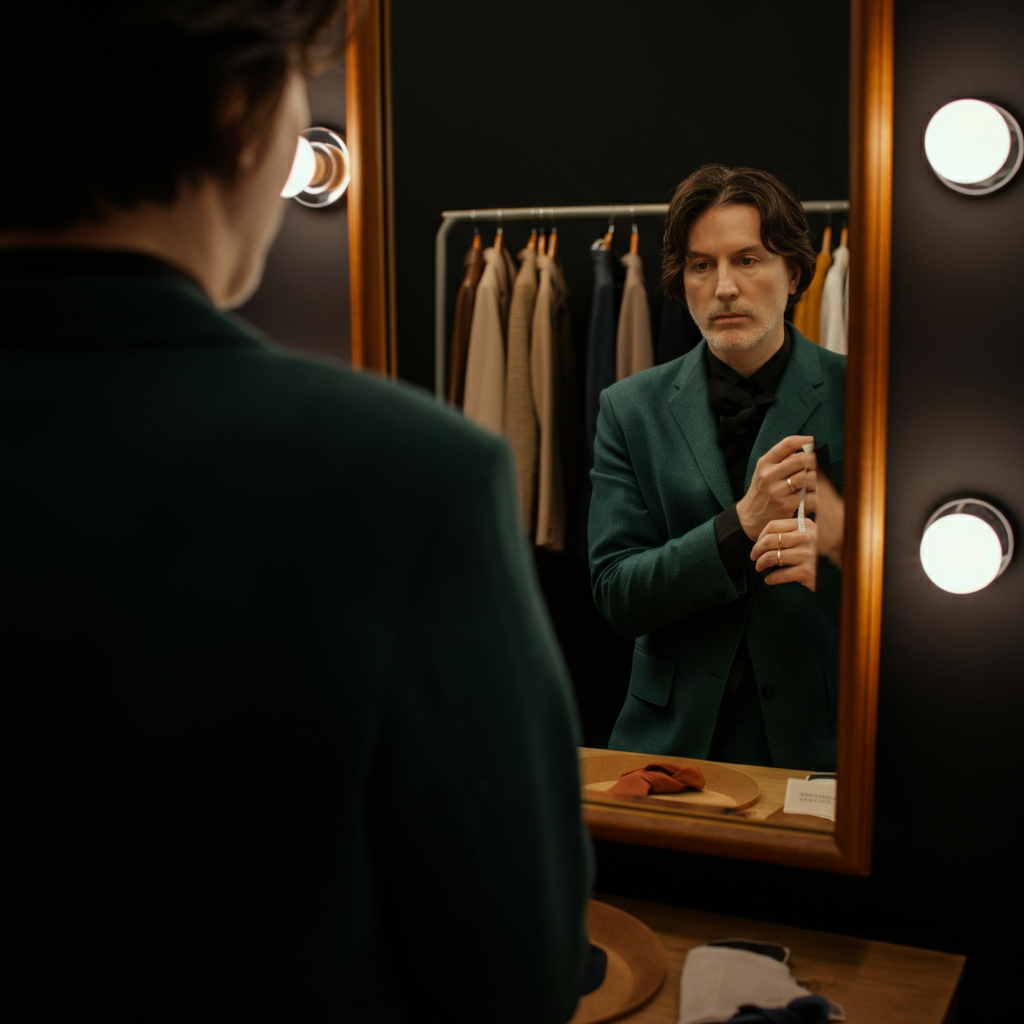
- A full-length mirror
- Your existing wardrobe
- A notebook or digital document for notes
- Inspirational images (magazines, Pinterest boards, etc.)
- Measuring tape (for determining your size)
Common Mistakes to Avoid
- Blindly following trends without considering your personal style
- Purchasing items on sale simply because they are discounted
- Holding onto clothing that no longer fits or makes you feel good
- Failing to consider your body type when choosing silhouettes
- Over-accessorizing and creating a cluttered look
FAQ Section
Q: How long does it take to develop a signature style?
A: It varies for everyone. Some people find their style quickly, while others take years. The key is to be patient and enjoy the process of self-discovery.
Q: Do I need to spend a lot of money to have a good style?
A: Not at all! You can create a stylish wardrobe on any budget. Focus on investing in quality basics and then add a few statement pieces to express your personality.
Q: What if my style changes over time?
A: That's perfectly normal! Your style should evolve with you as your life changes and your tastes develop. Don't be afraid to experiment and try new things.
Conclusion
Crafting a signature look is a journey of self-discovery and personal expression. By understanding your current style, defining your lifestyle, and seeking inspiration, you can create a wardrobe that reflects your unique personality and makes you feel confident and authentic. Remember that your style is an evolving process, so be patient, experiment, and enjoy the journey.