A cluttered garden can be a source of stress rather than a sanctuary. Tools scattered haphazardly, overflowing plant pots, and forgotten projects can quickly transform a peaceful outdoor space into an overwhelming eyesore. But reclaiming your garden's tranquility doesn't have to be a daunting task. With a strategic approach and a bit of elbow grease, you can transform your cluttered garden into an organized and enjoyable haven.
This guide provides a step-by-step approach to tackling garden clutter, offering practical advice and helpful tips to streamline the process. We'll focus on creating sustainable organizational systems that not only declutter your space but also make garden maintenance easier and more enjoyable in the long run.
Remember, the goal isn't just to clear the clutter temporarily, but to establish habits that prevent it from accumulating again. Let's embark on this journey to create a clutter-free garden you can truly be proud of.
Step 1: The Initial Assessment – Identifying the Problem Areas
Before you start moving anything, take a step back and assess the overall state of your garden. Walk through the entire space and identify the specific areas that are most cluttered. Is it the tool shed, the potting bench, or perhaps a forgotten corner filled with discarded pots and broken equipment? Make a mental note (or better yet, a written list) of these problem areas. This initial assessment will help you prioritize your efforts and focus on the most pressing issues first. Don't underestimate the power of observation; it will highlight patterns and provide insights into why certain areas become cluttered in the first place. Are you accumulating too many pots, or neglecting to put tools away properly?
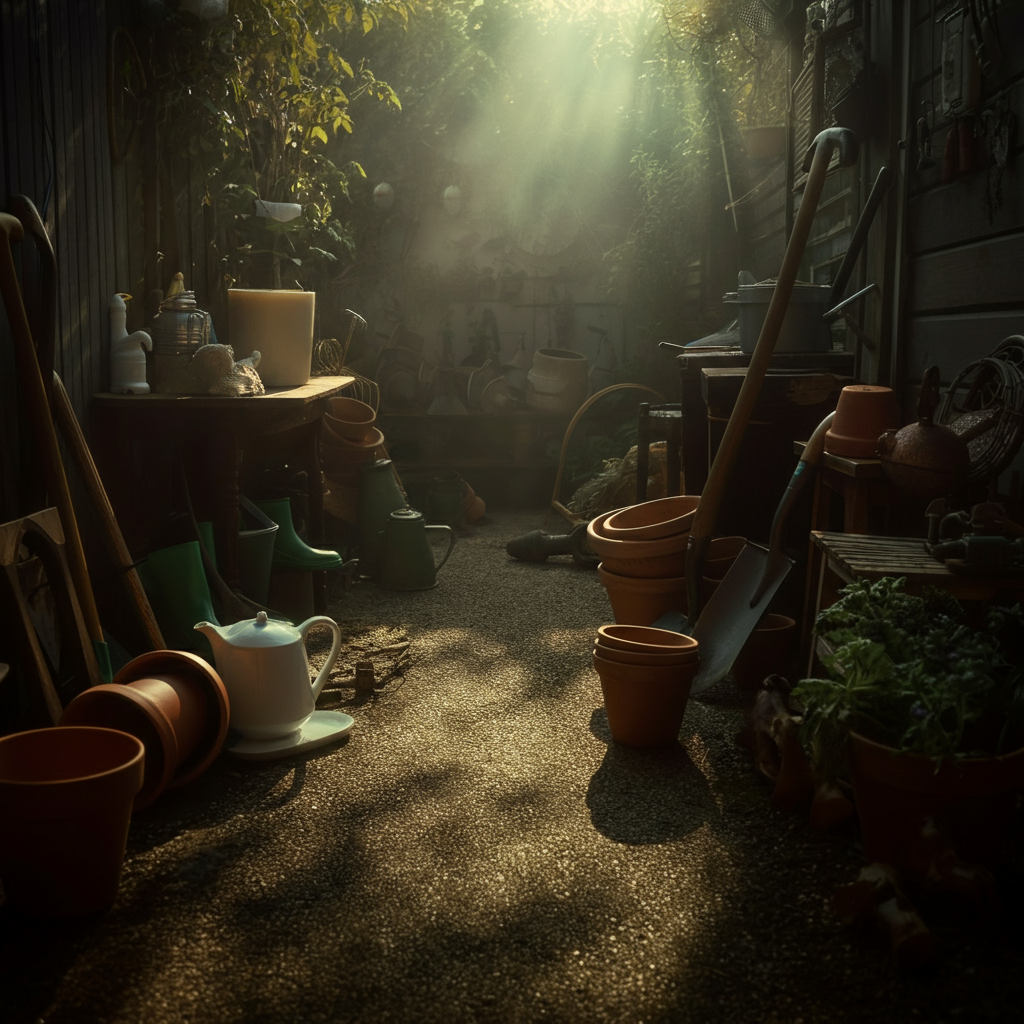
Step 2: Sorting and Categorizing – Separating Treasures from Trash
Now that you've identified the problem areas, it's time to get your hands dirty. Begin by sorting through the items in each area, creating distinct piles: things to keep, things to donate or sell, and things to discard. Be honest with yourself about what you truly need and use. Holding onto items "just in case" often contributes to unnecessary clutter. For items you plan to keep, further categorize them based on their purpose or type. Group similar tools together, organize plant pots by size, and create a separate category for gardening supplies like fertilizers and pesticides. This categorization will make it easier to find and access items later on. Don't be afraid to ruthlessly discard broken or unusable items; they're only taking up valuable space.
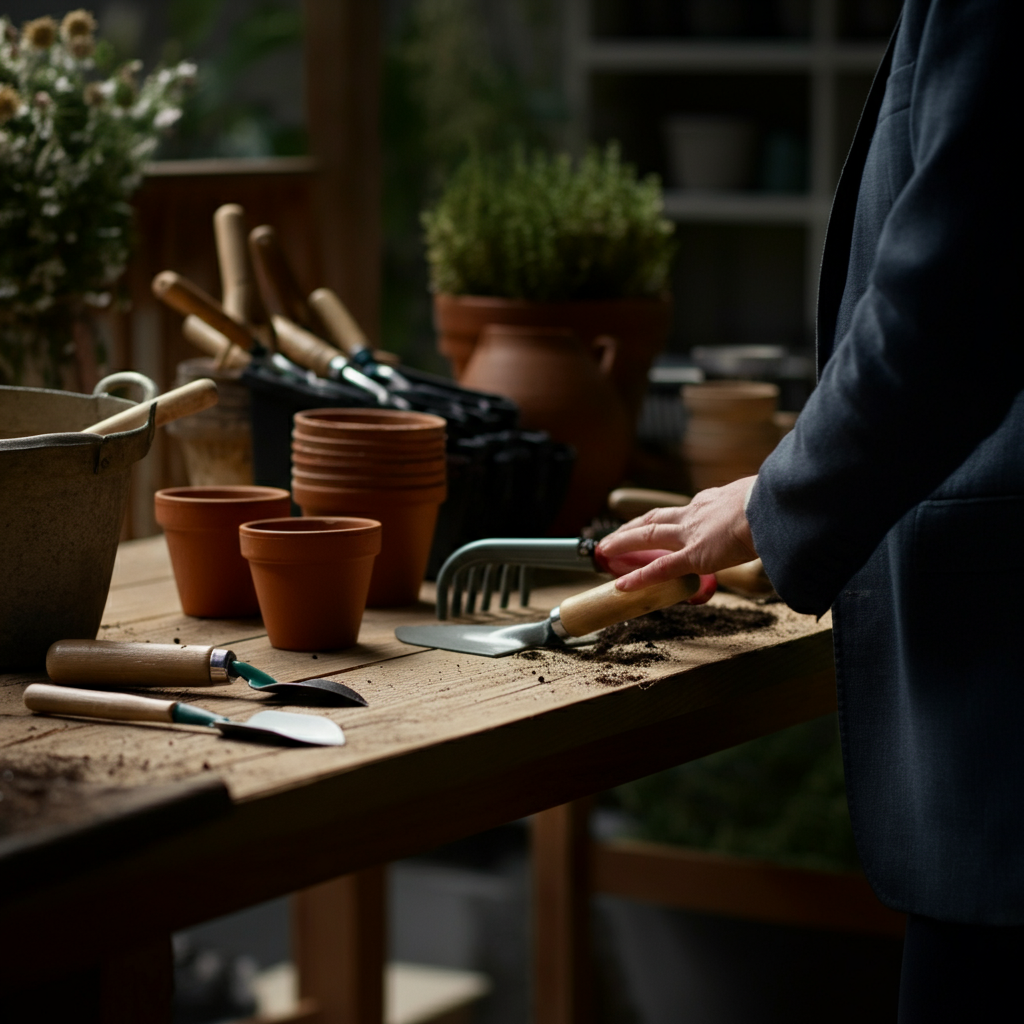
Step 3: Cleaning and Repairing – Restoring Order and Functionality
Before putting anything back into its place, take the time to clean and repair items that you've decided to keep. Wipe down tools, clean plant pots, and repair any broken equipment. This simple step can significantly improve the overall appearance of your garden and extend the lifespan of your gardening tools. Sharpening blades, tightening screws, and replacing worn-out parts can breathe new life into your equipment. Consider creating a designated repair area in your shed or garage where you can easily access tools and supplies for maintenance. A little maintenance goes a long way in preventing further clutter and ensuring that your tools are always ready when you need them.
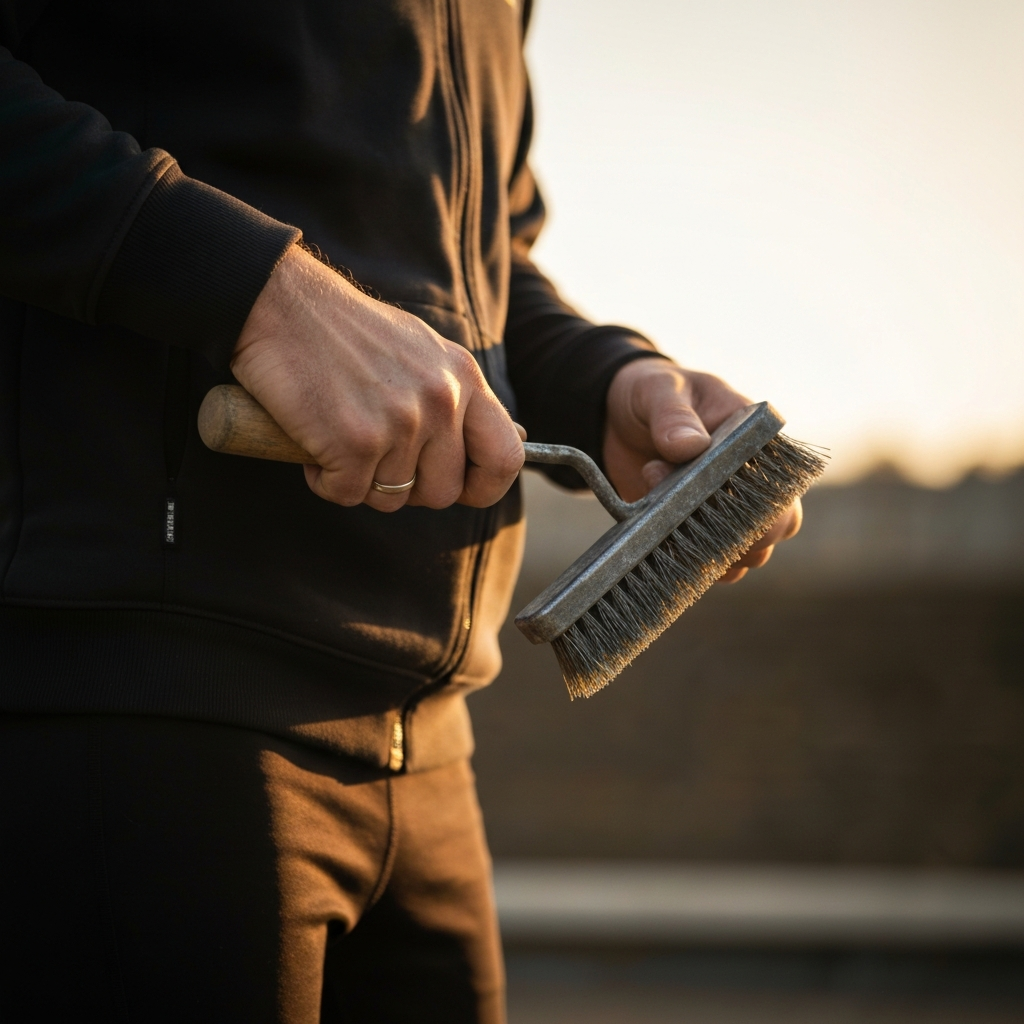
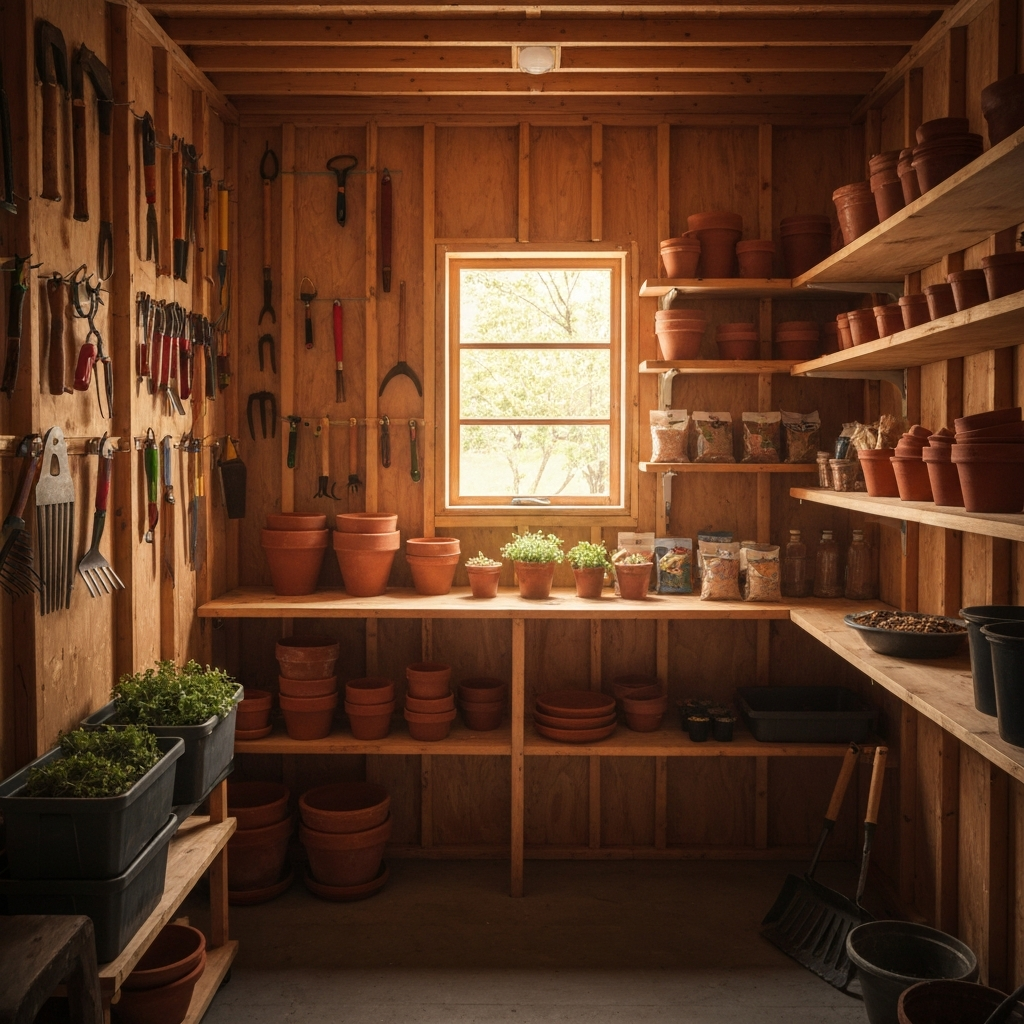
Step 4: Implementing Storage Solutions – Creating Dedicated Spaces
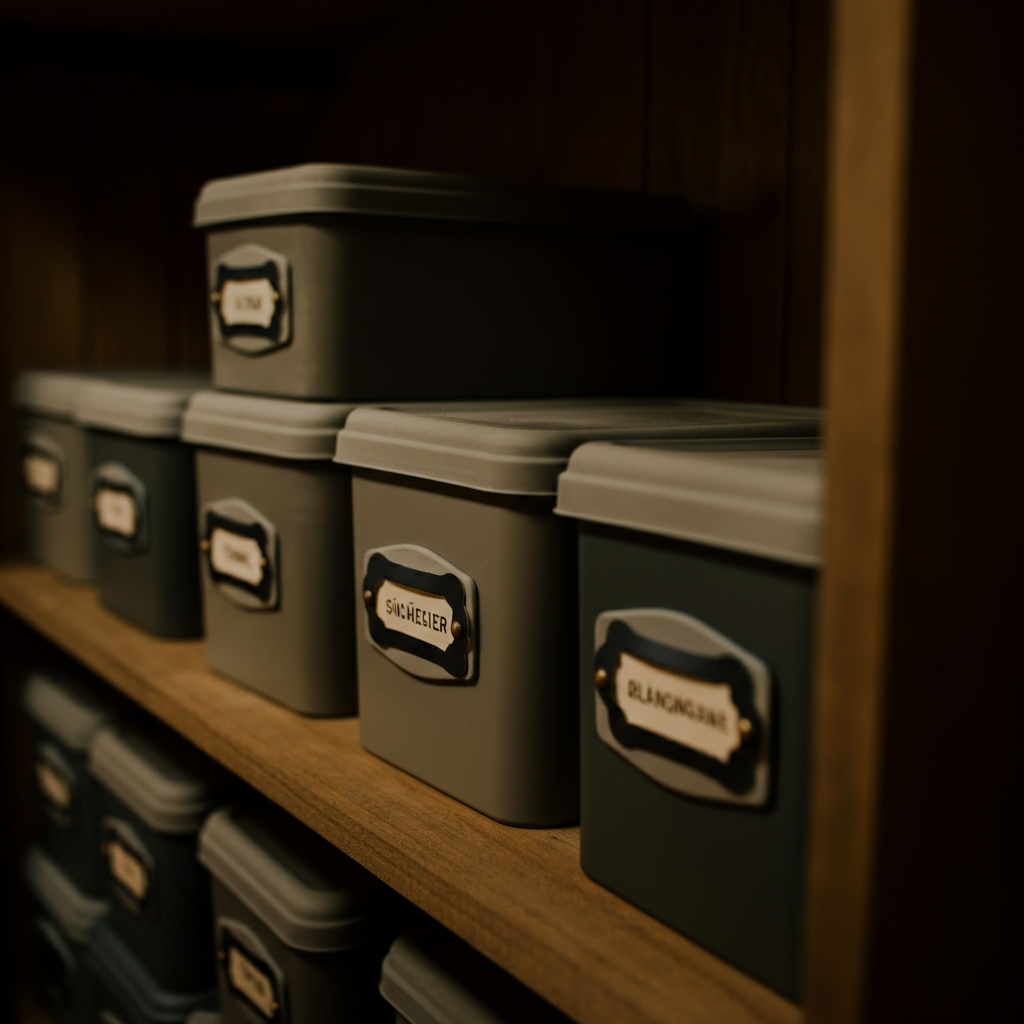
Now comes the crucial step of implementing storage solutions. The key to a clutter-free garden is having dedicated spaces for everything. Install shelves in your tool shed to organize hand tools and gardening supplies. Use hooks to hang larger tools like shovels and rakes. Consider investing in storage bins or containers to store smaller items like seeds, gloves, and plant labels. If you have a potting bench, add drawers or shelves underneath to keep potting soil, fertilizers, and other essentials within easy reach. Vertical gardening solutions, such as trellises and hanging planters, can also help maximize space and add visual interest. Think creatively about how you can utilize every inch of your garden to create functional and organized storage spaces.
Step 5: The Rule of One In, One Out – Maintaining a Sustainable System
Once you've decluttered and organized your garden, it's essential to maintain the system you've created. Adopt the "one in, one out" rule: for every new item you bring into your garden, get rid of something similar. This will prevent clutter from accumulating again. For example, if you buy a new plant, consider donating or selling an older plant that you no longer need or want. If you purchase a new gardening tool, discard an old or broken one. This simple rule will help you stay on top of clutter and keep your garden organized for the long term. Regularly assess your garden and identify any areas where clutter is starting to creep back in. Address these issues promptly to prevent them from becoming overwhelming.
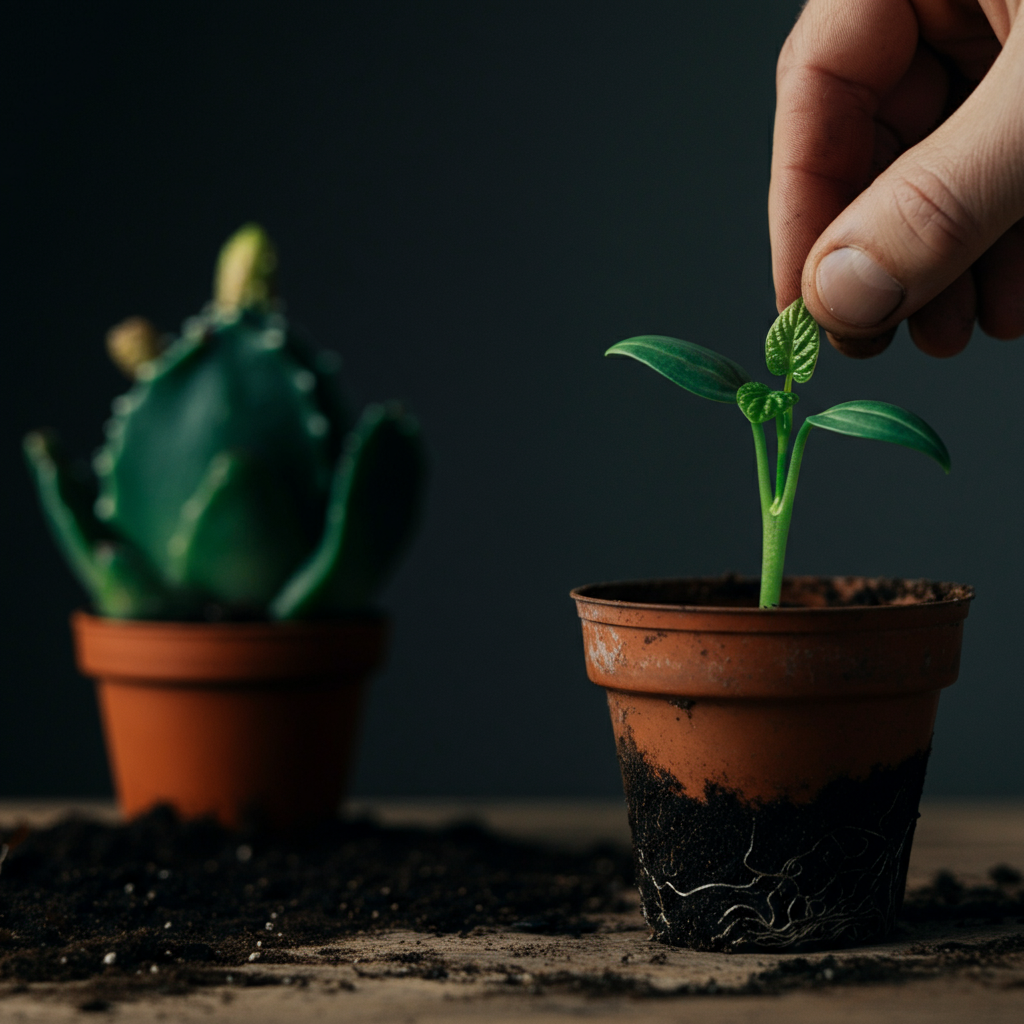
Step 6: Labeling and Inventory – Keeping Track of Your Supplies
Labeling storage containers and keeping an inventory of your gardening supplies can significantly enhance organization and prevent unnecessary purchases. Clearly label all storage bins, shelves, and containers with their contents. This will make it much easier to find what you're looking for and avoid accidentally buying duplicates. Consider creating a simple inventory list of your gardening supplies, including seeds, fertilizers, pesticides, and other essentials. This list can be kept on your phone or computer for easy access. Before heading to the garden center, consult your inventory list to see what you already have on hand. This will prevent you from overbuying and contributing to clutter.
Tools or Materials Required
- Gloves
- Trash bags
- Storage bins/containers
- Shelving units
- Hooks
- Cleaning supplies (soap, water, brushes)
- Labels and a marker
Common Mistakes to Avoid
One of the most common mistakes is trying to declutter everything at once. This can be overwhelming and lead to burnout. Break the task down into smaller, manageable steps. Another mistake is holding onto items that you don't really need or use. Be honest with yourself about what you truly value and discard the rest. Don't forget to regularly maintain your garden and address clutter as it arises. Procrastination can lead to a build-up of clutter that is much more difficult to manage.
Safety Considerations
When decluttering your garden, always wear appropriate safety gear, including gloves and eye protection. Be careful when lifting heavy objects to avoid back injuries. Use caution when handling sharp tools and equipment. If you're using chemicals, such as pesticides or fertilizers, follow the manufacturer's instructions carefully. Keep children and pets away from areas where you're working to prevent accidents. Always store chemicals in a safe and secure location, out of reach of children and pets.
FAQ Section
- Q: How often should I declutter my garden?
- A: Aim for at least twice a year, once in the spring and once in the fall. However, regular maintenance and spot-decluttering throughout the year will help prevent clutter from building up.
- Q: What should I do with items that I no longer need but are still in good condition?
- A: Consider donating them to a local charity or garden club, or selling them online or at a garage sale.
- Q: How can I prevent clutter from accumulating in the first place?
- A: Adopt the "one in, one out" rule, regularly maintain your garden, and be mindful of your purchases. Avoid buying items that you don't really need or have a specific purpose for.
By following these steps, you can conquer your garden clutter and create a more organized and enjoyable outdoor space. Remember, the key to success is to break the task down into manageable steps, be honest with yourself about what you truly need, and establish sustainable habits that prevent clutter from accumulating again. A clutter-free garden is not only visually appealing but also easier to maintain and more enjoyable to spend time in.