Creating a family memory bank is about more than just collecting old photos. It's about curating a living history, a legacy that connects future generations to their roots. It's a project that requires dedication, organization, and a commitment to preserving the unique stories and experiences that define your family.
Imagine future generations gathered around, not just looking at static images, but actively engaging with the voices, stories, and traditions of their ancestors. A well-crafted family memory bank is a powerful tool for fostering connection, identity, and a sense of belonging. It's a gift that keeps on giving, enriching lives for years to come.
This guide will walk you through the essential steps to create a comprehensive and engaging family memory bank that captures the essence of your family's journey. We'll cover everything from gathering materials and organizing your collection to digitizing content and crafting compelling narratives.
Let's embark on this rewarding journey together, creating a treasure trove of memories that will last for generations.
Step 1: Identify and Gather Existing Materials
The first step in building your family memory bank is to take inventory of what you already have. This includes photos, videos, documents, letters, journals, and even physical objects that hold significance. Don't underestimate the power of seemingly insignificant items like ticket stubs, postcards, or even a favorite childhood toy. These items can serve as powerful triggers for memories and stories.

Step 2: Organize Your Collection
Once you've gathered your materials, it's time to organize them. This is a crucial step for making your memory bank accessible and user-friendly. Consider using a chronological system, organizing materials by family branch, or a combination of both. Consistency is key to ensuring that future generations can easily navigate your collection. Use acid-free archival boxes, folders, and sleeves to protect your materials from damage.

Step 3: Digitize Your Memories
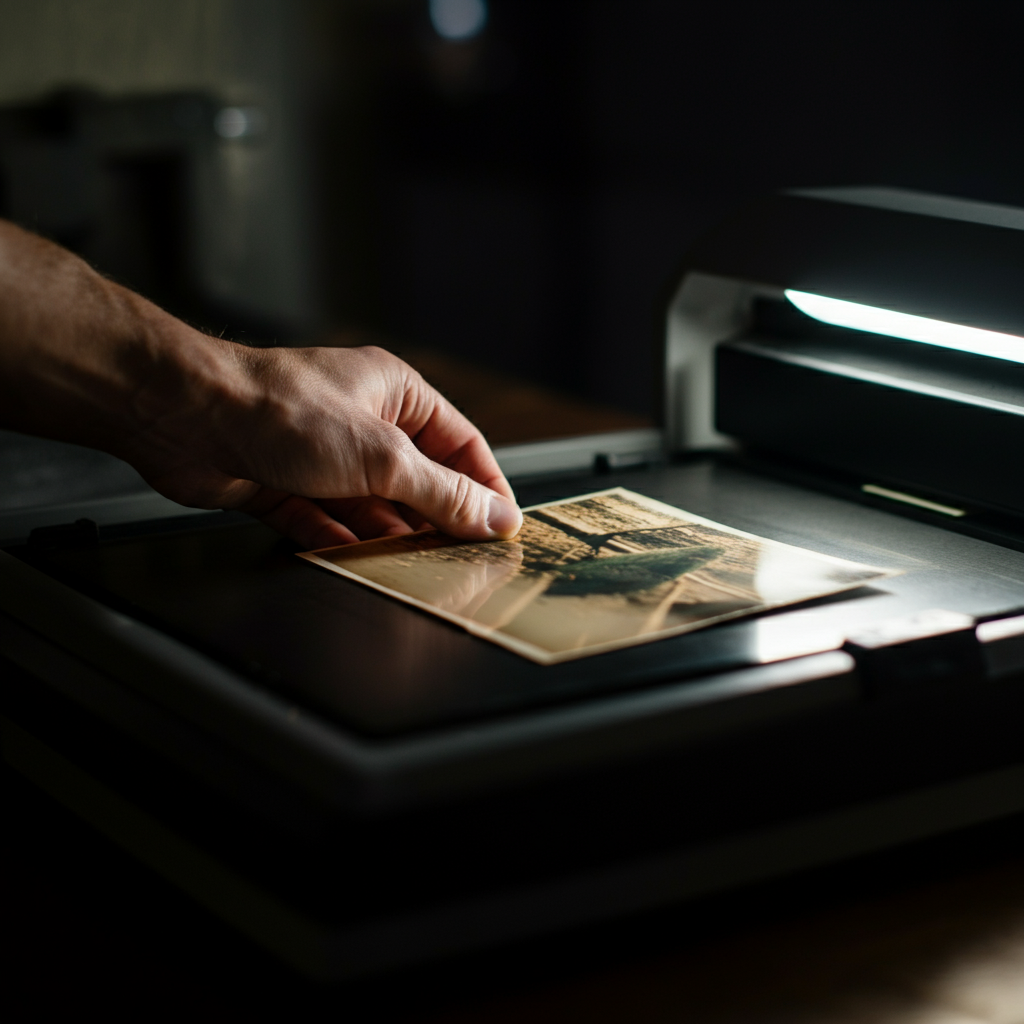
Digitizing your photos, videos, and documents is essential for preserving them for the long term and making them easily shareable. Use a high-quality scanner or professional digitization service to ensure the best possible results. For videos, consider converting them to a digital format like MP4. Always create multiple backups of your digital files, storing them in different locations (e.g., external hard drive, cloud storage).
Step 4: Capture Oral Histories
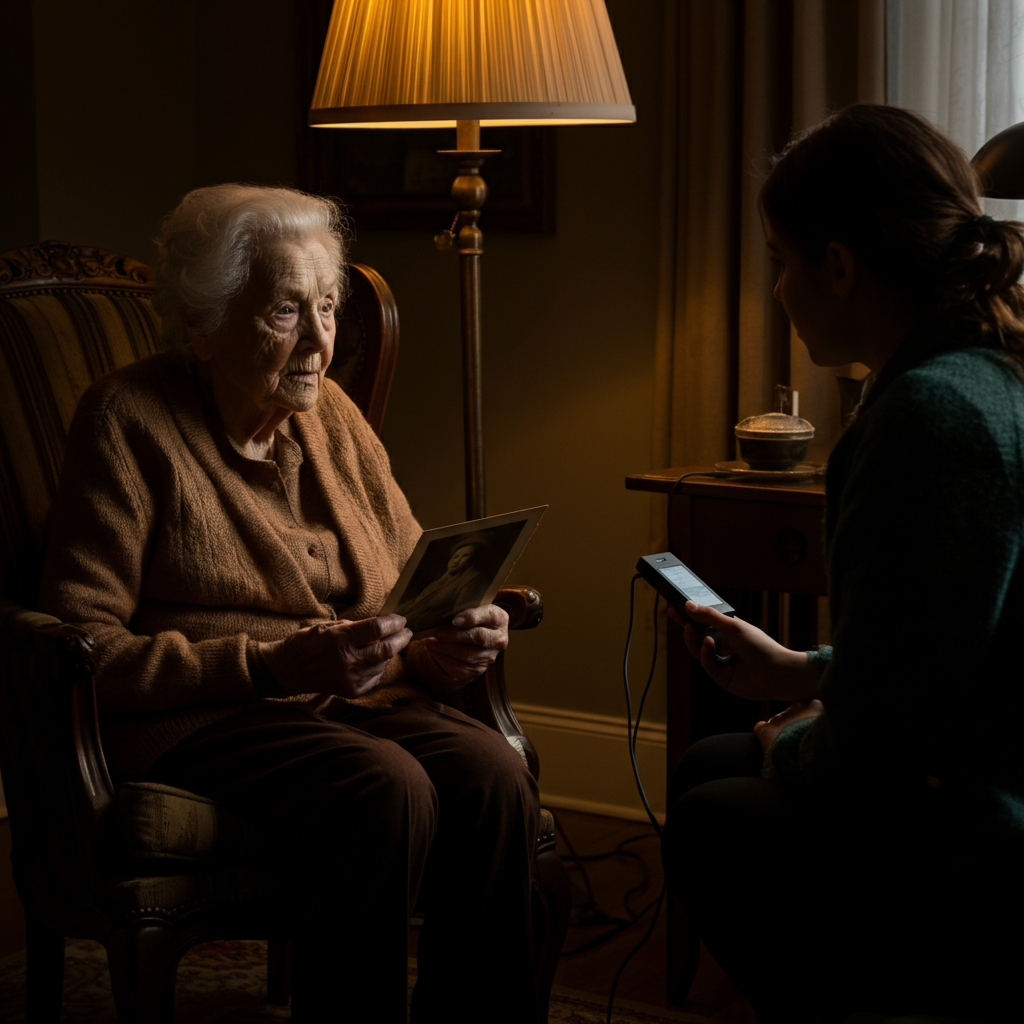
One of the most valuable components of a family memory bank is the inclusion of oral histories. Interview older family members and record their stories, memories, and perspectives. Ask open-ended questions to encourage them to share details and anecdotes. These recordings will bring your family history to life in a way that written documents simply can't. Use a good quality microphone to capture clear audio.
Step 5: Craft Compelling Narratives
Don't just present your family history as a collection of isolated facts and dates. Weave together compelling narratives that bring your family's stories to life. Write captions for photos, create timelines, and compose short essays that explore key events and themes. Consider adding personal anecdotes and reflections to make your narratives more engaging. Think about different formats – a written family history book, a website, or even a series of short videos.

Step 6: Share and Collaborate
A family memory bank is most valuable when it's shared and collaborated on. Invite family members to contribute their own stories, photos, and memories. Create a shared online platform where everyone can access and contribute to the collection. This collaborative approach will ensure that your memory bank is comprehensive and inclusive.

Step 7: Maintain and Update Regularly
Building a family memory bank is an ongoing process, not a one-time project. Make it a habit to regularly update your collection with new photos, videos, and stories. Designate a family member to be the primary custodian of the memory bank, ensuring that it's properly maintained and preserved. Regular maintenance will ensure that your memory bank remains a valuable resource for future generations.

Tools or Materials Required
- Archival boxes, folders, and sleeves
- High-quality scanner
- Digital video converter
- Audio recorder with external microphone
- Computer with photo and video editing software
- External hard drive or cloud storage for backups
Common Mistakes to Avoid
- Neglecting to gather oral histories
- Failing to digitize materials
- Poor organization
- Lack of backups
- Not sharing the collection with family members
FAQ Section
Q: How do I get started if I feel overwhelmed?
A: Start small! Focus on one specific branch of the family or a particular time period. Break down the project into manageable tasks.
Q: How do I handle sensitive or potentially embarrassing stories?
A: Exercise discretion and respect for privacy. Consider whether the story is essential to the family narrative and whether it would cause harm to anyone involved.
Q: What if I don't have any old photos or documents?
A: Focus on capturing oral histories and documenting current events. You can also research public records and online resources to learn more about your family history.
Conclusion
Building a family memory bank is a labor of love, a commitment to preserving the stories and experiences that define your family's unique identity. By following these steps, you can create a valuable resource that connects future generations to their roots, fostering a sense of belonging and enriching their lives for years to come. So, gather your materials, start interviewing your elders, and begin crafting your family's enduring legacy.