In today's fast-paced world, carving out quality time for family can feel like a monumental task. But creating a strong family bond, filled with laughter and shared experiences, is an investment that pays dividends for years to come. Building a "Family Fortress of Fun" isn't about extravagant vacations or expensive gadgets; it's about intentionally cultivating a culture of togetherness within your home.
This guide offers a step-by-step approach to creating a nurturing environment where your family can connect, play, and create lasting memories. We'll explore the power of games, traditions, and intentional activities that foster a sense of belonging and joy. Get ready to transform your home into a haven of family fun!
Remember, the most important ingredient is your presence and enthusiasm. Let's begin!
Step 1: Establish a Game Night Ritual
Choosing the Right Games
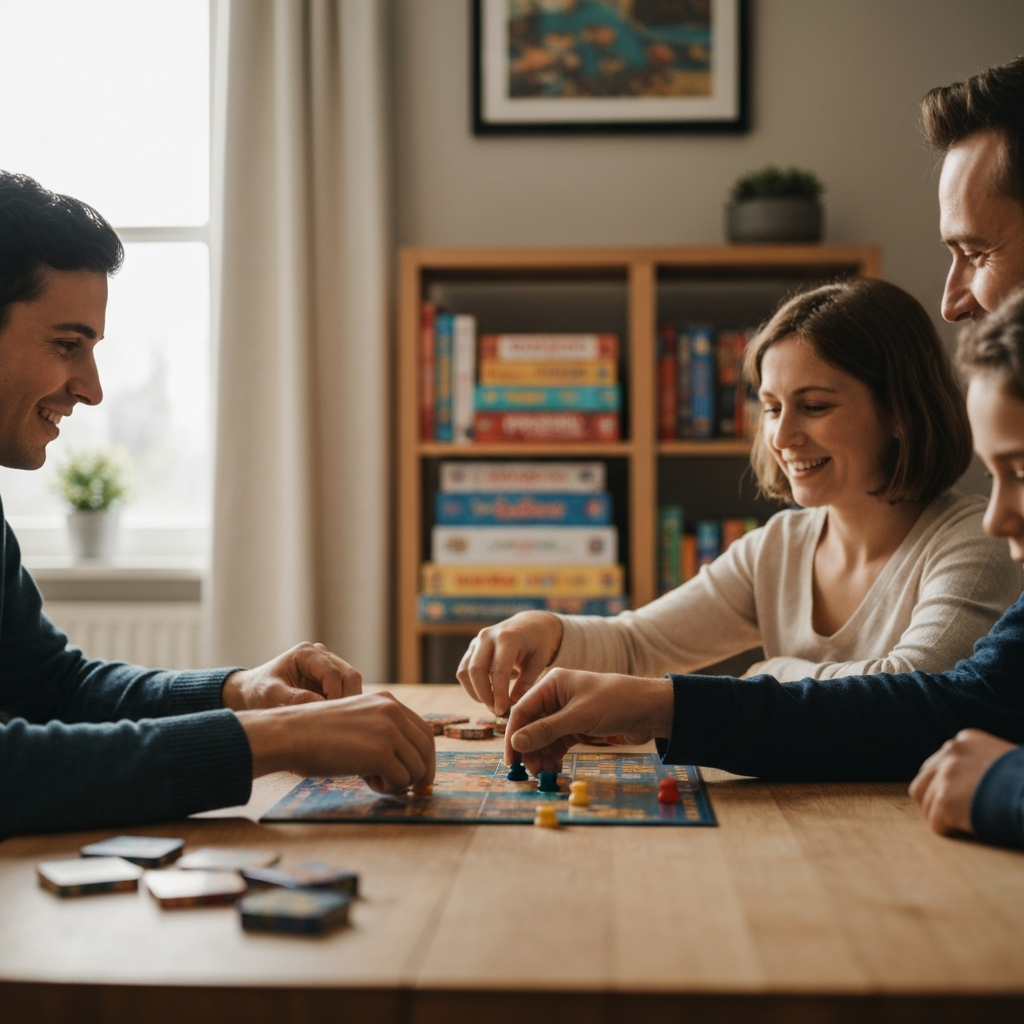
Game night is a cornerstone of a Family Fortress of Fun. Start by gathering a collection of games that cater to a range of ages and interests. Consider board games, card games, cooperative games, and even video games that can be played together. Don't be afraid to try new games regularly to keep things fresh and exciting. The key is to find games that encourage interaction, communication, and friendly competition. Classic choices like Monopoly (adjust rules for faster play!), Scrabble, or Clue offer strategic challenges, while simpler games like Uno or Apples to Apples can spark laughter and creativity.
Step 2: Craft Unique Family Traditions
Defining Your Family's Identity
Traditions provide a sense of stability, belonging, and identity. These don't need to be elaborate; even simple, repeated activities can become cherished rituals. Brainstorm with your family about activities that you all enjoy or that hold special meaning. This could be anything from a weekly pizza night to an annual camping trip, or even a special way you celebrate birthdays. The key is consistency and participation. Consider incorporating cultural or religious traditions that are important to your family. You can also create new traditions that are unique to your family's interests and values.

Step 3: Cultivate a Culture of Storytelling
Sharing Your Histories
Sharing stories is a powerful way to connect generations and build a sense of family history. Set aside time for family members to share stories from their past, whether it's childhood memories, travel adventures, or funny anecdotes. Encourage open communication and create a safe space for sharing personal experiences. You can even start a family journal or create a video archive of these stories. Consider using prompts to spark conversation, such as "What was your favorite childhood toy?" or "What's the funniest thing that's ever happened to you?". This helps engage everyone and keeps the storytelling flowing.

Step 4: Embrace Outdoor Adventures Together
Exploring the World as a Family
Spending time in nature is beneficial for both physical and mental well-being. Plan regular outdoor activities as a family, whether it's hiking, biking, camping, or simply exploring a local park. Use these opportunities to connect with nature, appreciate the beauty of the world around you, and get some exercise. Pack a picnic, play outdoor games, or simply enjoy a leisurely walk. Remember to adjust the activities to suit the ages and abilities of all family members. Consider geocaching for a fun and engaging way to explore new areas.

Step 5: Create a Designated "Together Time" Zone
Unplug and Connect
In today's digital age, it's essential to intentionally disconnect from technology and create a space for face-to-face interaction. Designate a specific area in your home as a "Together Time" zone where electronic devices are not allowed. This could be the dining room table, the living room couch, or even a cozy corner in the backyard. Encourage family members to use this space for conversations, games, reading, or simply relaxing together. Set clear boundaries and expectations for technology use during this time. Consider providing alternative activities, such as books, puzzles, or art supplies.

Step 6: Regularly Evaluate and Adapt
Keeping the Fun Alive
Building a Family Fortress of Fun is an ongoing process. Regularly evaluate what's working and what's not, and be willing to adapt your activities and traditions to meet the changing needs and interests of your family. Ask for feedback from family members and be open to trying new things. Don't be afraid to experiment with different games, activities, and traditions until you find what resonates with your family. Remember, the goal is to create a culture of togetherness that is enjoyable and sustainable for everyone.

Common Mistakes to Avoid
- Forcing Participation: Don't pressure family members to participate if they're not interested. Offer options and encourage involvement, but respect individual preferences.
- Being Overly Structured: Allow for spontaneity and flexibility in your activities. Don't be afraid to deviate from the plan if something more interesting comes up.
- Neglecting Individual Needs: Make sure to cater to the diverse interests and abilities of all family members.
- Ignoring Feedback: Pay attention to what your family members are saying and be willing to adapt your activities accordingly.
Pro Tips
- Schedule It: Put "family fun time" on the calendar just like any other important appointment.
- Rotate Responsibilities: Let different family members take turns planning activities and choosing games.
- Celebrate Small Wins: Acknowledge and appreciate the efforts of everyone involved in creating a fun and positive family environment.
FAQ Section
Q: What if my kids are too old for family game night?
A: Reframe it! Teenagers might be more interested in collaborative activities like escape rooms (at home versions exist!) or watching a movie together with a focus on discussion afterwards. Involve them in planning and selecting activities that they'll enjoy.
Q: How can I create traditions when we have a blended family?
A: Blending traditions from both families is a great way to create a sense of unity. Discuss what's important to everyone and find ways to incorporate elements from each family's history.
Q: What if my spouse isn't on board with family fun time?
A: Start small and focus on activities that you both enjoy. Lead by example and show the benefits of spending quality time together. Communication and compromise are key.
Conclusion
Building a Family Fortress of Fun is a journey, not a destination. By intentionally incorporating games, traditions, and togetherness into your daily life, you can create a strong family bond that will last a lifetime. Remember to be patient, flexible, and most importantly, have fun! The memories you create together will be priceless.