Creating a family environment that fosters joy, connection, and memorable experiences is a goal for many. But how do you achieve this without succumbing to the chaos and stress of modern life? Building a "Family Fortress of Fun" is about intentionally designing your shared spaces and activities to maximize enjoyment and minimize frustration. It's not about extravagant purchases or elaborate schemes; it's about mindful choices and consistent effort. The goal is not perfection, but rather a sustainable and evolving system that brings genuine happiness to your family.
This guide offers practical steps to transform your home into a haven of shared experiences, personal growth, and lasting memories. We'll explore strategies for incorporating games, creative outlets, and shared projects into your daily routine, all while maintaining a sense of order and sanity. Remember, the key is finding what works best for your unique family dynamic and adapting as your needs change. This is not a rigid blueprint, but rather a flexible framework to inspire your own Family Fortress of Fun.
Starting from the basics of game selection to the implementation of family routines, this guide will ensure you have a solid and sustainable family fortress of fun.
Step 1: Defining "Fun" For Your Family
Before diving into specific activities, take the time to understand what "fun" means to each family member. This isn't a one-size-fits-all concept. Host a family meeting, maybe over pizza or a relaxed weekend breakfast, and ask everyone what activities they genuinely enjoy. Encourage open and honest answers without judgment. What excites them? What makes them laugh? What helps them relax? Are there certain types of stories or fictional worlds that everyone seems to enjoy? Consider things like physical activity, creative expression, intellectual stimulation, or simply spending quality time together. Understanding these individual preferences will inform all subsequent steps. Remember to take into account age differences and physical capabilities. Younger children might love building forts, while teenagers may prefer video games or board game nights.
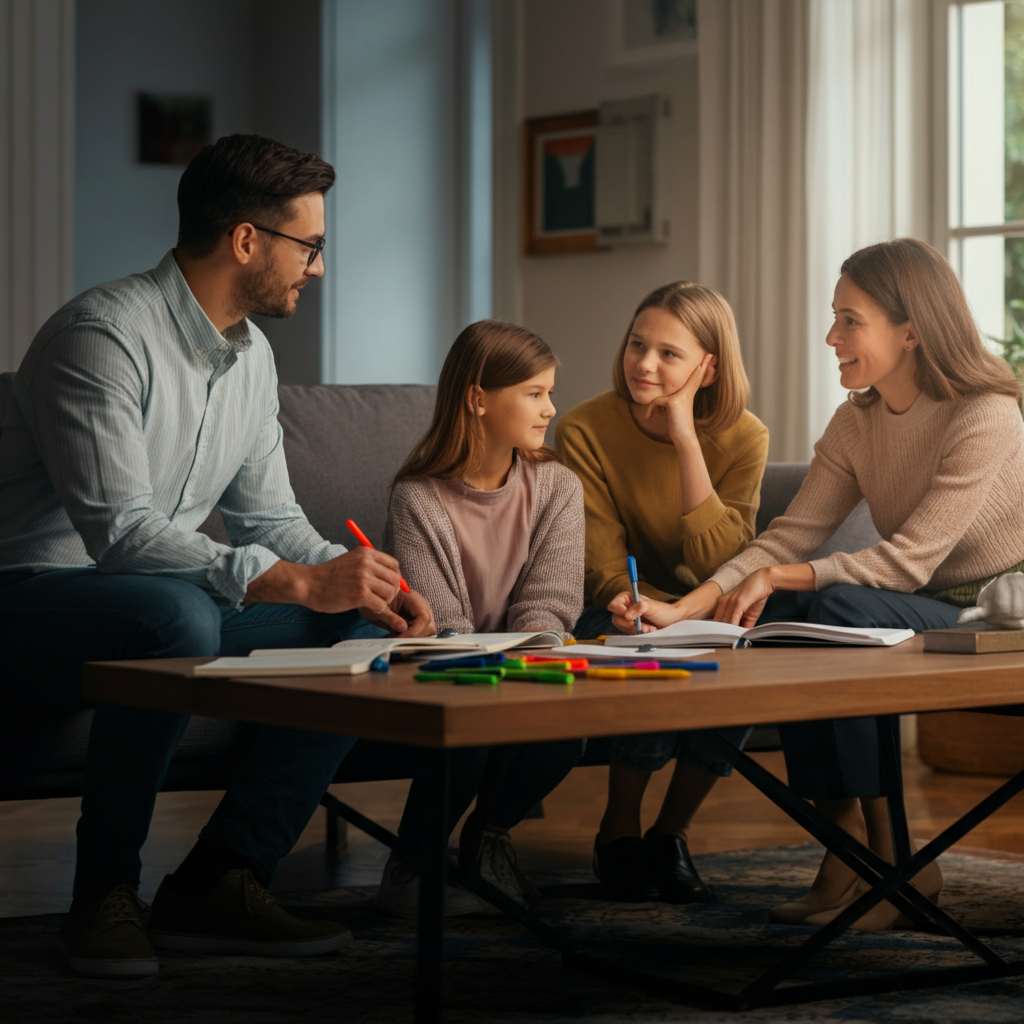
Step 2: Creating Dedicated Fun Spaces
Physical space plays a crucial role in fostering a fun environment. Designate specific areas in your home for different types of activities. This could be a "game corner" with board games and puzzles, a "creative zone" stocked with art supplies, or a "reading nook" with comfortable seating and a bookshelf. Having designated spaces makes it easier to transition into these activities and helps keep clutter contained. The space should be inviting and easily accessible. For example, a game corner in the living room can consist of a storage cabinet for games and a designated area on the coffee table or floor where the games will be played. Don't feel pressured to overhaul entire rooms; even small changes can make a big difference. For smaller homes, consider multi-purpose solutions, like a dining table that doubles as a crafting station.
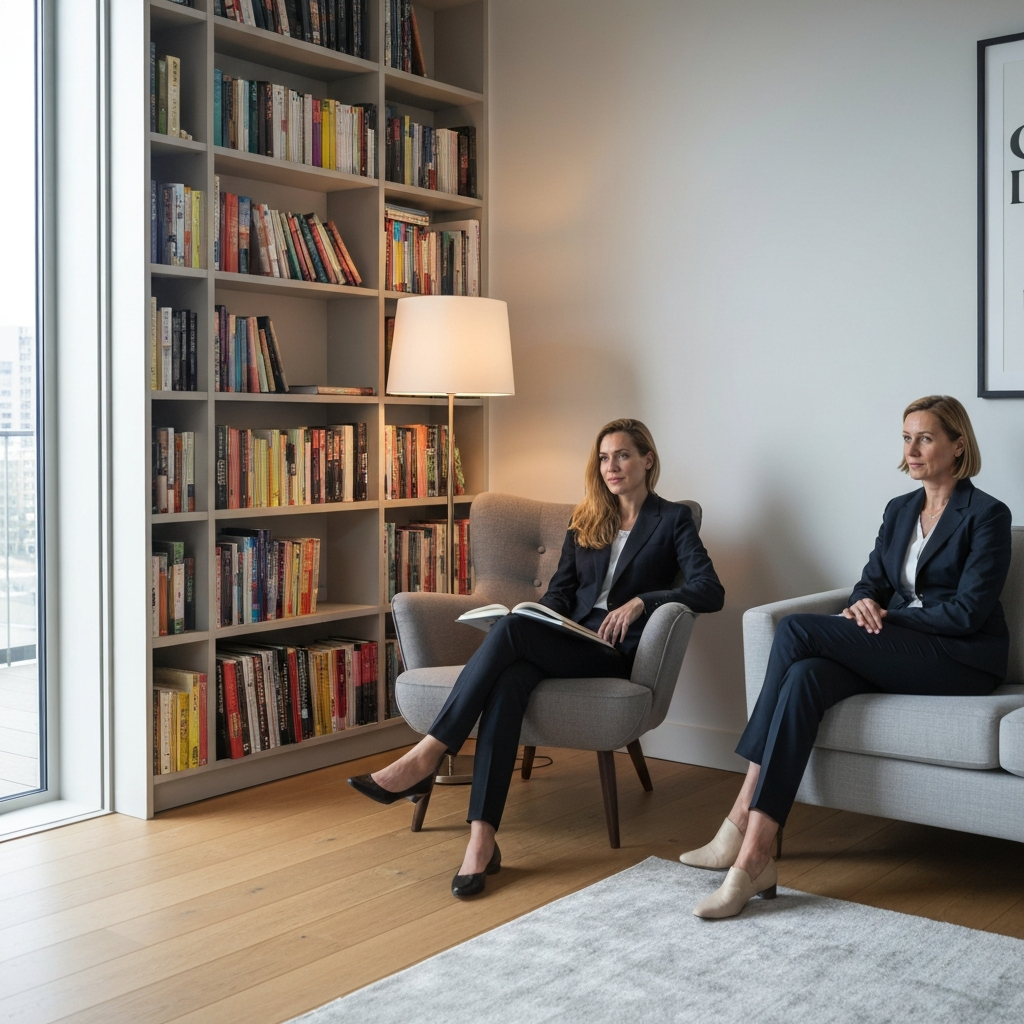
Step 3: Curating a Diverse Game Library
Gaming is a fantastic way to bond as a family, offering both entertainment and opportunities for learning and strategic thinking. According to research, gaming is far more accessible than previously thought, with a game for everyone regardless of expertise. Start by building a diverse game library that caters to different ages, interests, and skill levels. Consider a mix of board games, card games, video games, and outdoor games. Don't be afraid to try new games and explore different genres. Online gaming platforms offer access to demo versions of games, perfect to playtest before committing to a purchase. Regularly rotate the games on display to keep things fresh and exciting. Remember to teach each family member how to play each game. Start with simpler board games like Candyland or Chutes and Ladders for younger children, then graduate to strategy-based games like Settlers of Catan or Ticket to Ride as they get older. For video games, explore cooperative titles like Overcooked or Minecraft, which encourage teamwork and communication. Always be mindful of age ratings and content appropriateness when selecting games.
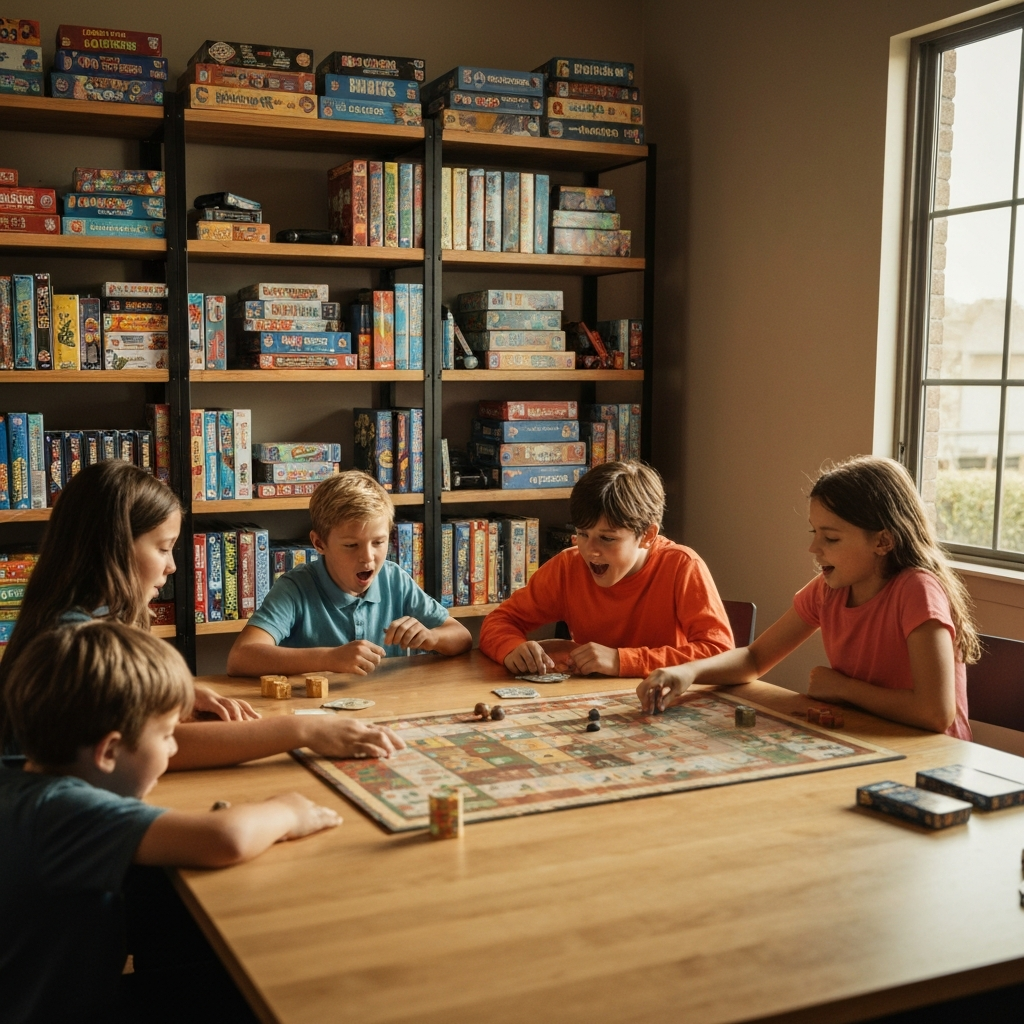
Step 4: Establishing Fun Routines and Traditions
Consistency is key to making fun a regular part of your family life. Establish routines and traditions that prioritize shared activities. This could be "Family Game Night" every Friday, "Sunday Brunch and Puzzles," or a weekly outdoor adventure. Schedule these activities in advance and treat them as important commitments. Avoid over scheduling and focus on creating experiences that are relaxed and enjoyable for everyone involved. Keep it short and manageable. A 30-minute board game session is better than a forced 2-hour marathon. These routines provide a sense of predictability and anticipation, making fun a natural part of your family rhythm. They also create lasting memories and strengthen family bonds.
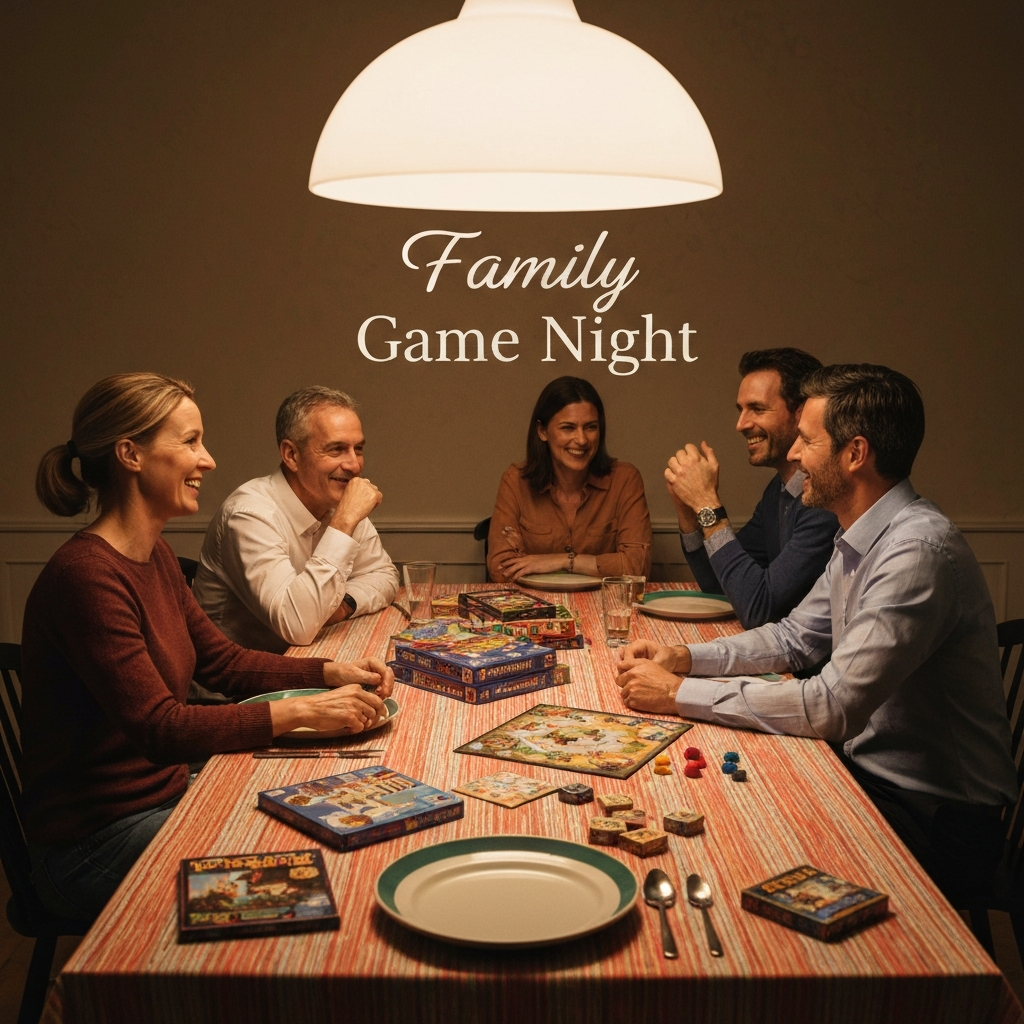
Step 5: Embracing Spontaneity and Flexibility
While routines are important, it's equally crucial to embrace spontaneity and flexibility. Don't be afraid to deviate from your schedule or try something new on a whim. Sometimes the most memorable moments are the unplanned ones. If the weather is beautiful, ditch the board games and head to the park for a picnic. If everyone is feeling creative, start an impromptu art project. Allow room for improvisation and let your family's mood and interests guide your activities. Rigidity can stifle creativity and enthusiasm, so be open to adjusting your plans as needed.
Step 6: Minimizing Distractions and Fostering Presence
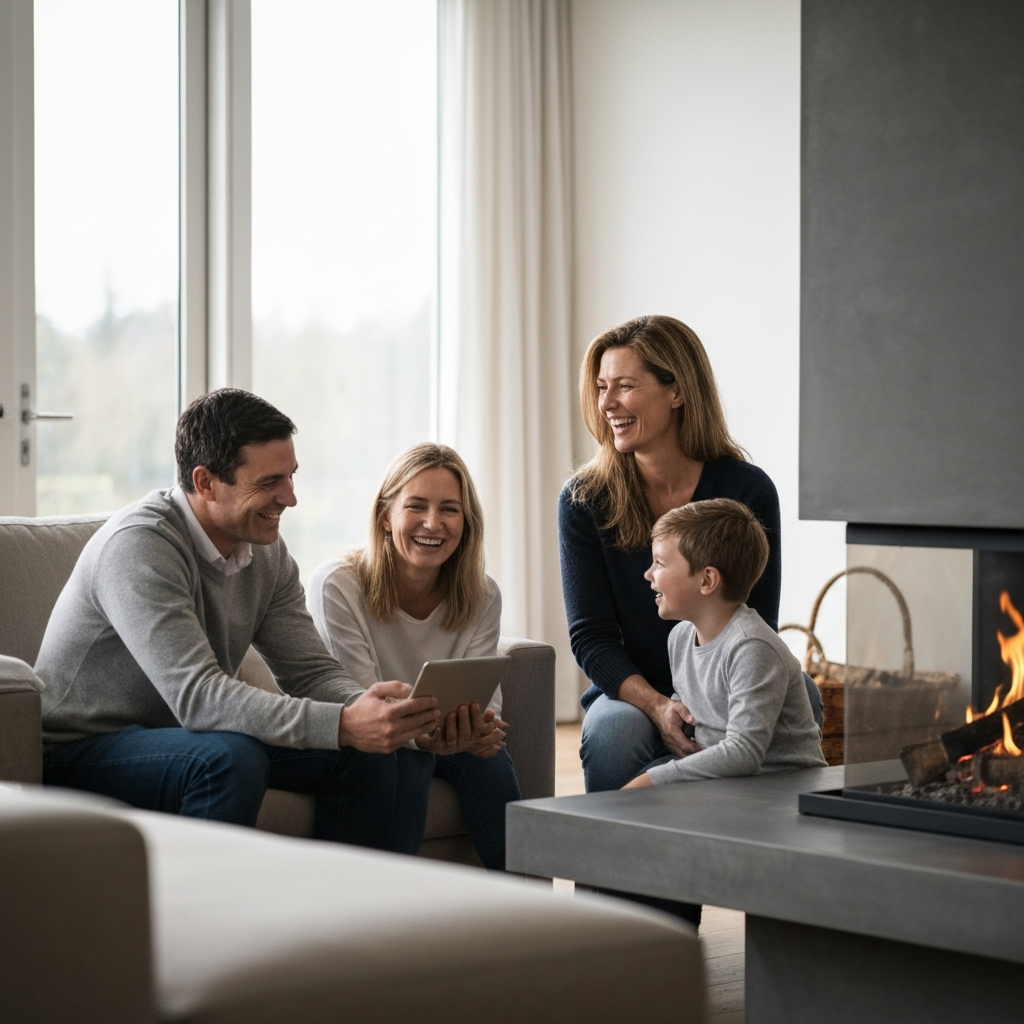
In today's digital age, distractions are everywhere. To truly build a Family Fortress of Fun, you need to intentionally minimize distractions and foster presence during shared activities. This means putting away phones, turning off the TV, and actively engaging with each other. Designate "tech-free zones" and "tech-free times" to encourage face-to-face interaction. Model this behavior yourself by being fully present and attentive during family time. The goal is to create a space where everyone feels heard, valued, and connected.
Step 7: Incorporating Educational Elements (Stealth Learning)
Fun and learning don't have to be mutually exclusive. In fact, many activities can seamlessly integrate educational elements without feeling like a chore. Board games can improve strategic thinking and problem-solving skills. Reading books together can expand vocabulary and foster imagination. Cooking together can teach math and science concepts. Look for opportunities to "sneak" learning into your fun activities. Choose board games that require planning and resource management, like Settlers of Catan. Read books that explore different cultures or historical periods. Involve children in the cooking process by having them measure ingredients or follow recipes. By making learning enjoyable, you can instill a lifelong love of knowledge in your children.

Step 8: Encouraging Creativity and Self-Expression
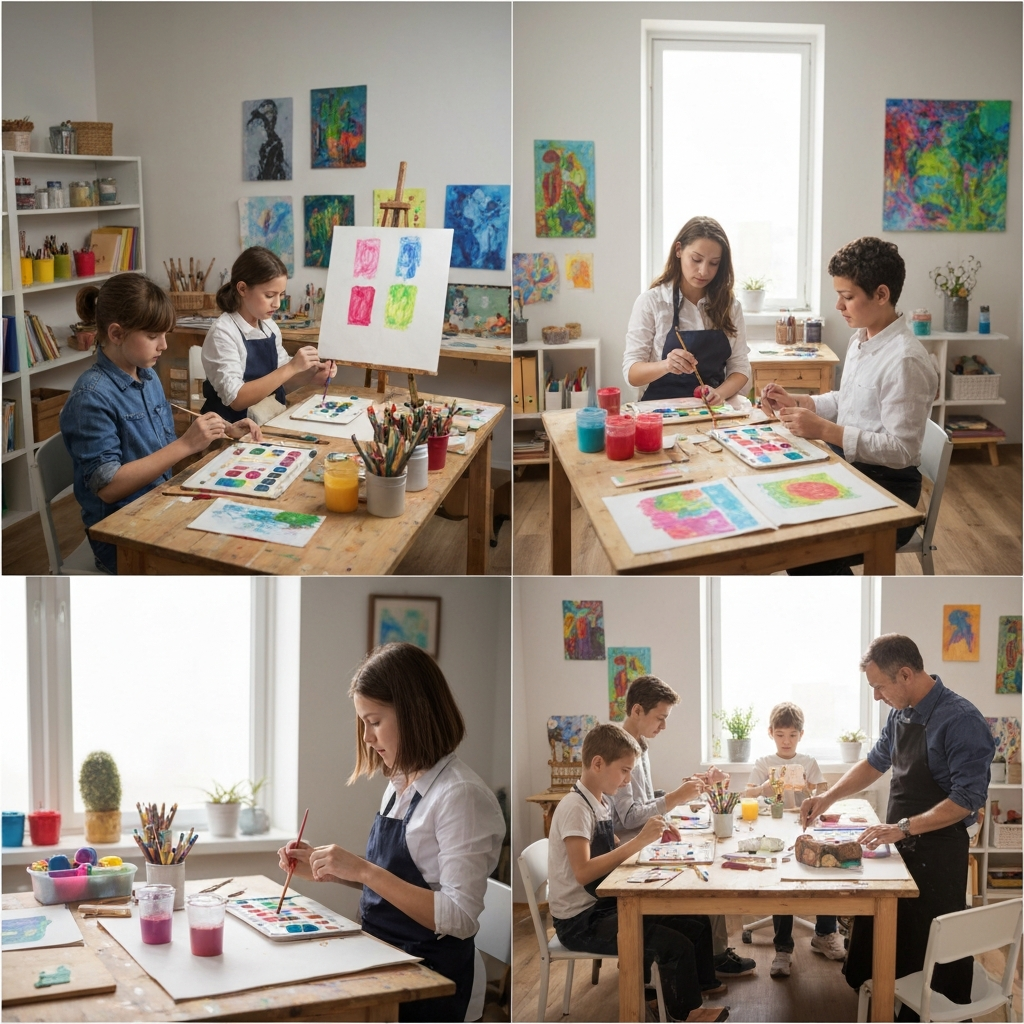
A Family Fortress of Fun should also provide opportunities for creativity and self-expression. This could involve setting up an art station, encouraging writing or storytelling, or simply providing materials for imaginative play. Let your children explore their interests and talents without judgment or pressure. Provide a wide range of art supplies, such as paints, crayons, paper, and clay. Encourage them to write stories, poems, or even create their own comic books. Build a fort out of blankets and pillows and let their imaginations run wild. The goal is to create a safe and supportive environment where they feel comfortable expressing themselves freely.
Step 9: Adapting and Evolving
As your family grows and changes, so too should your Family Fortress of Fun. Regularly assess your routines, activities, and spaces to ensure they continue to meet everyone's needs and interests. Be open to trying new things, phasing out activities that are no longer enjoyable, and adapting to changing schedules and priorities. The key is to create a sustainable system that evolves with your family over time. Host regular family meetings to discuss what's working, what's not, and what new ideas everyone has. This collaborative approach will ensure that your Family Fortress of Fun remains a source of joy and connection for years to come.
Tools or Materials Required
* Board Games * Card Games * Art Supplies (paper, paint, crayons, clay) * Books * Comfortable Seating * Storage Solutions (shelves, cabinets, bins)Common Mistakes to Avoid
* Trying to force activities that aren't enjoyable for everyone. * Over-scheduling and creating a stressful environment. * Failing to minimize distractions and foster presence. * Being inflexible and unwilling to adapt to changing needs. * Neglecting individual interests and preferences.Safety Considerations
* Ensure that all games and activities are age-appropriate. * Supervise children during potentially hazardous activities, such as cooking or building forts. * Store art supplies safely, especially those containing chemicals. * Be mindful of potential allergies when preparing food.FAQ Section
Q: What if my kids don't want to participate?
A: Don't force it! Start with activities they genuinely enjoy and gradually introduce new options. Make it fun and voluntary.
Q: How do I balance screen time with other activities?
A: Set clear limits for screen time and encourage other activities as alternatives. Designate tech-free zones and times.
Q: What if I'm short on time or money?
A: Focus on simple, low-cost activities that can be easily incorporated into your routine. Even a short walk in the park or a quick game of cards can make a big difference.
Conclusion
Building a Family Fortress of Fun is an ongoing process, not a destination. By understanding your family's unique needs and interests, creating dedicated spaces, establishing fun routines, and embracing spontaneity, you can transform your home into a haven of joy, connection, and lasting memories. Remember to minimize distractions, foster presence, and adapt to changing needs. The key is to create a sustainable system that evolves with your family over time, bringing laughter and happiness into your lives for years to come. Always remember that you are building a legacy of fun!