Family life, while rewarding, can often feel like a whirlwind of activity, conflicting schedules, and simmering tensions. The quest for harmony might seem elusive, but with conscious effort and strategic implementation, a more peaceful and connected home environment is absolutely achievable. This guide offers practical, actionable steps to help you navigate the complexities of family dynamics and cultivate a more harmonious household.
It's crucial to remember that every family is unique, and what works for one may not work for another. The key is to adapt these strategies to your specific circumstances and family culture. Be patient, communicate openly, and focus on creating a foundation of mutual respect and understanding. Building harmony is a journey, not a destination.
We’ll explore communication techniques, effective scheduling, conflict resolution strategies, and the importance of individual well-being within the family unit. By implementing these strategies, you can transform your home from a place of stress and conflict into a sanctuary of peace and connection.
Step 1: Establish Clear Communication Channels
Creating Open Dialogue
Communication is the cornerstone of any healthy relationship, especially within a family. Establishing clear and open communication channels ensures that everyone feels heard, understood, and valued. This involves creating opportunities for regular family meetings, encouraging active listening, and fostering a culture of honesty and respect. Avoid interrupting, judging, or dismissing others' feelings. Focus on understanding their perspective, even if you don't agree with it.

Step 2: Implement a Shared Calendar and Scheduling System
Organizing Activities and Responsibilities
A chaotic schedule can be a major source of family stress. Implementing a shared calendar and scheduling system helps everyone stay organized, aware of each other's commitments, and accountable for their responsibilities. This could be a digital calendar app, a whiteboard in a central location, or a combination of both. The key is to make it accessible and easy to use for all family members. Regularly update the calendar with appointments, extracurricular activities, chores, and family events.

Step 3: Define and Enforce Household Rules and Expectations
Setting Boundaries and Promoting Responsibility
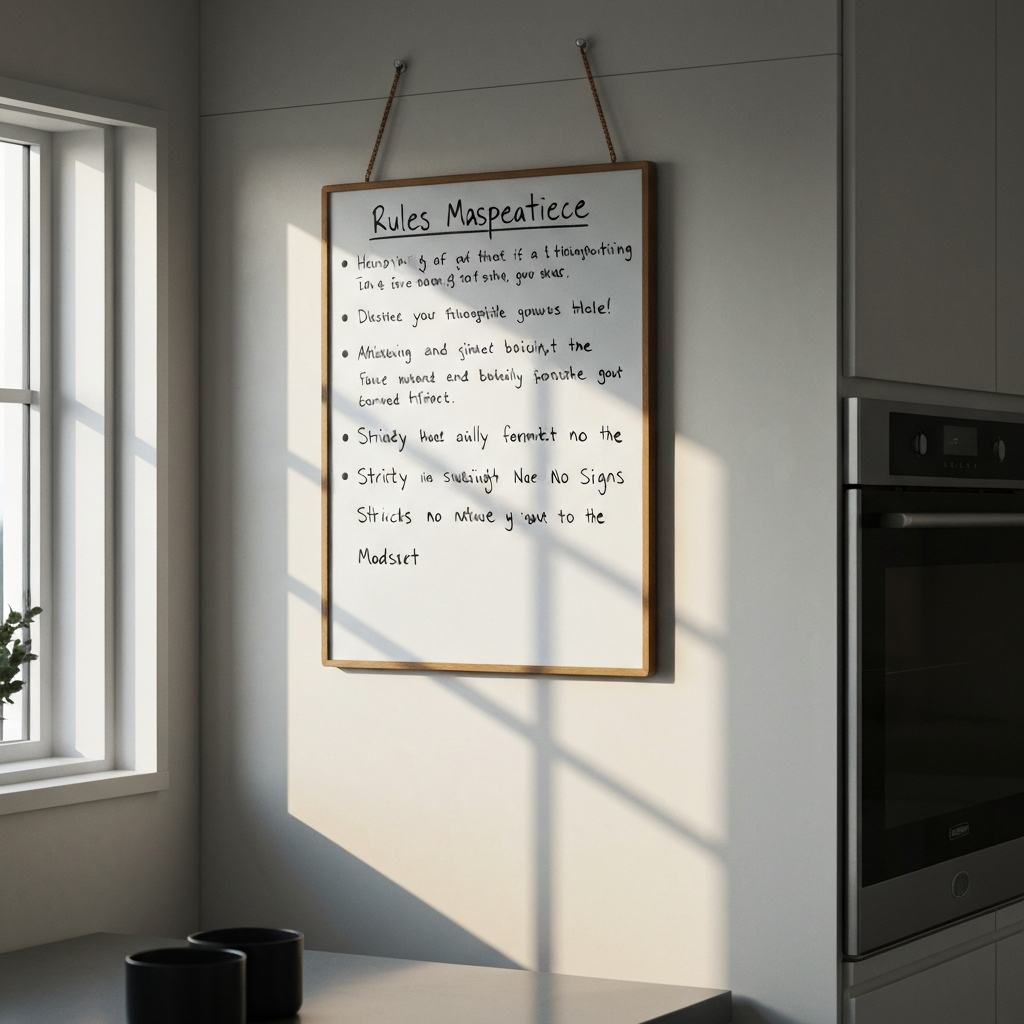
Clear, consistent rules and expectations are essential for maintaining order and preventing conflict. Involve the whole family in the process of creating these rules, ensuring that they are fair, reasonable, and age-appropriate. Post the rules in a visible location and consistently enforce them. Consequences for breaking the rules should be clear and consistently applied. This fosters a sense of responsibility and accountability among all family members.
Step 4: Practice Active Listening and Empathy
Understanding Each Other's Perspectives
Active listening goes beyond simply hearing what someone is saying. It involves paying attention to their body language, tone of voice, and emotions. Show empathy by trying to understand their perspective, even if you don't agree with it. Ask clarifying questions, summarize what you've heard to ensure you understand, and validate their feelings. This fosters a sense of connection and trust, making it easier to resolve conflicts peacefully.

Step 5: Teach Conflict Resolution Skills
Managing Disagreements Constructively
Conflicts are inevitable in any family. The key is to teach family members how to manage disagreements constructively. This involves teaching them how to express their needs and feelings respectfully, listen to the other person's perspective, and find mutually agreeable solutions. Avoid name-calling, yelling, or blaming. Instead, focus on finding common ground and working together to resolve the issue. Consider implementing a "time-out" rule to allow everyone to cool down before discussing a heated topic.
Step 6: Prioritize Quality Family Time
Strengthening Bonds and Creating Memories
In the midst of busy schedules, it's essential to prioritize quality family time. This could be anything from family dinners to weekend outings to simply spending time together at home, playing games or watching movies. The key is to be present and engaged during this time, putting away distractions and focusing on connecting with each other. Regularly schedule family activities that everyone enjoys.
Step 7: Encourage Individual Hobbies and Interests
Supporting Personal Growth and Well-being
While family time is important, it's equally important to encourage individual hobbies and interests. Supporting each family member's personal growth and well-being can reduce resentment and contribute to a more harmonious household. Allow each person to pursue their passions, even if they seem unconventional or time-consuming. This fosters a sense of independence and self-esteem, which can positively impact family dynamics.

Step 8: Practice Forgiveness and Letting Go
Moving Past Hurt and Resentment
Holding onto grudges and resentment can poison family relationships. Learning to forgive and let go of past hurts is essential for creating a more peaceful and loving home environment. This doesn't mean condoning hurtful behavior, but rather choosing to release the negative emotions associated with it. Focus on moving forward and building a stronger relationship based on mutual respect and understanding. Sometimes, seeking professional help through family therapy can be beneficial in working through deeper issues.

Tools or Materials Required
- Shared Calendar App (Google Calendar, Cozi, etc.)
- Whiteboard or Corkboard
- Markers or Pens
- Open Communication Skills (Practice and Patience)
Common Mistakes to Avoid
- Lack of Consistency in Enforcing Rules
- Poor Communication Skills (Interrupting, Judging)
- Neglecting Individual Needs and Interests
- Holding onto Grudges and Resentment
FAQ Section
Q: What if my family is resistant to change?
A: Start small and gradually introduce new strategies. Focus on the benefits of a more harmonious household and involve the family in the process of creating positive change. Patience and persistence are key.
Q: How do I handle sibling rivalry?
A: Encourage empathy and conflict resolution skills. Avoid comparing siblings and focus on their individual strengths. Implement fair rules and consequences for aggressive behavior. Sometimes, individual attention and quality time can help reduce sibling rivalry.
Q: What if my partner and I disagree on parenting styles?
A: Open communication and compromise are essential. Seek professional guidance from a therapist or counselor if needed. Remember that you are a team, and your children benefit from consistency and unity.
Conclusion
Taming family chaos and fostering harmony is an ongoing process that requires commitment, communication, and a willingness to adapt. By implementing the strategies outlined in this guide, you can create a more peaceful, connected, and loving home environment for yourself and your family. Remember that progress, not perfection, is the goal. Celebrate small victories and continue to strive for a more harmonious future. The rewards of a happy and supportive family life are well worth the effort.