Have you ever been presented with a mystery dish and felt a thrill of excitement mingled with a touch of uncertainty? The ability to identify foods accurately, whether in a restaurant, a market, or even a blurry photo, is a valuable skill that enhances your culinary appreciation. "Guess the Food," at its core, is about pattern recognition, understanding ingredients, and developing a refined palate. This guide will arm you with the tools and knowledge to confidently identify a wide range of foods, from simple ingredients to complex dishes.
More than just a party game, honing your food identification skills deepens your connection to the culinary world. It allows you to appreciate the nuances of flavor combinations, understand regional specialties, and navigate diverse cuisines with ease. Think of it as building a "food vocabulary" that enables you to communicate more effectively about your culinary experiences. This skill is useful for travel, cooking, and even impressing friends with your gourmet knowledge.
This comprehensive guide breaks down the process into manageable steps, offering practical tips and insights that will transform you from a novice guesser into a culinary connoisseur. We'll explore techniques for visual identification, understanding flavor profiles, and recognizing common ingredient combinations. Get ready to embark on a delicious journey of discovery!
Step 1: Sharpen Your Visual Acuity
The first step in guessing any food is careful observation. Pay close attention to the food's appearance, including its color, shape, texture, and any visible ingredients. Is the food brightly colored and vibrant, or muted and earthy? Is it smooth and creamy, or rough and textured? Note the arrangement of the dish; is it layered, piled high, or neatly presented? These visual cues provide initial clues about the food's identity. Don't underestimate the power of subtle details, like garnish or cooking method, as they often hold vital information.
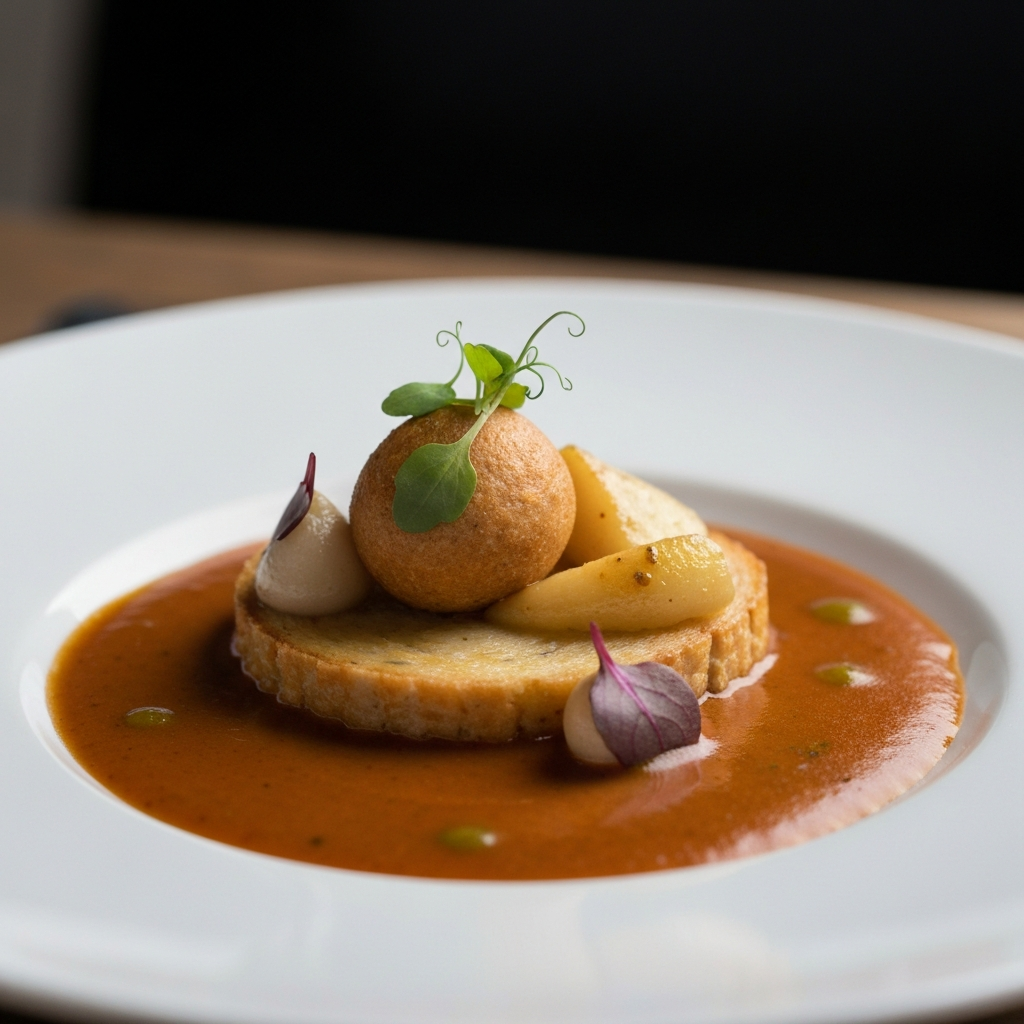
Step 2: Deciphering Flavor Profiles
Flavor is, of course, paramount in food identification. When possible, tasting the food is crucial. Before taking a bite, take a moment to inhale the aroma. Our sense of smell contributes significantly to our perception of taste. As you taste, try to identify the dominant flavors: sweet, sour, salty, bitter, and umami. Are there any secondary flavors, like herbs, spices, or smoky notes? Consider how these flavors interact with each other. For example, a dish might be sweet and sour, suggesting a sweet-and-sour sauce, or salty and umami, hinting at soy sauce or fermented ingredients. Break down the flavors into their core components to formulate a hypothesis.

Step 3: Recognizing Ingredient Combinations
Many dishes are defined by their signature ingredient combinations. Familiarize yourself with common culinary pairings, such as tomatoes and basil (often found in Italian cuisine), ginger and soy sauce (common in Asian cuisine), or chili peppers and cilantro (frequent in Mexican cuisine). When you identify a few key ingredients, consider the dishes that commonly feature those ingredients together. If you detect the presence of cumin, chili powder, and beans, for example, you might suspect a chili or a Mexican-inspired dish. Research common ingredient pairings in different cuisines to expand your culinary knowledge.
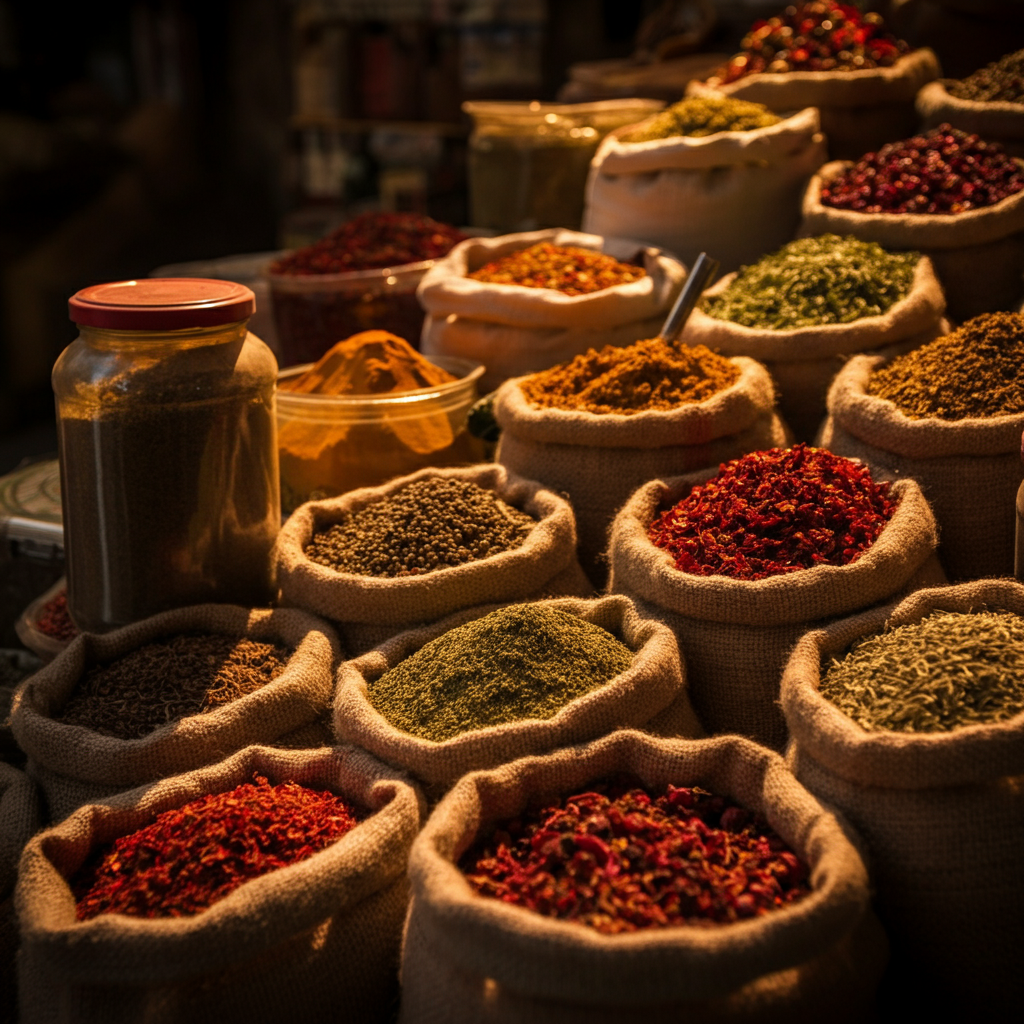
Step 4: Considering Regional and Cultural Context
The origin of a dish can be a significant clue to its identity. Different regions and cultures have their own unique culinary traditions and signature dishes. Consider the setting where you encountered the food. Is it a restaurant specializing in a particular cuisine, like Italian, Thai, or Mexican? Or is it a more general establishment that serves a variety of dishes? If you know the origin of the food, research the typical dishes from that region or culture. For example, enchiladas are a Mexican dish consisting of corn tortillas rolled around a filling and covered with a savory sauce. State foods are also another source of information. In Arizona, for example, you might find chimichangas.
Step 5: Leveraging Your Culinary Knowledge
The more you know about cooking techniques, ingredients, and cuisines, the easier it will be to identify foods. Read cookbooks, watch cooking shows, and experiment in the kitchen to expand your culinary knowledge. Focus on learning the basics: common cooking methods (e.g., frying, baking, grilling), basic sauces (e.g., béchamel, tomato sauce, vinaigrette), and common ingredients in different cuisines. The more familiar you are with these elements, the better equipped you'll be to analyze and identify dishes.

Common Mistakes to Avoid
- Rushing to Judgment: Take your time to carefully observe and taste the food before making a guess. Avoid jumping to conclusions based on limited information.
- Ignoring Subtle Clues: Pay attention to details like garnish, presentation, and aroma, as they often provide valuable clues.
- Failing to Consider the Context: The setting and cultural background of the food can be important indicators of its identity.
- Sticking to Familiar Foods: Be open to exploring new and unfamiliar cuisines. The more you try new things, the better you'll become at identifying them.
Pro Tips
- Keep a Food Journal: Record your culinary experiences, including the dishes you try, their ingredients, and your impressions. This will help you build a "food memory" that you can draw upon in the future.
- Practice Blind Taste Tests: Have a friend prepare a selection of foods and try to identify them while blindfolded. This will help you focus on taste and aroma without visual distractions.
- Use Online Resources: Websites and apps dedicated to food identification can be valuable tools for expanding your knowledge and confirming your guesses.
FAQ Section
- Q: How can I improve my ability to distinguish between similar foods?
- A: Focus on the subtle differences in flavor, texture, and aroma. Compare the foods side-by-side and note the specific characteristics that set them apart.
- Q: What are some good resources for learning about different cuisines?
- A: Cookbooks, cooking shows, online culinary databases, and food blogs are all excellent resources for expanding your knowledge of different cuisines.
- Q: How important is presentation in food identification?
- A: Presentation can be a helpful clue, but it's not always definitive. Focus on the underlying ingredients and flavors first, and then consider how the dish is presented to refine your guess.
Conclusion
Mastering the art of "Guess the Food" is an ongoing journey of culinary exploration and refinement. By sharpening your visual acuity, deciphering flavor profiles, recognizing ingredient combinations, considering regional context, and leveraging your culinary knowledge, you can significantly enhance your ability to identify a wide range of foods. Remember, practice makes perfect, so keep exploring new cuisines, experimenting in the kitchen, and tasting everything you can! With dedication and a passion for food, you'll soon become a culinary identification expert.