Stevia, derived from the leaves of the Stevia rebaudiana plant, has emerged as a popular sugar alternative. It's embraced by health-conscious individuals, those managing their weight, and people with diabetes due to its negligible impact on blood glucose levels. You can find stevia in various forms, from refined liquids and powders to fresh leaves. Understanding how to properly use each form is key to reaping its benefits without any unwanted aftertaste or unexpected results. This guide will walk you through using stevia effectively in your daily life.
While high-quality, refined stevia extracts are "generally recognized as safe" (GRAS) by the FDA, it's crucial to understand that this classification doesn't extend to whole stevia leaves or crude extracts. Therefore, using fresh leaves warrants a more cautious approach. This guide will delve into the nuances of both refined stevia products and fresh stevia leaves, providing practical tips and considerations for incorporating this natural sweetener into your diet.
This guide provides a comprehensive approach to utilizing Stevia in your daily routine. It addresses various forms of Stevia while providing practical tips.
Step 1: Using Liquid Stevia
Understanding Liquid Stevia
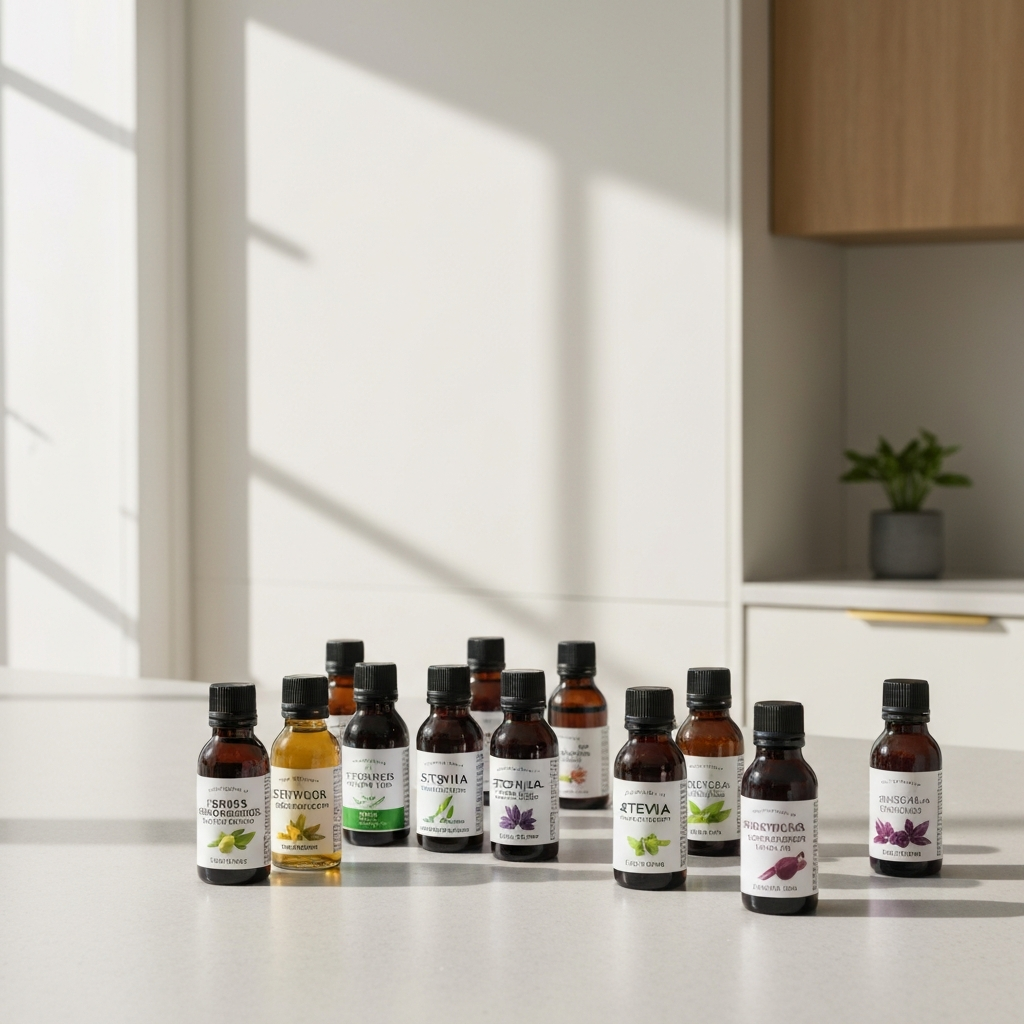
Liquid stevia is a highly concentrated form of the sweetener, making it incredibly convenient for adding to beverages and other liquids. A few drops can often replace a teaspoon or two of sugar. However, the concentration can vary between brands, so it's essential to start with a small amount and adjust to your taste. Liquid stevia is readily available in both plain and flavored varieties.

Step 2: Incorporating Flavored Stevia Drops
Adding Flavor and Sweetness
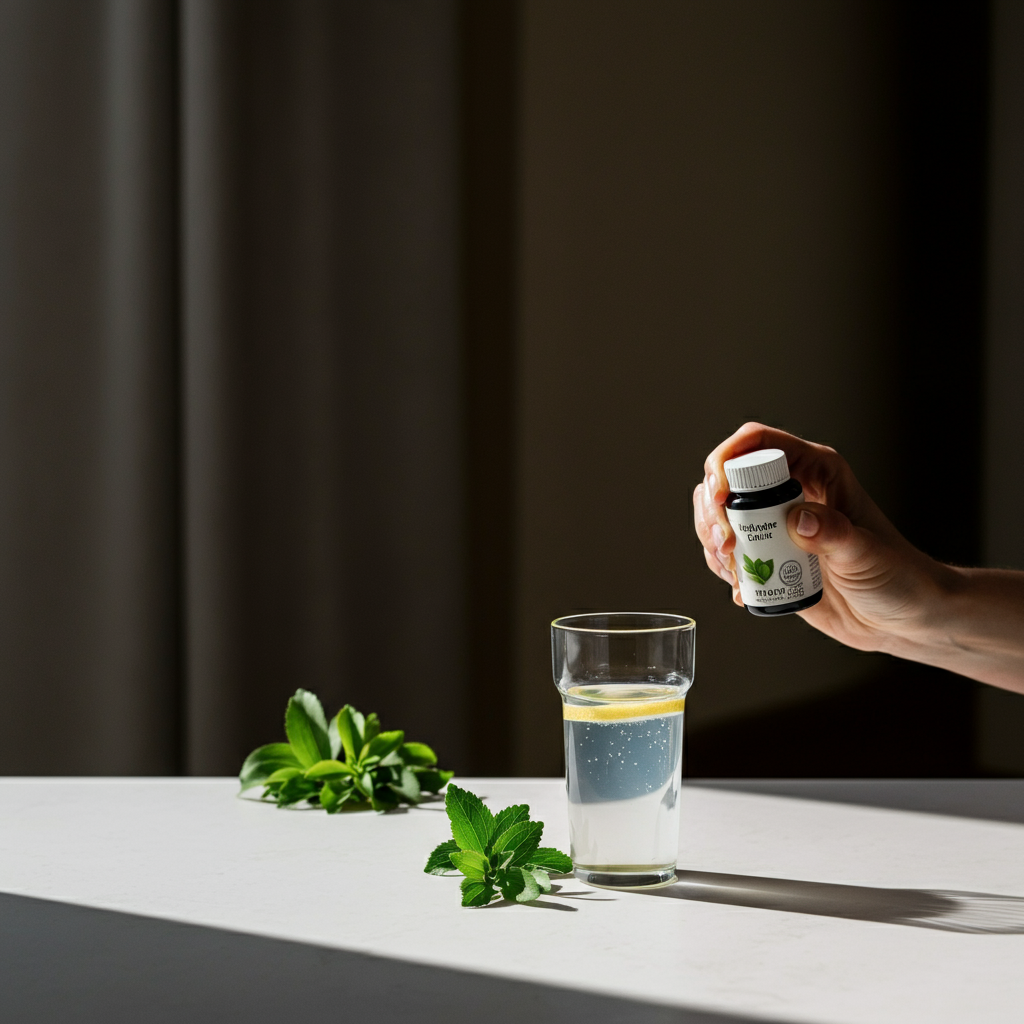
Flavored stevia drops offer a dual benefit: sweetness and added flavor. They can transform plain water into a refreshing, low-calorie soda alternative or enhance the taste of your morning coffee. When selecting flavored stevia, carefully examine the ingredient list. Prioritize options that use natural flavorings and avoid those with artificial sweeteners or additives.
Step 3: Measuring Stevia Extract Powder
Working with Stevia Powder
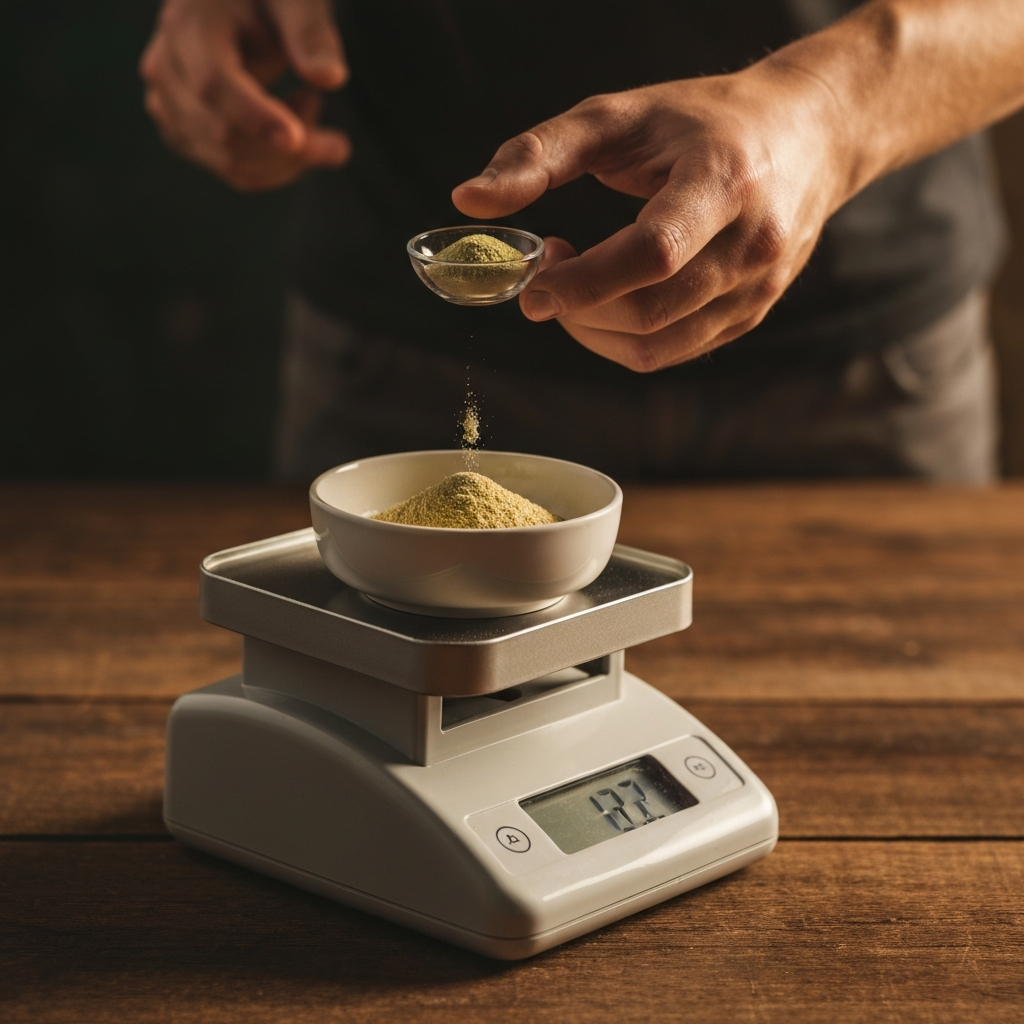
Stevia extract powder is significantly more potent than sugar, requiring careful measurement. As a general rule, start with half (or even less) of the amount of sugar you would typically use. For instance, if a recipe calls for one cup of sugar, begin with half a cup of stevia powder and adjust to taste. It’s crucial to thoroughly mix the powder to prevent clumping and ensure even distribution of sweetness.
Step 4: Baking with Stevia
Stevia in Baking: A Balancing Act
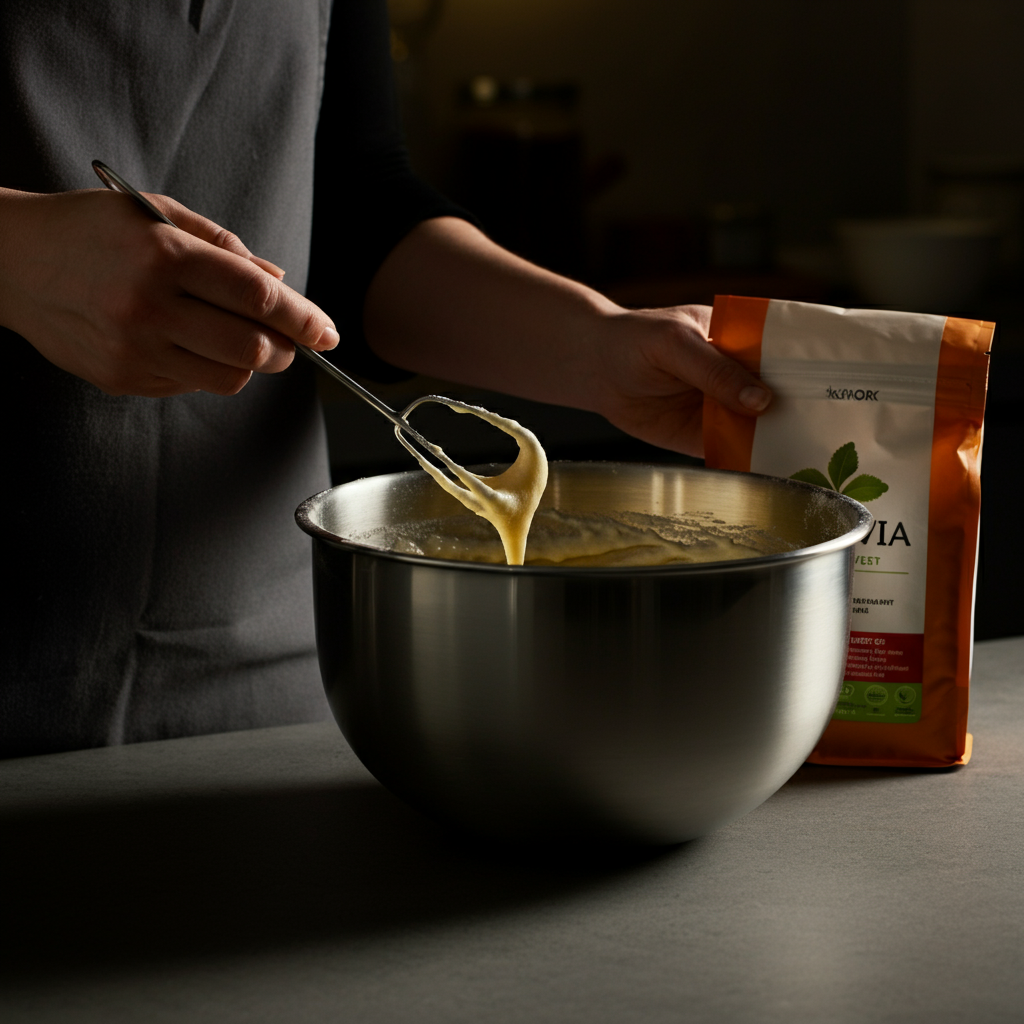
Baking with stevia requires more than just a direct sugar replacement. Because stevia doesn't provide the same bulk or moisture as sugar, you'll often need to adjust other ingredients in your recipe. Consider adding more liquid (such as milk, applesauce, or melted butter) or bulking agents (like flour or oats) to compensate. It's often best to start with recipes specifically designed for stevia to get a feel for the proper ratios. Keep in mind stevia won't caramelize like sugar.
Step 5: Avoiding Additives in Packaged Stevia
Read Labels Carefully
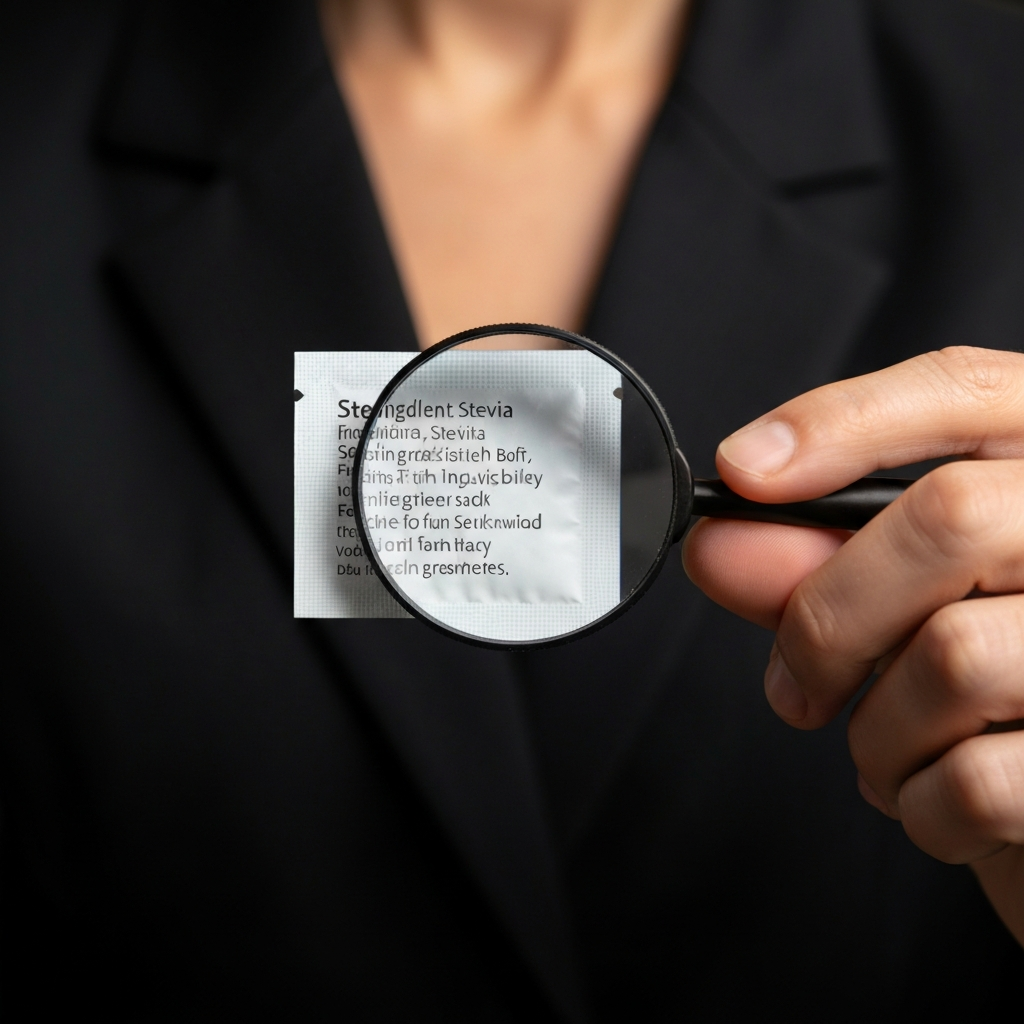
Many commercially available stevia products contain additives like dextrose, maltodextrin, or artificial sweeteners. These are often added to improve the texture or mask the aftertaste of stevia, but they can negate the health benefits and potentially raise your blood sugar. Always scrutinize the ingredient list and opt for products that list only pure stevia extract.
Step 6: Managing the Aftertaste
Masking the Licorice Flavor
A common complaint about stevia is its slightly bitter or licorice-like aftertaste. Fortunately, there are several ways to minimize this. Adding a small amount of acid, such as lemon or lime juice, can help to neutralize the aftertaste. Alternatively, pairing stevia with other flavors, like vanilla or cocoa, can also mask the undesirable notes.
Step 7: Sweetening Tea with Fresh Stevia Leaves
Harnessing Fresh Stevia
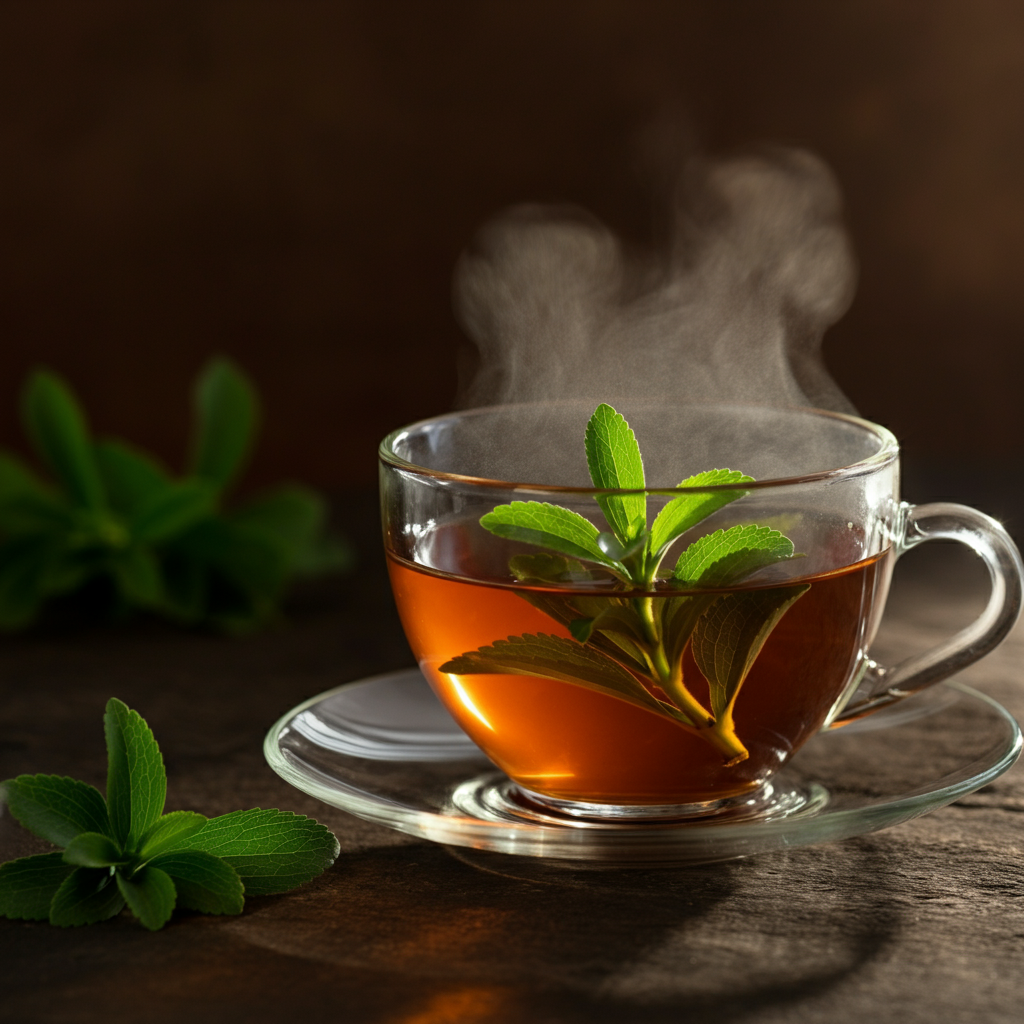
If you have access to a stevia plant, using fresh leaves is a simple way to sweeten beverages. Simply add 1-4 small leaves to your hot tea and allow them to steep for a few minutes. Adjust the number of leaves to achieve your desired sweetness. Remember that while stevia has a long history of use, unrefined stevia leaf lacks FDA approval as a food additive. It’s prudent to consult your doctor before regularly consuming fresh stevia leaves.
Step 8: Creating Dry Leaf Powder
DIY Stevia Powder
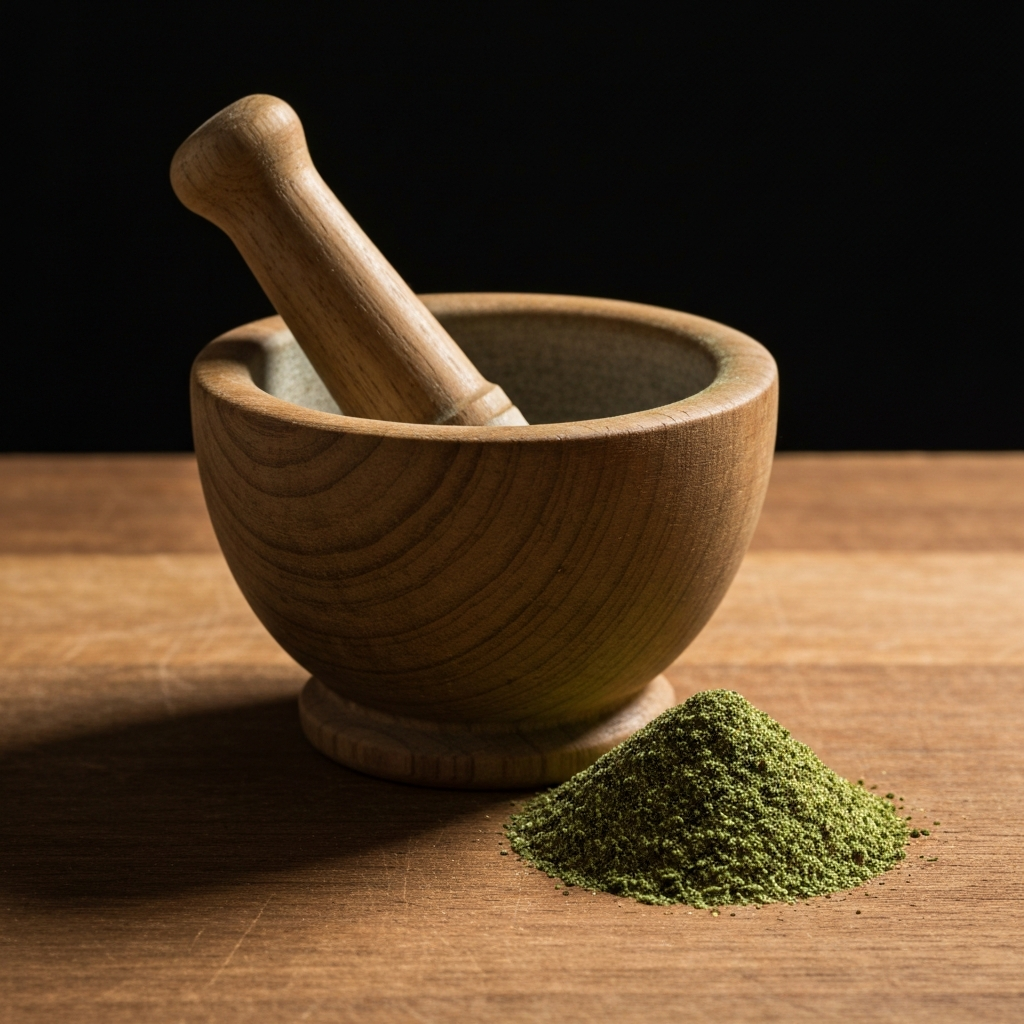
You can easily create your own stevia powder by drying fresh leaves. Lay the leaves between paper towels or hang entire stalks upside down in a cool, dry place for several days. Once the leaves are completely dry, grind them into a fine powder using a mortar and pestle. This homemade powder can be used to sweeten drinks, cereals, or other foods. Be aware that this pure form of stevia will have a more pronounced aftertaste.
Step 9: Crafting Stevia Syrup
Making Your Own Syrup
For a versatile liquid sweetener, consider making stevia syrup. Combine 2 cups of distilled water with 1 teaspoon of dry leaf powder in a saucepan. Bring the mixture to a boil, then reduce the heat and simmer for 10-15 minutes, or until the water reaches a syrupy consistency. Strain the syrup through a cheesecloth to remove any remaining powder. Store the syrup in an airtight container in the refrigerator. Remember that this syrup will be more potent than sugar syrup.
Tools or Materials Required
- Stevia drops or powder
- Fresh stevia leaves (optional)
- Mortar and pestle (optional, for making powder)
- Cheesecloth (optional, for making syrup)
- Measuring spoons and cups
- Saucepan (optional, for making syrup)
- Airtight container (for storing syrup)
Common Mistakes to Avoid
- Using too much stevia and creating an overly sweet or bitter flavor.
- Not reading labels and inadvertently consuming products with added sugars or artificial sweeteners.
- Failing to adjust other ingredients when baking with stevia.
- Neglecting to account for the varying potency of different stevia products.
Pro Tips
- Start with a small amount of stevia and gradually increase to your desired sweetness.
- Experiment with different brands and forms of stevia to find one that suits your taste.
- Combine stevia with other natural sweeteners, such as erythritol or monk fruit, to create a more balanced flavor.
FAQ Section
Q: Is stevia safe to consume?
A: High-quality refined stevia extracts are generally recognized as safe (GRAS) by the FDA. However, whole stevia leaves and crude extracts have not been approved.
Q: Will stevia raise my blood sugar?
A: No, stevia has a negligible impact on blood glucose levels.
Q: Can I use stevia if I'm pregnant or breastfeeding?
A: Consult with your doctor or healthcare provider before using stevia if you are pregnant or breastfeeding.
Conclusion
Stevia offers a versatile and calorie-free way to sweeten your food and beverages. Whether you prefer the convenience of liquid drops, the versatility of powder, or the natural appeal of fresh leaves, understanding the nuances of each form is crucial for optimal results. By following the tips and guidelines outlined in this guide, you can confidently incorporate stevia into your diet and enjoy its benefits without any unwanted surprises. Remember to read labels carefully, start with small amounts, and adjust to your personal taste preferences.