The English language is wonderfully quirky, and nowhere is this more apparent than in the collective nouns used to describe groups of animals. Forget simply saying "a group of birds" - why not declare a "charm of goldfinches" or a "murmuration of starlings"? These terms, often rooted in history and folklore, add color and character to our observations of the natural world.
This guide delves into the fascinating realm of animal group names, exploring their origins, meanings, and providing a comprehensive list of collective nouns for various species. Whether you're a seasoned naturalist, a language enthusiast, or simply curious about the world around you, this resource will enrich your understanding and appreciation of the animal kingdom.
Prepare to be amazed by the variety and creativity of these collective nouns, from the straightforward to the delightfully obscure. So, let's embark on a journey through the animal kingdom, armed with the proper vocabulary to describe the gatherings we encounter.
Step 1: Mammals and Marsupials – From Prides to Parades
Mammals, with their diverse social structures, boast a rich array of collective nouns. Some terms reflect the animals' behavior (a "romp" of otters), while others hint at their characteristics (a "shrewdness" of apes). It's important to remember that these terms are not always scientifically defined but rather represent a traditional and often whimsical way of describing groups. While "herd," "pack," and "group" are always acceptable, using the specific collective noun adds a layer of nuance and charm.
- Apes: a shrewdness
- Badgers: a cete or colony
- Bats: a cauldron
- Bears: a sloth or sleuth
- Buffalo: a gang or obstinacy
- Cats: a clowder, pounce, or glaring
- Cheetahs: a coalition
- Deer: a brace (two) or leash (three)
- Dogs: a pack (wild) or cowardice (curs)
- Dolphins: a herd, school, or pod
- Donkeys: a pace or herd
- Echidnas: a parade
- Elephants: a parade
- Elk: a gang
- Ferrets: a business
- Fox: a leash, skulk, or earth
- Fur seals: a harem (belonging to one male)
- Giraffes: a tower or herd
- Goats: a tribe or trip
- Gorillas: a band
- Hares: a down, husk, or leash
- Hedgehogs: an array
- Hippopotamuses: a bloat or thunder
- Horses: a harras, span (team of two), or string
- Hyenas: a cackle
- Jaguars: a shadow
- Kangaroos: a troop or mob
- Kittens: a kindle, litter, or intrigue
- Lemurs: a conspiracy
- Leopards: a leap
- Lions: a pride
- Martens: a richness
- Mice: a mischief or nest
- Moles: a labor
- Monkeys: a troop or barrel
- Mules: a pack, span, or barren
- Otters: a romp
- Pigs: a drift, drove, sounder, team, or passel
- Platypus: a paddle
- Porcupines: a prickle
- Porpoises: a pod, school, herd, or turmoil
- Prairie dogs: a coterie
- Puppies: a litter
- Rabbits: a colony, berry, warren, nest, down, husk, or herd (domestic only)
- Rhinoceroses: a crash
- Roes: a bevy
- Rooks: a building or parliament
- Seals: a plump, spring, colony, or harem
- Sheep: a flock, fold, mob, or wing
- Squirrels: a dray (nest) or scurry
- Tigers: an ambush or streak
- Whales: a pod, gam, or herd
- Wild cats: a destruction
- Wolves: a pack, rout, or route (when in movement)
- Wombats: a wisdom
- Zebras: a zeal or dazzle
Step 2: Avian Assemblages: Flocks, Gaggles, and Murders
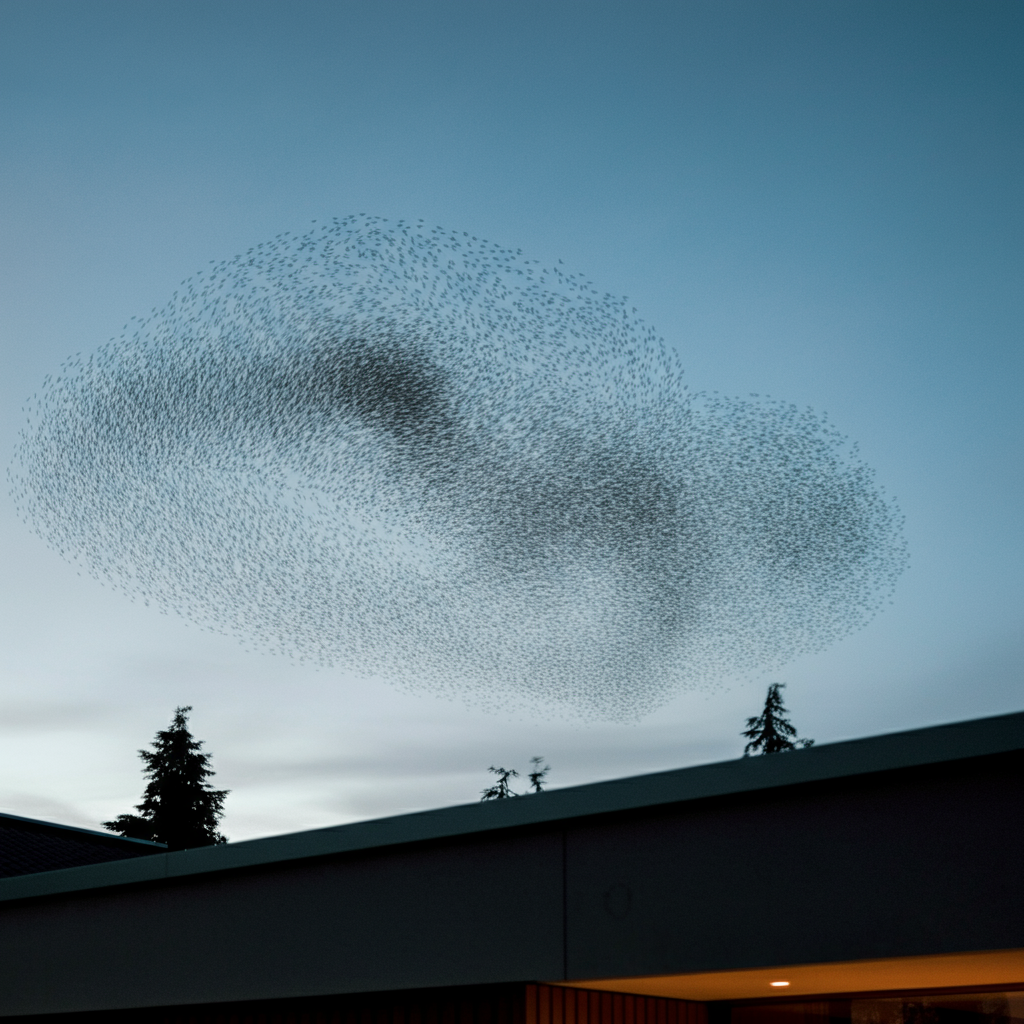
The world of birds offers an equally captivating collection of collective nouns. From the familiar "flock" to the more evocative "parliament" of owls and "unkindness" of ravens, these terms often reflect the birds' behavior, habitat, or even perceived personality. Pay attention to the context, as some terms are specific to birds in flight (a "skein" of geese) or on the ground (a "gaggle" of geese). The diverse names truly are something to behold.
- Bitterns: a sedge
- Buzzards: a wake
- Bobolinks: a chain
- Choughs: a clattering
- Coots: a cover
- Cormorants: a gulp
- Crows: a murder or horde
- Dotterel: a trip
- Doves: a dule or pitying (specific to turtle doves)
- Ducks: a brace, team, flock (in flight), raft (on water), paddling, or badling
- Dunlins: a fling (in flight)
- Eagles: a convocation or aerie
- Emus: a mob
- Falcons: a cast (a pair released after game)
- Finches: a charm or chirm
- Flamingos: a stand or flamboyance
- Fowl: a plump, trip, or skein (in flight)
- Geese: a flock, gaggle (on the ground), or skein (in flight)
- Goldfinches: a charm
- Grouse: a pack (in late season)
- Hawks: a cast, kettle (in flight), or boil (two or more spiraling in the air)
- Herons: a sedge or siege
- Jays: a party or scold
- Lapwings: a deceit
- Larks: an exaltation
- Magpies: a tiding, gulp, murder, or charm
- Mallards: a sord (on the ground) or brace
- Nightingales: a watch
- Owls: a parliament
- Parrots: a pandemonium or company
- Partridge: a covey
- Peafowl or peacocks: an ostentation or muster
- Penguins: a colony, muster, parcel, or rookery
- Pheasant: a nest, nide (a brood), nye, or bouquet
- Pigeons: a kit
- Plovers: a congregation or wing (in flight)
- Ptarmigans: a covey
- Quail: a bevy or covey
- Ravens: an unkindness
- Rooks: a building
- Ruffs: a hill
- Sheldrakes: a dropping
- Snipes: a walk or wisp
- Sparrows: a host
- Starlings: a murmuration
- Storks: a mustering
- Swans: a bevy, game, or wedge (in flight)
- Teal: a spring
- Turkeys: a rafter or gang
- Waterfowl: a bunch, knob (less than 30), or raft (on water)
- Woodcocks: a fall
- Woodpeckers: a descent
Step 3: Reptiles and Amphibians: Basks and Armies
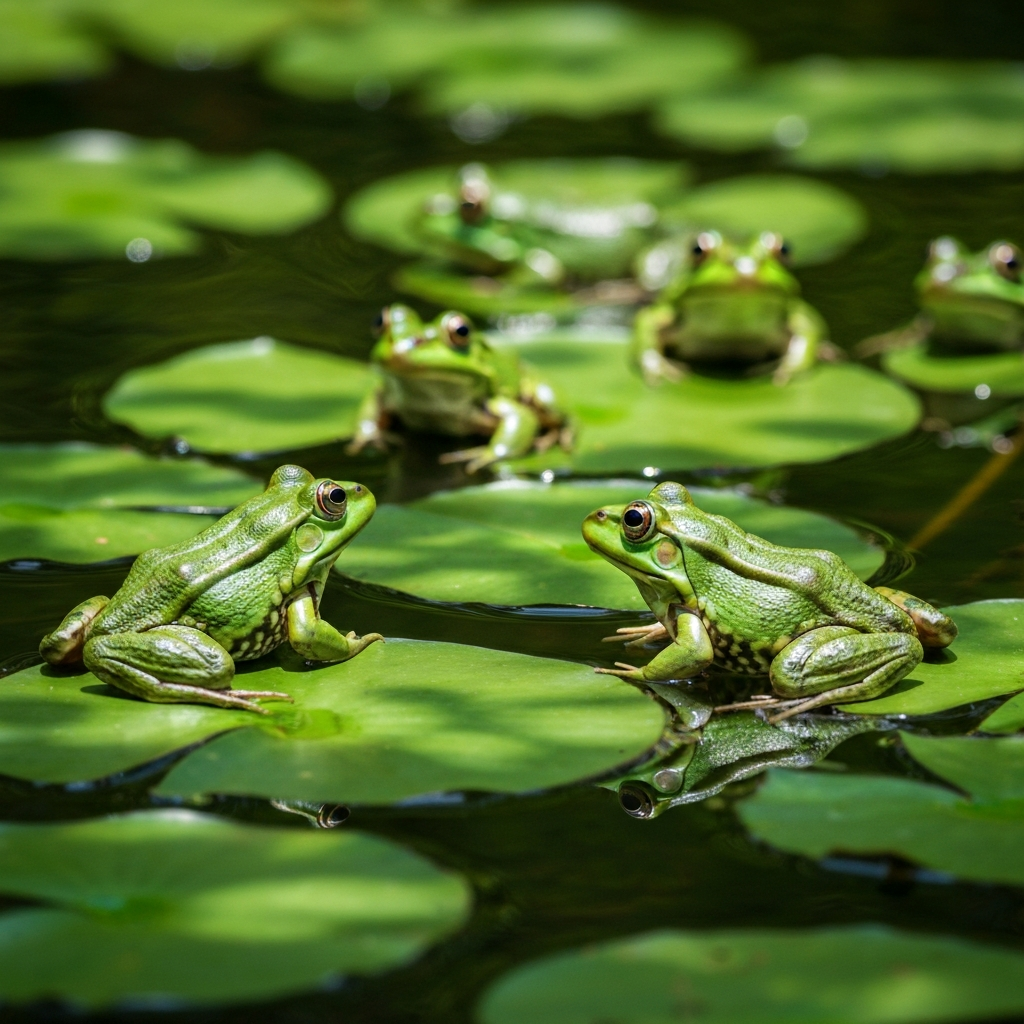
Reptiles and amphibians, often solitary creatures, have fewer collective nouns associated with them. However, the terms that do exist are just as intriguing. Imagine stumbling upon a "bask" of crocodiles or an "army" of frogs! It's worth noting that these terms are less commonly used in everyday conversation, but they offer a unique perspective on these often misunderstood animals. Remember that grouping reptiles in captivity can be stressful for them, so observe reptile groupings in nature carefully.
- Alligators: a congregation
- Axolotls: a harem
- Cobras: a quiver
- Crocodiles: a bask
- Frogs: an army
- Geckos: a clutter
- Iguanas: a mess or slaughter
- Toads: a knot
- Turtles: a bale or nest
- Salamanders: a maelstrom
- Snakes and vipers: a nest
Step 4: Fish and Sea Creatures: Schools and Galaxies
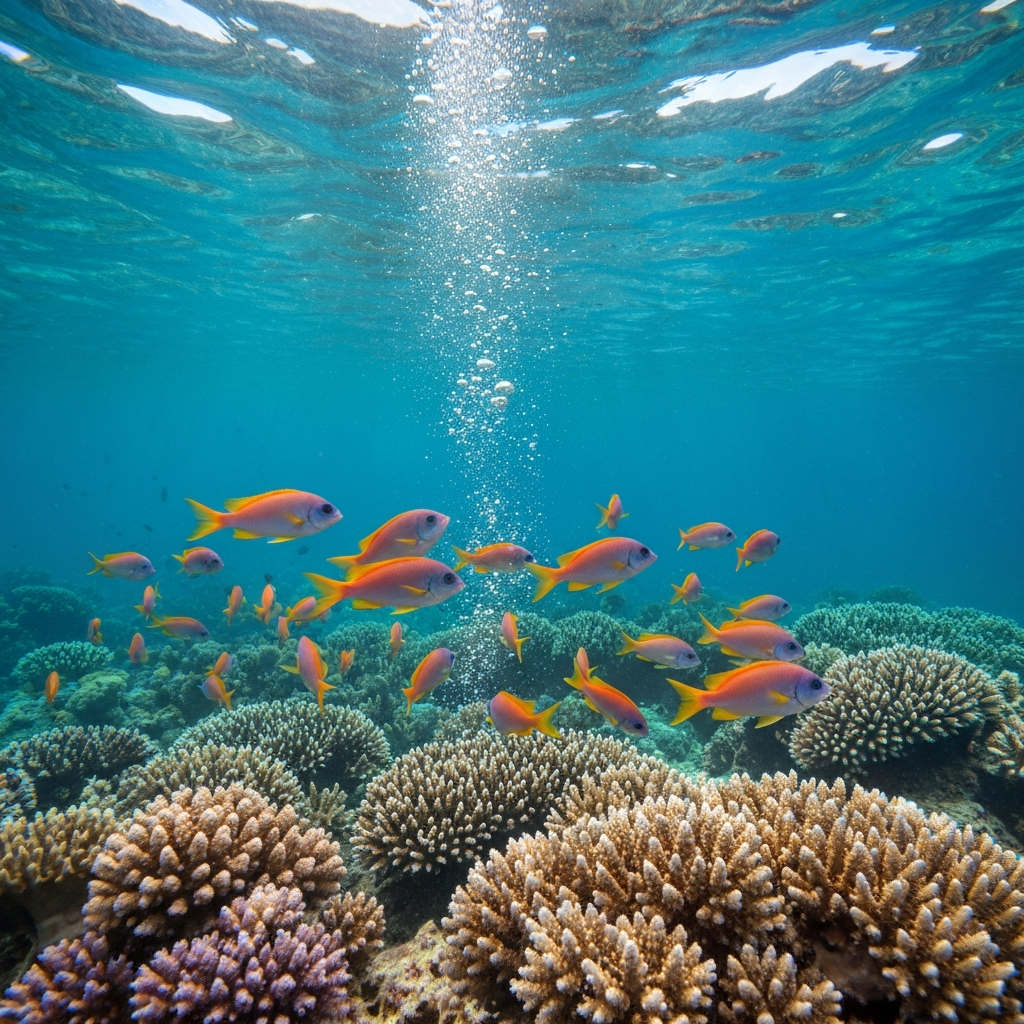
The underwater world teems with life, and the collective nouns for marine animals reflect this abundance. From the familiar "school" of fish to the more poetic "galaxy" of starfish, these terms capture the diversity and wonder of the ocean. Be aware that some terms, like "shoal," can also refer to shallow water, so context is key. Truly a world of wonder and unique names.
- Clams: a bed
- Crabs: a consortium
- Fish (general): a draft, nest, run, school, or shoal
- Herring: an army
- Jellyfish: a bloom, fluther, or smack
- Lobsters: a risk
- Manta rays: a squadron
- Oysters: a bed
- Seahorses: a herd
- Sharks: a shiver
- Squid: an audience
- Starfish: a galaxy
- Stingrays: a fever
- Trout: a hover
Step 5: Insects: Swarms and Clouds
Insects, often seen as pests, also have their share of interesting collective nouns. A "swarm" of bees is a common sight, but have you ever heard of a "loveliness" of ladybugs or a "kaleidoscope" of butterflies? These terms add a touch of whimsy to our perception of these tiny creatures. Many insects are solitary for parts of their lives. Remember these names are for when they gather!
- Ants: a colony or army
- Bees: a grist, hive, or swarm
- Butterflies: a kaleidoscope or flutter
- Caterpillars: an army
- Cockroaches: an intrusion
- Dragonflies: a flight or cluster
- Flies: a business
- Gnats: a cloud or horde
- Grasshoppers: a cloud
- Hornets: a nest or bike
- Ladybugs: a loveliness
- Locusts: a plague
- Mosquitoes: a scourge
- Moths: an eclipse
- Scorpions: a nest or bed
- Slugs: a herd or cornucopia
- Snails: a hood
- Spiders: a cluster or clutter
- Termites: a brood
Tools or Materials Required
No specific tools or materials are required to learn about animal group names. However, the following resources can enhance your learning experience:
- A good dictionary or thesaurus
- Field guides to local wildlife
- Online resources dedicated to animal names and etymology
- A notebook and pen for recording new terms and observations
Common Mistakes to Avoid
- Assuming that collective nouns are scientifically accurate or officially recognized.
- Using collective nouns incorrectly or out of context.
- Overusing obscure or archaic terms in everyday conversation.
- Forgetting that many animals do not naturally form groups.
FAQ Section
- Are these animal group names official?
- No, many of them are descriptive and fun, but are not considered official or scientific terms. As much as you might wish you had to say “a dazzle of zebras” to be considered correct, using more generic terms like “herd,” “flock,” or “swarm” is just as acceptable (and probably easier to understand for most people).
- Why do animals gather in groups?
- Animals might gather in groups for a variety of reasons. Prey animals often find safety in numbers and can protect themselves from predators better together than individually. Some animals may primarily live solo but come together in groups to feed, mate, or migrate together. And, just like humans, some animals simply need companionship to thrive!
- What is a collective noun?
- A collective noun is a word that refers to a group of people or things. For example, words like “team” or “flock” are collective nouns. They’re interesting because the speaker is choosing to use a whole new word to describe a group instead of just making the members of the group plural (for example, saying “the team” instead of “the humans”).
Conclusion
The world of animal group names is a testament to the creativity and expressiveness of the English language. By learning these terms, we not only expand our vocabulary but also deepen our appreciation for the natural world. While these names may not be scientifically rigorous, they offer a unique and often whimsical way to describe the gatherings of animals that we encounter. So, the next time you see a group of crows, remember that you're witnessing a "murder" – and perhaps a bit of history and folklore as well.