Discovering hair glue on your favorite garments can be frustrating. Whether it's from a stray extension mishap or an accidental spill during a styling session, removing hair glue from clothing requires a delicate yet effective approach. This guide provides proven methods to gently lift the adhesive without damaging the fabric, restoring your clothes to their original condition.
Hair glue, often formulated for strong adhesion, can be tricky to deal with. The key is to act quickly and avoid harsh chemicals that can degrade fabric fibers. This guide will walk you through various techniques, from simple household remedies to specialized solvents, ensuring you have the knowledge and tools to tackle any hair glue situation.
Before starting any removal process, it's crucial to identify the fabric type and test any cleaning solution on an inconspicuous area first. This will help you assess the fabric's reaction and prevent potential discoloration or damage. With the right techniques and a little patience, you can successfully remove hair glue and save your clothes.
Step 1: Initial Assessment and Preparation
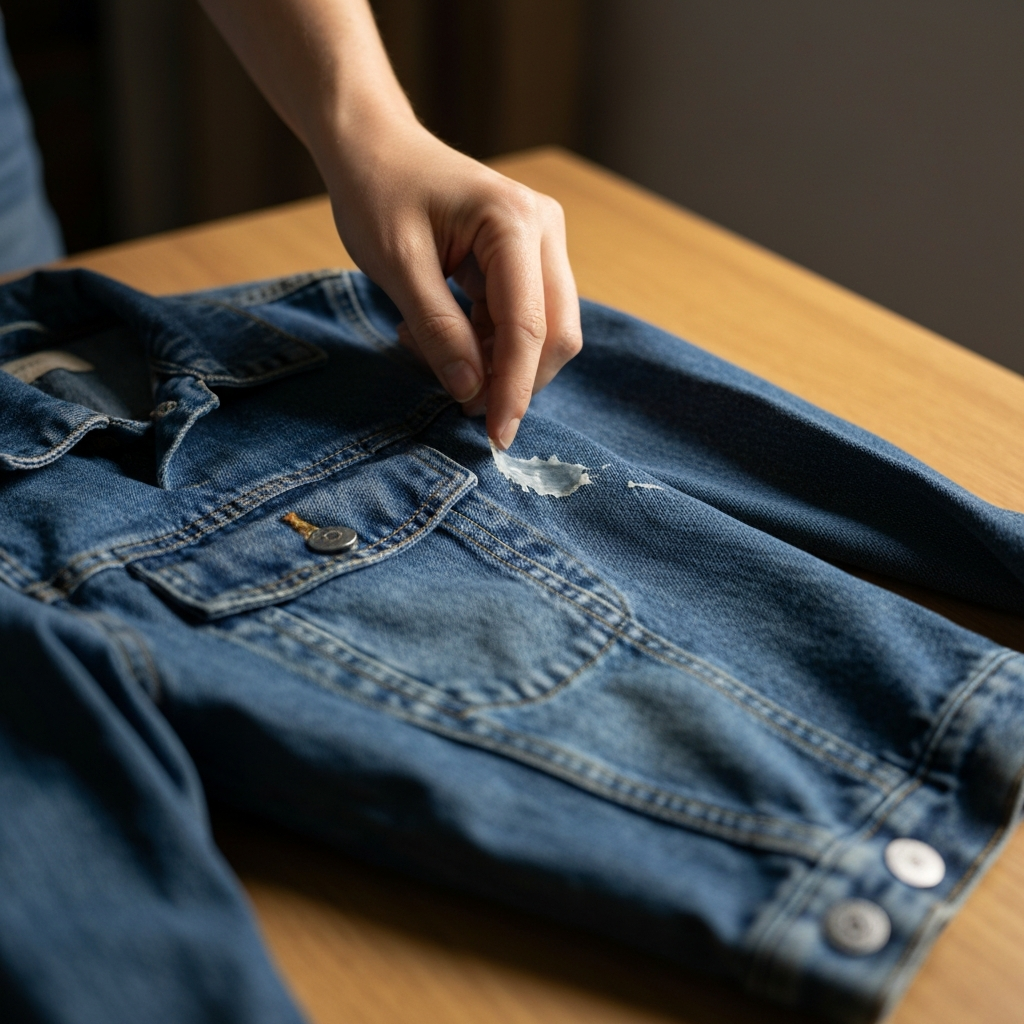
Before attempting any removal method, carefully examine the affected area. Determine the type of fabric and the extent of the glue stain. Gently remove any loose, dried glue flakes with your fingers or a soft brush. Avoid rubbing or scrubbing, as this can spread the glue further into the fabric fibers. Proper preparation is key to preventing further damage and ensuring a successful outcome. Consider the age and delicacy of the fabric before proceeding; vintage or delicate fabrics may require professional cleaning.
Step 2: The Freezing Method
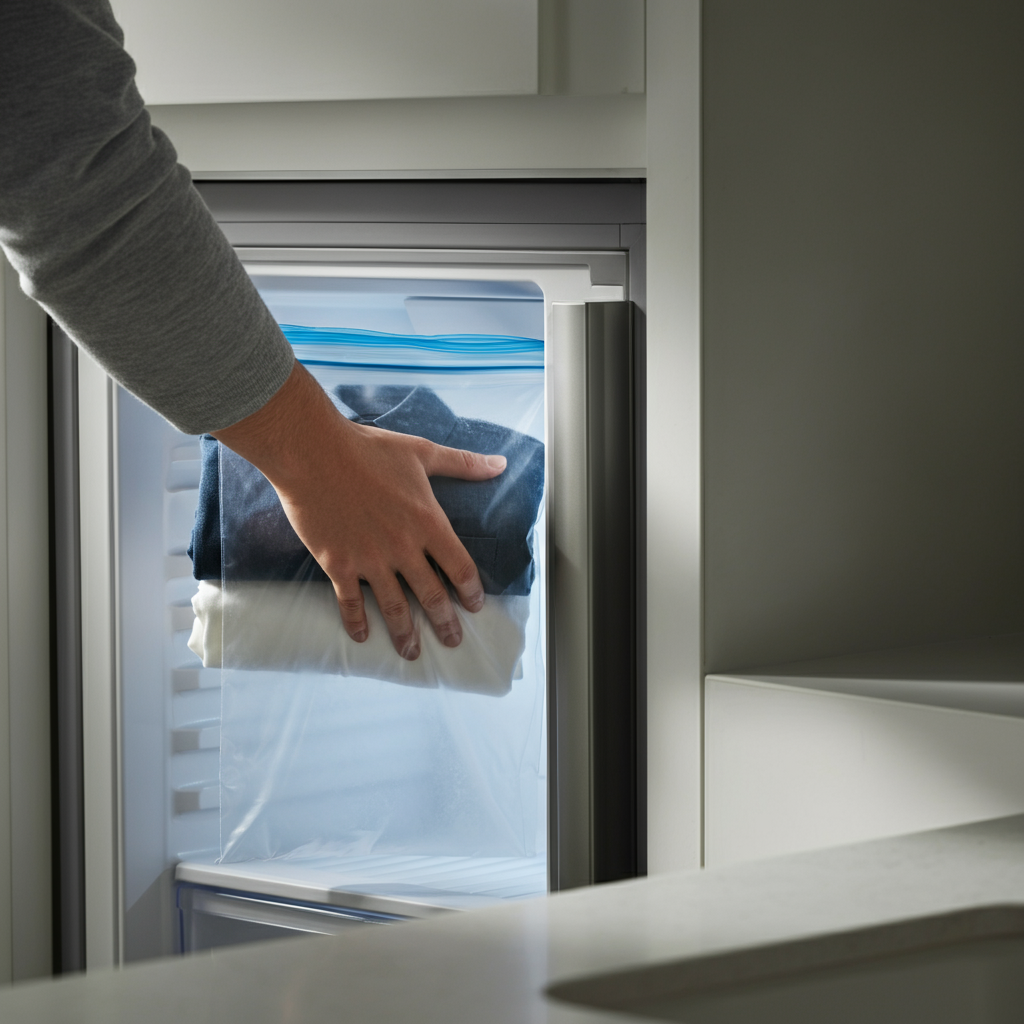
One of the simplest and often most effective methods is freezing the glue. Place the garment in a plastic bag and put it in the freezer for at least one hour. The cold temperature will harden the glue, making it brittle and easier to remove. Once frozen, carefully peel off the hardened glue. If any residue remains, proceed to the next step. This method is particularly effective for thicker, more concentrated glue deposits. Ensure the plastic bag is sealed to prevent moisture damage to the garment.
Step 3: Applying Rubbing Alcohol (Isopropyl Alcohol)
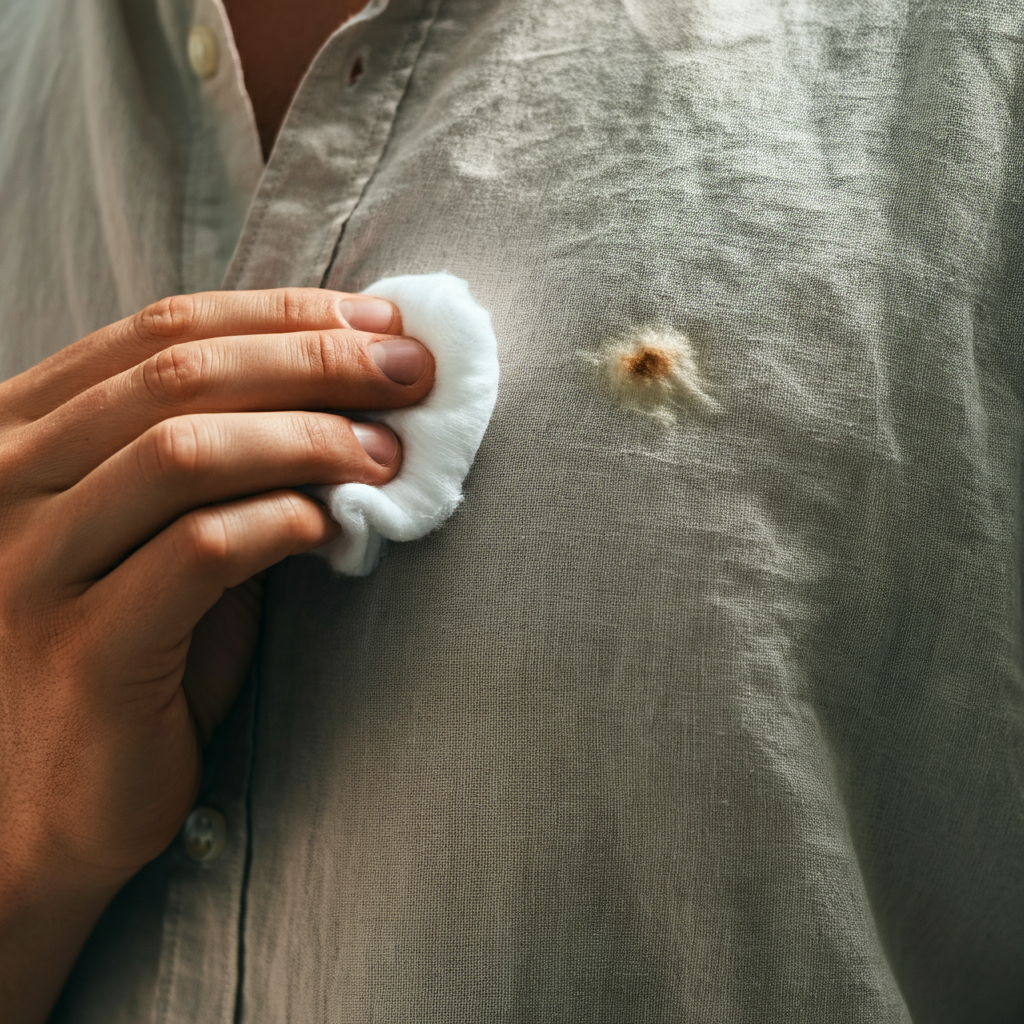
Rubbing alcohol is an excellent solvent for breaking down many types of adhesives, including hair glue. Test a small, hidden area of the fabric first to ensure colorfastness. If safe, saturate a cotton ball with rubbing alcohol and gently dab the glue stain. Avoid pouring the alcohol directly onto the fabric, as this can cause excessive saturation and potential damage. Allow the alcohol to sit for a few minutes, then gently blot the area with a clean cloth. Repeat as necessary until the glue is removed. Follow up with a gentle wash to remove any remaining alcohol residue.
Step 4: Using White Vinegar
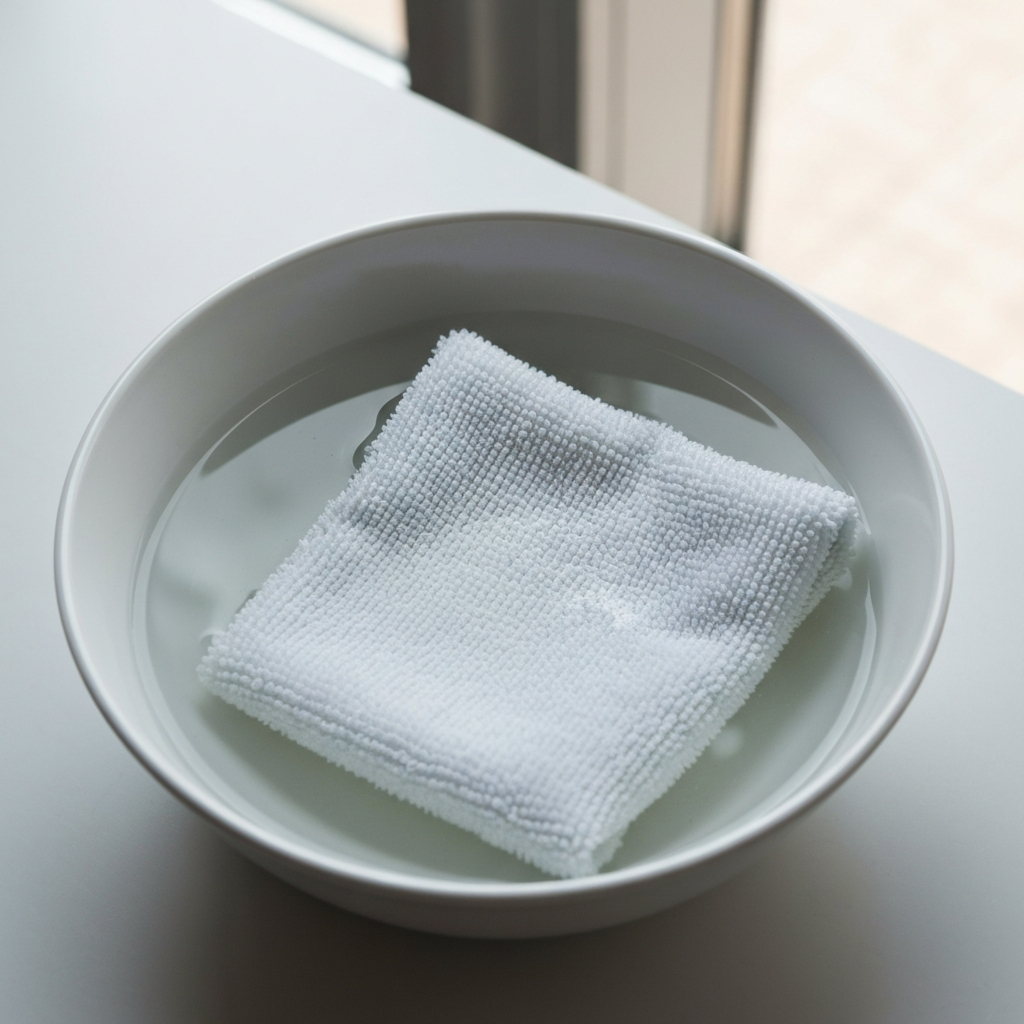
White vinegar is a gentler alternative to rubbing alcohol and can be effective on certain types of hair glue. Mix equal parts white vinegar and water in a bowl. Soak a clean cloth in the solution and gently blot the glue stain. Avoid rubbing, as this can damage the fabric. Allow the vinegar solution to sit for several minutes, then blot the area with a dry cloth. Repeat as needed. Vinegar is particularly useful for dissolving water-based glues. Rinse the garment thoroughly after treatment to remove any lingering vinegar odor.
Step 5: Gentle Scraping
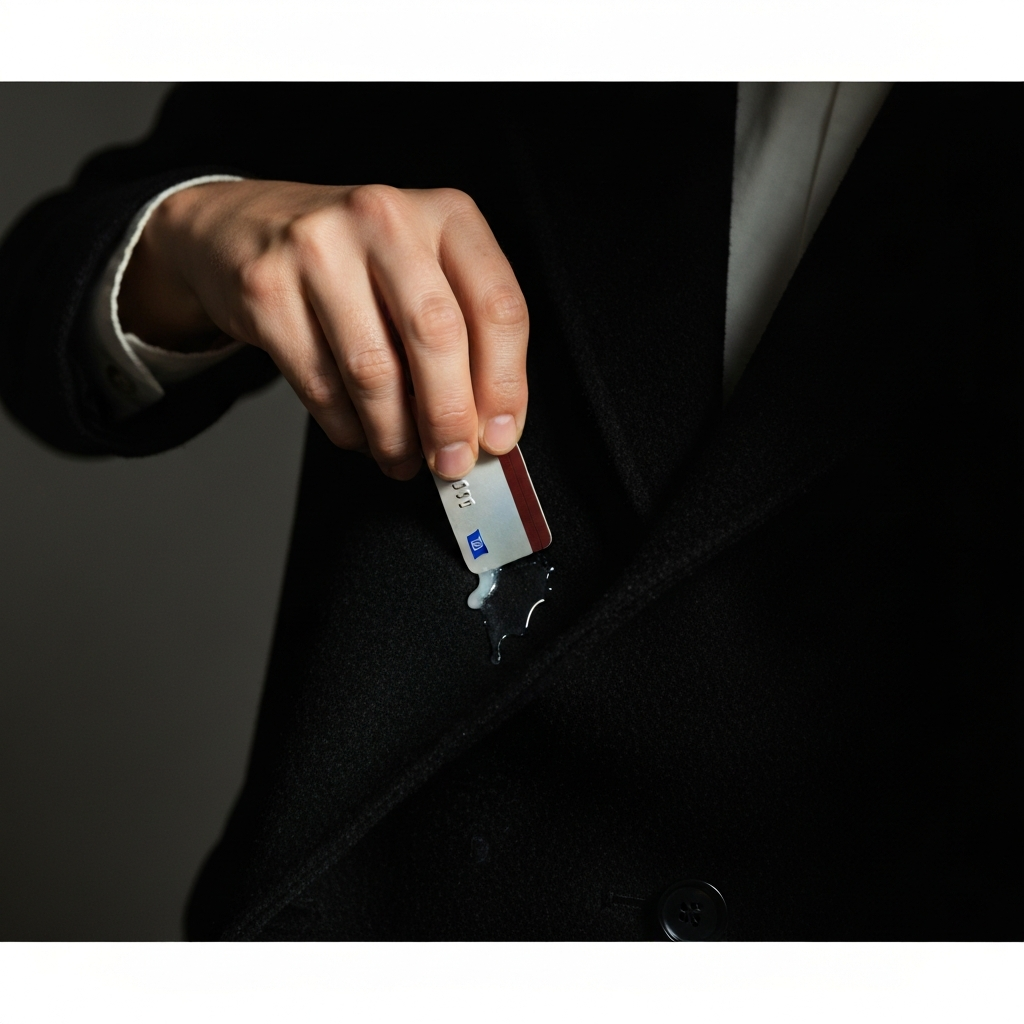
After applying a solvent like rubbing alcohol or vinegar, gentle scraping can help remove stubborn glue residue. Use a dull butter knife, the edge of a credit card, or a soft toothbrush to gently lift the softened glue from the fabric. Always scrape in the direction of the fabric weave to avoid snagging or damaging the fibers. Avoid using excessive force, as this can cause the glue to spread or damage the fabric. This method is most effective when the glue has been softened by a solvent.
Step 6: Washing and Air Drying
Once the glue has been removed, wash the garment according to the manufacturer's instructions. Use a gentle detergent and avoid using hot water, as heat can set any remaining glue residue. After washing, air dry the garment. Avoid using a dryer until you are certain that all traces of glue have been removed, as the heat from the dryer can permanently set the stain. Inspect the garment after air drying. If any residue remains, repeat the cleaning process.

Tools or Materials Required
- Rubbing Alcohol (Isopropyl Alcohol)
- White Vinegar
- Cotton Balls
- Clean Cloths
- Soft Brush or Dull Butter Knife
- Plastic Bag
- Mild Detergent
- Water
Common Mistakes to Avoid
- Using excessive heat (e.g., a hot iron or dryer) before removing all glue residue.
- Rubbing the stain vigorously, which can spread the glue and damage the fabric.
- Using harsh chemicals that can damage or discolor the fabric.
- Failing to test cleaning solutions on an inconspicuous area first.
Safety Considerations
When using solvents like rubbing alcohol, work in a well-ventilated area. Avoid inhaling the fumes and keep the solvents away from open flames or heat sources. Always wear gloves to protect your skin from irritation. If you experience any adverse reactions, discontinue use and consult a medical professional.
Pro Tips
- Act quickly! The sooner you address the glue stain, the easier it will be to remove.
- For delicate fabrics, consider seeking professional cleaning assistance.
- Always read and follow the manufacturer's instructions for both the garment and the cleaning solutions.
FAQ Section
- Can I use nail polish remover to remove hair glue?
- Nail polish remover (acetone) can be effective, but it is a strong solvent that can damage certain fabrics. Test it on an inconspicuous area first and use with extreme caution.
- What if the glue stain is very large?
- For large stains, multiple applications of the cleaning solution and gentle scraping may be necessary. Patience is key!
- Will these methods work on all types of fabric?
- While these methods are generally safe, it's always best to test any cleaning solution on an inconspicuous area first to ensure compatibility with the fabric.
Conclusion
Removing hair glue from clothes can be a manageable task with the right techniques and a little patience. Remember to always test cleaning solutions on an inconspicuous area first and to avoid using excessive heat or harsh chemicals. By following the steps outlined in this guide, you can successfully restore your garments to their original condition and prevent future glue-related mishaps.