Elm trees, known for their majestic stature and graceful arching branches, are a cherished part of many landscapes. If you're considering planting an elm or simply curious about their growth rate, understanding the timeline for reaching full height is crucial. While "full height" is subjective and depends on the specific species and environmental factors, this guide provides an expert overview of the typical growth trajectory of an elm tree.
This isn't just a simple answer; it involves understanding different elm varieties, optimal growing conditions, and potential challenges that can impact growth. We'll break down the process into manageable steps, offering practical advice to help you cultivate a thriving elm tree. Whether you're a seasoned arborist or a novice gardener, this guide provides valuable insights into the fascinating world of elm tree growth.
Let's dive in and explore the journey of an elm tree from a young sapling to a towering specimen.
Step 1: Selecting the Right Elm Species
Choosing a Suitable Variety
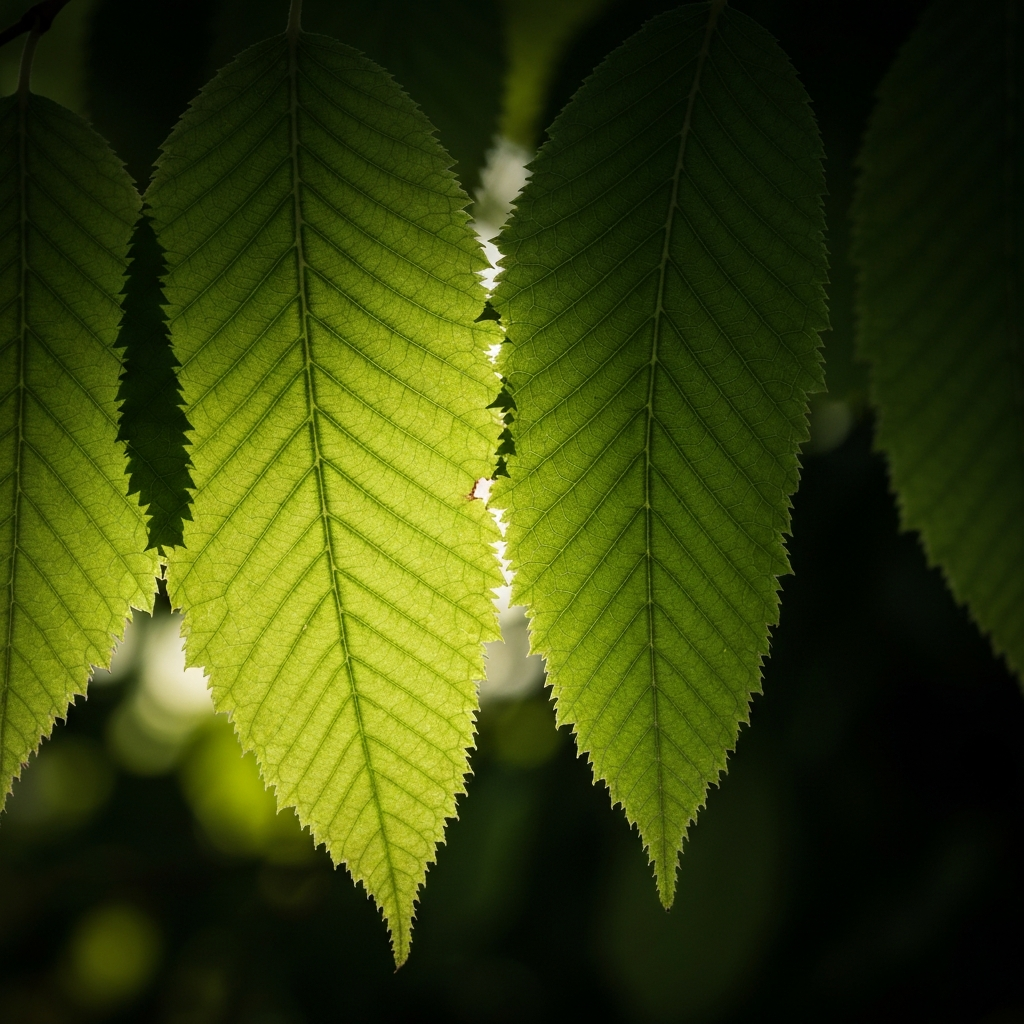
The first, and arguably most important, step in determining how long it takes an elm to reach full height is selecting the right species. Different elm varieties have vastly different growth rates and mature sizes. For example, the American Elm (Ulmus americana), once a dominant species, can reach impressive heights of 70-100 feet, but its susceptibility to Dutch Elm Disease is a major consideration. Disease-resistant cultivars like 'Princeton' or 'Liberty' are popular choices. Conversely, smaller varieties like the Japanese Zelkova, often mistaken for an elm, will reach a significantly shorter mature height (around 50-80 feet). Researching the specific mature height range of your chosen variety is essential for accurate growth expectations. Consider your available space and desired aesthetic before making a decision.
Step 2: Understanding Optimal Growing Conditions
Providing Ideal Environment
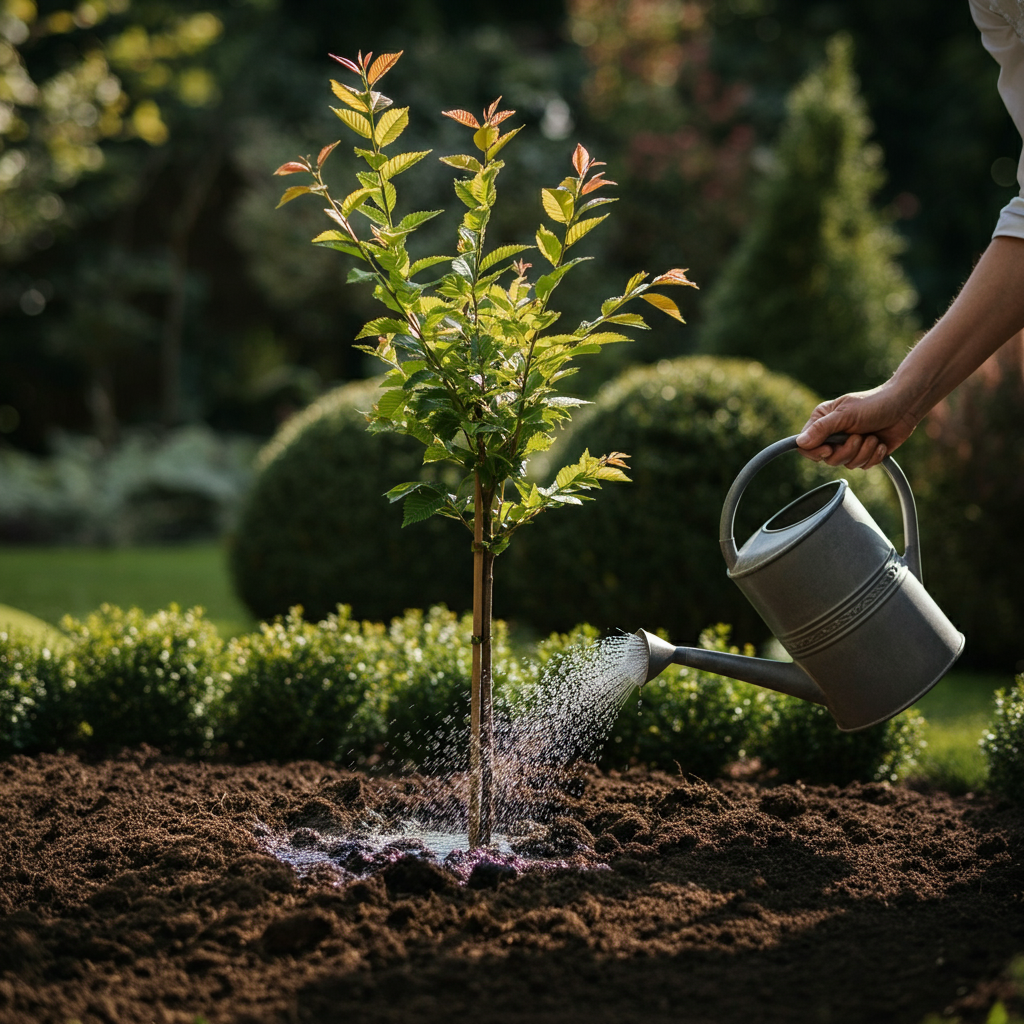
Even the fastest-growing elm species will struggle to reach its potential without the right environmental conditions. Elms generally prefer well-drained soil that is slightly acidic to neutral. Adequate sunlight is also crucial; most elms need at least six hours of direct sunlight per day. Soil testing is highly recommended before planting. This allows you to amend the soil with organic matter to improve drainage and nutrient content if necessary. Furthermore, consistent watering, especially during the first few years after planting, is vital for establishing a strong root system. Insufficient water or poor soil can drastically slow down growth. Remember to check your local climate conditions and select an elm variety known to thrive in your area's specific temperature range and rainfall patterns.
Step 3: Initial Growth and Establishment (Years 1-5)
The Critical First Years
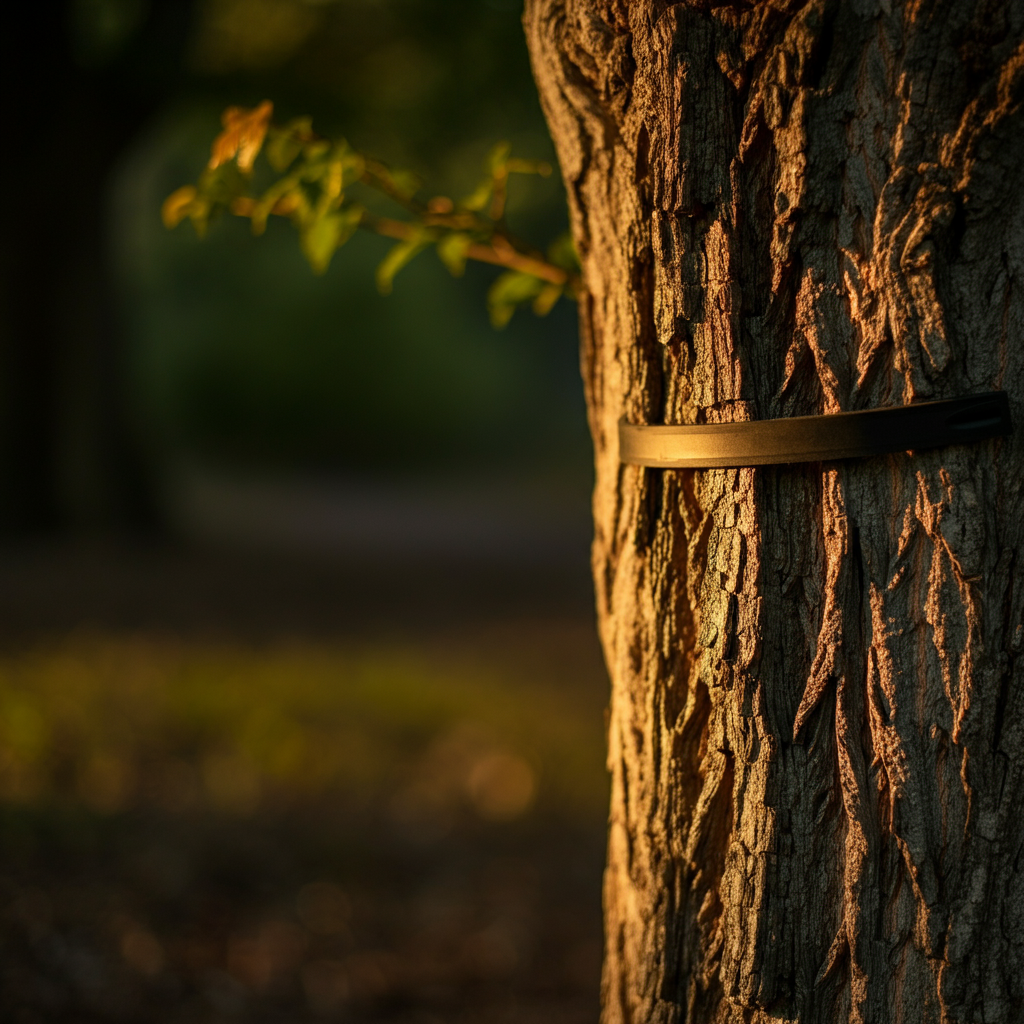
The first five years are critical for establishing a strong foundation for future growth. During this period, the elm will primarily focus on developing its root system. Expect relatively slow above-ground growth initially. A healthy elm sapling might grow 1-3 feet per year during these early stages. Regular watering, fertilization (following soil test recommendations), and protection from pests and diseases are crucial during this phase. Mulching around the base of the tree helps retain moisture, suppress weeds, and regulate soil temperature. Protect the young trunk from damage caused by animals or lawn equipment by using a tree guard. Pruning is generally minimal during these early years, focusing on removing any dead or damaged branches.
Step 4: Accelerated Growth Phase (Years 5-20)
Reaching for the Sky
Once the root system is well-established, the elm will enter a phase of more rapid growth. This typically occurs between years 5 and 20. During this period, you can expect growth rates of 2-5 feet per year, depending on the species and environmental conditions. Consistent care and maintenance, including proper pruning and fertilization, will maximize growth during this phase. Monitor for any signs of pests or diseases and address them promptly. Regular inspections can prevent minor issues from escalating into major problems. Proper pruning during this phase helps to shape the tree and promote a strong, structurally sound canopy. Consider consulting with a certified arborist for guidance on pruning techniques.
Step 5: Mature Growth and Maintenance (Years 20+)
Sustaining a Mature Tree
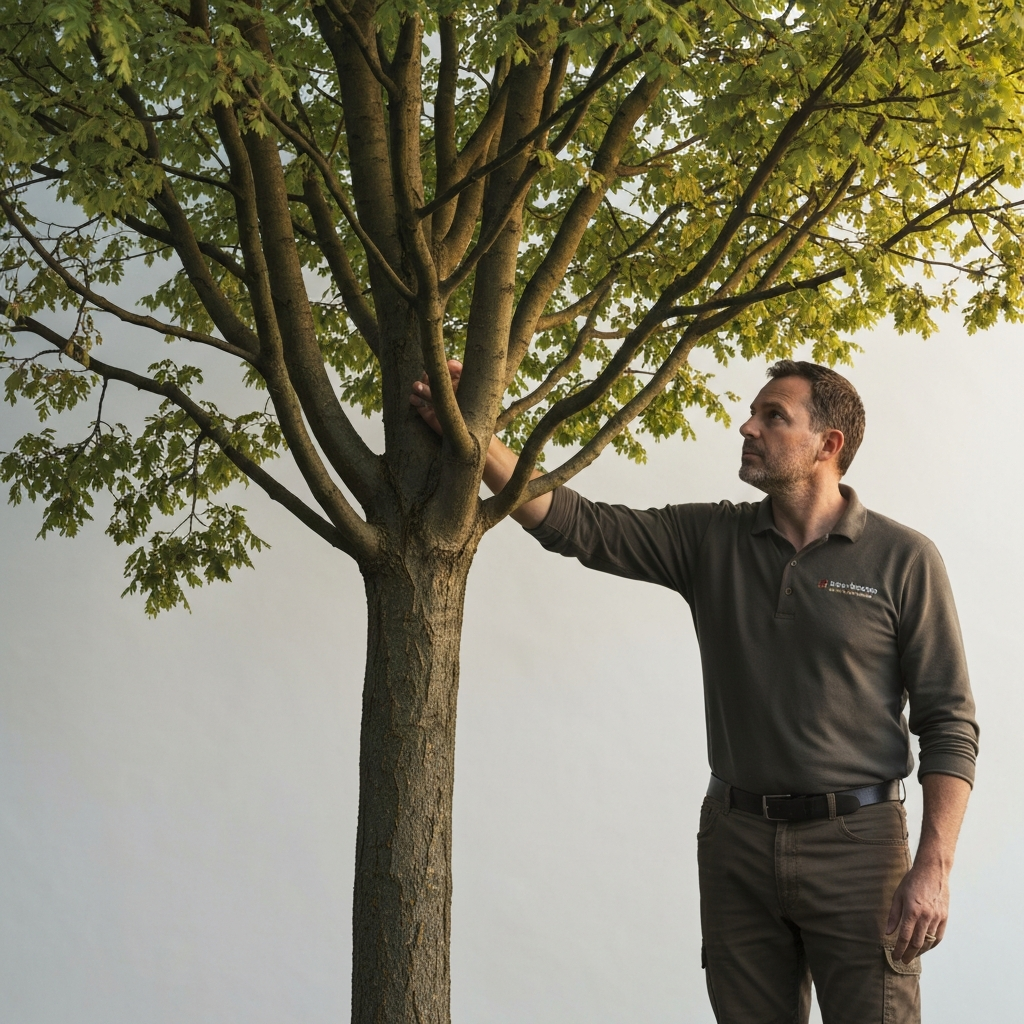
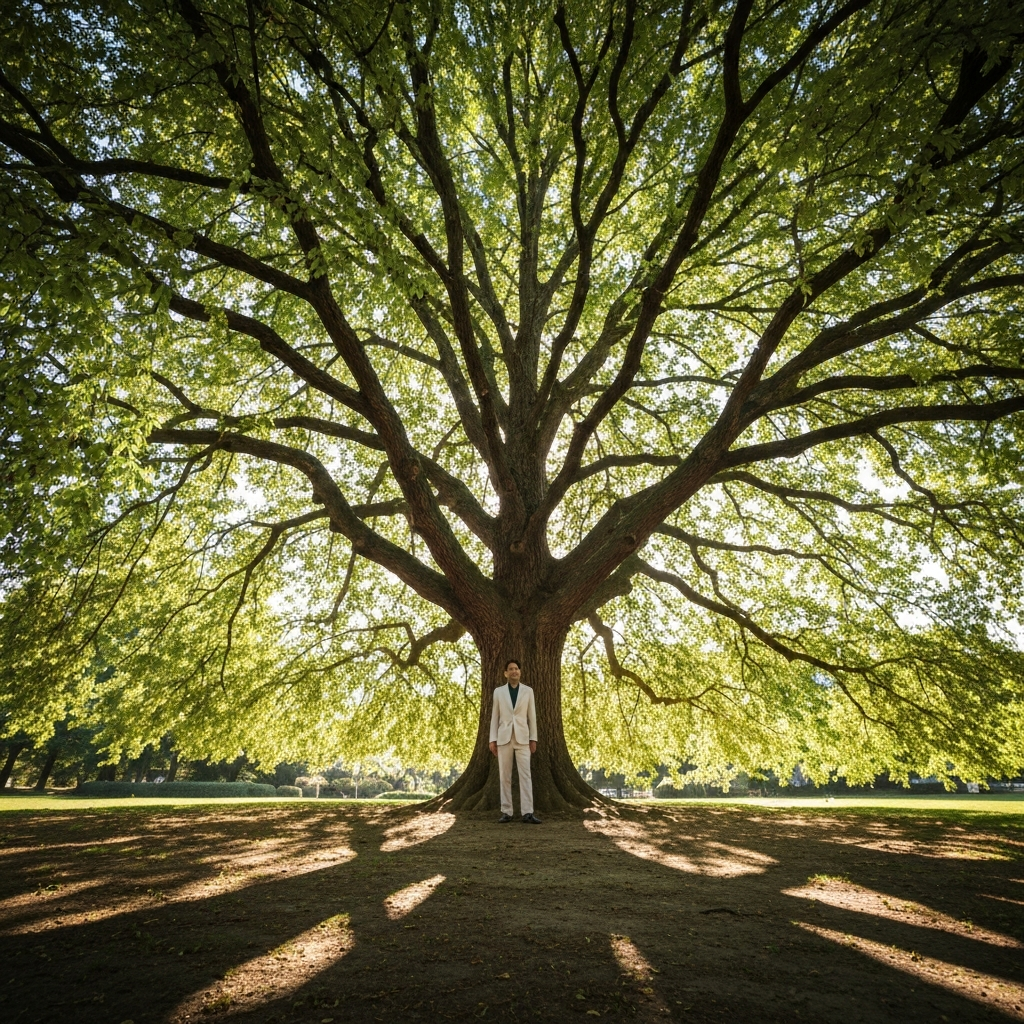
After about 20 years, the elm tree will approach its mature height, although it may continue to grow, albeit at a slower pace. At this stage, the focus shifts from promoting rapid growth to maintaining the tree's health and structural integrity. Regular pruning to remove dead, diseased, or crossing branches is essential for preventing potential hazards. Mature elms benefit from periodic fertilization based on soil testing. Continue to monitor for pests and diseases. Consider hiring a certified arborist to conduct regular inspections and provide professional care. Properly maintained mature elms can live for many decades, providing shade and beauty to the landscape.
Common Mistakes to Avoid
- Improper Planting: Planting too deep or in poorly drained soil can stunt growth and lead to root rot.
- Insufficient Watering: Elms need consistent watering, especially during dry periods.
- Lack of Fertilization: Nutrient deficiencies can limit growth. Soil testing is crucial.
- Ignoring Pests and Diseases: Early detection and treatment are essential for preventing serious damage.
- Improper Pruning: Pruning too heavily or at the wrong time of year can weaken the tree.
FAQ Section
- How tall will my elm tree eventually get?
- This depends entirely on the species. Research the mature height of your specific elm variety. Some elms reach 60-80 feet, while others can exceed 100 feet.
- How often should I fertilize my elm tree?
- Follow soil test recommendations. Generally, young trees benefit from fertilization in the spring, while mature trees may only need fertilization every few years.
- How can I protect my elm tree from Dutch Elm Disease?
- Choose disease-resistant cultivars. Maintain overall tree health through proper watering, fertilization, and pruning. Consider preventative fungicide treatments in high-risk areas.
Conclusion
The timeline for an elm tree to reach its full height is a journey that spans several decades. Selecting the right species, providing optimal growing conditions, and consistently maintaining the tree's health are all crucial factors. While it may take 20 years or more for an elm to reach its impressive potential, the shade, beauty, and ecological benefits it provides make it a worthwhile investment for generations to come. Remember to consult with local experts for the best species selection and care practices suited to your specific region and climate.