Disposing of a refrigerator isn't as simple as tossing it in the dumpster. Refrigerators contain components and materials, like refrigerants, that can be harmful to the environment if not handled correctly. Improper disposal can lead to hefty fines and contribute to environmental damage. This guide provides a comprehensive, step-by-step approach to ensure your refrigerator is disposed of safely, legally, and responsibly.
We'll cover everything from emptying and preparing the appliance to understanding local regulations and finding certified recycling centers. Proper disposal benefits everyone – safeguarding the environment, preventing illegal dumping, and ensuring valuable materials are recovered and reused. Let's dive into the details and ensure your refrigerator's end-of-life is handled with care.
By following these guidelines, you’ll not only be doing your part to protect the planet but also avoiding potential legal troubles and maximizing the recovery of valuable resources.
Step 1: Empty and Prepare the Refrigerator
Remove All Contents and Clean Thoroughly
Before you do anything else, completely empty your refrigerator. This includes removing all food items, shelves, drawers, and any other removable components. Leftover food can attract pests and create unpleasant odors during storage and transport. Once emptied, thoroughly clean the interior with a mild detergent and warm water. Pay attention to spills and stains. Allow the refrigerator to air dry completely. This minimizes the risk of mold growth and makes the appliance more appealing to recyclers or donation centers.

Step 2: Research Local Disposal Regulations
Understand Local Laws and Recycling Programs
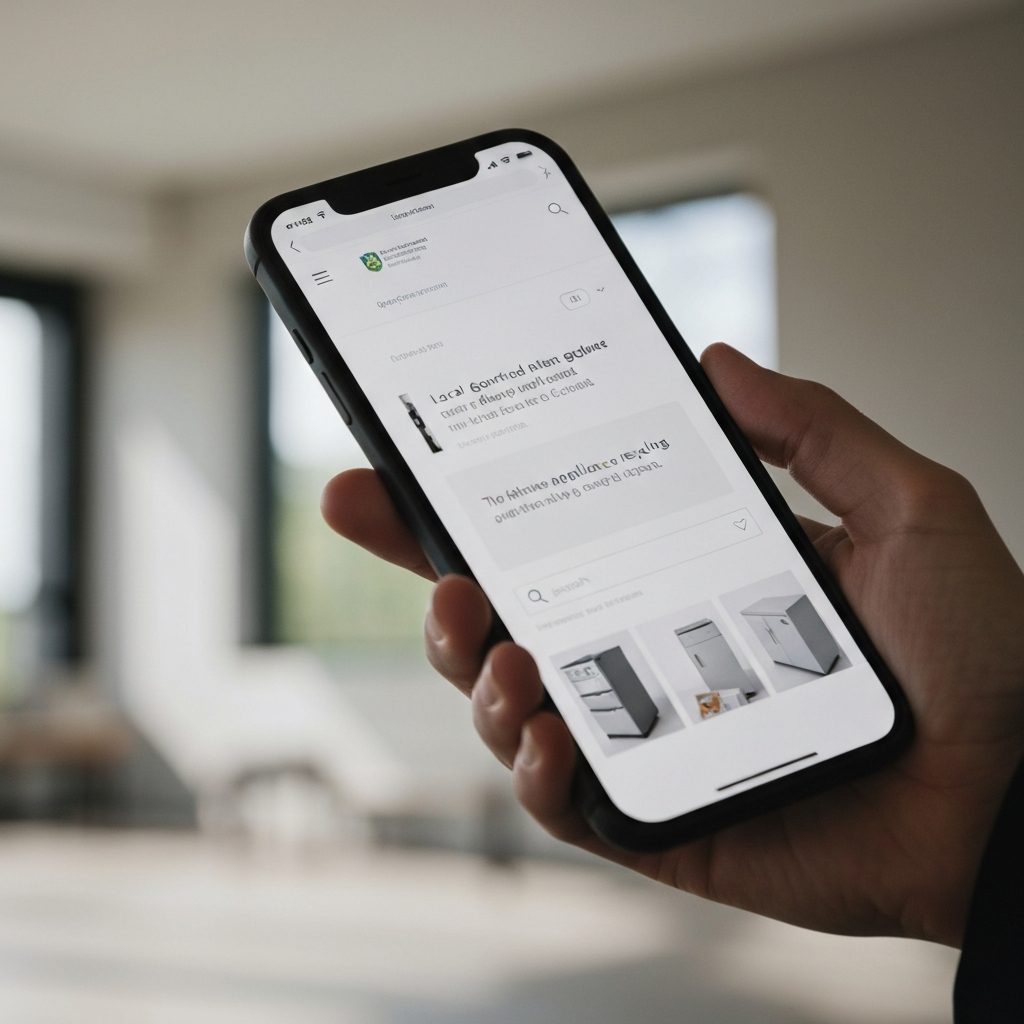
Every municipality has different regulations regarding appliance disposal. Some areas offer curbside pickup for appliances, while others require you to transport the refrigerator to a designated recycling center. Check your local government's website or contact your waste management department to understand the specific rules in your area. Ignoring these regulations can result in fines. Look for specific information on refrigerant removal requirements, as this is a critical aspect of responsible disposal.
Step 3: Safely Remove or Secure the Refrigerator Door
Prevent Accidental Entrapment
Refrigerators can pose a serious safety hazard to children if they become trapped inside. To prevent this, either remove the refrigerator door entirely or securely latch it in a way that it cannot be easily closed and locked from the inside. Consider removing the hinges or using heavy-duty tape to keep the door ajar. Even if you believe there are no children in the immediate vicinity, taking this precaution is a responsible practice. Ensure that if hinges are removed, no sharp edges remain.

Step 4: Find a Certified Appliance Recycling Center or Disposal Service
Locate Reputable Recycling Facilities
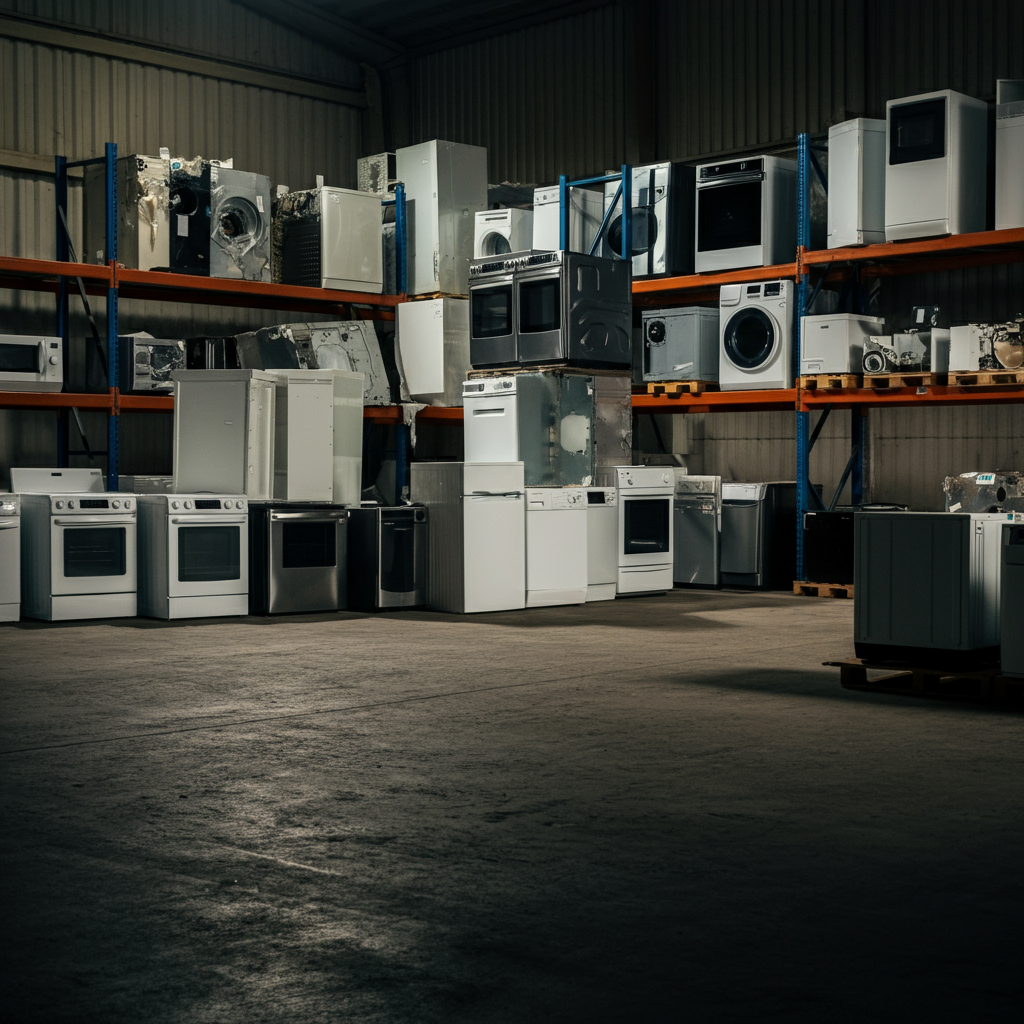
The best option for refrigerator disposal is to use a certified appliance recycling center. These centers are equipped to safely remove and dispose of refrigerants and other hazardous materials. Search online for "appliance recycling near me" or contact your local utility company for recommendations. Ensure the facility is certified by a reputable organization to guarantee they adhere to environmental standards. Ask about their processes for handling refrigerants and other hazardous components.
Step 5: Arrange for Transportation
Plan for Safe and Efficient Transport
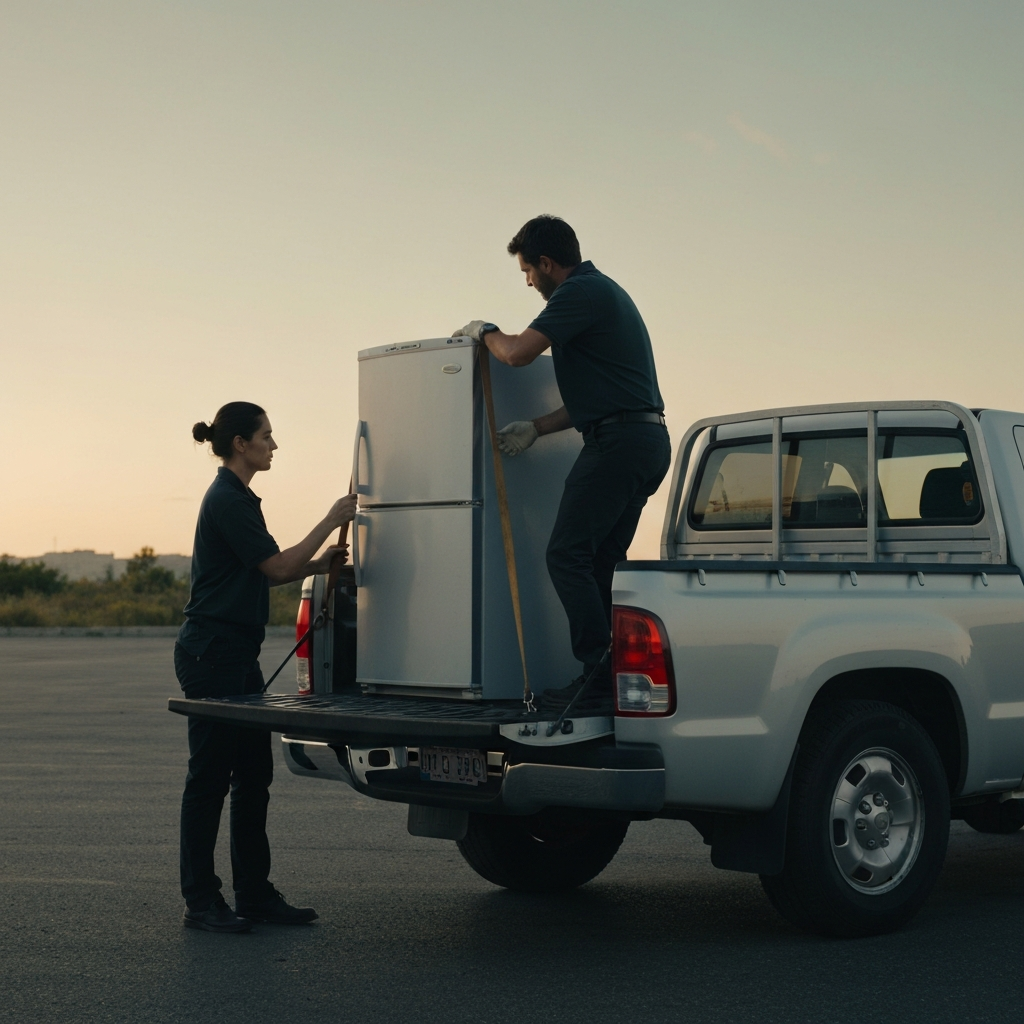
Once you've found a recycling center, you'll need to transport the refrigerator. If you have a suitable vehicle, you can do this yourself. Be sure to secure the refrigerator properly to prevent it from shifting during transport. Use straps and padding to protect the appliance and your vehicle. If you don't have a vehicle or the ability to move the refrigerator yourself, consider hiring a professional appliance removal service. They have the necessary equipment and expertise to safely transport the appliance.
Safety Considerations
- Refrigerant Handling: Never attempt to remove refrigerants yourself. This is a job for certified professionals only.
- Lifting: Refrigerators are heavy and awkward to move. Always use proper lifting techniques and ask for assistance.
- Electrical Safety: Ensure the refrigerator is unplugged before any cleaning or disassembly.
- Personal Protective Equipment: Wear gloves and eye protection during cleaning and handling.
Pro Tips
- Contact your local utility company. Many offer rebates or incentives for recycling old appliances.
- Consider donating your refrigerator if it is still in working condition.
- Deodorize the interior with baking soda or activated charcoal before disposal to minimize odors.
FAQ Section
Q: Can I just leave my old refrigerator on the curb?
A: No. This is often illegal and can result in fines. It's also environmentally irresponsible.
Q: How much does it cost to recycle a refrigerator?
A: Costs vary depending on your location and the recycling facility. Some may offer free recycling, while others charge a fee.
Q: What happens to the refrigerator after it's recycled?
A: The refrigerant is safely removed and recycled or destroyed. Metals, plastics, and glass are separated and recycled into new products.
Conclusion
Properly disposing of a refrigerator requires planning and effort, but it's a crucial step in protecting the environment and ensuring responsible waste management. By following these steps, you can ensure your old refrigerator is recycled safely and efficiently. Remember to research local regulations, prioritize safety, and choose a certified recycling center. Your efforts will contribute to a cleaner, healthier planet.