Knowing when to replace your refrigerator can save you money and prevent food spoilage. A refrigerator is a major appliance, and replacing it is a significant investment. However, clinging to an inefficient or failing fridge can cost you more in the long run through higher energy bills and wasted groceries. This guide provides expert insights into recognizing the signs that indicate it's time for a new refrigerator.
We'll cover common indicators, performance checks, and factors like age and repair costs to help you make an informed decision. Replacing your fridge at the right time is a balance between maximizing its lifespan and avoiding costly inefficiencies. By understanding these key signs, you can ensure your food stays fresh and your energy bills stay manageable.
Let's dive into the specific signs that suggest it's time to consider a refrigerator replacement.
Step 1: Assess the Age of Your Refrigerator
The average lifespan of a refrigerator is typically between 10 and 15 years. If your refrigerator is older than 10 years, it's worth paying closer attention to its performance. Older models tend to be less energy-efficient than newer ones, leading to higher electricity bills. Even if it seems to be functioning adequately, an older fridge might be costing you more to operate than a new, energy-efficient model. Consider that continually running older appliances will invariably degrade until failure. This can happen quickly and without warning.
Step 2: Monitor Internal Temperature Fluctuations
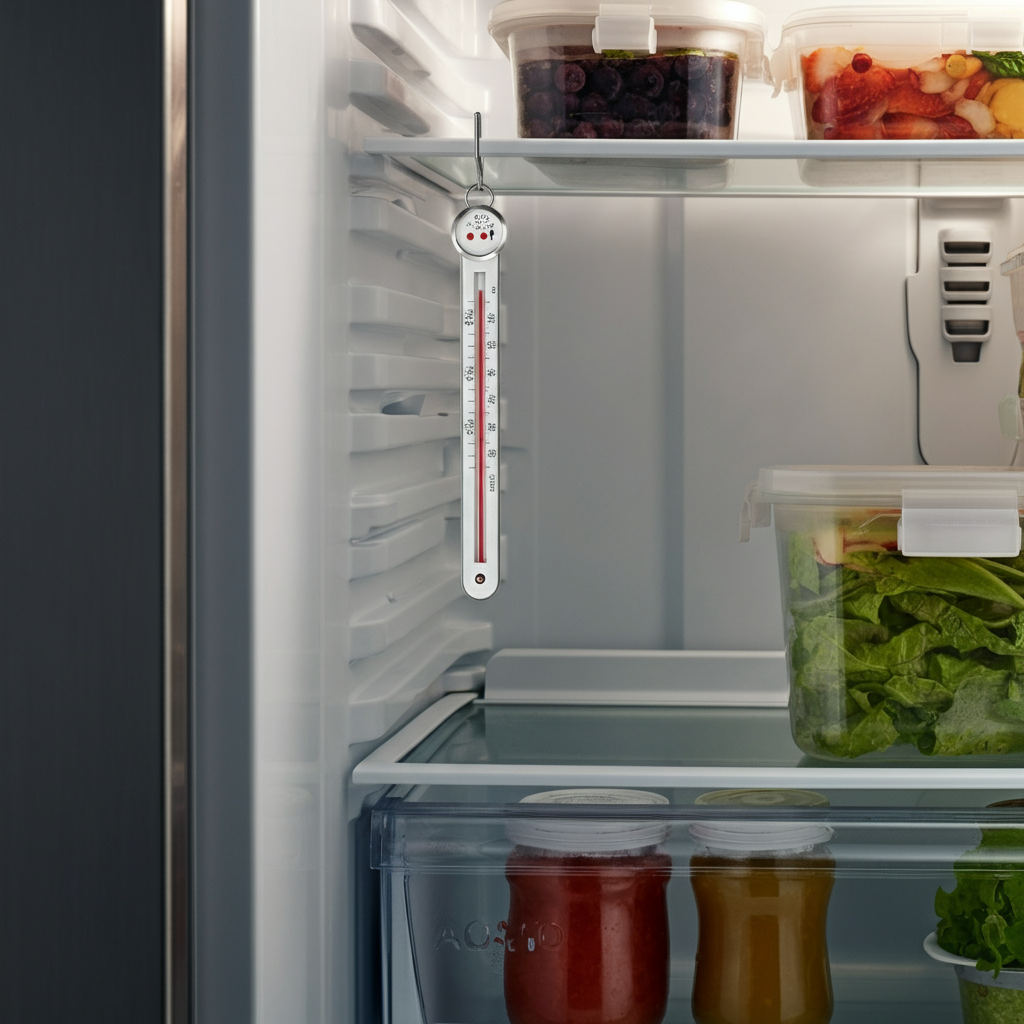
One of the most critical functions of a refrigerator is maintaining a consistent temperature. Ideally, your refrigerator should maintain a temperature between 37°F (3°C) and 40°F (4°C). Use a refrigerator thermometer to monitor the internal temperature regularly. If you notice significant fluctuations or temperatures consistently outside this range, it could indicate a failing compressor, faulty thermostat, or other mechanical issues. This temperature fluctuation will result in food spoilage and potentially unsafe conditions for consumption. Check both the freezer and refrigerator sections.
Step 3: Listen for Unusual Noises
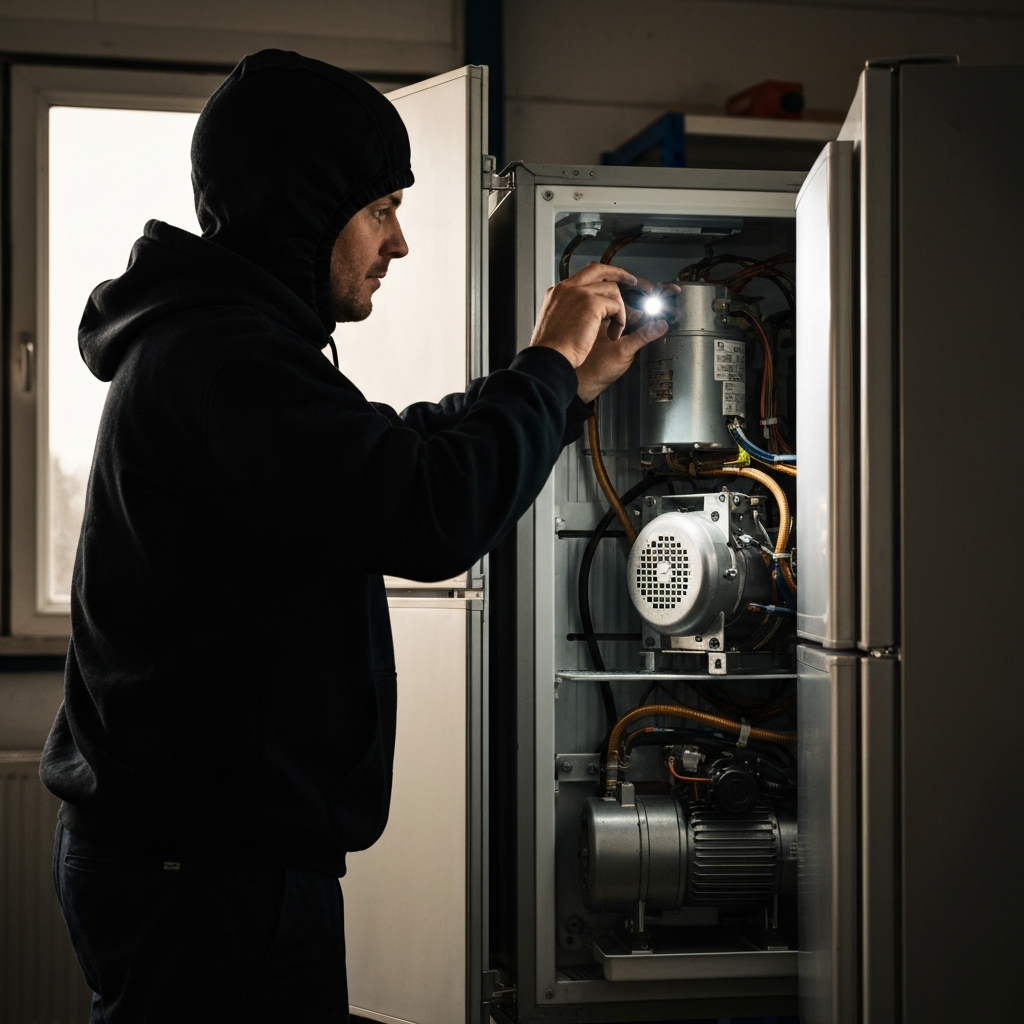
Refrigerators naturally produce some noise during operation, but unusual or excessively loud noises can be a sign of trouble. Listen for grinding, rattling, or buzzing sounds. These noises could indicate a problem with the compressor, condenser fan, or evaporator fan. While some minor repairs might address the issue, persistent or worsening noises often point to more significant, underlying problems. Ignoring these early sounds could lead to costly and extensive repairs, including total failure. Note when the noises happen, if they are constant or intermittent, and attempt to locate the source of the sound.
Step 4: Check for Condensation and Leaks
Excessive condensation inside or outside the refrigerator, as well as water leaks, can be a warning sign. Condensation can indicate a problem with the door seals, which allows warm, humid air to enter the fridge. Leaks can be caused by a clogged defrost drain or internal component failure. These issues not only waste energy but can also lead to mold growth and water damage to your flooring. Immediately address any signs of moisture buildup by drying and cleaning the affected area. Assess the door seals. If the seals are cracked or damaged, they will need to be replaced.

Step 5: Evaluate Repair Costs vs. Replacement Costs
When your refrigerator experiences a major malfunction, get a professional repair estimate. Compare the cost of the repair with the cost of a new, energy-efficient refrigerator. As a general rule, if the repair cost exceeds 50% of the price of a new refrigerator, replacement is often the more economical choice. Consider also that older refrigerators have a higher chance of experiencing further issues in the near future. Replacement also provides the opportunity to upgrade to a more efficient model with improved features. Research current models and compare costs and features before making a decision.

Tools or Materials Required
- Refrigerator thermometer
- Screwdriver (for basic inspection)
- Cleaning supplies (for addressing condensation)
Common Mistakes to Avoid
- Ignoring early warning signs of failure.
- Delaying temperature checks.
- Failing to compare repair costs with replacement costs.
- Not considering energy efficiency when deciding between repair and replacement.
Step 6: Increased Energy Bills
An unexpected spike in your electricity bill, especially if it coincides with no other significant changes in your energy usage, could be caused by your refrigerator working harder to maintain its temperature. An inefficient refrigerator consumes more energy, leading to higher monthly costs. Check your energy bill and compare it to previous months. If you notice a significant increase, consider having your refrigerator inspected or explore newer, more efficient models. Note that newer refrigerators also can be connected to smart home energy management systems.
FAQ Section
Q: How often should I clean my refrigerator coils?
A: You should clean your refrigerator coils at least twice a year to ensure efficient operation. Dust and debris buildup on the coils can restrict airflow and cause the refrigerator to work harder. Unplug the refrigerator before cleaning the coils.
Q: What is the ideal temperature for my freezer?
A: The ideal temperature for your freezer is 0°F (-18°C). This temperature ensures that food remains frozen and prevents spoilage.
Q: Can I recycle my old refrigerator?
A: Yes, you can and should recycle your old refrigerator. Many appliance retailers and local recycling centers offer recycling programs for refrigerators. Recycling helps to properly dispose of refrigerants and other hazardous materials.
Q: How can I prolong the life of my refrigerator?
A: To prolong the life of your refrigerator, clean the coils regularly, replace worn door seals, avoid overloading the refrigerator, and ensure proper ventilation around the unit.
Safety Considerations
- Always unplug the refrigerator before performing any maintenance or cleaning.
- Be careful when handling refrigerant, as it can be harmful.
- Lift properly when moving a refrigerator to avoid injury.
Conclusion: Knowing when to replace your refrigerator requires a comprehensive assessment of its age, performance, and repair costs. By paying attention to these key indicators, you can make an informed decision that saves you money, prevents food spoilage, and ensures your kitchen operates efficiently. Don't hesitate to consult with a qualified appliance technician for expert advice.