Back dimples, often referred to as "dimples of Venus," are those subtle indentations that grace the lower back, just above the buttocks. They've been admired for centuries as a mark of beauty, but a common question arises: does everyone possess these coveted dimples? The answer, as with many aspects of human anatomy, is nuanced.
This guide delves into the fascinating world of back dimples, exploring their origins, visibility, and the factors that influence their appearance. We'll address the key question of whether everyone is born with them, and we'll discuss what can be done to enhance their prominence, if they are already present. Get ready to uncover the secrets behind these intriguing anatomical features.
While back dimples are often associated with aesthetics, they are fundamentally a result of underlying anatomy. This guide will clarify common misconceptions and provide a clear understanding of their true nature. Are you ready to explore the science behind these charming indentations?
Step 1: Understanding the Anatomy of Back Dimples
What are Back Dimples?
Back dimples are indentations visible on the lower back, specifically located where the sacrum (the triangular bone at the base of the spine) meets the iliac crests (the uppermost borders of the pelvis). These indentations are created by short ligaments that connect the skin to the sacrum. The location and depth of these dimples can vary significantly from person to person. They are typically symmetrical, appearing as two distinct depressions on either side of the spine. It's important to note that their prominence is influenced by factors such as body fat percentage and muscle mass.

Step 2: Genetics and Back Dimples
The Role of Genetics
While there isn't extensive scientific research specifically isolating the genes responsible, the prevailing belief is that the presence of back dimples is largely determined by genetics. If your parents or close relatives have prominent back dimples, you are more likely to have them as well. The genetic component likely influences the length and elasticity of the ligaments that create the indentations. However, genetics alone do not guarantee the presence of visible dimples; other factors play a significant role. It is also worth noting that the expression of genes can be influenced by environmental factors, which in this case, could include diet and exercise.

Step 3: Body Fat and Dimple Visibility
How Body Fat Affects Dimple Appearance
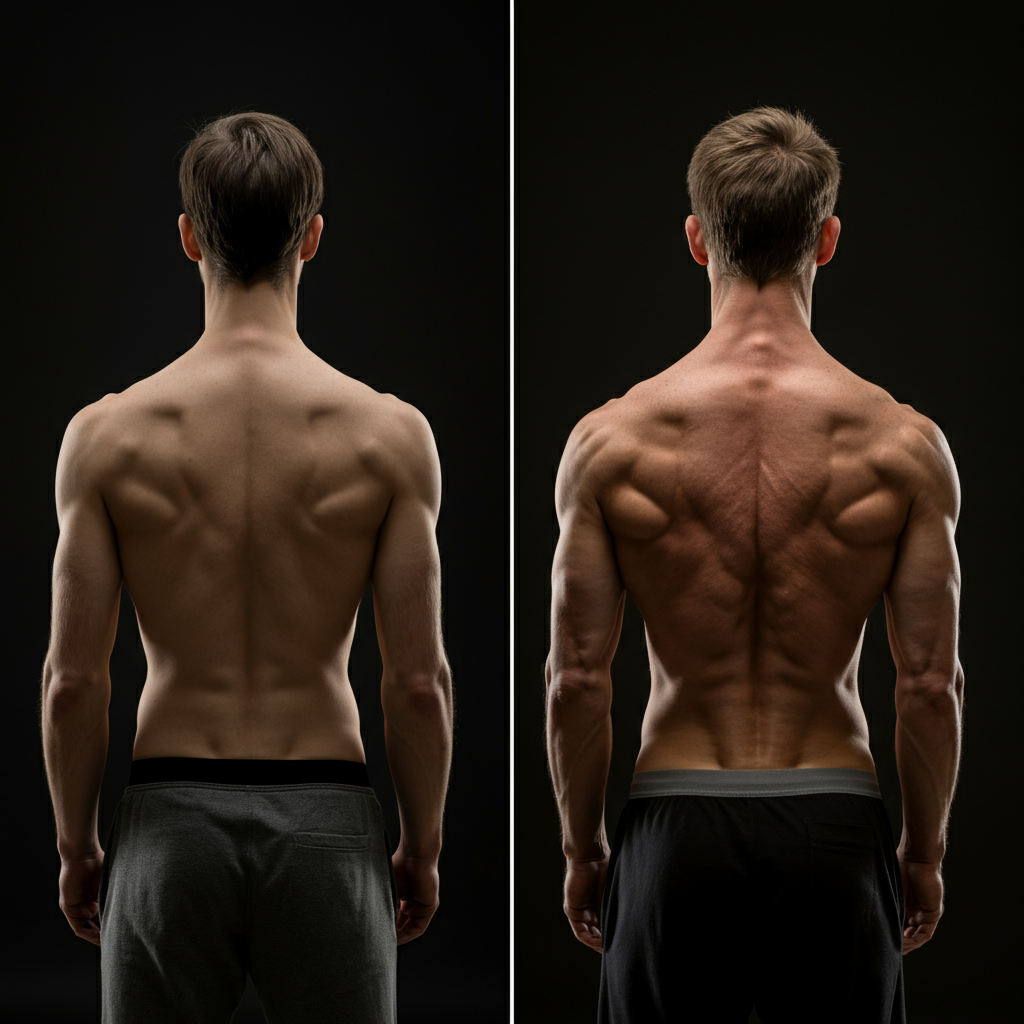
One of the most significant factors influencing the visibility of back dimples is body fat percentage. Individuals with a lower body fat percentage tend to have more prominent back dimples because there is less subcutaneous fat obscuring the underlying anatomical structure. Conversely, individuals with higher body fat percentages may have dimples that are less noticeable or even invisible. This doesn't mean the dimples aren't there; it simply means they are hidden beneath a layer of fat. Therefore, reducing body fat through diet and exercise can enhance the appearance of existing back dimples.
Step 4: Distinguishing Back Dimples from Sacral Dimples
Back Dimples vs. Sacral Dimples
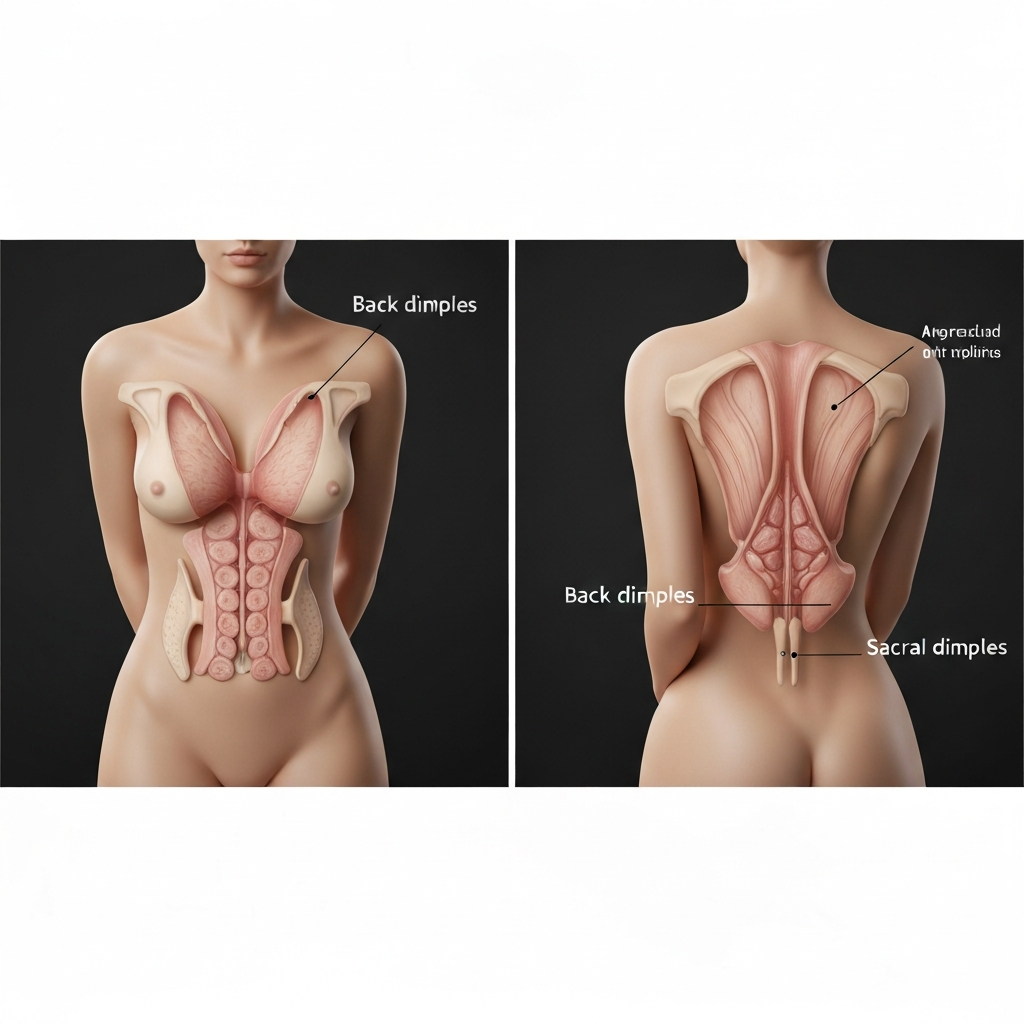
It's crucial to differentiate between back dimples (dimples of Venus) and sacral dimples. While both are indentations on the lower back, they are not the same. Back dimples are paired indentations located on either side of the spine, above the buttocks, while a sacral dimple is a single indentation located directly above the crease between the buttocks. Sacral dimples are typically present at birth and are usually harmless. However, in rare cases, they can indicate underlying spinal issues and should be evaluated by a healthcare professional. Back dimples, on the other hand, are generally considered a cosmetic feature and are not typically associated with any medical concerns.
Step 5: Enhancing the Appearance of Back Dimples
Can You "Get" Back Dimples?
The simple answer is no; you cannot "get" back dimples if you weren't born with the underlying anatomical structure. However, if you do have the anatomical predisposition for back dimples, you can make them more prominent through lifestyle changes. The most effective way to enhance the appearance of back dimples is to reduce overall body fat percentage through a combination of regular exercise and a healthy diet. Strength training exercises that target the back and core muscles can also help to improve muscle tone and definition, further enhancing the visibility of the dimples. Some individuals consider dermal piercings to mimic or accentuate the look, but this is an aesthetic choice that carries its own risks.

Pro Tips:
- Focus on a Holistic Approach: Aim for overall body fat reduction rather than spot reduction, as you cannot target fat loss in specific areas.
- Incorporate Strength Training: Exercises like rows, pull-ups, and back extensions can help build muscle definition in the back.
- Maintain a Healthy Diet: Prioritize whole, unprocessed foods and be mindful of your calorie intake to support fat loss.
- Stay Consistent: Results take time and effort. Consistency is key to achieving your fitness goals.
FAQ Section
Are back dimples a sign of good health?
No, the presence or absence of back dimples is not an indicator of overall health. They are primarily a cosmetic feature influenced by genetics and body fat percentage.
Are back dimples more common in men or women?
Back dimples tend to be more commonly observed in women, although many men also possess them.
Can weight gain cause back dimples to disappear?
Yes, weight gain can obscure the visibility of back dimples due to increased body fat percentage.
Are back dimple piercings safe?
Back dimple piercings, like any piercing, carry a risk of infection, scarring, and rejection. It's essential to choose a reputable and experienced piercer who adheres to strict hygiene standards. Consult with a professional to assess the risks and determine if the piercing is right for you.
Conclusion
While not everyone is born with back dimples, they are a relatively common and harmless anatomical feature that many find aesthetically pleasing. Their visibility is primarily determined by genetics and body fat percentage. If you have the underlying anatomical structure, reducing body fat and building muscle can enhance their appearance. Ultimately, whether or not you have back dimples, remember that beauty comes in many forms, and self-acceptance is key.