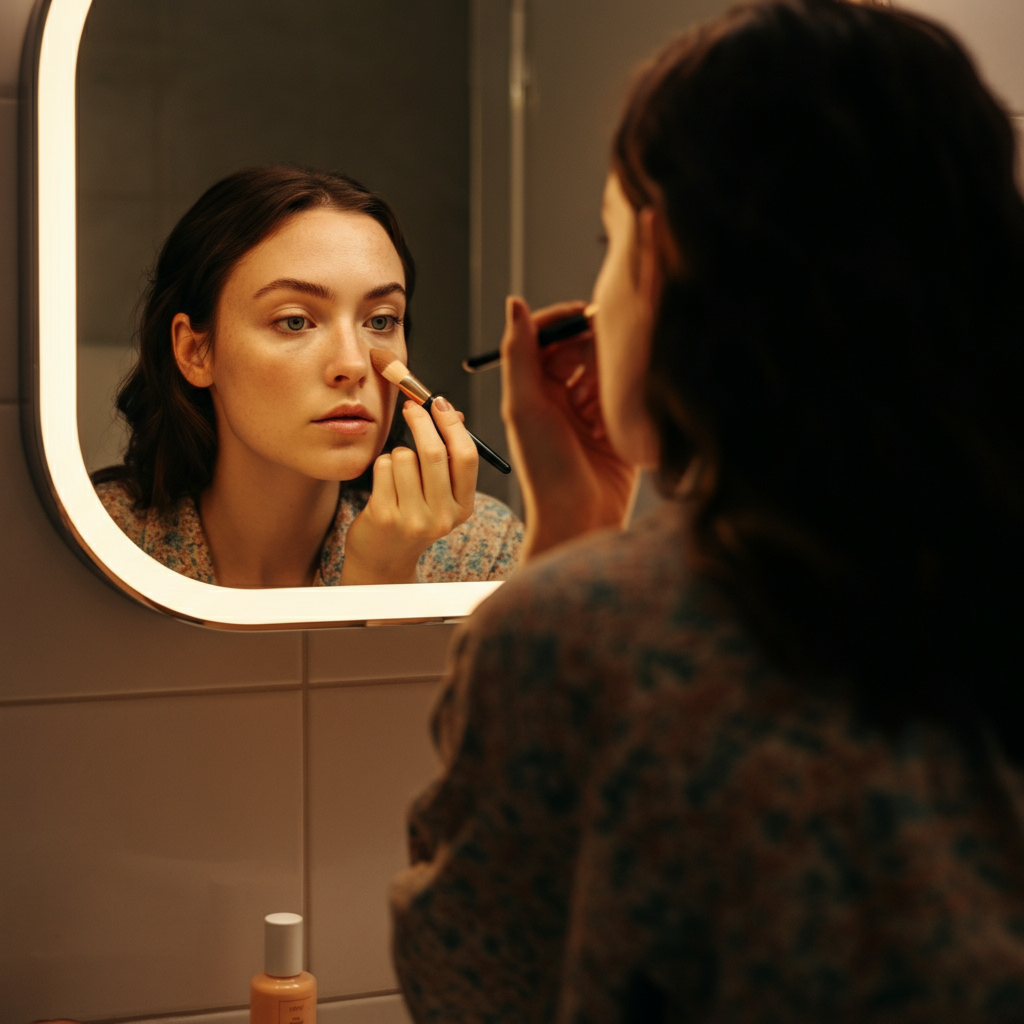
We've all been there: staring in the mirror, only to be greeted by an unwelcome visitor on your nose – a pimple. While pop culture and playful superstitions might suggest this is a sign of secret admiration, the reality is often a bit more nuanced. The connection between a nose pimple and a secret admirer is a fun concept, especially popular among teenagers, but it's crucial to separate myth from reality.
This guide delves into the origins of this "love pimple" superstition, exploring its roots in ancient practices like face mapping and examining the scientific basis (or lack thereof) behind it. We'll also explore the real reasons why that pesky pimple might have decided to set up shop on your nose and how to effectively deal with it. Prepare to have your romantic notions gently challenged with facts and practical advice.
Ultimately, understanding the true causes of acne empowers you to take control of your skin health, regardless of who may or may not have a crush on you. Let's get started!
Step 1: Understanding the "Love Pimple" Superstition
The Myth and its Appeal
The belief that a pimple on your nose signifies someone's affection for you is a charming notion, often fueled by teenage crushes and wishful thinking. In some cultures, particularly in India, it's even believed that the number of pimples correlates with the number of admirers! This superstition offers a lighthearted way to interpret an otherwise frustrating skin condition. It can provide a temporary mood boost and a fun topic for conversation, particularly amongst younger demographics. However, it's important to remember that this is primarily a social construct rather than a scientifically proven phenomenon.
Step 2: The Science Behind Pimples (and Why Love Isn't the Cause)
Face Mapping and Hormonal Influence
The hard truth is that there's no direct scientific evidence to link a nose pimple to romantic feelings. However, understanding the principles of face mapping and the impact of hormones can shed some light on the *potential* connection. Face mapping, an ancient practice with roots in Chinese and Ayurvedic medicine, associates different areas of the face with specific organs and bodily functions. Pimples in the T-zone (forehead and nose) are often linked to hormonal fluctuations or digestive issues. When someone is experiencing feelings of attraction or love, stress hormones can surge, which *could* indirectly contribute to breakouts. However, this is a correlation, not a causation.
Step 3: Exploring the Origins of the Superstition
Ancient Medicinal Practices and the Heart Connection
The "love pimple" myth likely evolved from these ancient medicinal practices. Face mapping links the nose area to the heart, which, of course, is historically associated with love and emotions. A pimple on the nose might have been interpreted as an indication of heart-related issues, which then became loosely associated with matters of the heart – literally and figuratively. It's a fascinating example of how ancient beliefs can intertwine with modern interpretations, even if the connection is purely symbolic.

Step 4: The Undeniable Role of Acne and Stress
Acne is a Common Condition
Acne, as a skin condition, is extremely common, affecting millions of people. It arises from a combination of factors, including excess oil production, bacteria buildup, and inflammation within the hair follicles. A 2017 study, for example, verified a link between stress and acne breakouts. While love itself doesn't *cause* acne, the stress associated with having a crush might contribute to it. It's vital to remember that acne is a medical condition that requires proper care and management, not a romantic signifier.
Step 5: Understanding Pimples in Other Facial Areas
Face Mapping Beyond the Nose
If the nose pimple isn't a love sign, what about pimples elsewhere? Face mapping suggests that acne on different facial areas can provide insights into potential underlying issues. For example, forehead breakouts are often linked to stress or digestion, while cheek pimples may be associated with diet or environmental factors. Chin and jawline acne are frequently connected to hormonal imbalances. Understanding these potential connections can help you make informed decisions about your skincare and lifestyle.

Pro Tips
- Don't pop it! Popping a pimple can lead to inflammation, scarring, and infection.
- Cleanse gently. Use a mild cleanser twice a day to remove dirt and oil.
- Spot treat. Apply a benzoyl peroxide or salicylic acid spot treatment to the pimple.
- Stay hydrated. Drinking plenty of water helps keep your skin healthy.
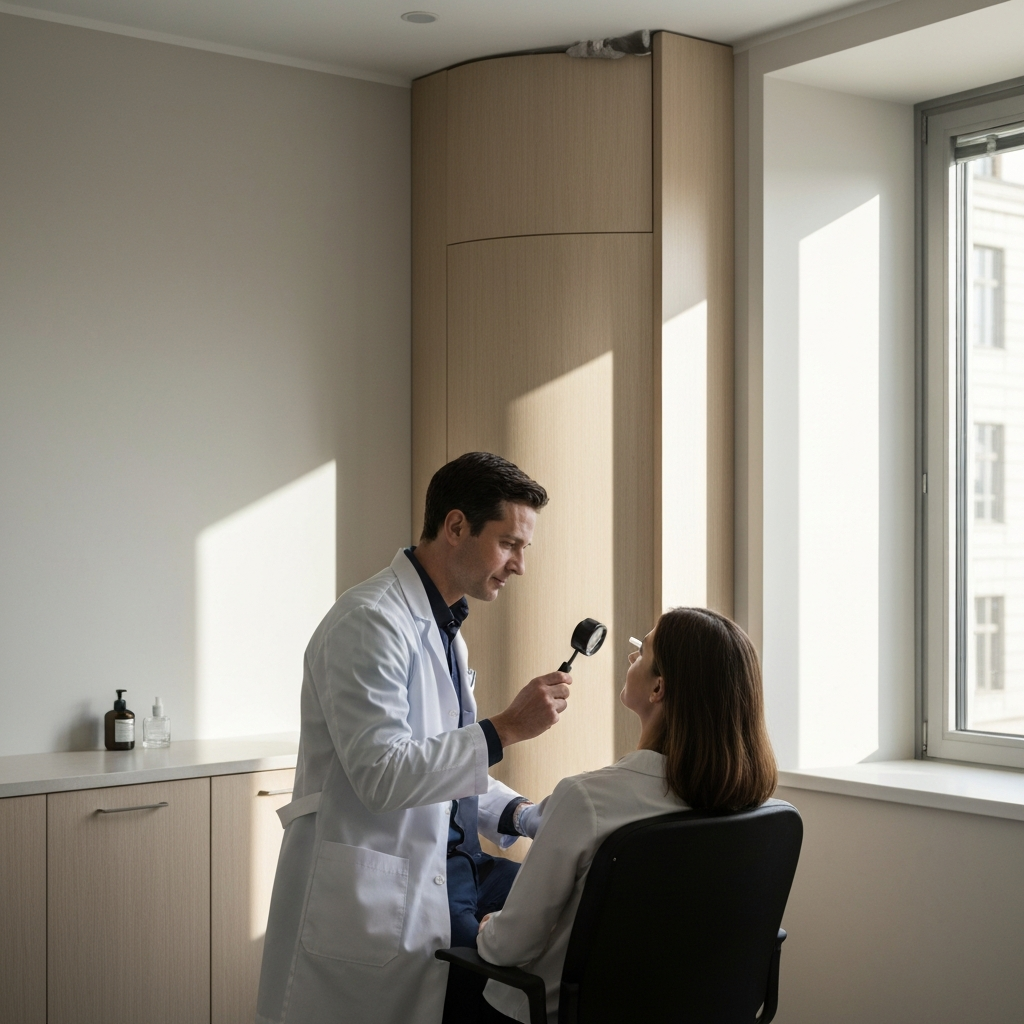
- Consult a dermatologist. For persistent or severe acne, seek professional advice.
FAQ Section
- Is there any scientific basis for "love pimples?"
- No, there is no scientific evidence to support the idea that a pimple on your nose means someone likes you.
- What *really* causes nose pimples?
- Nose pimples are typically caused by the same factors that cause acne elsewhere on the face: excess oil, bacteria, and inflammation.
- Should I squeeze a nose pimple?
- No, it's best to avoid squeezing pimples, as it can worsen inflammation and lead to scarring.
Conclusion
While the idea of a "love pimple" is a fun and engaging superstition, it's important to remember that acne is a common skin condition with underlying medical causes. Understanding the factors that contribute to breakouts and adopting a consistent skincare routine are key to managing your skin health. So, instead of waiting for a pimple to declare a secret admirer, focus on taking care of your skin and feeling confident in yourself!