Vaping has become a popular alternative to traditional smoking, but like any consumable product, vape juice, also known as e-liquid, has a shelf life. Many vapers have encountered that old bottle of juice tucked away in a drawer and wondered, "Does vape juice expire?" The answer is yes. While it might not become immediately dangerous, its quality and flavor degrade over time, impacting your vaping experience.
Understanding the factors that influence vape juice expiration, recognizing the signs of expired juice, and knowing how to properly store your e-liquids are crucial for every vaper. Using expired vape juice isn't recommended, and this guide will provide you with the knowledge needed to ensure you're vaping safely and enjoying the best possible flavor.
This comprehensive guide dives into the details of vape juice expiration, offering insights into how to identify expired juice, the reasons behind the expiration, proper storage techniques, and safe disposal methods. We'll also explore the composition of vape juice to better understand why it degrades and provide expert tips to maximize its lifespan.
Step 1: Understanding Vape Juice Expiration
Does Vape Juice Expire?
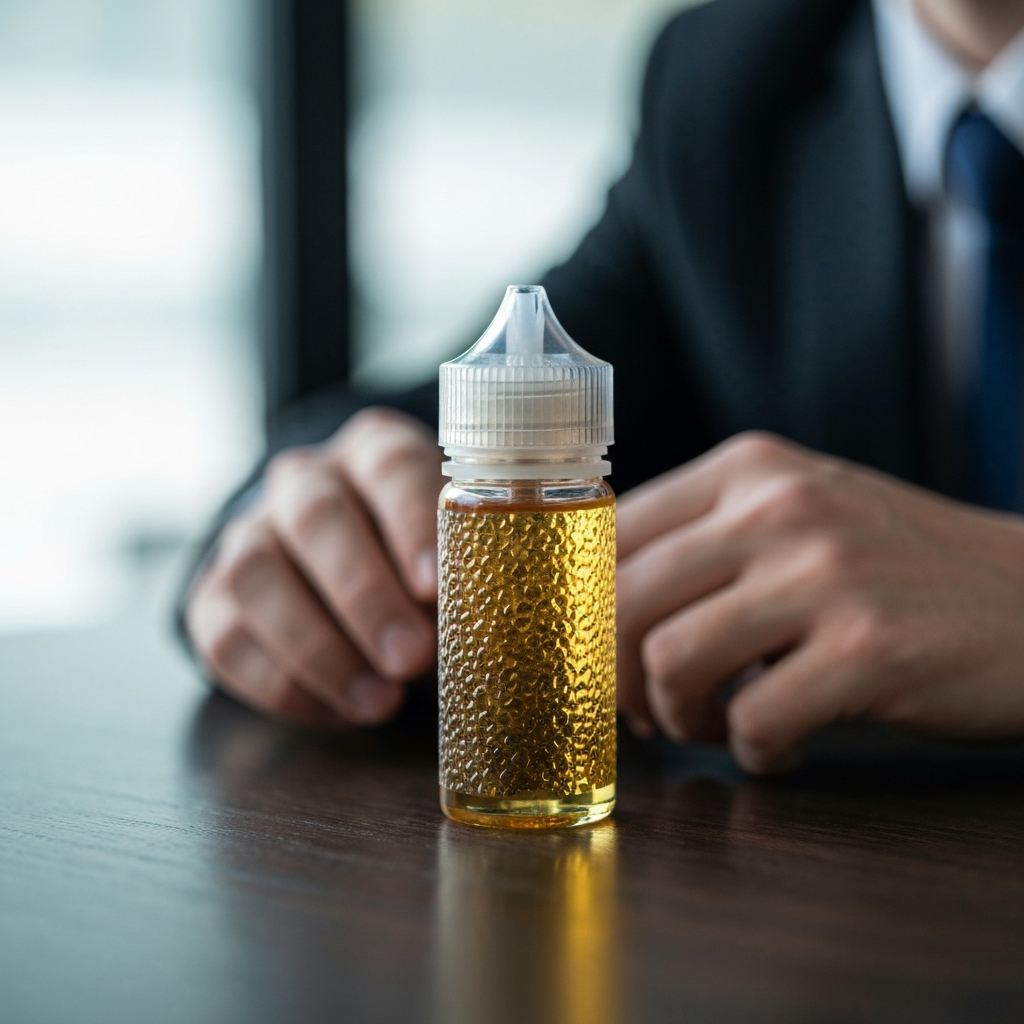
Yes, vape juice does expire. Vape juice is composed of several ingredients, including propylene glycol (PG), vegetable glycerin (VG), nicotine (if applicable), and flavorings. Over time, these ingredients can degrade, affecting the juice's flavor, color, and overall quality. The shelf life typically ranges from one to two years, but this varies depending on storage conditions and whether the juice contains nicotine. Nicotine-containing vape juice tends to have a shorter shelf life, around one year, while nicotine-free juice can last closer to two years when sealed. Once opened, vape juice typically lasts between 3-6 months with nicotine, and 6-12 months without nicotine. Manufacturers often stamp a "best by" or expiration date on the bottle, which serves as a general guideline for optimal flavor and quality.
Step 2: Identifying Signs of Expired Vape Juice
Recognizing the Warning Signs
There are several telltale signs that your vape juice has expired. These signs involve changes in color, consistency, taste, and smell. If you notice any of these changes, it’s best to err on the side of caution and avoid using the juice.
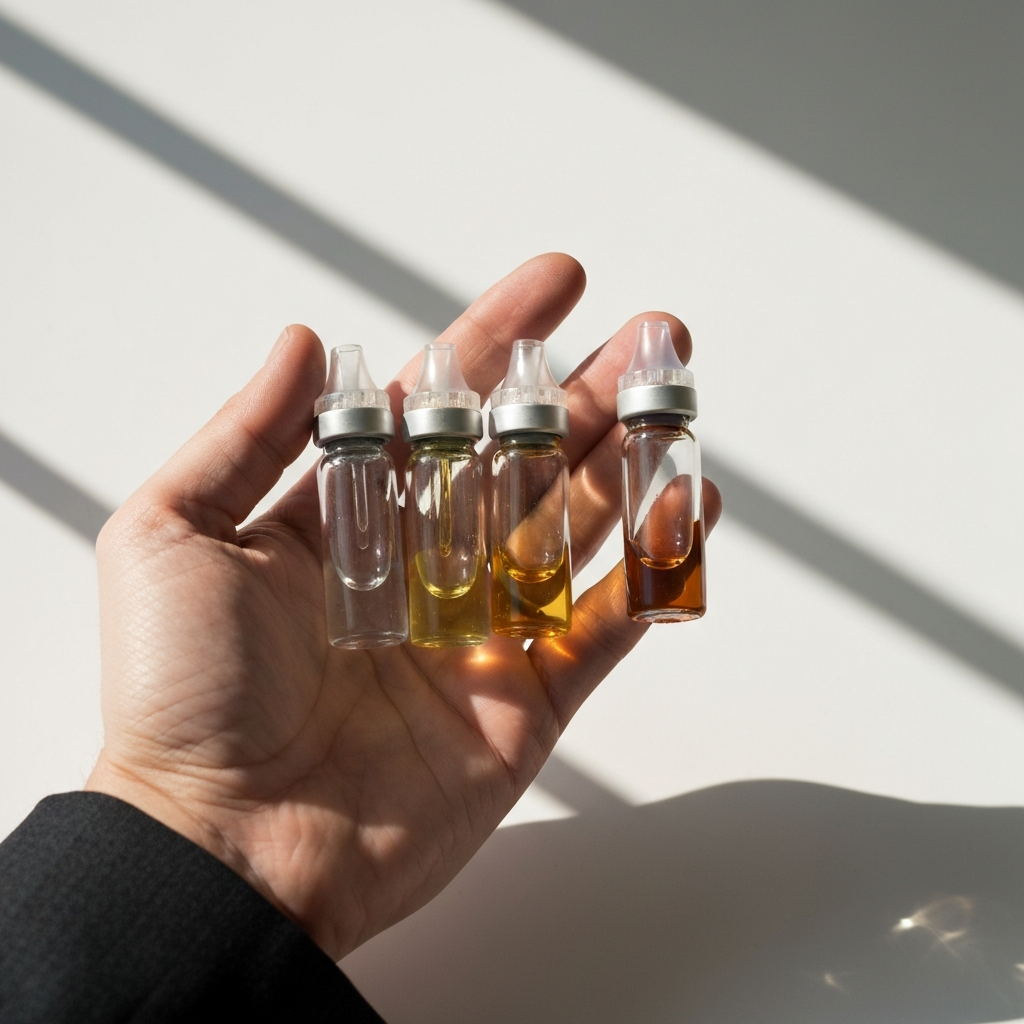
- Changes in Color: Fresh vape juice typically has a light, clear color. Over time, it can darken due to oxidation, turning yellow or brown. Darkening is especially common in juices containing nicotine. While some darkening is normal, a significant color change indicates that the juice is past its prime.
- Separation of Ingredients: Vape juice should have a smooth, consistent texture. If you notice the ingredients separating, with heavier components settling at the bottom, it's a sign that the juice has degraded. This separation affects the juice's vapor production and flavor.
- An "Off" Taste or Smell: The most obvious sign of expired vape juice is a change in taste or smell. The flavor may become muted, strange, or simply "off." Some users report a slightly bitter or chemical taste. Similarly, the aroma of the juice may become unpleasant or unrecognizable.
Step 3: Is It Safe to Use Expired Vape Juice?
Risks and Considerations
While vaping expired juice might not immediately send you to the emergency room, it's generally not recommended. As the ingredients degrade, the flavor, vapor production, and nicotine concentration can change unpredictably. The chemical stability of the juice is compromised, which could lead to an unpleasant or even potentially harmful vaping experience. Furthermore, using old vape juice can potentially damage your vape pen due to altered viscosity and residue buildup, causing issues with the coil and overall performance. It's best to avoid using expired disposable vapes as well, as the e-liquid inside will degrade similarly to that in refillable devices.

Step 4: Understanding Vape Juice Composition
What's Inside Your E-Liquid?
Understanding what vape juice is made of can help you understand why it expires. The primary ingredients are propylene glycol (PG), vegetable glycerin (VG), nicotine (optional), and flavorings. PG is a synthetic chemical that provides the "throat hit" sensation, while VG is a natural, oil-based chemical that produces vapor. Flavorings are added to create a variety of tastes. While the FDA generally considers these ingredients "safe," nicotine is a highly addictive and toxic substance.
- PG/VG Ratio: The ratio of PG to VG affects the vaping experience. Higher PG provides a stronger throat hit but less vapor, while higher VG produces more vapor but a smoother inhale. Consider the PG/VG ratio when buying juice, as it can impact your enjoyment.
- Nicotine Content: Vape juices are available in various nicotine strengths, from 0mg (nicotine-free) to high levels. Even "nicotine-free" vapes may contain trace amounts of nicotine. Be aware of the nicotine content and choose a level that suits your needs and tolerance.

Step 5: Proper Vape Juice Storage Techniques
Maximizing Shelf Life
Proper storage is key to extending the shelf life of your vape juice. The primary factors that contribute to degradation are heat, light, and air exposure. Oxidation, sped up by heat and light, causes the ingredients to break down more quickly. To minimize these effects, follow these storage guidelines:
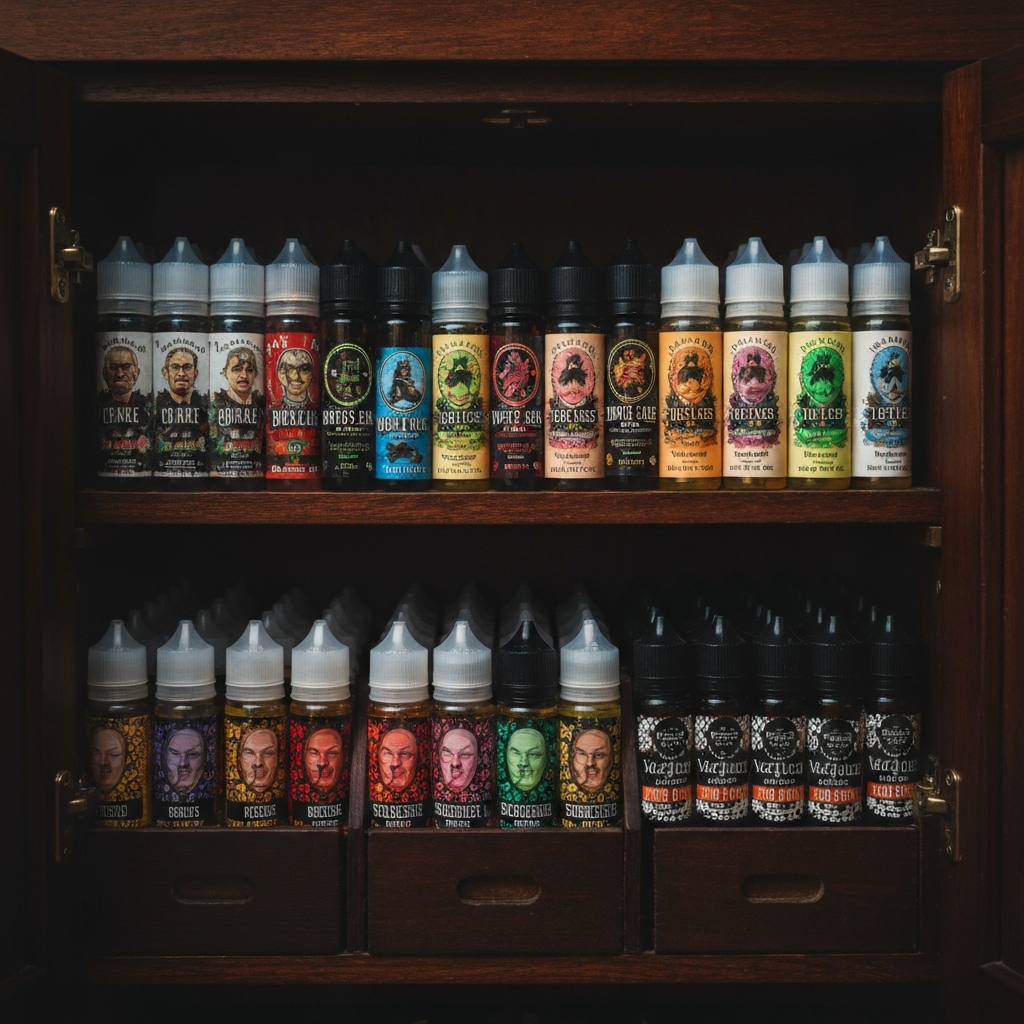
- Minimize Exposure to Heat, Light, and Air: Store your vape juice in a cool, dark place, away from direct sunlight and heat sources. A cabinet or drawer is ideal.
- Keep Bottles Tightly Sealed: Ensure that the bottle cap is tightly sealed to prevent air from entering. This minimizes oxidation and helps preserve the juice's quality.
- Consider Refrigeration (With Caution): Refrigerating vape juice can significantly slow down the degradation process. However, if you have children or pets, ensure the juice is stored in a secure location to prevent accidental ingestion.
Step 6: Safe Disposal of Expired Vape Juice
Environmentally Conscious Disposal
Disposing of expired vape juice requires caution to prevent environmental contamination. Avoid pouring e-liquid down the drain or throwing it directly into the trash, as many vape juices contain nicotine, a harmful chemical. There are growing concerns about potential long-term effects of vape juice in the water and sewer systems, making responsible disposal practices crucial.
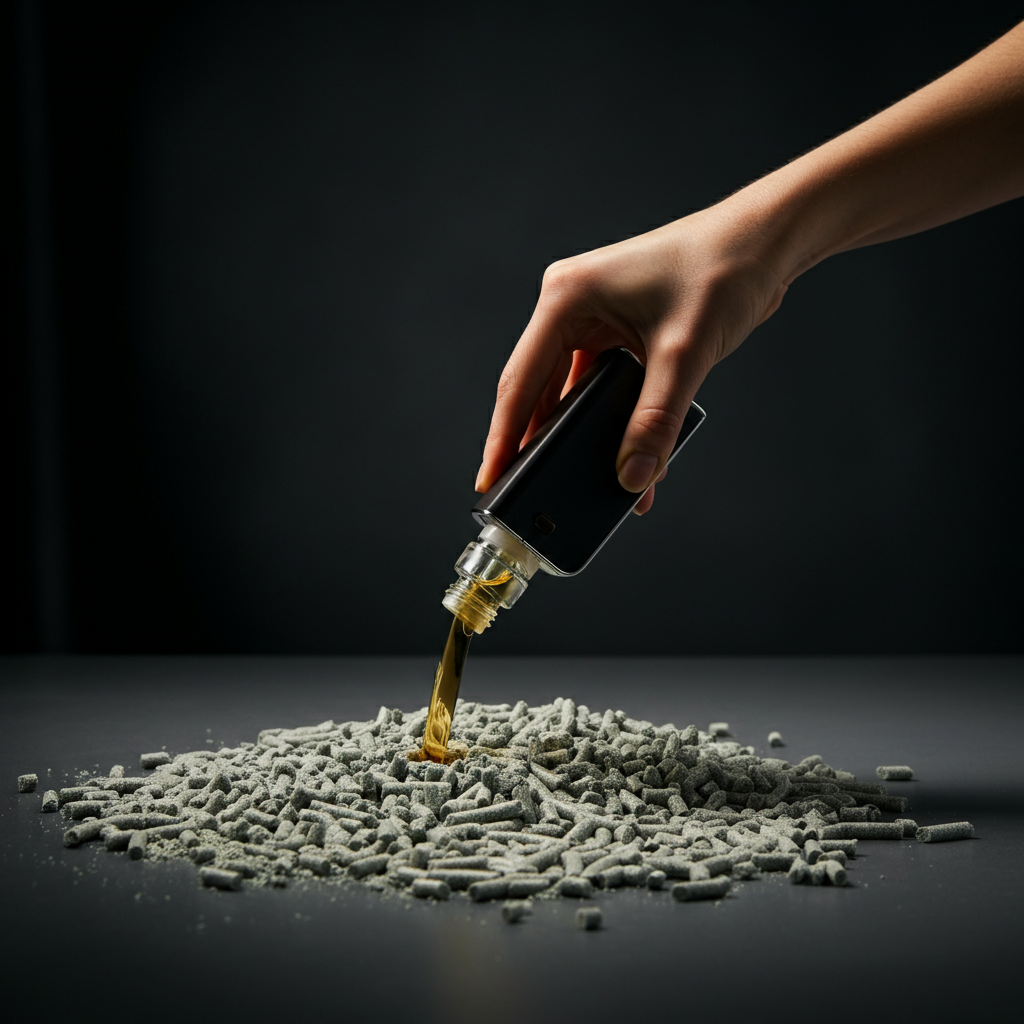
- Use Kitty Litter or Absorbent Materials: Pour the expired vape juice into kitty litter, paper towels, or other absorbent materials. Allow the liquid to be fully absorbed.
- Seal and Dispose of Properly: Place the absorbent material into a sealed plastic bag and dispose of it in the trash. Recycle the empty vape juice bottle if possible.
Safety Considerations
Vaping, in general, carries certain safety considerations. Be mindful of the potential risks associated with nicotine addiction and the unknown long-term health effects of vaping. Always purchase vape juice from reputable sources to ensure product quality and safety. Keep vape juice out of reach of children and pets, and never vape around pregnant women or individuals with respiratory conditions.
Conclusion
Understanding the expiration of vape juice is essential for a safe and enjoyable vaping experience. By recognizing the signs of expired juice, practicing proper storage techniques, and disposing of waste responsibly, you can ensure that you're getting the most out of your e-liquids while minimizing potential risks. Always prioritize quality and safety when it comes to vaping, and remember that when in doubt, it's always better to discard old juice and invest in fresh, high-quality e-liquids.