In our increasingly interconnected world, it's fascinating to discover the diverse range of holidays celebrated across cultures and communities every single day. Beyond the well-known national holidays, a plethora of niche, historical, and commemorative days exist, often recognized and observed online. This guide will provide you with a step-by-step approach to uncover these daily holidays using online resources. Knowing these obscure holidays can be a fun way to broaden your knowledge, spark conversations, or even find a unique reason to celebrate!
This process involves a combination of strategic searching and critical evaluation of online information. While some websites offer comprehensive lists, others may be less reliable or outdated. Therefore, it's essential to cross-reference information from multiple sources to ensure accuracy. By following the steps outlined below, you'll be well-equipped to discover the daily holidays that exist today online.
Let's embark on this journey of discovery and uncover the hidden celebrations happening all around us!
Step 1: Initiate a Web Search
The first step is to utilize a search engine, such as Google, Bing, DuckDuckGo, or Yahoo, to initiate your search. Open your preferred web browser and navigate to your search engine of choice. The choice of search engine can sometimes affect the results you obtain, so don't be afraid to try multiple engines if you aren't finding what you need immediately. Consider using a search engine that prioritizes privacy if that is a concern for you.

Step 2: Use Specific Search Terms
Enter the search term "daily holidays" or "what holidays are today" into the search engine's search bar. Be precise in your wording, as this will help the search engine return more relevant results. Experiment with variations of these phrases, such as "national day today" or "fun holidays today," to broaden your search and uncover different types of holidays. Pay attention to the suggestions offered by the search engine as you type; these can provide valuable clues about popular search terms.

Step 3: Evaluate the Search Results
Examine the search results page carefully. You'll likely see a variety of websites listed, ranging from general information sites to dedicated holiday calendars. Pay close attention to the website's domain name and description to assess its credibility and relevance. Look for established websites, government sites, and reputable news sources to increase the chances of finding accurate information. Be wary of websites with excessive advertising or an unprofessional design, as these may be less reliable.

Step 4: Explore "Daily Holidays on the Net"
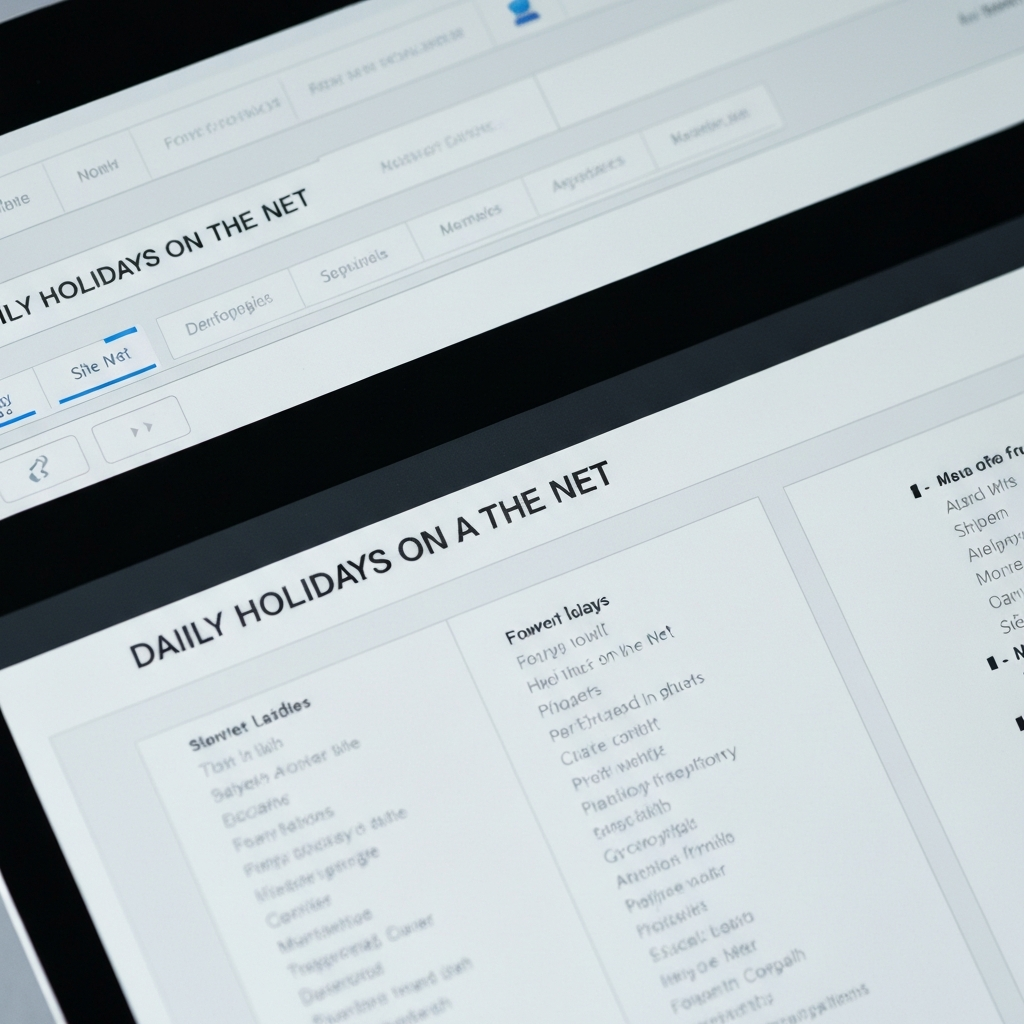
One of the search results you may encounter is "Daily Holidays on the Net." This website is a dedicated resource for identifying holidays, special events, and observances. Once on the site, navigate to the current date to view a list of holidays associated with that specific day. You can generally find specific information on their left navigation panel. It is important to note that the website's interface might be slightly dated, but the information can still be valuable. Be sure to verify the holiday information with another source.
Step 5: Investigate "Checkiday"
Another excellent resource you may encounter is "Checkiday". This website also provides a detailed list of holidays and observances for each day of the year. Checkiday often includes a more extensive range of holidays, including obscure and niche celebrations. Furthermore, Checkiday often provides links to the origin of the holiday, allowing you to investigate further. This added context can be valuable in understanding the significance and history of each holiday.

Step 6: Cross-Reference and Verify Information
After identifying potential holidays from various websites, it's crucial to cross-reference the information. Compare the lists from different sources to identify any discrepancies or inconsistencies. If a holiday is listed on multiple reputable websites, it's more likely to be a legitimate celebration. However, if a holiday appears only on a single, less-known website, it's wise to treat it with skepticism until you can find additional corroborating evidence. Consider searching for news articles or official proclamations related to the holiday to further verify its existence and authenticity.

Step 7: Consider Cultural and Regional Variations
Keep in mind that some holidays are specific to certain cultures, regions, or communities. A holiday widely celebrated in one part of the world may be completely unknown in another. When researching daily holidays, consider the geographical context and be mindful of potential cultural biases. If a holiday seems obscure or unusual, try to determine its origin and the specific community that celebrates it. This can provide valuable insights into the holiday's meaning and significance.

Tools or Materials Required
- A computer, tablet, or smartphone with internet access.
- A web browser (e.g., Chrome, Firefox, Safari).
- A search engine (e.g., Google, Bing, DuckDuckGo).
- A notebook or digital document for recording findings (optional).
Common Mistakes to Avoid
- Relying on a single source of information.
- Failing to verify information from multiple sources.
- Ignoring potential cultural and regional variations.
- Assuming that all websites are equally reliable.
- Not considering the date format when searching (e.g., MM/DD/YYYY vs. DD/MM/YYYY).
FAQ Section
- Q: Are all online holiday lists accurate?
- A: No, accuracy can vary significantly. Always cross-reference and verify information from multiple reputable sources.
- Q: Why do some holidays only appear on certain websites?
- A: Some holidays are niche or regional and may not be widely recognized. Others may be newly created or promotional in nature.
- Q: How can I tell if a website is reliable?
- A: Look for established websites with clear contact information, professional design, and a reputation for accuracy. Be wary of sites with excessive advertising or questionable content.
Conclusion
Discovering the holidays that exist today online can be a rewarding experience. By employing strategic search techniques, critically evaluating online resources, and verifying information from multiple sources, you can uncover a wide range of celebrations and observances. Remember to consider cultural and regional variations and be mindful of potential biases. With a little effort and diligence, you can unlock a wealth of knowledge about the diverse holidays celebrated around the world.