Indigenous Peoples' Day, observed on the second Monday of October, offers a powerful opportunity to acknowledge the historical injustices faced by Native communities and, more importantly, to celebrate their vibrant cultures, achievements, and enduring resilience. This guide provides actionable steps to meaningfully participate in Indigenous Peoples' Day, moving beyond performative gestures to foster genuine understanding and support.
Shifting the focus from Columbus Day to Indigenous Peoples' Day represents a crucial step in recognizing the devastating impact of European colonization. However, true celebration goes beyond simply changing a calendar date. It requires active engagement with Native histories, cultures, and contemporary issues. This guide aims to equip you with the knowledge and tools to engage respectfully and effectively.
Celebrating Indigenous Peoples' Day is not a one-day event but a continuous commitment to allyship and advocacy. It’s about listening to Native voices, supporting Native-led initiatives, and challenging systemic inequalities. Let’s delve into concrete actions you can take to honor Indigenous communities, past, present, and future.
Step 1: Attend a Virtual or In-Person Indigenous Peoples' Day Event
One of the most direct ways to celebrate Indigenous Peoples' Day is to attend an event that showcases Native culture and perspectives. Look for online webinars, panel discussions, and celebrations hosted by universities, museums, cultural centers, and Indigenous organizations. These events provide invaluable opportunities to learn directly from Indigenous people about their heritage, contemporary experiences, and ongoing struggles. Actively listen and take notes during presentations, showing respect for the speakers and their knowledge. Remember to check event details for specific cultural protocols or guidelines.

Step 2: Explore Native Knowledge 360°
The National Museum of the American Indian's Native Knowledge 360° (NK360°) initiative offers a wealth of educational resources for people of all ages. This comprehensive platform provides accurate and culturally sensitive information about Native history, cultures, tribal sovereignty, and contemporary issues. Take a virtual field trip, explore curriculum guides, and delve into the interactive exhibits to deepen your understanding of Native perspectives. Be mindful of the information you absorb and ensure that it aligns with credible sources and promotes respectful representation of Indigenous peoples.

Step 3: Amplify Indigenous Voices on Social Media
Social media can be a powerful tool for promoting Indigenous voices and challenging mainstream narratives that often marginalize or erase Native experiences. Actively seek out and follow Indigenous creators, activists, and organizations. Share their content, engage in respectful discussions, and use hashtags like #IndigenousPeoplesDay to amplify their messages. Be mindful of your own positionality and avoid speaking over or appropriating Native voices. Always credit creators and respect their intellectual property.
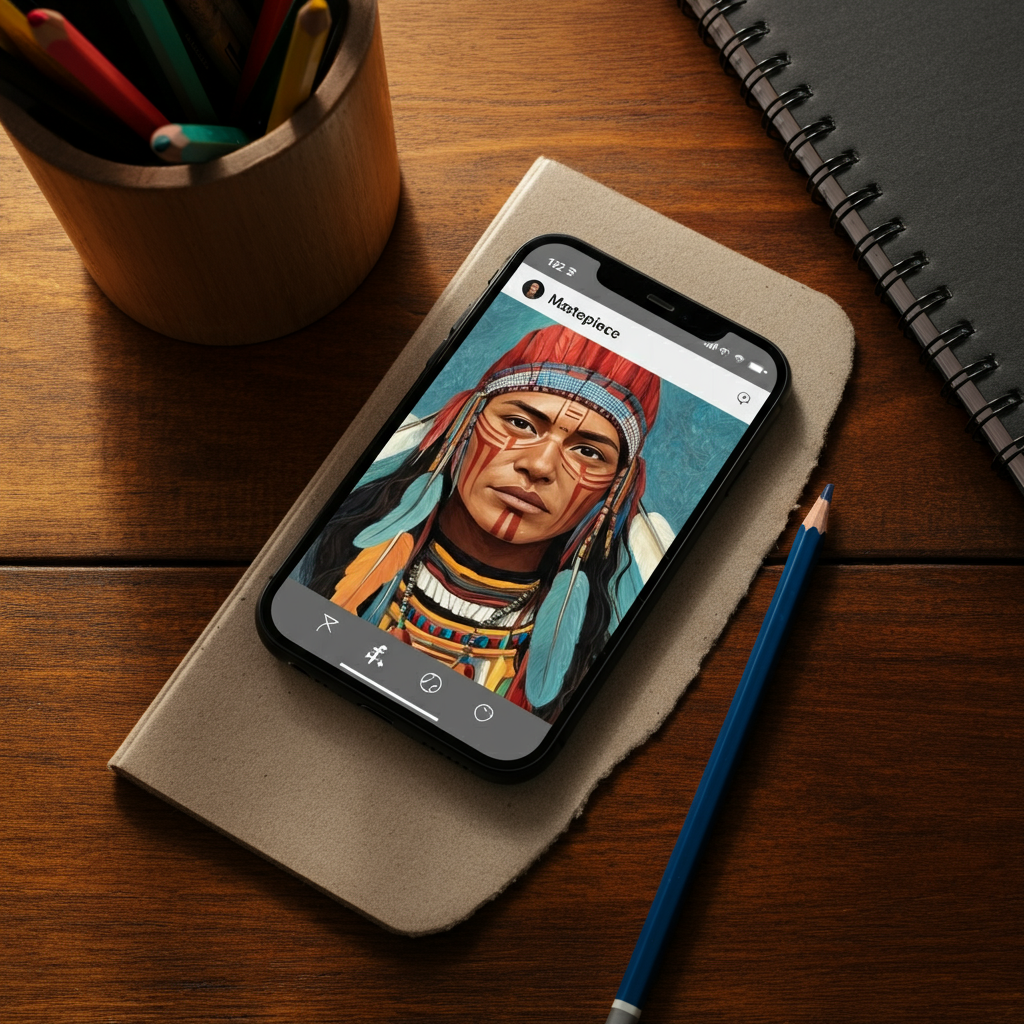
Step 4: Debunk Columbus Day Myths and Understand the Truth
It's crucial to challenge the romanticized and often inaccurate narratives surrounding Christopher Columbus. Educate yourself and others about the devastating consequences of European colonization, including the enslavement, displacement, and genocide of Native peoples. Highlight the resilience and cultural persistence of Indigenous communities both in the past and present. Engage in respectful conversations and provide accurate information based on credible historical sources. Acknowledge the ongoing impact of colonialism on Native communities today.
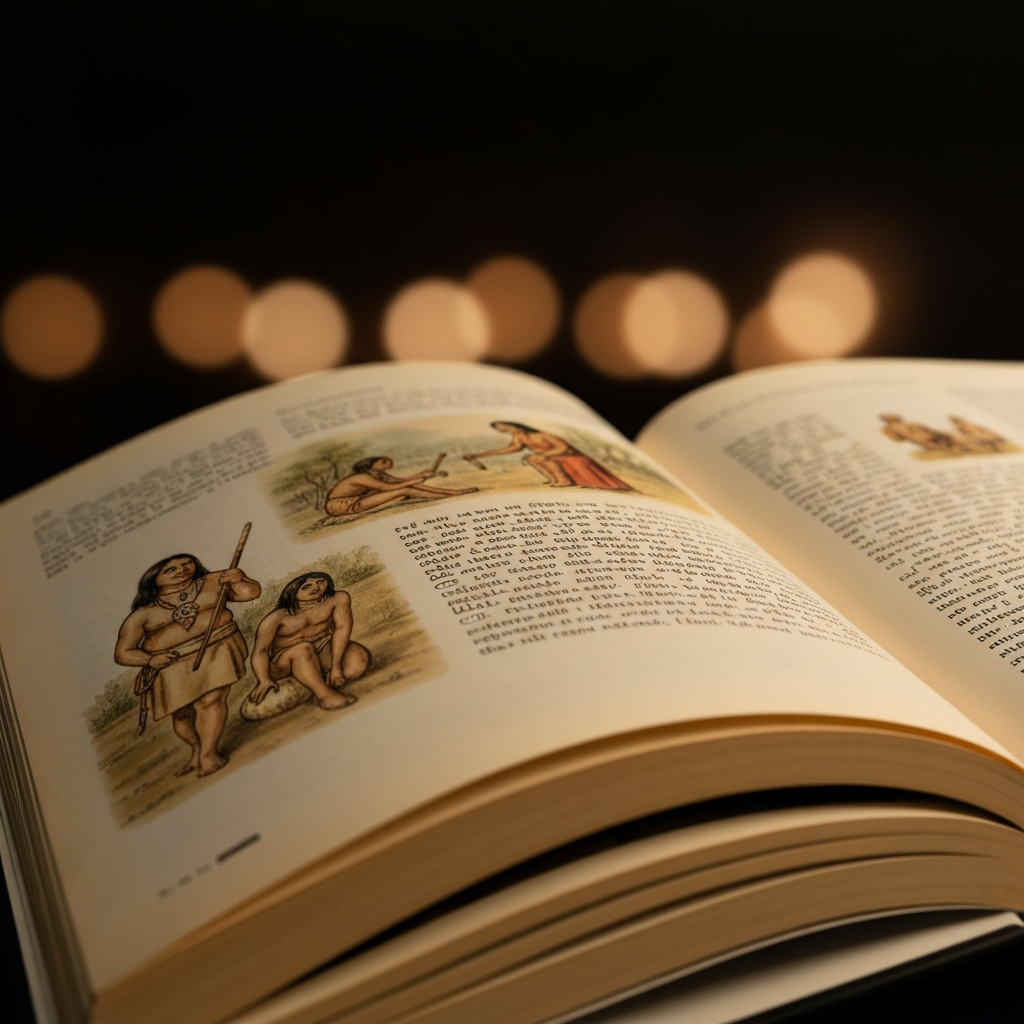
Step 5: Practice Land Acknowledgement
Land acknowledgement is a formal statement that recognizes and respects Indigenous peoples as the original stewards of the land on which we live and work. Before starting any meeting, event, or activity, take a moment to acknowledge the Indigenous nations who traditionally occupied the land. Research the specific tribes whose ancestral homelands you are on and pronounce their names correctly. Land acknowledgement is not a one-time event but an ongoing practice that demonstrates respect and commitment to Indigenous sovereignty.
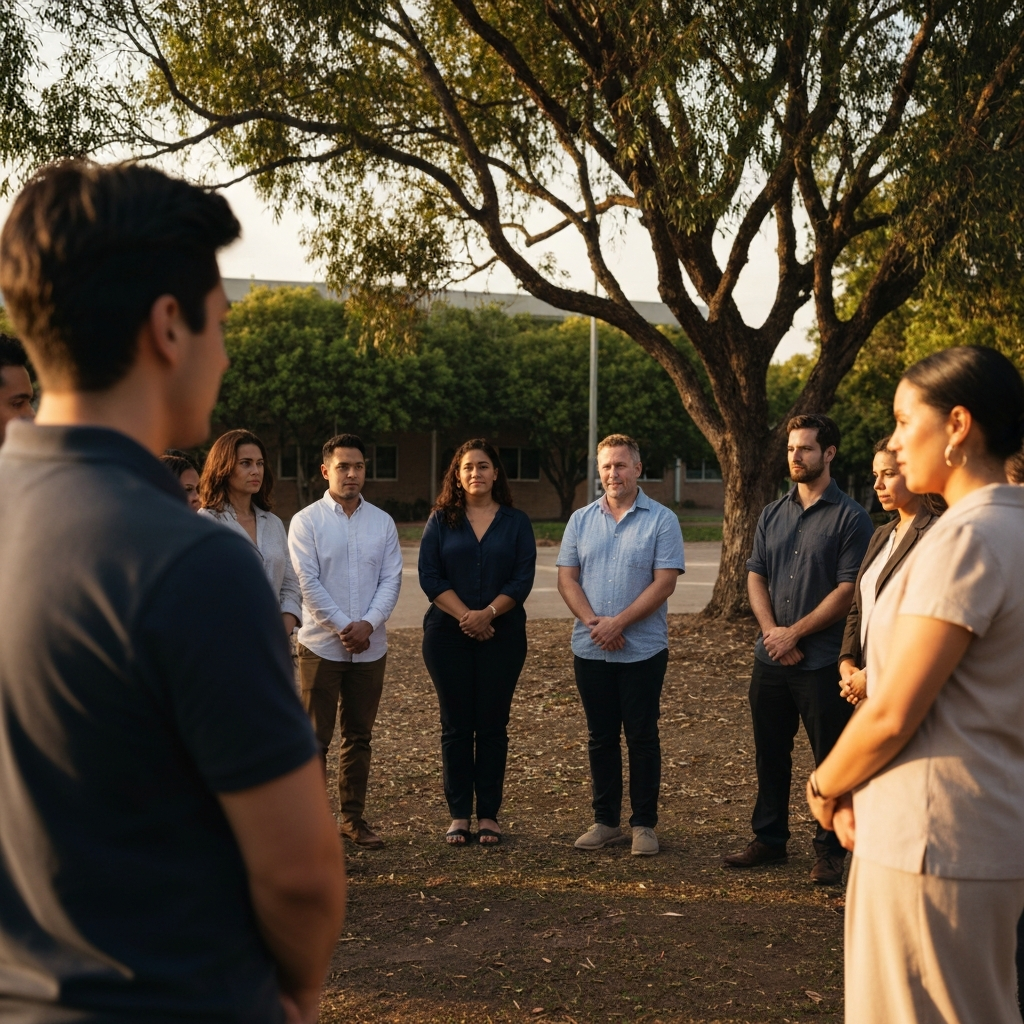
Step 6: Donate to Organizations Supporting Indigenous Peoples
Supporting Indigenous-led organizations is a tangible way to contribute to their self-determination and well-being. Research reputable organizations that focus on advocacy, education, cultural preservation, and economic development within Native communities. Ensure that the organizations you support are accountable to the communities they serve and have a proven track record of success. Consider making recurring donations to provide sustained support for their important work.
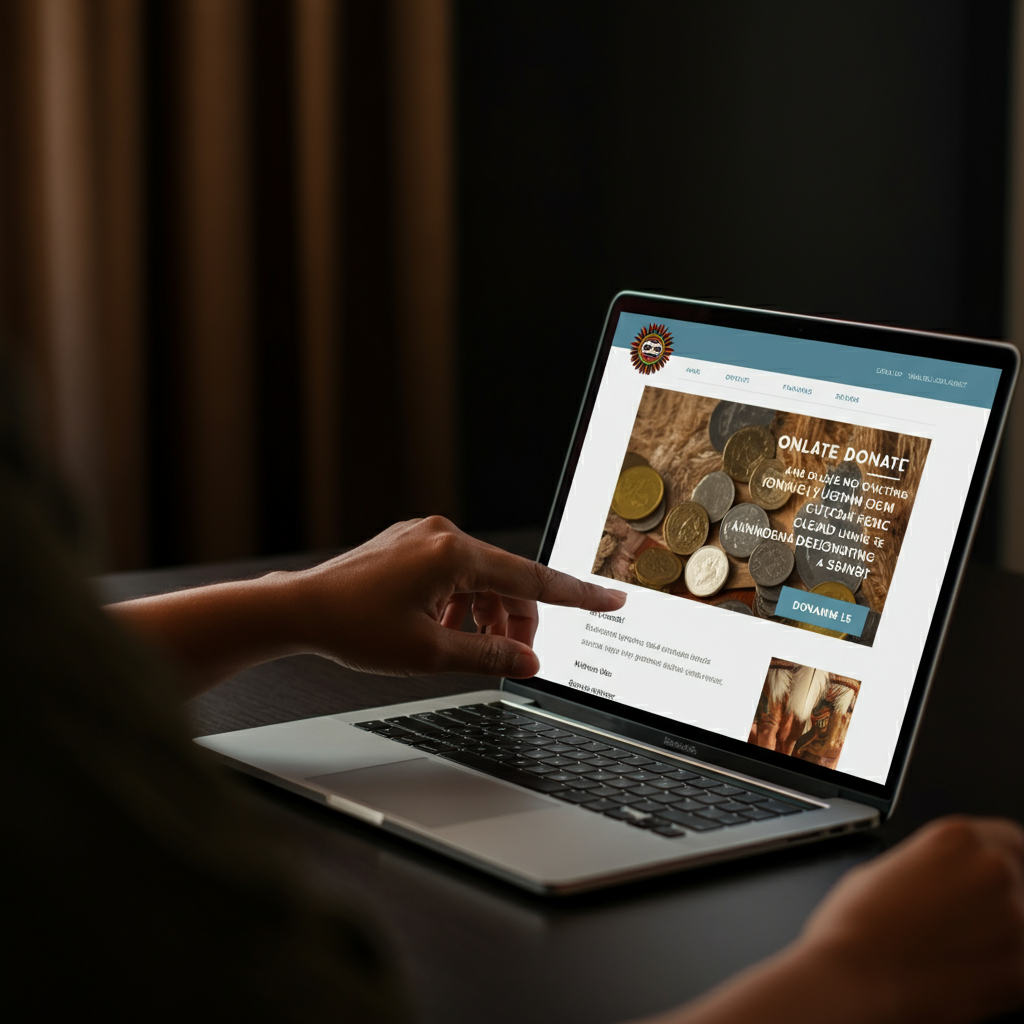
Step 7: Support Native-Owned Businesses
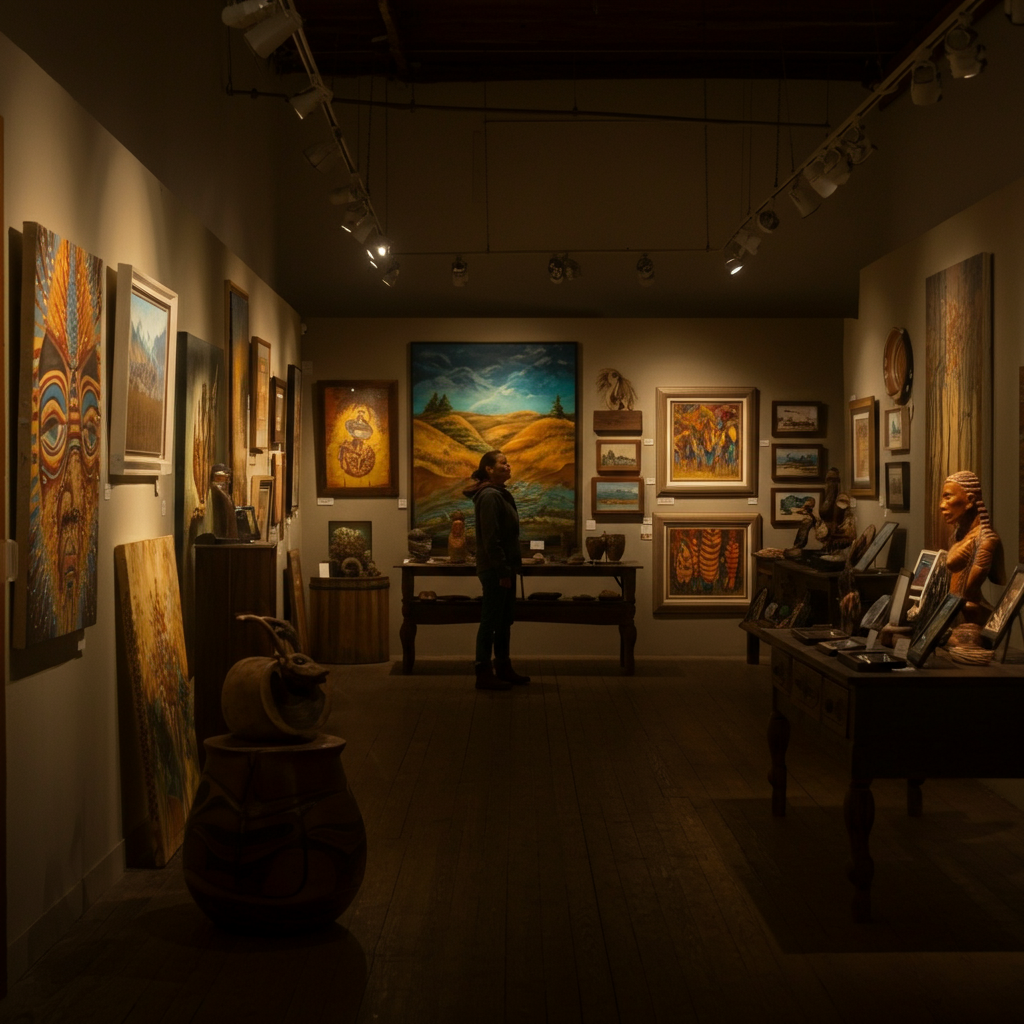
Native-owned businesses play a vital role in strengthening Indigenous economies and preserving cultural traditions. Seek out Native-owned businesses in your area or online and support them whenever possible. By purchasing goods and services from Native entrepreneurs, you are investing in their economic empowerment and cultural sustainability. Be mindful of cultural appropriation and avoid purchasing items that are sacred or traditionally reserved for Indigenous people. Research the authenticity and ethical sourcing of products before making a purchase.
Step 8: Use Respectful Terminology
Language is a powerful tool, and it's crucial to use respectful and accurate terminology when referring to Indigenous peoples. Use the terms "Indigenous peoples," "Native American," or "American Indian" when referring to the collective group. Whenever possible, refer to specific tribal nations by their proper names (e.g., Navajo Nation, Cherokee Nation). Avoid using outdated or offensive terms like "Indian" or "tribe." Be open to correction and adapt your language as terminology evolves.

Step 9: Advocate for Federal Recognition of Indigenous Peoples' Day
While many states and cities recognize Indigenous Peoples' Day, it is not yet a federal holiday in the United States. Contact your elected officials and urge them to support legislation that would officially replace Columbus Day with Indigenous Peoples' Day. Explain the importance of recognizing the historical injustices faced by Native communities and celebrating their contributions to American society. Share personal stories and facts to illustrate the need for this change.
Step 10: Actively Participate in the Anti-Mascot Movement
"Indian" mascots used by schools and sports teams perpetuate harmful stereotypes and contribute to the erasure of Native cultures. Actively oppose the use of these mascots and advocate for their removal. File complaints with school boards, contact team owners, and use social media to raise awareness about the harmful effects of these mascots. Support efforts to create more respectful and accurate representations of Indigenous peoples in popular culture.
Common Mistakes to Avoid
- Assuming all Indigenous people are the same. Remember that there are hundreds of distinct tribal nations with unique cultures and traditions.
- Speaking over or appropriating Native voices. Listen and learn from Indigenous people rather than trying to speak for them.
- Treating Indigenous Peoples' Day as a one-time event. Commit to ongoing allyship and advocacy throughout the year.
- Purchasing items from non-Native vendors that falsely claim to be "Native-inspired." Support authentic Native-owned businesses.
- Using outdated or offensive terminology. Always use respectful and accurate language.
Conclusion
Celebrating Indigenous Peoples' Day is an opportunity to learn, reflect, and take action. By actively engaging with Native cultures, amplifying Indigenous voices, and advocating for justice and equality, we can contribute to a more equitable and respectful future for all. Remember that allyship is a continuous journey, not a destination. Let's commit to honoring Indigenous communities not just on one day, but every day of the year.