Creating a stunning garden doesn't require acres of land. With careful planning and the right techniques, even the smallest spaces can be transformed into vibrant, flourishing oases. This guide will walk you through the essential steps of designing a small garden, from choosing the perfect location to selecting plants that thrive in limited areas. We'll cover practical design principles and provide expert tips to help you maximize your space and create a garden you'll love.
Small gardens present unique challenges and opportunities. Every square foot counts, so efficient use of space is paramount. By thinking vertically, selecting compact plant varieties, and incorporating clever design elements, you can create a garden that's both beautiful and productive. Whether you're interested in growing vegetables, flowers, or a combination of both, this guide will give you the knowledge and inspiration you need to get started.
This guide will give you the knowledge and confidence to create a small garden that's both beautiful and productive. The key is planning and choosing the right plants for your local climate and soil conditions.
Step 1: Choosing the Best Location
Selecting the right location is the first and most crucial step in designing your small garden. Most flowering plants and vegetables require at least 6-8 hours of direct sunlight daily to thrive. Observe your yard throughout the day to identify the sunniest areas. A south-facing location is generally ideal, but east or west-facing spots can also work. If your yard is shaded, you can still grow shade-tolerant plants like hostas, ferns, or impatiens. Insufficient sunlight can result in fewer blooms and stunted growth.
Step 2: Measuring Your Space
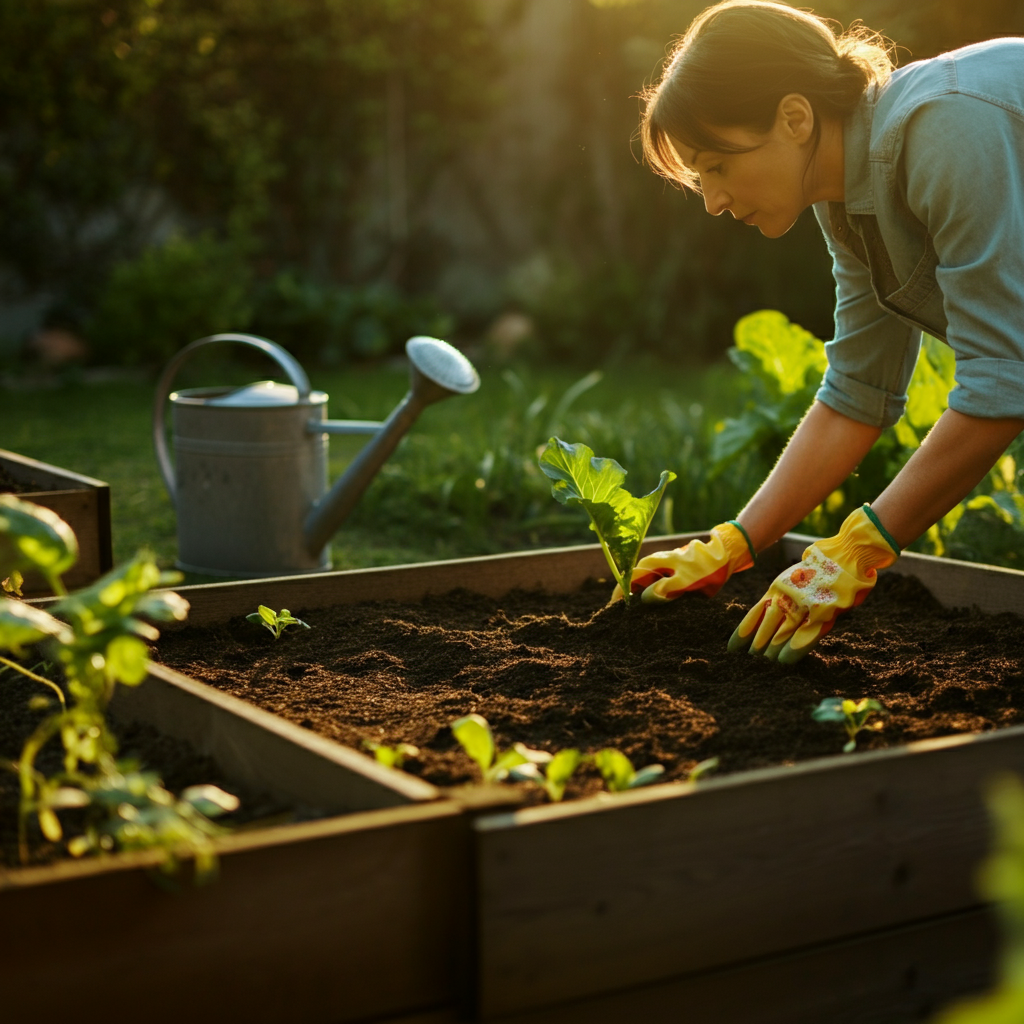
Accurate measurements are essential for effective garden planning. Use a measuring tape to determine the length and width of your available space. Record these measurements and create a scaled drawing on graph paper. This will allow you to visualize different layouts and ensure that your chosen plants will fit comfortably. Consider the mature size of your plants when planning your layout. Overcrowding can lead to disease and reduced yields. You can use garden planner apps on a computer or smartphone, or a simple pencil and paper will work.

Step 3: Following Design Principles
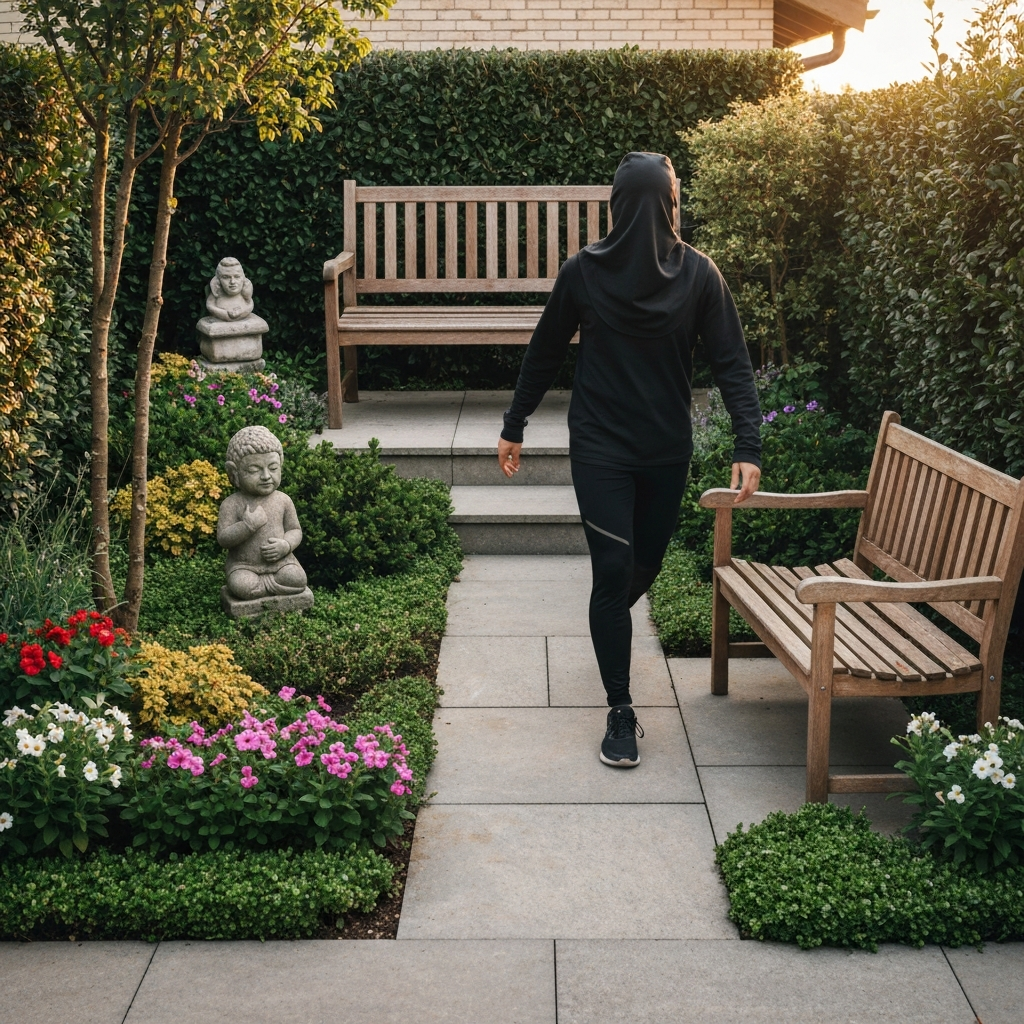
Apply key design principles to create an aesthetically pleasing and functional small garden. Incorporate focal points, such as a small statue or a unique plant, to draw the eye. Create rhythm and symmetry by repeating plant varieties or colors throughout the garden. Aim for a sense of enclosure by using taller plants or structures around the edges of the garden. Don't forget to include space for seating if you want a relaxing area to sit in the garden. Consider the garden's vertical height – taller plants near fences or trellises can create the illusion of depth.
Step 4: Selecting Your Plants
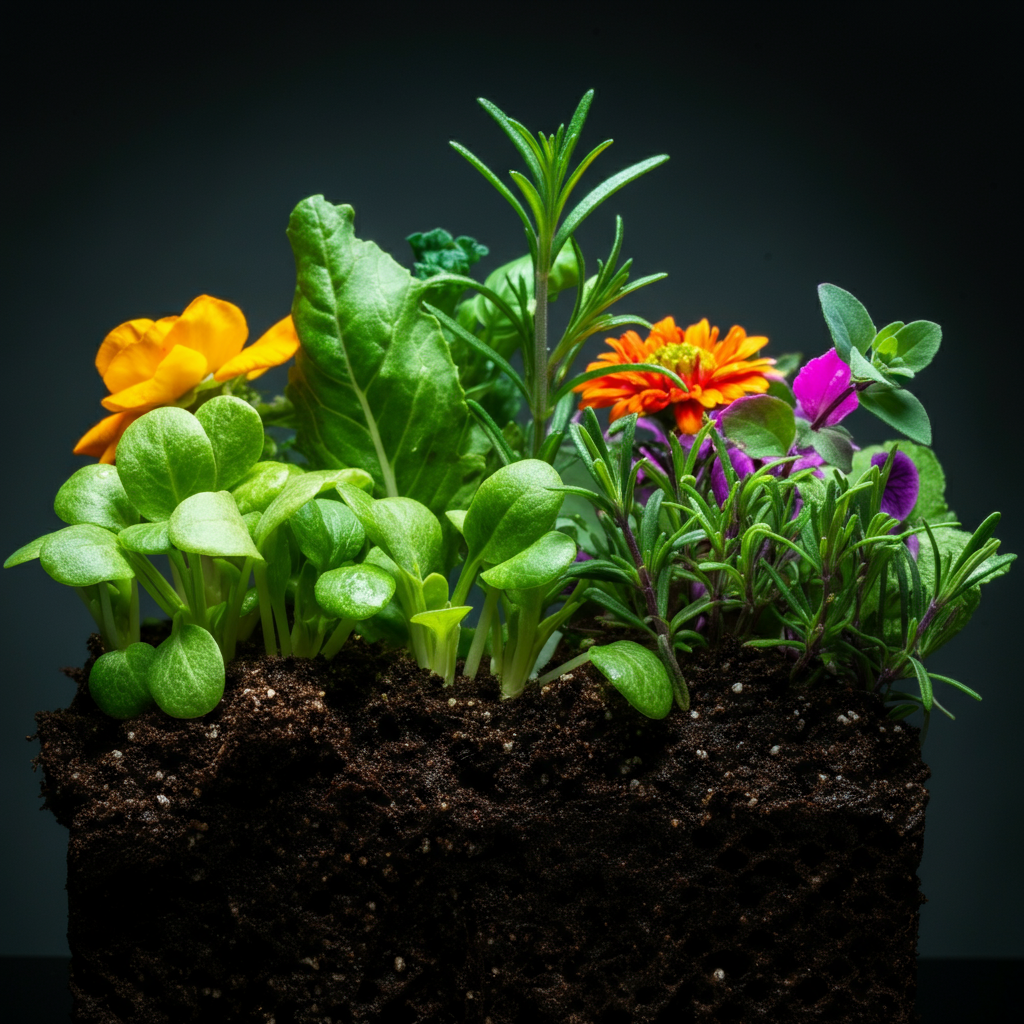
Choose plants that are well-suited to your local climate and soil conditions. Opt for compact varieties of vegetables and flowers to maximize space. Consider companion planting, which involves growing plants together that benefit each other. For example, basil can help repel pests from tomatoes. Mixing ornamental and edible plants can add visual interest to your garden. Use a fence or trellis to support climbing plants, such as beans, peas, or cucumbers, to save ground space.
Step 5: Tending Your Garden
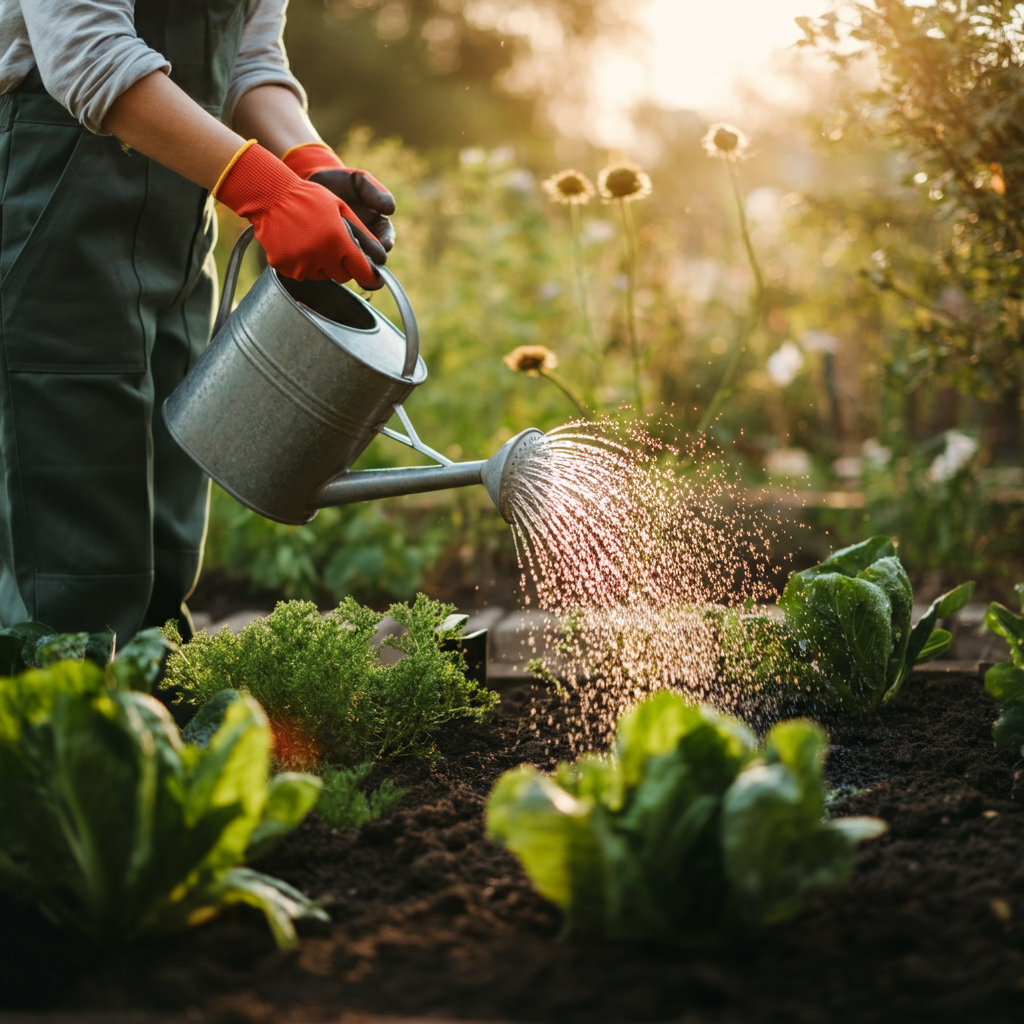
Proper maintenance is essential for a thriving small garden. Mulch around your plants to help retain moisture and suppress weeds. Water deeply and regularly, especially during dry periods. Fertilize your plants as needed, following the instructions on the fertilizer package. Prune your plants to encourage healthy growth and remove any dead or diseased foliage. Check for pests and diseases regularly and take action promptly to prevent them from spreading.
Common Mistakes to Avoid
- Overcrowding plants: Give plants enough space to grow to their mature size.
- Neglecting soil preparation: Amend your soil with compost or other organic matter before planting.
- Forgetting to water regularly: Water deeply and consistently, especially during dry spells.
- Ignoring pests and diseases: Monitor your plants regularly and take action promptly.
- Choosing the wrong plants: Select plants that are well-suited to your local climate and soil conditions.
Pro Tips
- Use vertical gardening techniques to maximize space.
- Consider container gardening if you have limited space or poor soil.
- Incorporate herbs and flowers into your vegetable garden to attract pollinators.
- Succession planting can provide a continuous harvest throughout the growing season.
- Keep a garden journal to track your progress and learn from your mistakes.
FAQ Section
Q: How often should I water my small garden?
A: Water deeply and regularly, especially during dry periods. Check the soil moisture regularly and water when the top inch feels dry.
Q: What type of fertilizer should I use?
A: Use a balanced fertilizer that is specifically formulated for the types of plants you are growing. Follow the instructions on the fertilizer package.
Q: How can I prevent pests and diseases in my small garden?
A: Monitor your plants regularly for signs of pests and diseases. Take action promptly to prevent them from spreading. Use organic pest control methods whenever possible.
Conclusion
Designing a small garden is a rewarding experience that can bring beauty and productivity to even the smallest spaces. By following the steps outlined in this guide, you can create a garden that reflects your personal style and provides you with fresh vegetables, beautiful flowers, or a combination of both. Remember to plan carefully, select the right plants, and maintain your garden regularly to ensure its success. With a little effort and creativity, you can transform your small space into a thriving oasis.