Creating a vibrant and flourishing garden doesn't have to break the bank. With a little ingenuity, planning, and elbow grease, you can transform your outdoor space into a beautiful oasis without spending a fortune. Many believe a stunning garden requires significant investment, but that's simply not true. The key is to focus on resourcefulness, sustainability, and smart choices.
This guide will walk you through practical steps and proven techniques to cultivate a breathtaking garden on a budget. From utilizing household resources to propagating your own plants, we'll explore numerous ways to minimize costs and maximize beauty. Get ready to roll up your sleeves and discover the joy of creating a gorgeous garden that reflects your personal style and doesn't empty your wallet.
Forget expensive landscaping services and pricey garden centers. This is about embracing a DIY approach and tapping into the abundance of nature's gifts. With a little patience and creativity, you'll be amazed at what you can achieve.
Step 1: Plan Your Garden and Take Inventory
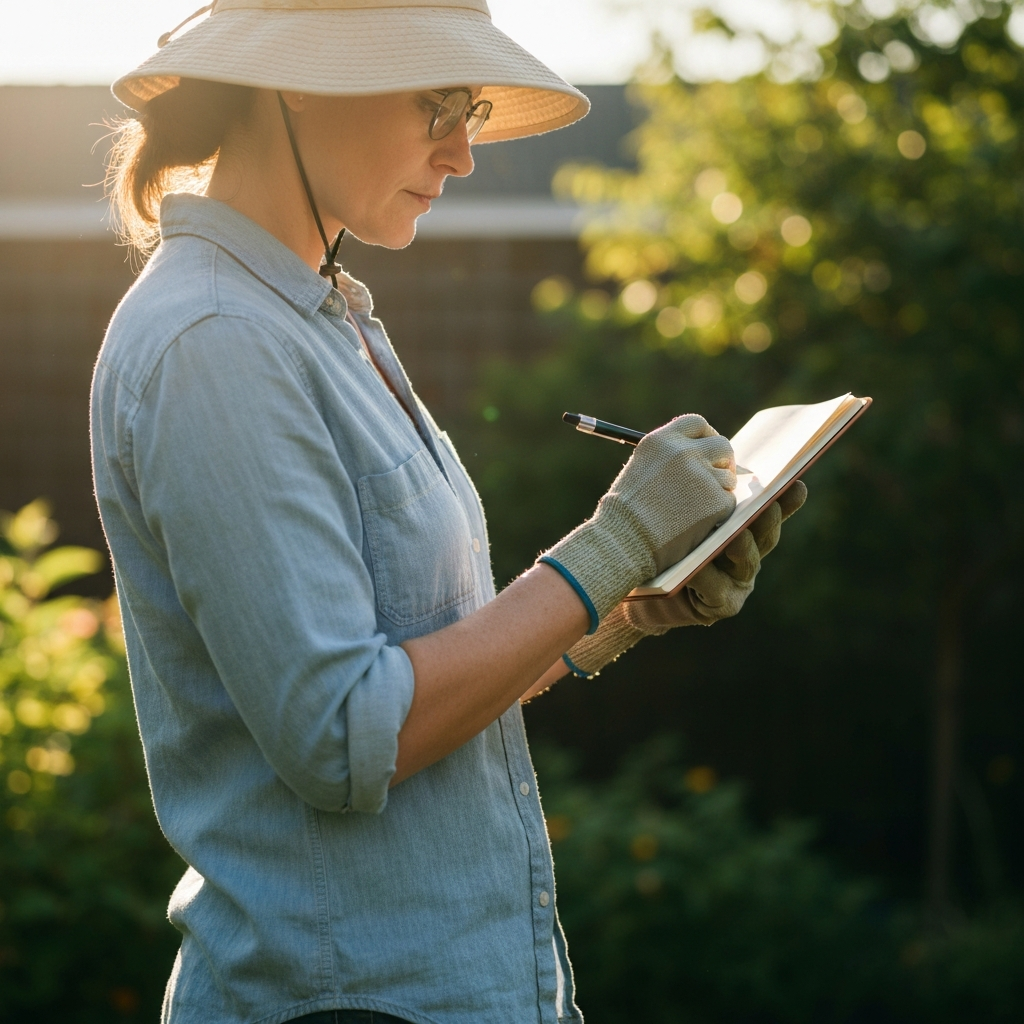
Before you start buying plants or digging holes, take the time to carefully plan your garden. Assess your existing space: note the amount of sunlight each area receives, the type of soil you have, and any existing plants or features you want to keep. This will help you determine which plants will thrive in your garden and where to place them. Also, consider your personal style and the overall aesthetic you want to achieve. Do you prefer a formal, structured garden or a more natural, wild look?
Step 2: Start with Seeds
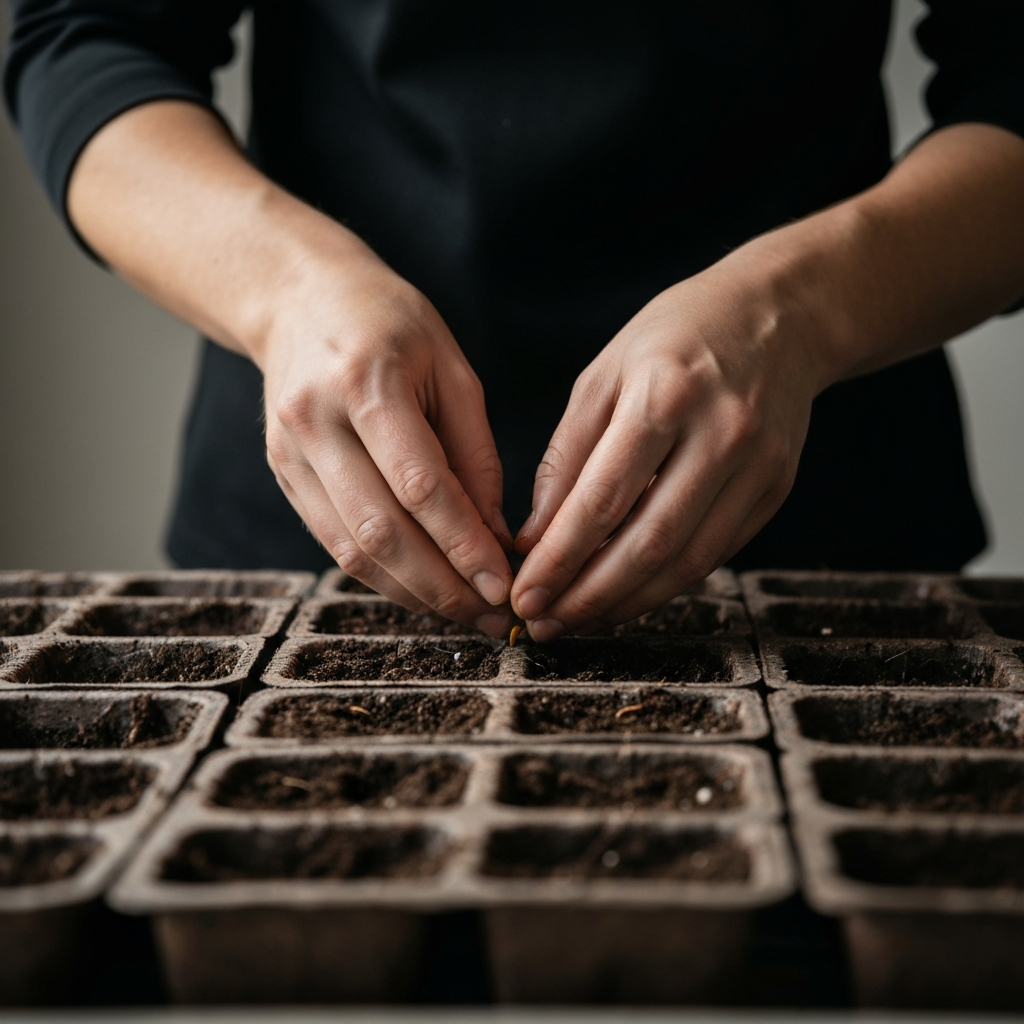
One of the most cost-effective ways to fill your garden is by starting plants from seeds. Packets of seeds are significantly cheaper than buying established plants, and you have a wider variety to choose from. You can start seeds indoors in small containers or directly sow them into the ground, depending on the type of plant and your climate. Research the best time to start seeds in your area to ensure optimal germination and growth. Consider starting with easy-to-grow varieties like sunflowers, marigolds, zinnias, or herbs like basil and parsley.
Step 3: Propagate Your Own Plants
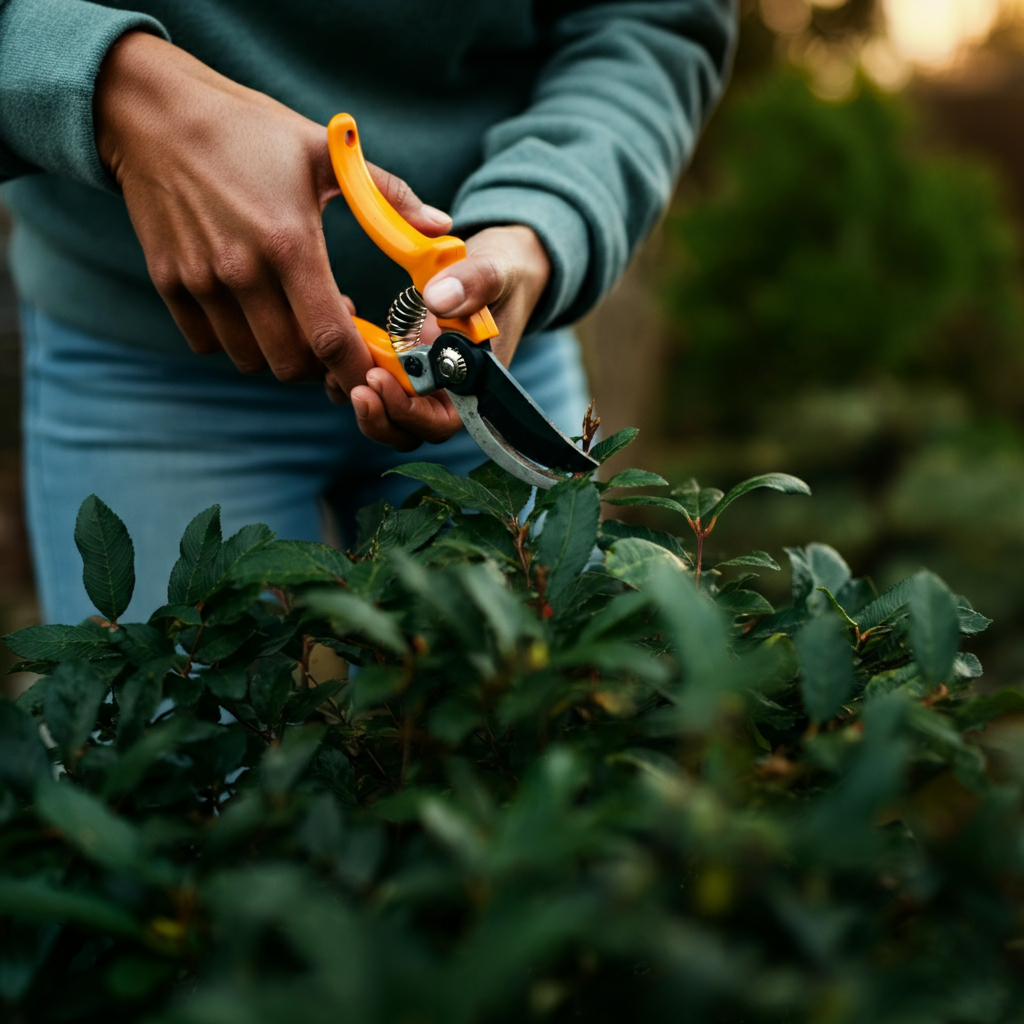
Many plants can be easily propagated, meaning you can create new plants from cuttings, divisions, or layering. This is a fantastic way to expand your garden without spending any money. For example, you can take stem cuttings from plants like geraniums, succulents, or herbs and root them in water or soil. Divide perennials like hostas, daylilies, or irises to create multiple plants. Research the best propagation methods for the specific plants you want to multiply. This is a great way to share plants with friends and neighbors, further expanding your garden's diversity and beauty.
Step 4: Recycle and Repurpose Materials
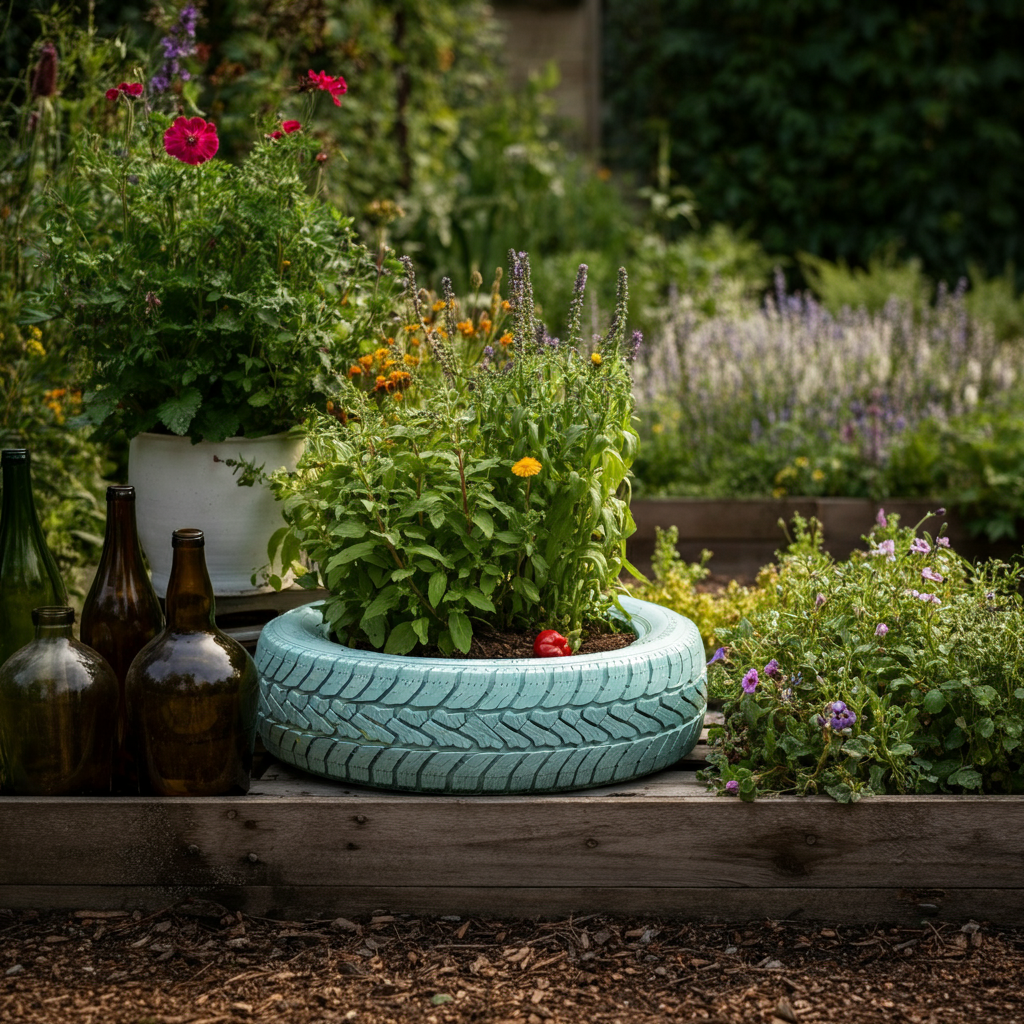
Get creative with recycling and repurposing materials to add character and functionality to your garden. Use old tires as planters, pallets to create raised beds, or glass bottles as edging. Think outside the box and see what materials you already have on hand that can be transformed into something useful and beautiful. This not only saves you money but also adds a unique and personal touch to your garden. Consider using reclaimed wood to build a compost bin or creating a decorative trellis from salvaged metal.
Step 5: Utilize Free Resources
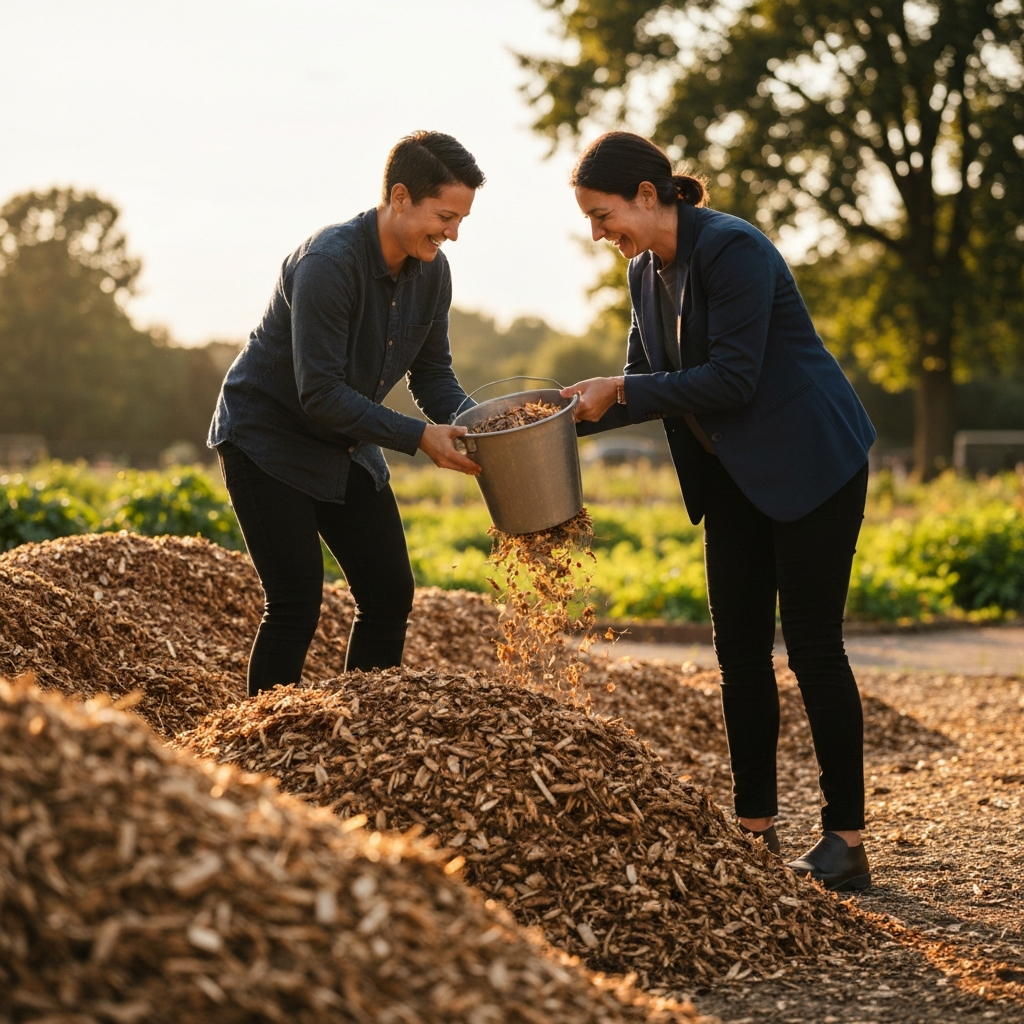
Take advantage of free resources available in your community. Check with local nurseries or garden centers for free compost or wood chips. Contact tree trimming services or landscapers for wood chips or mulch. Many communities have seed-sharing programs or plant swaps where you can exchange seeds or plants with other gardeners. Also, consider collecting rainwater for watering your plants. Every drop saved is money saved! Composting kitchen scraps and yard waste is another excellent way to create free, nutrient-rich soil amendment for your garden.
Step 6: Buy Native Plants
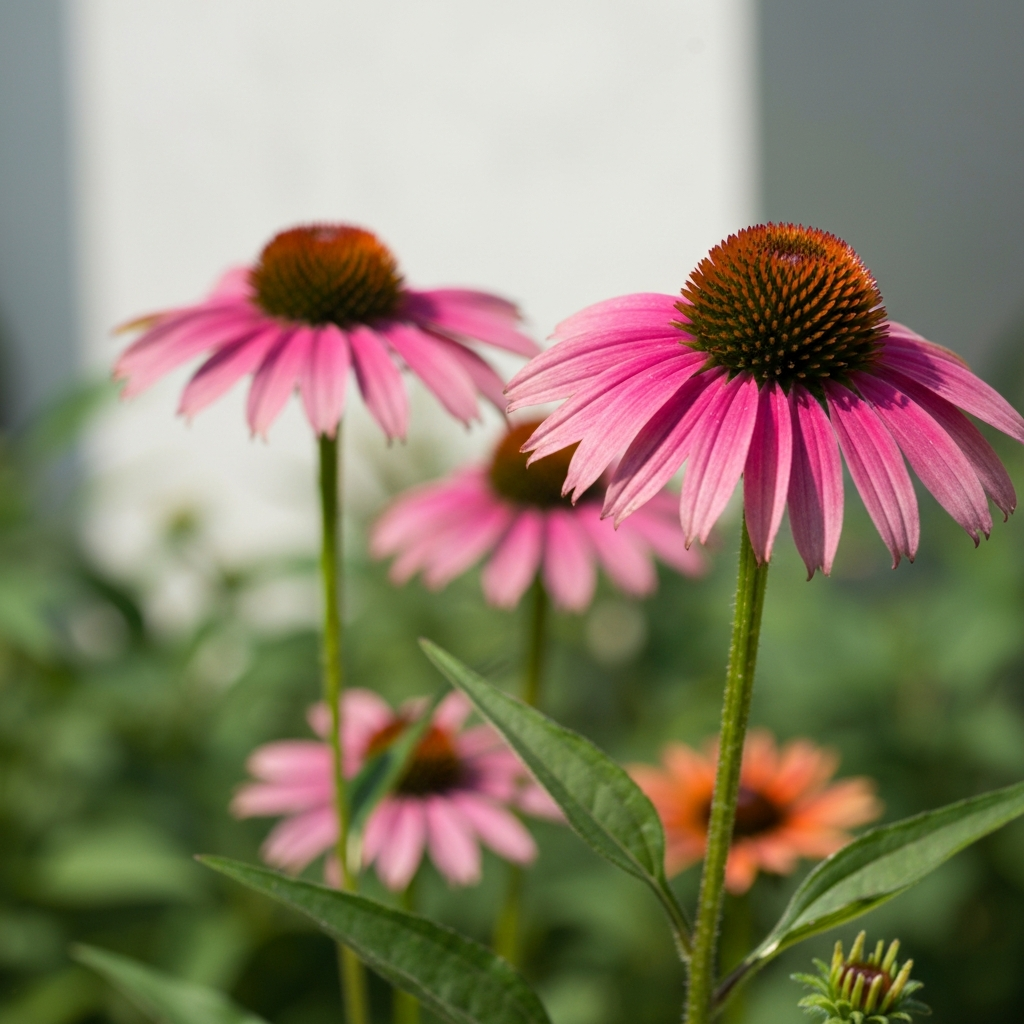
Choosing native plants is a smart way to save money and support your local ecosystem. Native plants are adapted to your local climate and soil conditions, so they require less water, fertilizer, and pest control. They are also more likely to thrive in your garden with minimal maintenance. Native plants attract beneficial insects and pollinators, creating a healthy and balanced garden ecosystem. Consult your local native plant society or extension office for a list of native plants suitable for your area.
Tools or Materials Required
* Gardening gloves * Hand trowel * Pruning shears * Shovel * Watering can or hose * Seed starting trays or containers * Potting soil * Seeds or plant cuttings * Recycled or repurposed materials (tires, pallets, bottles, etc.) * Compost bin (optional)Common Mistakes to Avoid
* Not planning your garden before you start. * Overwatering or underwatering plants. * Planting in the wrong location (e.g., planting sun-loving plants in the shade). * Using poor-quality soil. * Ignoring pests and diseases. * Not amending the soil with compost or other organic matter.Safety Considerations
* Wear gardening gloves to protect your hands from thorns, insects, and soilborne diseases. * Use caution when using sharp tools like pruning shears or shovels. * Protect yourself from the sun by wearing a hat, sunglasses, and sunscreen. * Stay hydrated by drinking plenty of water. * Be aware of any potential hazards in your garden, such as uneven surfaces or poisonous plants.Pro Tips
* Start small and gradually expand your garden over time. * Keep a garden journal to track your progress and learn from your mistakes. * Join a local gardening club or online forum to connect with other gardeners and share tips and advice. * Don't be afraid to experiment and try new things. * Enjoy the process and appreciate the beauty of nature!FAQ Section
* **Q: How do I know what type of soil I have?** * A: You can test your soil using a home soil test kit or send a sample to a local soil testing lab. * **Q: How often should I water my plants?** * A: The frequency of watering depends on the type of plant, the climate, and the soil conditions. Check the soil moisture regularly and water when the top inch of soil feels dry. * **Q: How do I get rid of pests in my garden without using harmful chemicals?** * A: There are many natural pest control methods you can use, such as introducing beneficial insects, using insecticidal soap, or hand-picking pests off plants.Creating a beautiful garden on a budget is entirely achievable with a little planning, resourcefulness, and effort. By starting with seeds, propagating your own plants, recycling materials, and utilizing free resources, you can transform your outdoor space into a vibrant and flourishing oasis without breaking the bank. Remember to choose native plants, take care of your soil, and enjoy the process of nurturing your garden. With a little patience and creativity, you'll be amazed at what you can accomplish!