The construction world is filled with specialized terminology, and two terms that are often used interchangeably, but incorrectly, are "concrete" and "cement." While closely related, they are fundamentally different materials. Understanding this difference is crucial for anyone involved in construction, from DIY enthusiasts to seasoned professionals. Cement is actually a key ingredient in concrete, but is not concrete itself.
This guide will explore the distinct characteristics of cement and concrete, breaking down their composition, uses, and key differences. We'll delve into the specific applications of each material and provide practical insights to help you make informed decisions for your construction projects. Think of cement as the glue, and concrete as the finished product.
By the end of this guide, you'll have a clear understanding of when to use cement, when to use concrete, and how to avoid common mistakes that can compromise the structural integrity of your projects. Let's dive in!
Step 1: Defining Cement: The Binding Agent
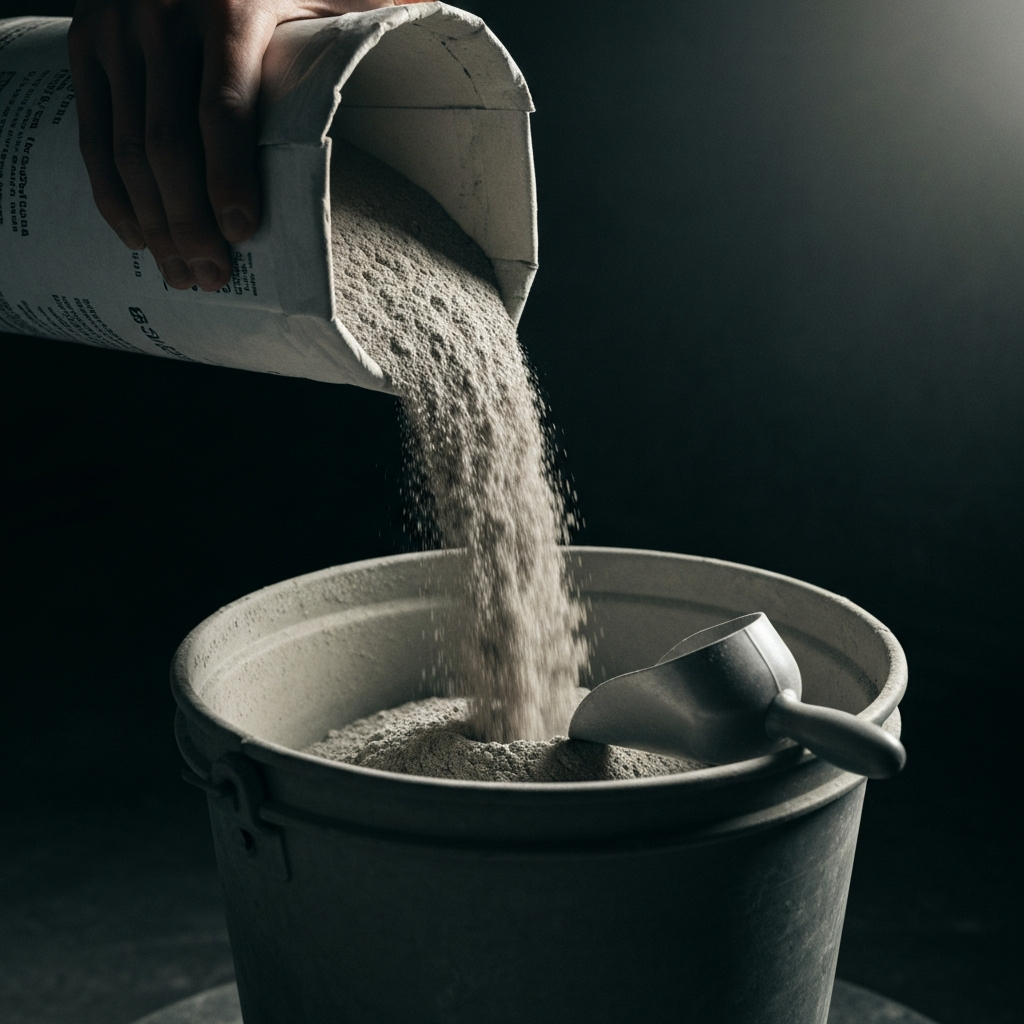
Cement is a fine powder that, when mixed with water, acts as a binding agent. It's composed primarily of lime, silica, alumina, and iron compounds. In essence, cement is created by crushing raw materials like limestone, shells, clay, and iron ore, then heating them in a kiln to form a rock-like substance called clinker. The clinker is then ground into a fine powder, with a small amount of gypsum added to regulate the setting time. This powder, when mixed with water, undergoes a chemical reaction called hydration, hardening over time and binding other materials together.
Step 2: Understanding Concrete: The Composite Material
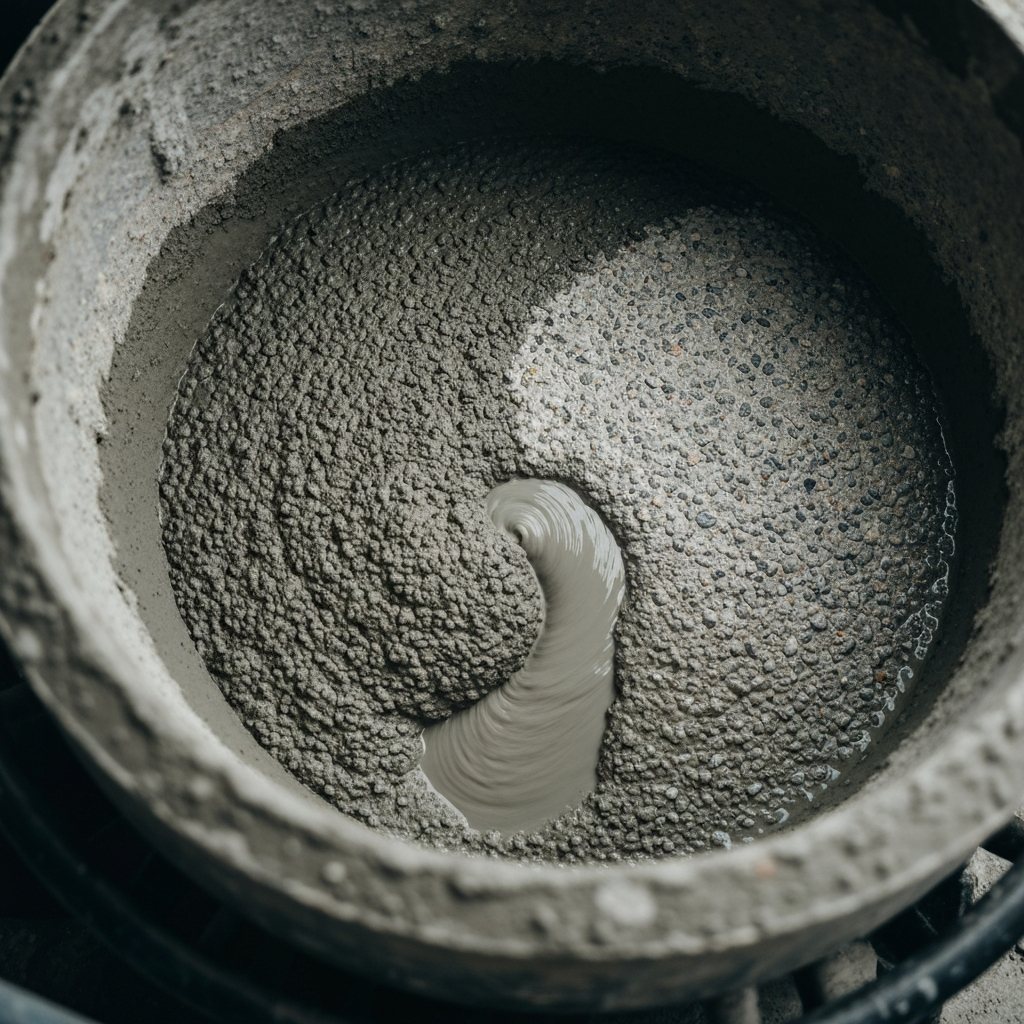
Concrete is a composite material made by mixing cement, water, and aggregate. Aggregate consists of inert materials like sand, gravel, or crushed stone. The cement and water form a paste that coats the aggregate and binds them together. Through the process of hydration, the cement paste hardens, creating a strong, durable, and rock-like material. The ratio of cement, water, and aggregate significantly affects the strength, workability, and durability of the concrete. Variations in these ratios are used to create different types of concrete for various applications.
Step 3: Key Differences Between Cement and Concrete
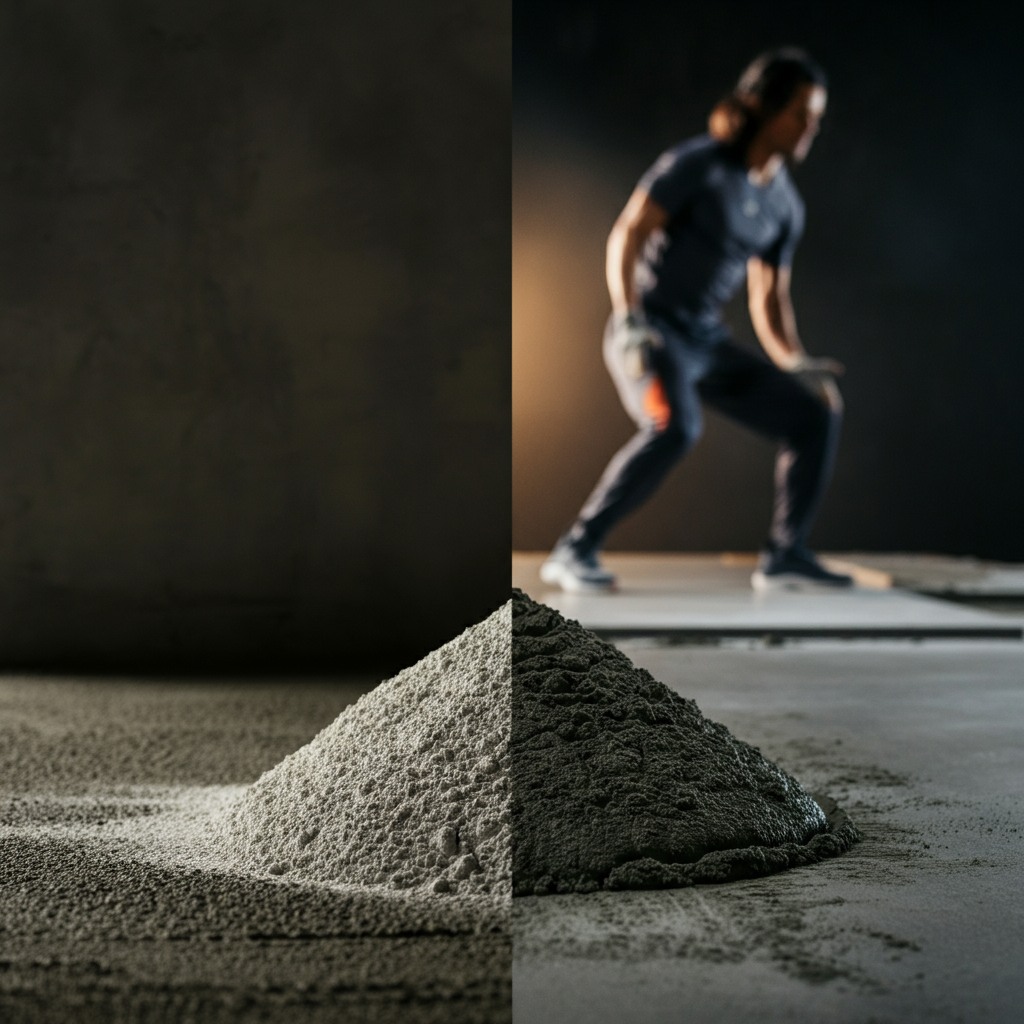
The most crucial difference to understand is that cement is a component of concrete, not the other way around. Cement is never used as a primary building material on its own due to its rapid setting time and lack of structural strength. Imagine trying to build a house solely with glue – it simply wouldn't work. Concrete, on the other hand, is widely used in construction for its compressive strength, durability, and versatility. It forms the foundation of buildings, bridges, roads, and countless other structures. A typical concrete mix contains approximately 10-15% cement, 60-80% aggregate, and 15-20% water.
Step 4: Common Uses of Cement
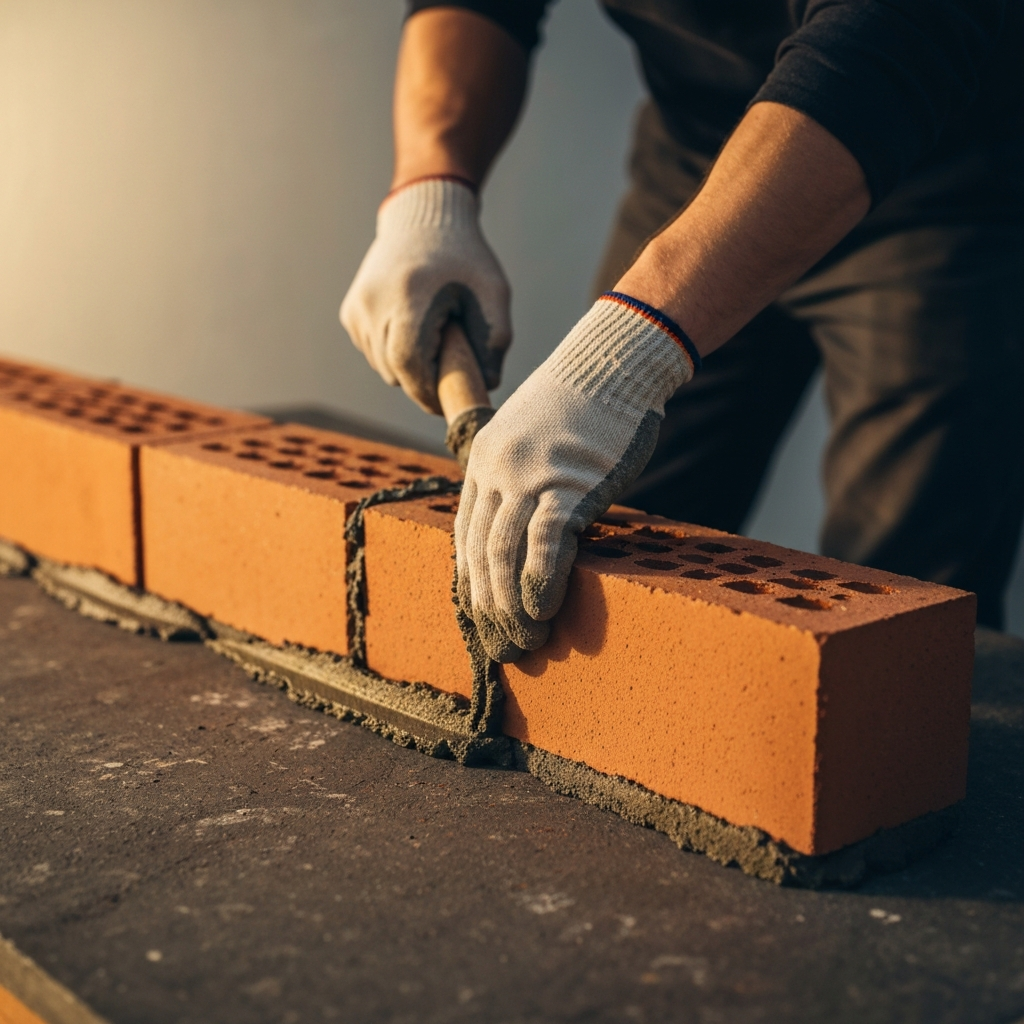
While not a standalone building material, cement plays a vital role in numerous applications. It is the key ingredient in mortar, used to bind bricks and stones together. Cement is also used to create grout, which fills the gaps between tiles and other surfaces, providing a watertight seal. Additionally, it is a component of stucco, a decorative coating applied to walls. Portland cement, in particular, is the most common type of cement used in the production of concrete due to its desirable properties of strength and setting time.
Step 5: Common Uses of Concrete
Concrete is one of the most widely used construction materials globally due to its exceptional strength, durability, and cost-effectiveness. It is the primary material used in the construction of foundations, slabs, walls, columns, beams, and pavements. Its versatility allows it to be molded into various shapes and sizes, making it suitable for a wide range of structural applications. Concrete's resistance to fire and weathering also makes it an ideal choice for infrastructure projects such as bridges, dams, and tunnels.

Step 6: Types of Cement
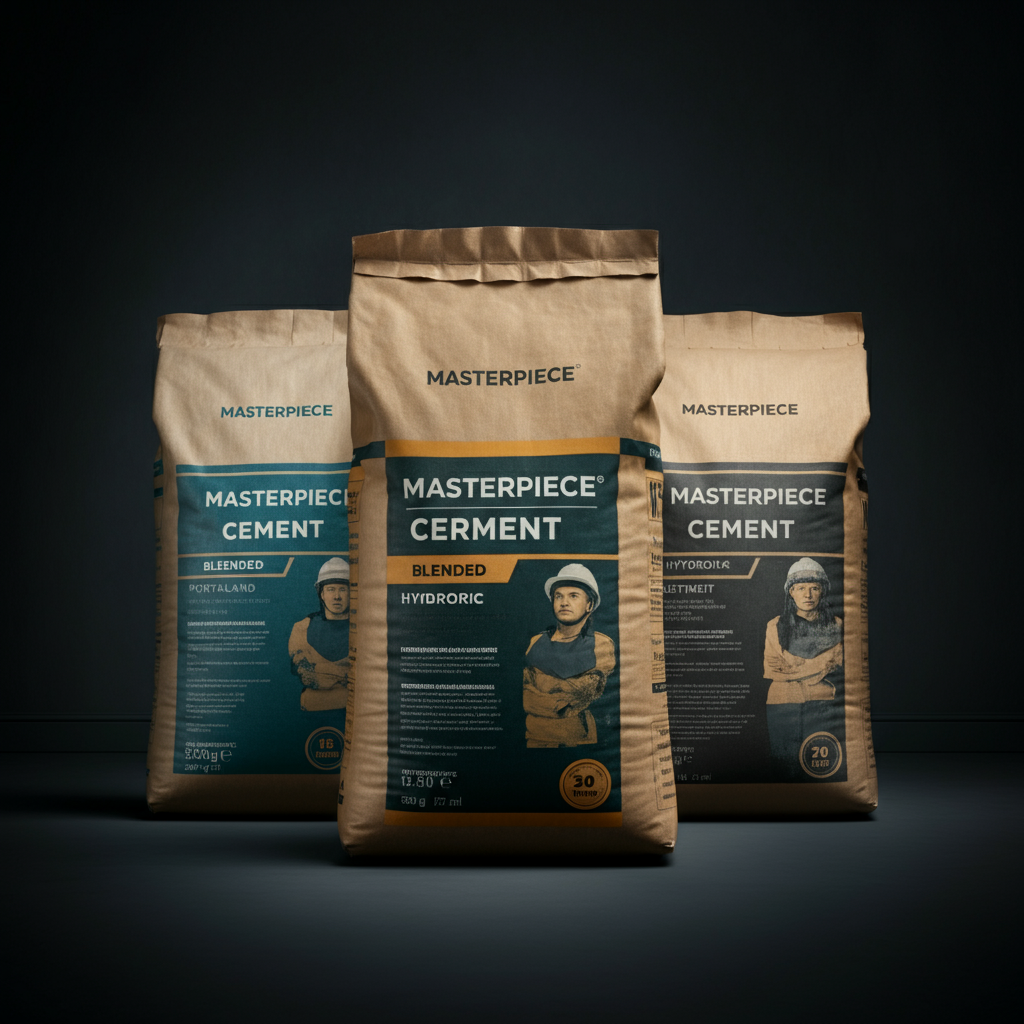
There are several different types of cement available, each with specific properties and applications. Portland cement is the most common type, known for its versatility and strength. Other types include blended cements, which incorporate supplementary materials like fly ash or slag to enhance specific properties like workability or durability. Hydraulic cements, such as rapid-hardening cement, are designed to set quickly and are often used in situations where speed is critical. Understanding the different types of cement is essential for selecting the right material for your project.
Step 7: Mixing Cement and Concrete Safely
Working with cement and concrete can pose certain safety risks if proper precautions are not taken. Cement is alkaline and can cause skin irritation or burns upon contact with wet cement. Always wear gloves, eye protection, and appropriate clothing when handling cement or concrete. Inhaling cement dust can also be harmful, so it's advisable to wear a dust mask or respirator in dusty environments. When mixing concrete, ensure adequate ventilation to prevent the buildup of harmful fumes. Always follow the manufacturer's instructions and safety guidelines when working with these materials.

FAQ Section
Q: Can I use cement to fill cracks in concrete?
A: While you can use cement-based patching compounds to fill cracks in concrete, straight cement is not recommended. Cement dries very quickly and is prone to cracking. Use a commercially available concrete crack filler or patching compound for best results.
Q: How long does it take for concrete to fully cure?
A: Concrete typically reaches its design strength after 28 days of curing. However, it will continue to gain strength over time. Proper curing involves keeping the concrete moist to promote hydration and prevent cracking.
Conclusion
Distinguishing between cement and concrete is fundamental for successful construction projects. Cement is the binding agent, while concrete is the final product, a composite material prized for its strength and versatility. Understanding their individual roles, properties, and safe handling practices allows you to select the appropriate materials for the job and achieve durable, long-lasting results. Remember to always prioritize safety and follow best practices when working with cement and concrete.