Choosing the right food for your beloved pet is a critical decision, impacting their health, longevity, and overall well-being. With countless options available on the market, navigating the world of pet food can feel overwhelming. This guide aims to equip you with the knowledge and tools necessary to select safe, nutritious, and appropriate food for your furry, scaly, or feathered companion.
From deciphering confusing ingredient lists to understanding the role of various nutrients, we'll break down the key factors to consider when making your choice. We'll explore how to identify quality manufacturers, avoid potentially harmful ingredients, and ensure your pet receives a balanced diet tailored to their specific needs. Whether you're a seasoned pet owner or a first-time caregiver, this guide will empower you to make informed decisions and provide your pet with the best possible nutrition.
Remember, what works for one pet may not work for another. Consulting with your veterinarian is always the best approach to determine the ideal dietary plan for your individual animal, taking into account their age, breed, activity level, and any existing health conditions. Let's embark on this journey towards healthier, happier pets!
Step 1: Understanding the Nutritional Adequacy Statement
The first step in choosing safe pet food is locating and carefully reading the Nutritional Adequacy Statement, often referred to as the AAFCO statement (Association of American Feed Control Officials). This statement is legally required on all pet food packaging and provides crucial information about the food's nutritional completeness. Look for language that specifies whether the food is "complete and balanced" for a particular life stage, such as "growth" (for puppies or kittens), "adult maintenance," or "all life stages." This statement indicates that the food meets the minimum nutritional requirements established by AAFCO.
Be wary of foods labeled for "intermittent" or "supplemental" feeding only. These products are not designed to be a pet's sole source of nutrition and should be avoided as a primary food source. The AAFCO statement may be hidden in the folds of the bag or printed in very small font, so take your time and thoroughly examine the packaging. Understanding this statement is paramount to ensuring your pet receives a nutritionally complete diet.

Step 2: Researching Pet Food Manufacturers
Not all pet food manufacturers are created equal. It's essential to choose a manufacturer with a strong reputation for quality control, rigorous testing, and transparency in their ingredient sourcing and manufacturing processes. A good starting point is to ask your veterinarian for recommendations. Veterinarians often have firsthand experience with various brands and can provide valuable insights into which manufacturers prioritize quality and safety.
Avoid foods where the store name is listed as the manufacturer. These are often private-label brands produced by a third-party manufacturer and may not adhere to the same quality standards as well-established brands. Furthermore, investigate the manufacturer's history of recalls. While a single recall doesn't necessarily disqualify a brand, a pattern of frequent recalls should raise a red flag. You can search online for "pet food recalls" and the name of the manufacturer to assess their track record.

Step 3: Deciphering the Ingredient List
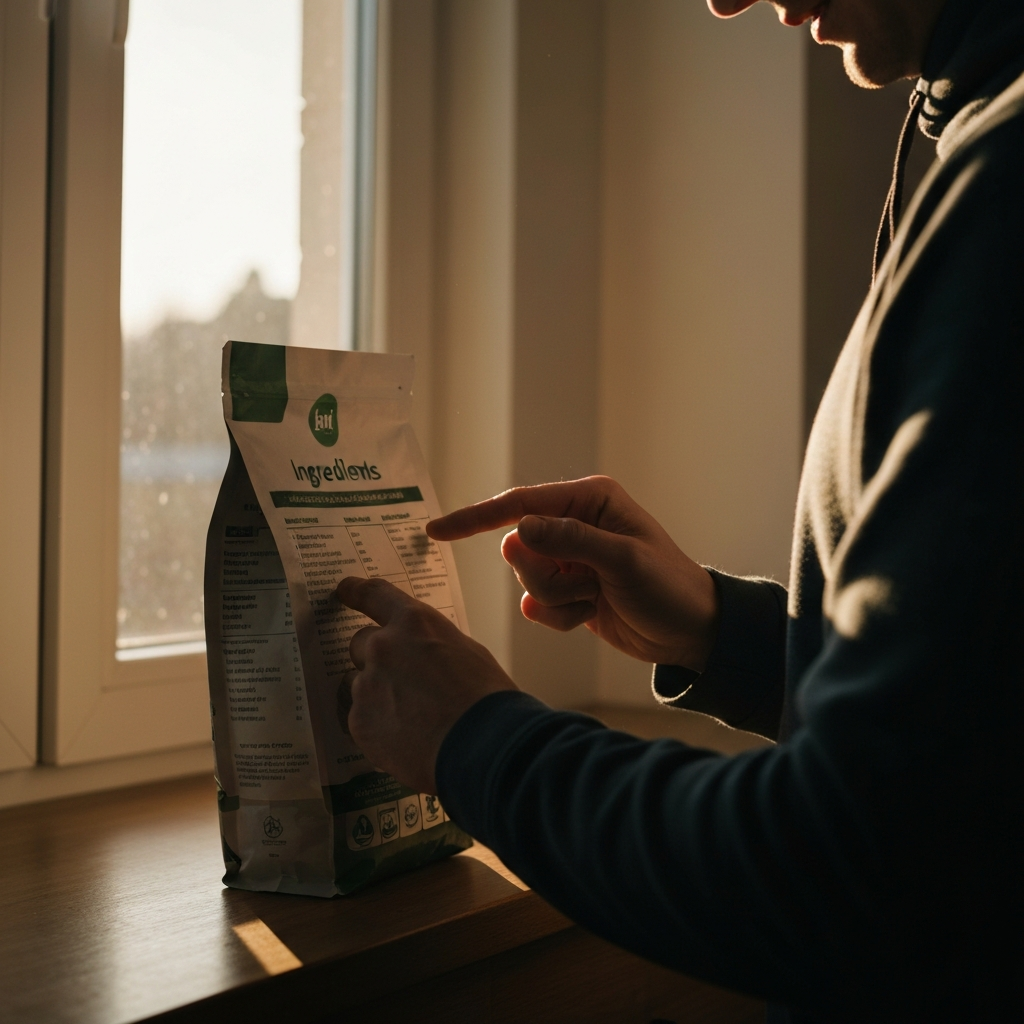
The ingredient list is a crucial tool for evaluating the quality of pet food. While regulations limit the amount of information about ingredient quality, the order of ingredients is determined by weight, with the most abundant ingredients listed first. Pay close attention to the first 5 to 10 ingredients, as they make up the bulk of the food. Look for a named animal protein source, such as chicken, beef, or fish, as the first ingredient. This indicates that the food is primarily based on animal protein, which is essential for cats and dogs.
Be wary of foods that list corn, wheat, or soy as primary ingredients. These are often used as inexpensive fillers and offer limited nutritional value for pets. While some pets may tolerate small amounts of these ingredients, excessive amounts can lead to digestive issues and other health problems. Also, be aware that ingredients high in moisture content (like certain vegetables) will appear higher on the list due to their weight, even if they don't contribute significantly to the overall protein or fat content.
Step 4: Avoiding Unhealthy and Unsafe Ingredients
Certain ingredients are best avoided altogether when choosing pet food. "By-products" are often derived from leftover parts of slaughtered animals and generally of low quality. They may include parts that are not suitable for human consumption, such as feathers, beaks, and intestines. While by-products are not inherently harmful, they are often less nutritious than named meat sources. It's generally preferable to choose foods that use specific meat sources instead.
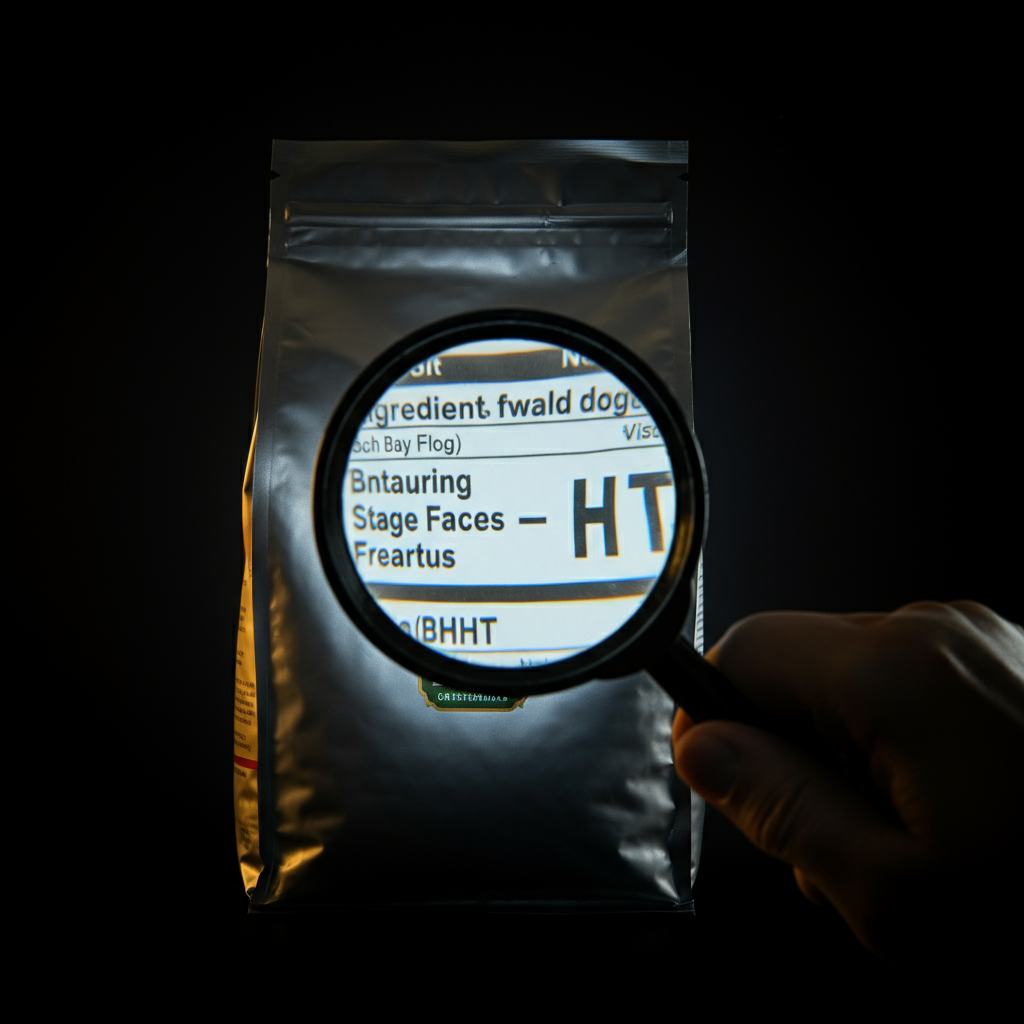
Pay close attention to preservatives. While some preservatives are necessary to prevent spoilage, certain chemical preservatives, such as BHA (butylated hydroxyanisole) and BHT (butylated hydroxytoluene), have raised concerns about potential carcinogenicity. Ethoxyquin is another controversial preservative. While approved for use in pet food, some studies suggest it may be toxic. When possible, opt for foods that use natural preservatives, such as vitamin E (tocopherols) or vitamin C (ascorbic acid).
Step 5: Choosing Quality Ingredients for Optimal Health
Beyond avoiding undesirable ingredients, actively seek out beneficial components that contribute to your pet's overall health. As previously mentioned, a high-quality animal protein source should be the foundation of the food. Look for named meat meals, such as "chicken meal" or "fish meal," as these are concentrated sources of protein that have had most of the moisture removed. Meat-based sources of fat are also crucial for a healthy coat and skin. Omega-3 and omega-6 fatty acids are particularly beneficial. Omega-6 fatty acids, often found in chicken fat, promote skin and coat health. Omega-3 fatty acids, found in fish oil, have anti-inflammatory properties and support cardiovascular health.
Consider the carbohydrate sources. While cats and dogs require fewer carbohydrates than humans, they do provide energy. Choose whole grains, fruits, and vegetables over processed grains like corn or wheat. Fiber is also important for digestive health. Moderately fermentable fibers, such as beet pulp or oat bran, can promote healthy gut bacteria.

Step 6: Considering Grain-Free Diets
Grain-free diets have become increasingly popular in recent years, but it's essential to understand whether they are truly beneficial for your pet. While some pets may have allergies or sensitivities to certain grains, the vast majority of pets do not require a grain-free diet. In fact, recent studies have linked grain-free diets to an increased risk of certain heart conditions in dogs, particularly dilated cardiomyopathy (DCM). Unless your veterinarian specifically recommends a grain-free diet due to a diagnosed allergy or intolerance, it's generally best to stick with a balanced diet that includes grains.
If you are considering a grain-free diet, be sure to discuss the potential risks and benefits with your veterinarian. They can help you determine if it's the right choice for your pet and recommend a reputable brand that meets AAFCO guidelines.

Safety Considerations
If you opt to feed a raw food diet, exercise extreme caution to minimize the risk of bacterial contamination. Always defrost raw food in the refrigerator right before feeding and practice meticulous hygiene when handling raw meat. Clean all surfaces that come into contact with the food, including your pet's bowl, with hot, soapy water. Never leave raw food out at room temperature, and discard any uneaten portions promptly. It's crucial to understand that raw food diets pose a risk of transmitting pathogens to both your pet and yourself.
Pro Tip
Rotate your pet's food periodically. This can help prevent the development of allergies and ensure they are exposed to a wider range of nutrients. Gradually transition to the new food over a period of several days to avoid digestive upset.
FAQ Section
Q: How do I know if my pet has a food allergy?
A: Common signs of food allergies in pets include skin irritation, itching, digestive upset, and ear infections. If you suspect your pet has a food allergy, consult with your veterinarian for diagnosis and treatment.
Q: What is the best way to transition my pet to a new food?
A: Gradually introduce the new food over a period of 7-10 days. Start by mixing a small amount of the new food with your pet's current food and gradually increase the proportion of the new food each day until they are fully transitioned.
Q: Should I supplement my pet's diet with vitamins or minerals?
A: Unless your veterinarian recommends it, supplementing a complete and balanced pet food is generally unnecessary and can even be harmful. Excessive amounts of certain vitamins and minerals can lead to health problems.
Conclusion
Choosing safe and nutritious pet food requires diligence, research, and careful consideration of your pet's individual needs. By understanding the Nutritional Adequacy Statement, researching manufacturers, scrutinizing ingredient lists, and avoiding potentially harmful ingredients, you can make informed decisions that promote your pet's health and well-being. Remember to consult with your veterinarian for personalized recommendations and to address any specific dietary concerns. Your pet's health is an investment worth making, and choosing the right food is a crucial step in ensuring a long, happy, and healthy life together.