Pohela Boishakh, the Bengali New Year, is more than just a date on the calendar; it's a vibrant explosion of culture, tradition, and community spirit. Celebrated on April 14th or 15th according to the Gregorian calendar, it marks the beginning of the Bengali solar calendar and is a time for new beginnings, reflection, and joyous festivities. Whether you're a seasoned celebrant or new to this rich tradition, this guide will provide you with the essential steps to fully embrace the spirit of Pohela Boishakh.
From the historical roots tracing back to the Mughal era and its transformation into a powerful cultural event by Rabindranath Tagore, Pohela Boishakh has become synonymous with colorful processions, traditional attire, delectable cuisine, and a strong sense of unity. It is a time to appreciate the heritage, embrace the future, and strengthen bonds with family, friends, and the wider community. Join us as we delve into the heart of this magnificent festival, providing you with the knowledge and inspiration to create unforgettable memories.
Get ready to immerse yourself in the vibrant tapestry of Bengali culture! From donning traditional attire to participating in lively processions and savoring mouthwatering delicacies, every aspect of Pohela Boishakh is a celebration of life, renewal, and the enduring spirit of the Bengali people. This guide will provide you with a clear, step-by-step approach to make the most of this special day.
Step-by-Step Guide to Celebrating Pohela Boishakh
1. Mark the Date and Plan Ahead
The first step is simple but crucial: mark April 14th or 15th on your calendar. However, merely marking the date isn't enough. Effective celebration requires planning. Consider what aspects of Pohela Boishakh you want to engage with – whether it's attending cultural events, preparing traditional foods, or participating in community gatherings. Early planning allows you to secure tickets, gather necessary materials, and coordinate with family and friends. Check local Bengali community centers or cultural organizations for planned events well in advance as popular events can sell out.

2. Delve into the History and Significance
Before diving into the festivities, take some time to understand the historical context of Pohela Boishakh. Its roots lie in the Mughal era, primarily as a system for tax collection following the solar cycle. The festival, as we know it today, gained prominence and cultural significance through the efforts of Rabindranath Tagore, who transformed it into a symbol of Bengali identity and unity. Understanding the history adds depth and meaning to your celebrations. Read books, articles, or watch documentaries about the evolution of Pohela Boishakh to appreciate its cultural importance and connect more profoundly with the traditions.

3. Dress in Traditional Attire
Embrace the spirit of Pohela Boishakh by dressing in traditional Bengali clothing. For women, this often means a red and white saree, symbolizing purity, prosperity, and new beginnings. Men typically wear a traditional Punjabi or kurta, often in bright colors. Choose comfortable fabrics appropriate for the weather. Consider supporting local artisans by purchasing handmade or traditionally woven clothing. Don’t be afraid to accessorize with traditional jewelry like bangles, necklaces, and anklets to complete the look. Children also participate by dressing up in miniature versions of traditional outfits.
4. Participate in the Mangal Shobhajatra
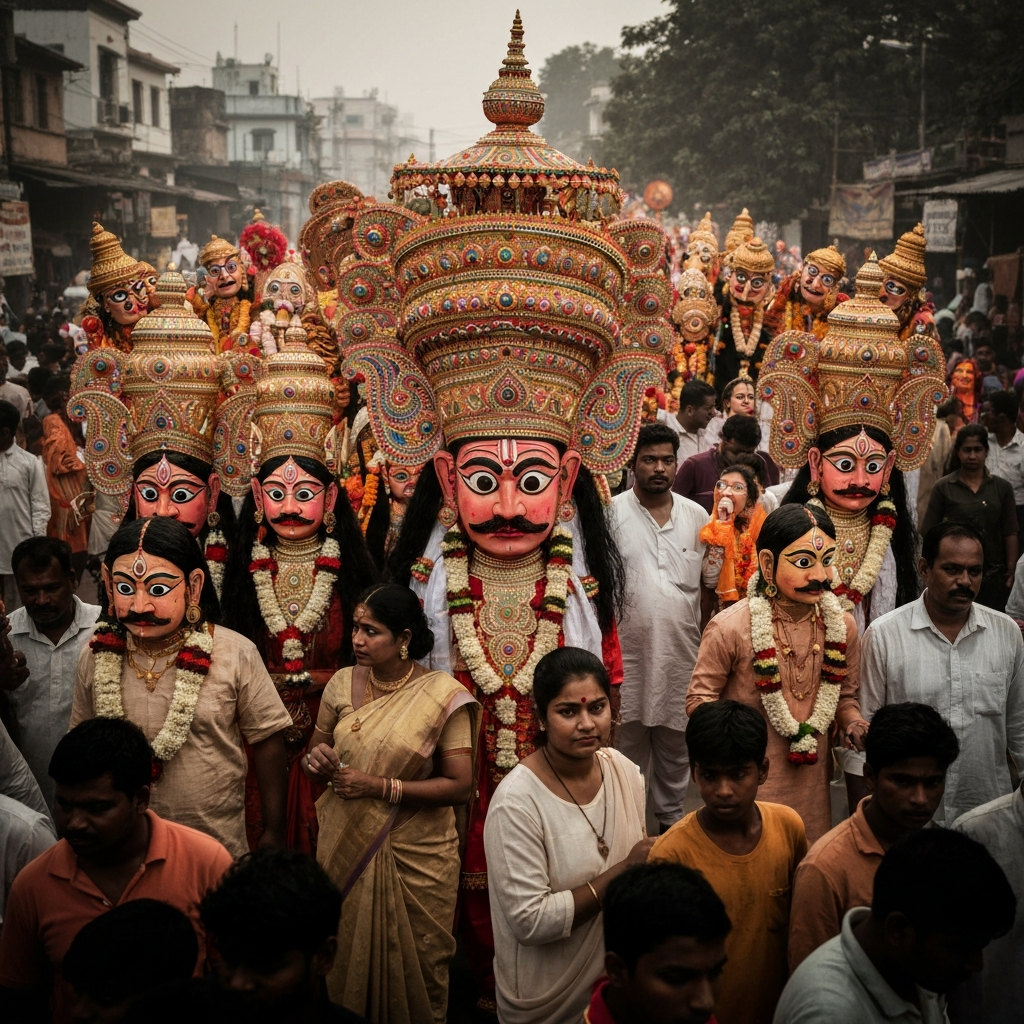
The Mangal Shobhajatra, or the Procession of Good Wishes, is a vibrant and integral part of Pohela Boishakh celebrations, especially in Dhaka, Bangladesh. It's a colorful street procession featuring elaborate masks, floats, and puppets that represent various aspects of Bengali culture and convey messages of peace, unity, and hope. Check the schedule and route of the Mangal Shobhajatra in your area in advance. Consider volunteering to help create the masks and floats, or simply join the procession as a participant. Be mindful of the large crowds and follow safety guidelines provided by organizers.
5. Savor Traditional Bengali Delicacies
No Pohela Boishakh celebration is complete without indulging in traditional Bengali cuisine. Sweet treats like roshogolla, sandesh, and mishti doi are essential. Panta bhat, fermented rice served with fried fish and lentils, is a must-try delicacy symbolizing renewal and transformation. Explore local Bengali restaurants or try your hand at preparing these dishes at home. Be mindful of potential allergies and dietary restrictions when offering food to guests. Consider making smaller portions of various dishes so people can sample a wide range of flavors.
6. Immerse Yourself in Cultural Programs and Fairs
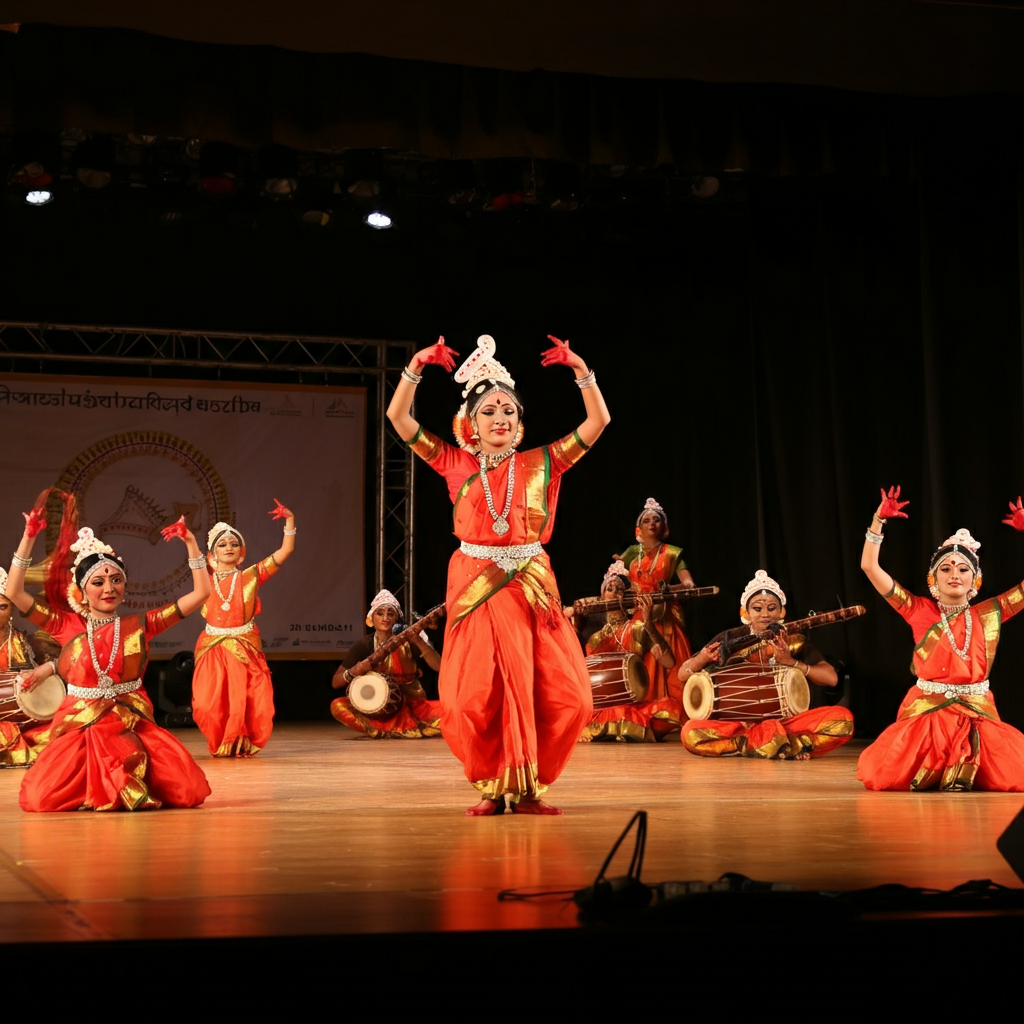
Attend local cultural programs and fairs (Boishakhi Mela) to fully experience the festive atmosphere of Pohela Boishakh. These events often feature folk songs, dances, traditional music performances, and craft stalls showcasing Bengali artistry. Check local community centers, cultural organizations, and event listings for schedules and locations. Arrive early to secure a good spot and avoid long queues. Be respectful of the performers and traditions being showcased. These events provide a fantastic opportunity to learn more about Bengali culture and connect with the community.
7. Create Alpona Designs
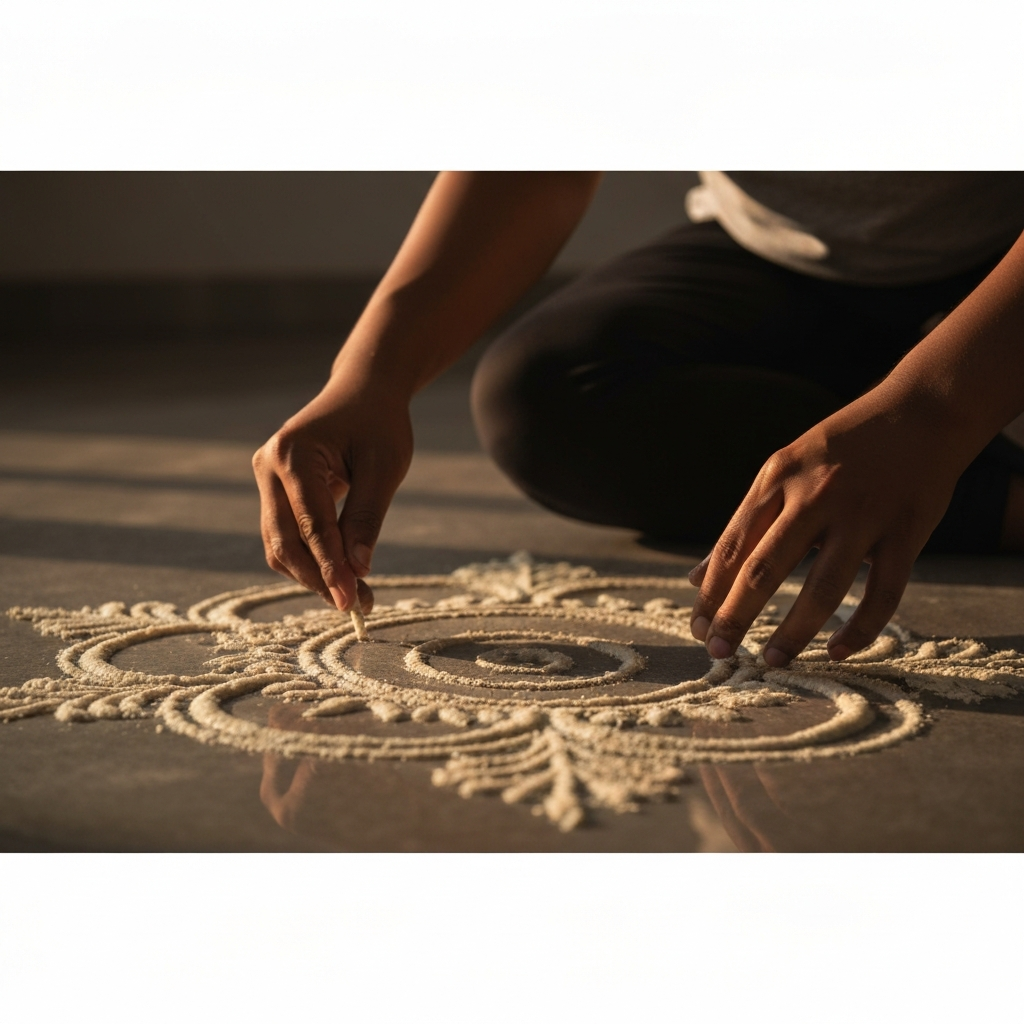
Alpona, intricate and colorful designs made with rice paste, is a significant artistic tradition during Pohela Boishakh. Create alpona designs to decorate your home, courtyard, or public spaces. Use natural rice flour and food coloring for an authentic and eco-friendly approach. Practice your designs beforehand on paper. Invite friends and family to participate in the creation of alpona, making it a collaborative and enjoyable activity. These designs symbolize purity, well-being, and the welcoming of new beginnings.
8. Engage in Traditional Games and Sports
Participate in traditional games and sports during Pohela Boishakh to foster camaraderie and celebrate the playful spirit of the festival. Popular games include sack races, egg-and-spoon races, and traditional board games like Carrom. Ensure a safe playing environment, especially for children. Adapt the games to suit the age and abilities of the participants. Organize friendly competitions with small prizes to encourage participation and add to the excitement.

9. Embrace Renewal and Reflection
Pohela Boishakh is not just about celebrating the new year; it's also a time for reflection and renewal. Take some time to reflect on the past year, acknowledge your accomplishments, and learn from your mistakes. Set positive intentions for the year ahead. Consider engaging in activities that promote personal growth and well-being, such as meditation, journaling, or spending time in nature. Embrace the spirit of renewal by letting go of negativity and approaching the future with optimism and hope.
10. Share the Joy and Extend Hospitality
Extend the spirit of Pohela Boishakh to others by sharing the joy of the festival with friends, neighbors, and acquaintances. Invite them to participate in your celebrations, share traditional foods, and exchange well-wishes. Hospitality is a key element of Bengali culture. Make your guests feel welcome and comfortable. Consider volunteering at a local community event or donating to a charitable organization to spread the spirit of giving and support those in need.
Tools or Materials Required
- Traditional Attire (Saree, Punjabi, Kurta)
- Rice Flour and Food Coloring (for Alpona)
- Traditional Bengali Sweets and Dishes
- Decorations (e.g., Flowers, Rangoli)
- Game Equipment (Sacks, Spoons, Eggs)
Common Mistakes to Avoid
- Ignoring the cultural significance of the traditions.
- Wearing uncomfortable or inappropriate clothing.
- Overindulging in sweets and neglecting healthy eating habits.
- Neglecting safety precautions during games and events.
- Failing to plan ahead and missing out on key events.
Safety Considerations
- Supervise children closely during games and processions.
- Be mindful of your surroundings in crowded areas.
- Choose reputable vendors for street food.
- Stay hydrated, especially in warm weather.
- Inform someone of your whereabouts if attending large events.
Pro Tips
- Learn a few basic Bengali greetings to show respect and engage with the community.
- Take photos and videos to capture the memories of your celebrations.
- Support local Bengali businesses and artisans.
- Consider attending workshops or classes to learn more about Bengali culture.
- Most importantly, embrace the spirit of joy, unity, and renewal.
FAQ Section
Q: What is the significance of the red and white saree?
A: The red and white saree symbolizes purity, prosperity, and new beginnings, making it a popular choice for women during Pohela Boishakh.
Q: Where can I find traditional Bengali sweets?
A: You can find traditional Bengali sweets at local Bengali restaurants or specialty sweet shops. You can also try making them at home using online recipes.
Q: How can I participate in the Mangal Shobhajatra if I don't live in Dhaka?
A: Check with local Bengali community centers and cultural organizations in your area to see if they are organizing a Mangal Shobhajatra or a similar procession.
Conclusion
Celebrating Pohela Boishakh is an enriching experience that allows you to immerse yourself in the vibrant tapestry of Bengali culture. By following this step-by-step guide, you can fully embrace the spirit of this joyous festival, creating lasting memories and strengthening your connection with family, friends, and the community. Remember to plan ahead, dress traditionally, savor the delicious food, and participate in the cultural activities. Most importantly, embrace the spirit of renewal, unity, and goodwill that defines Pohela Boishakh. Shubho Noboborsho! (Happy New Year!)