The Mid-Autumn Festival, also known as the Moon Festival or Zhongqiu Festival, is a cherished tradition celebrated across many Asian cultures. Occurring on the 15th day of the 8th month of the lunar calendar, it typically falls in September or October, coinciding with the year's brightest and fullest moon. This festival is a time for family reunions, gratitude for the harvest, and the appreciation of the moon's beauty.
More than just a holiday, the Moon Festival is deeply rooted in history and mythology, particularly the legend of Chang'e, the Moon Goddess. Central to the celebration are mooncakes, symbolic pastries representing completeness and unity. But the festival encompasses much more, including lantern displays, family dinners, and honoring ancestors.
This guide provides a step-by-step approach to experiencing the Moon Festival, whether you're familiar with the customs or entirely new to this vibrant celebration. From preparing traditional foods to creating festive decorations and understanding the cultural significance, we'll help you create a memorable and meaningful Moon Festival.
Step 1: Prepare or Purchase Mooncakes
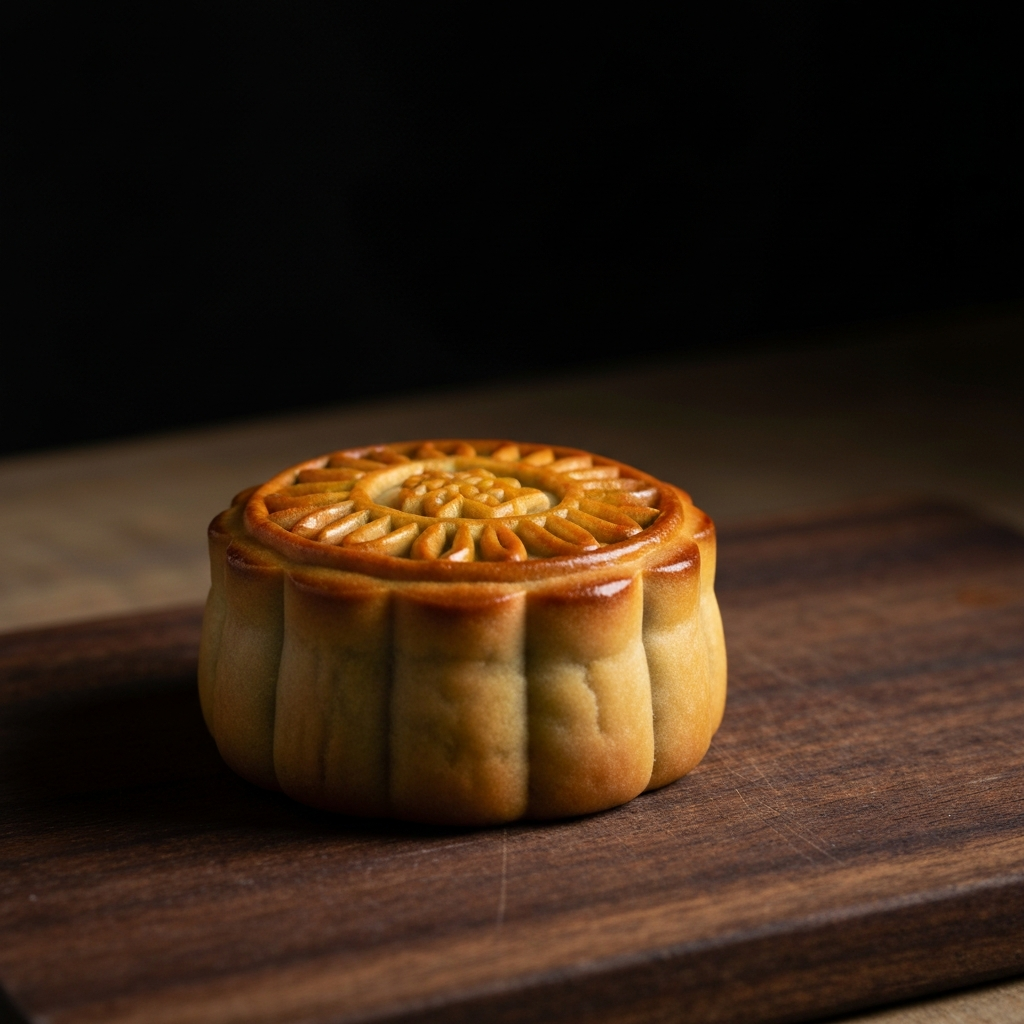
No Moon Festival is complete without mooncakes! These round pastries symbolize completeness and family reunion. They typically consist of a sweet, dense filling encased in a thin crust. Traditional fillings include lotus seed paste, red bean paste, or jujube paste, and often contain salted duck egg yolks representing the full moon.
You can find mooncakes at most Chinese bakeries or Asian grocery stores leading up to the festival. For a truly immersive experience, consider making your own! While the process can be time-consuming, the satisfaction of creating these traditional treats from scratch is immense. Homemade mooncakes also make heartfelt gifts for family and friends. If baking, be mindful of regional variations in recipes and fillings. Some people prefer savory mooncakes, while others enjoy modern variations with ice cream or custard fillings.
Step 2: Craft Festive Lanterns
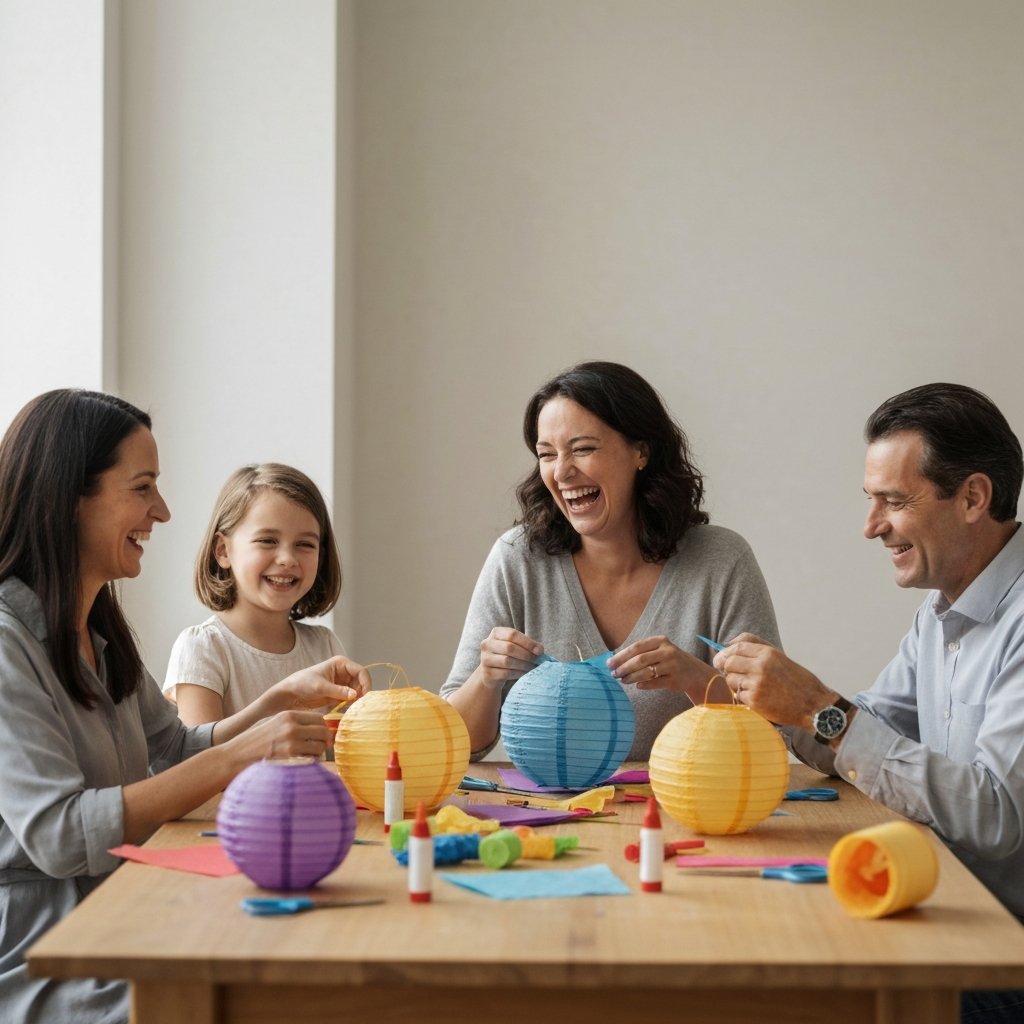
Lanterns are an integral part of the Moon Festival, symbolizing hope, good fortune, and illumination. Historically, they were used for lighting pathways during moon gazing. Today, lanterns come in various shapes, sizes, and designs, often adorned with intricate patterns, calligraphy, or depictions of mythical creatures.
Making lanterns is a fun and engaging activity for the whole family, especially children. You can create simple paper lanterns, more elaborate wooden-framed lanterns, or even repurpose everyday materials like empty cans or plastic bottles. Battery-operated LED lights are a safe and convenient alternative to candles, particularly when children are involved. When decorating your lantern, consider adding personal touches such as family names, wishes for good luck, or drawings that represent the Moon Festival.
Step 3: Plan a Traditional Family Dinner
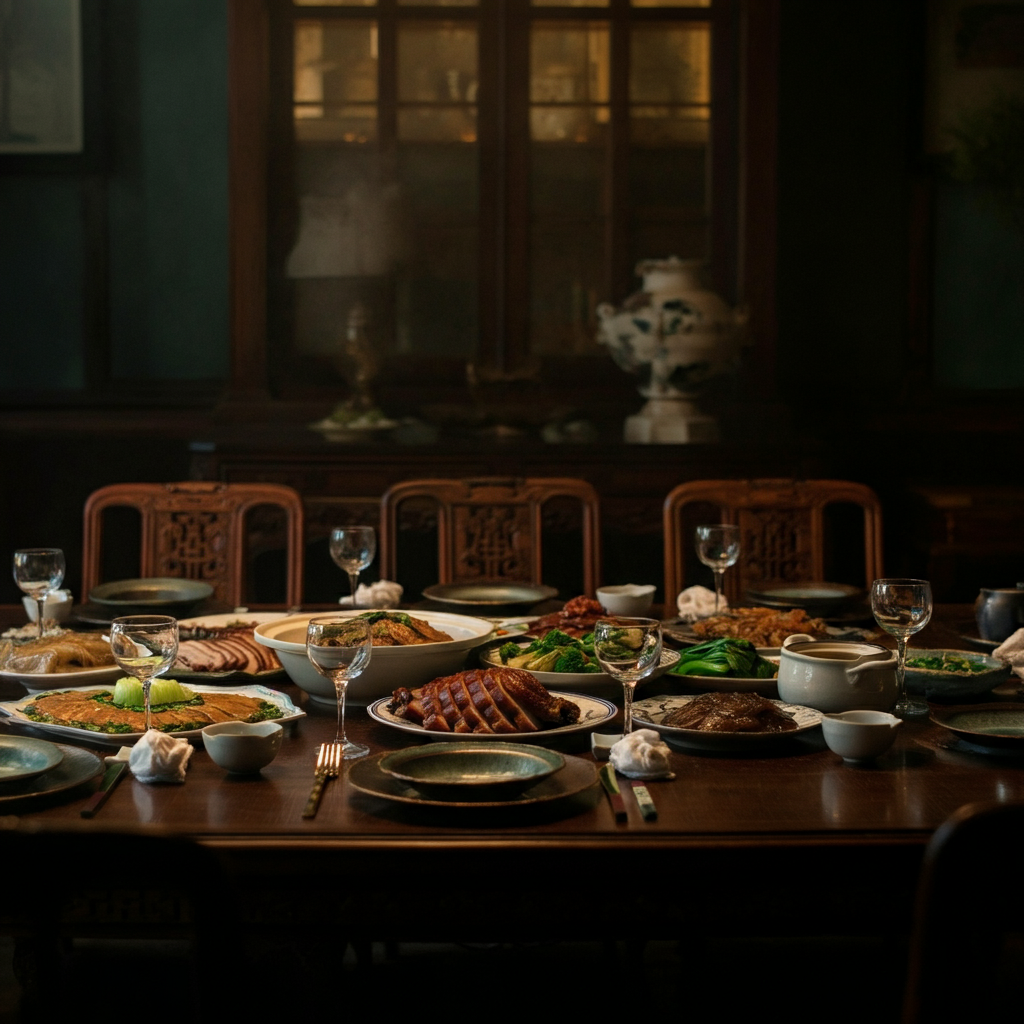
The Moon Festival is a time for family reunions and shared meals. Planning a traditional dinner is a crucial element of the celebration. The menu often features dishes that symbolize prosperity, longevity, and togetherness.
Popular dishes include roast pork, whole chicken, fish (representing abundance), and seasonal vegetables. Round fruits, such as pomelos, Asian pears, and grapes, are also commonly served, their shape symbolizing the full moon and family unity. Rice dishes, often sticky rice, are another staple. The dinner should be a collaborative effort, with family members contributing dishes or helping with the preparation. Consider incorporating dishes that have special meaning to your family or that represent your regional culinary traditions.
Step 4: Set Up an Honor Table
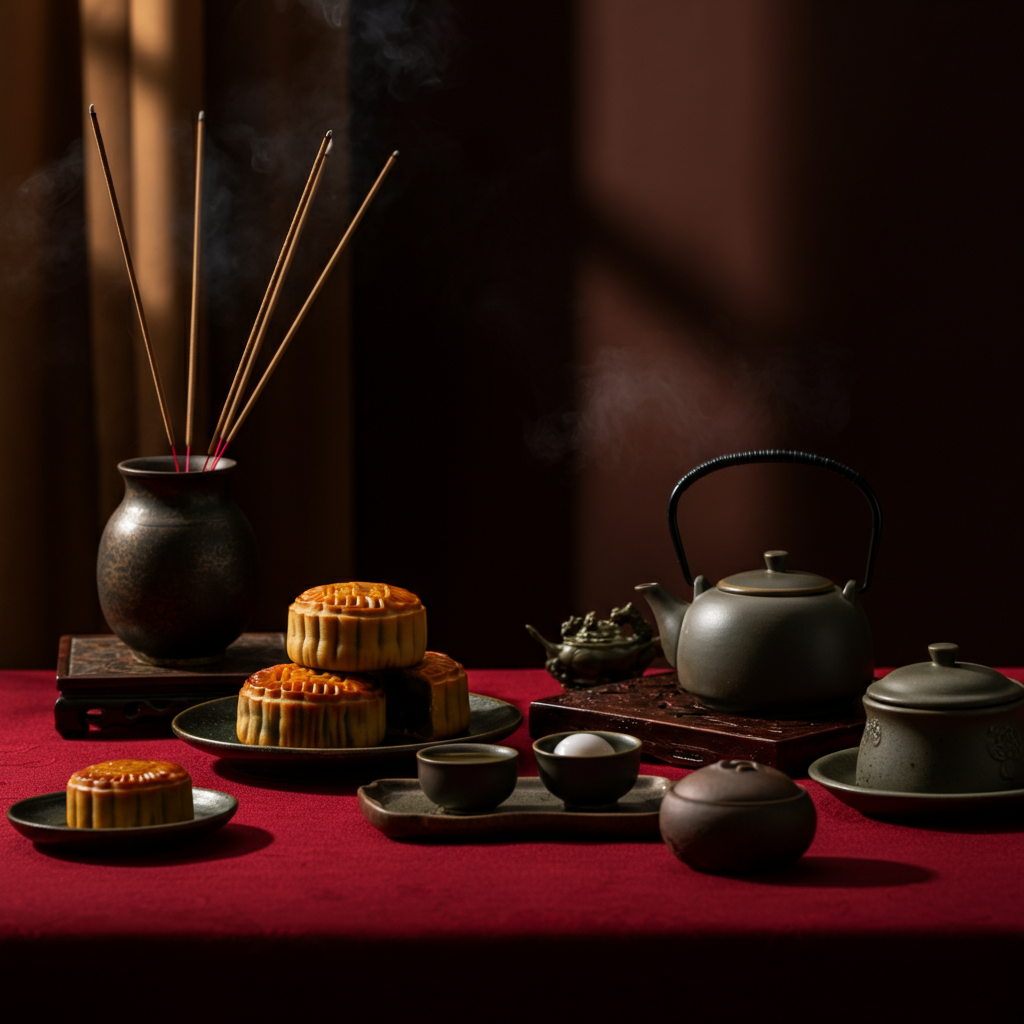
Honoring ancestors is an essential aspect of the Moon Festival. Setting up an honor table is a respectful way to pay tribute to those who came before us. The honor table is typically a small table or dedicated space where offerings are placed.
Traditionally, the honor table includes mooncakes, fruits (especially round fruits), tea, and incense. Candles are also lit to symbolize remembrance and guidance. Before the meal, offer incense and bow three times in front of the honor table as a sign of respect. Explain the significance of honoring ancestors to younger family members to help them understand and appreciate the cultural traditions. You can also display photographs of deceased family members on the table.
Step 5: Moon Gazing and Storytelling
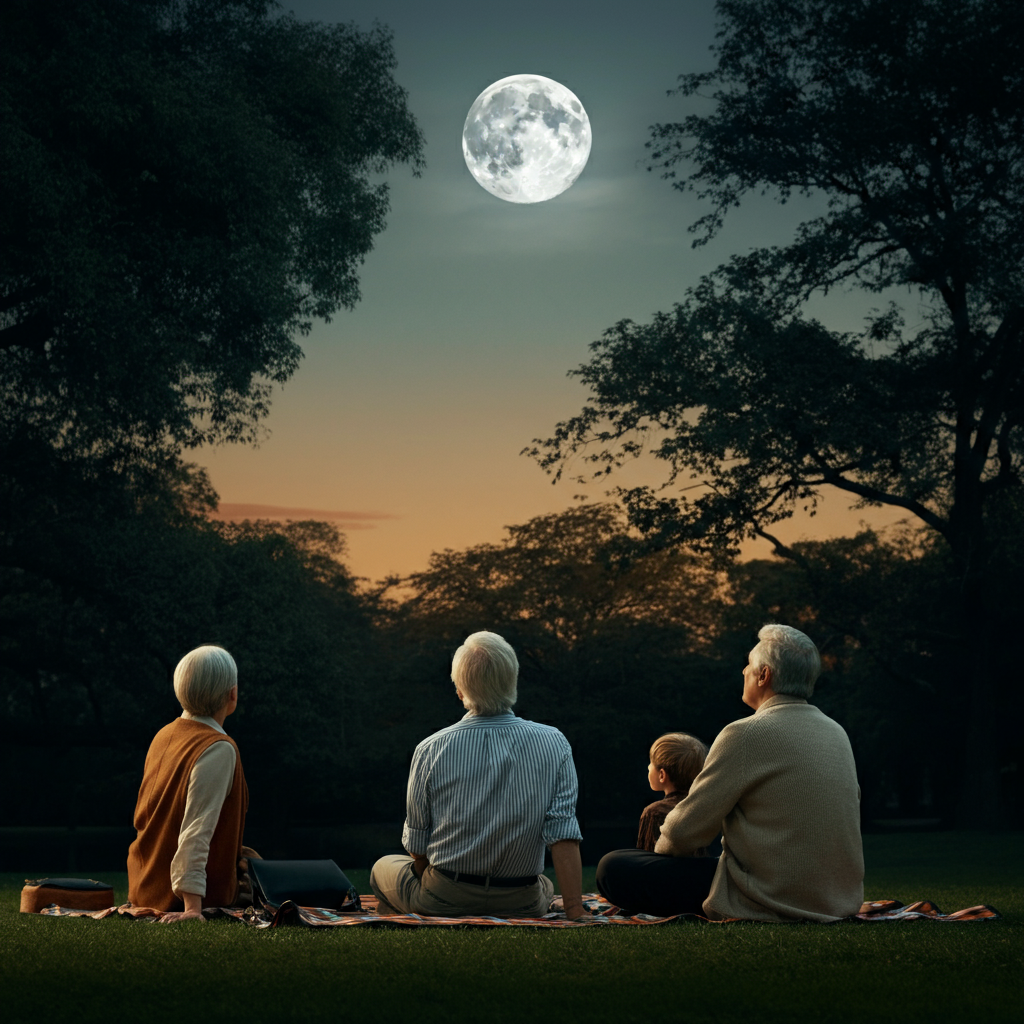
After dinner, gather outdoors to admire the full moon, the centerpiece of the Moon Festival. Moon gazing is a time for quiet reflection, appreciation of nature's beauty, and family bonding. Find a comfortable spot with an unobstructed view of the moon.
Share stories and legends related to the Moon Festival, such as the tale of Chang'e, the Moon Goddess, or the story of the Jade Rabbit. Encourage family members to share their own memories and experiences related to the festival. This is a wonderful opportunity to connect with loved ones, strengthen family ties, and pass on cultural traditions to future generations. Remember that the full moon is a symbol of unity and completeness, so cherish the time spent with your family.
Step 6: Share Family Stories and Traditions
The Moon Festival is a perfect time to share family stories and traditions with children. It’s an opportunity to connect them with their heritage and instill in them a sense of belonging. Family histories, personal anecdotes, and cultural stories bring the festival to life and make it more meaningful for younger generations.
Share stories about ancestors, past Moon Festival celebrations, or traditional customs. Read Chinese poetry or folktales related to the moon or the festival. Let children carry their lanterns and participate in the festivities. Encouraging children to ask questions and express their curiosity can help them learn and appreciate the cultural significance of the Moon Festival. Creating lasting memories and strengthening family bonds are at the heart of this tradition.

Tools or Materials Required
- Mooncake molds (optional, for homemade mooncakes)
- Lantern-making supplies (paper, bamboo sticks, glue, scissors, LED lights or candles)
- Ingredients for traditional dishes
- Tablecloth and decorations for the honor table
- Tea set
- Incense and candle holder
Common Mistakes to Avoid
- Forgetting to purchase or prepare mooncakes in advance.
- Using candles without proper safety precautions, especially around children.
- Neglecting to honor ancestors.
- Overlooking the opportunity to share stories and traditions with family members.
FAQ Section
- What if I can't be with my family for the Moon Festival?
- Make an effort to connect with them virtually through video calls or phone calls. Share your wishes and memories, and perhaps even enjoy mooncakes together remotely.
- Are there any regional variations in Moon Festival celebrations?
- Yes, different regions and communities may have their own unique customs and traditions. Research the specific traditions associated with your heritage or community.
- Can I celebrate the Moon Festival even if I'm not of Chinese or Asian descent?
- Absolutely! The Moon Festival is a beautiful celebration of family, gratitude, and the natural world. Everyone is welcome to participate and appreciate its cultural significance.
Conclusion
Celebrating the Chinese Moon Festival is an enriching experience that brings families together, honors ancestors, and celebrates the beauty of the full moon. By preparing traditional foods, crafting festive decorations, and sharing stories and traditions, you can create a memorable and meaningful celebration. Remember that the essence of the Moon Festival lies in family unity, gratitude, and the appreciation of cultural heritage. May your Moon Festival be filled with joy, laughter, and cherished moments with your loved ones. 中秋快乐 (Zhōngqiū kuàilè)! Happy Mid-Autumn Festival!