January marks National Hobby Month, a perfect time to explore new interests or rekindle a love for existing pastimes. In the bustle of everyday life, hobbies often get sidelined. But dedicating time to enjoyable activities can significantly reduce stress, boost creativity, and enhance overall well-being. This month is dedicated to recognizing the importance of hobbies and encouraging everyone to find something they love to do during their leisure time.
Whether you're a seasoned enthusiast or a curious beginner, National Hobby Month provides the ideal opportunity to dive deeper into your passions. From collecting stamps to coding complex programs, the possibilities are endless. The key is to find something that genuinely excites and engages you, allowing you to unwind, learn, and grow outside of your professional and familial responsibilities.
This guide will walk you through the steps to discover or rediscover your hobby, connect with like-minded individuals, and even potentially monetize your skills. Let's make this January a month of creativity, exploration, and fun!
-
Step 1: Identify Your Current Interests
The first step is to understand what you already enjoy. Think about activities that make you lose track of time, even for a short period. Consider your childhood interests, past passions, or even subjects you find fascinating but haven't actively pursued. Take a personal inventory: what kind of books, movies, or art do you gravitate towards? Are you naturally drawn to problem-solving, creating, or connecting with others? Sometimes, reflecting on these preferences can reveal hidden talents or dormant interests waiting to be explored.

-
Step 2: Brainstorm Related Activities
Once you've identified your core interests, brainstorm related activities. For instance, if you enjoy cooking, perhaps you'd be interested in baking, cake decorating, or food photography. If you love hiking, maybe you'd also enjoy rock climbing, camping, or birdwatching. Expanding on your existing interests can lead to unexpected discoveries and broaden your horizons. Draw up a list of different facets to the original hobby. For example, if you are into photography, consider animal photography versus street photography, or even astrophotography.

-
Step 3: Explore Online Resources
The internet is a treasure trove of information and inspiration for hobbyists. Platforms like Pinterest, YouTube, and dedicated hobby forums are excellent places to discover new ideas and learn new skills. Pinterest is particularly useful for visual inspiration, while YouTube offers countless tutorials and demonstrations. Explore specific search terms related to your interests, and don't be afraid to dive down rabbit holes – you never know what you might find. Read product reviews to avoid investing in useless supplies.

-
Step 4: Seek Recommendations from Friends and Family
Reach out to your social circle and inquire about their hobbies. You might be surprised to learn about hidden talents or shared interests among your friends and family. Talking to others can provide valuable insights, practical advice, and even potential collaboration opportunities. Plus, learning a new hobby with a friend or family member can make the experience even more enjoyable and motivating. Ask specifically about what they enjoy, and any beginner mistakes they made.

-
Step 5: Commit to Your Chosen Hobby
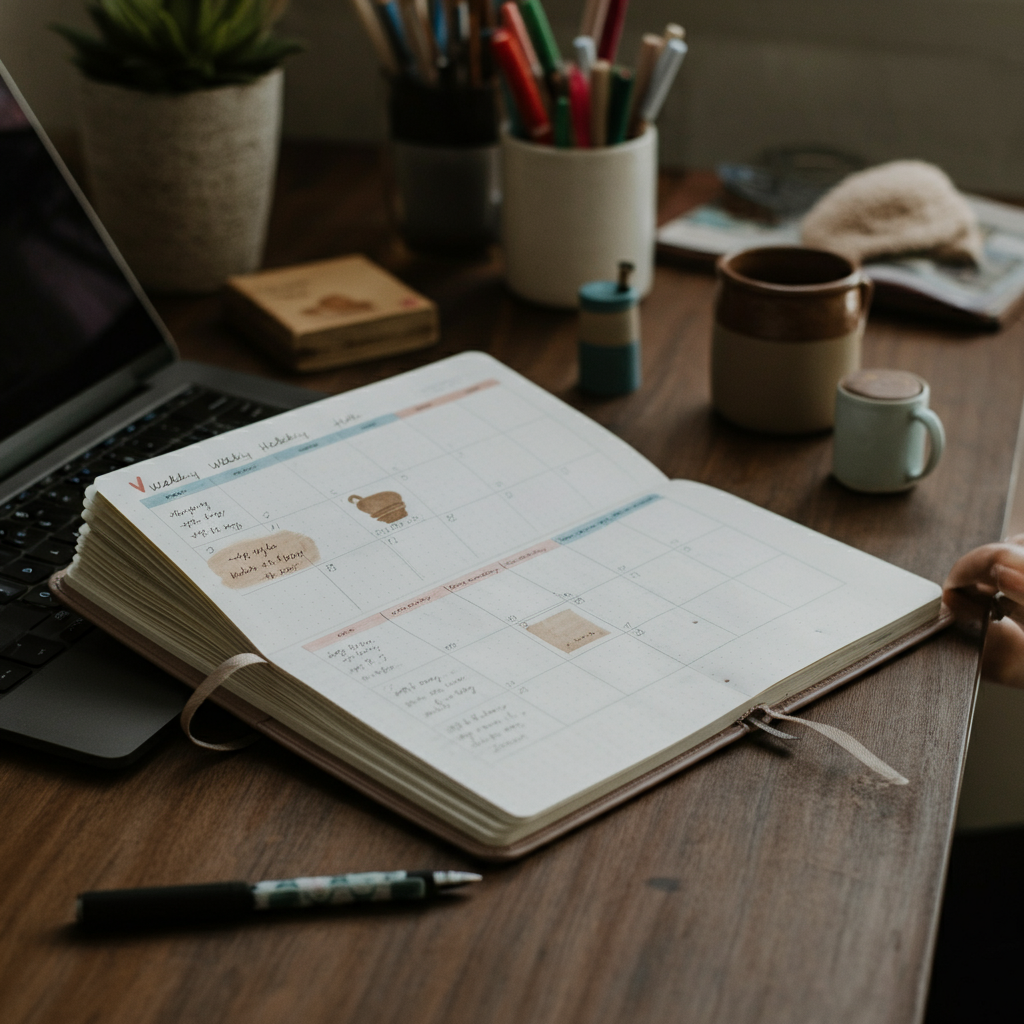
Once you've chosen a hobby, make a conscious commitment to dedicate time and effort to it. Treat it as an important appointment in your schedule, and resist the urge to constantly postpone it. Start small, setting realistic goals and gradually increasing the frequency and duration of your practice sessions. Remember that consistency is key to developing your skills and maintaining your interest. Also, remember not to be discouraged if you don't immediately excel – every expert was once a beginner.
-
Step 6: Find a Hobby Buddy
Connecting with someone who shares your passion can significantly enhance your motivation and enjoyment. A hobby buddy can provide support, encouragement, and accountability, helping you stay on track and overcome challenges. Consider joining online forums, local clubs, or workshops to meet like-minded individuals. Sharing your experiences and learning from others can enrich your hobby journey and create lasting connections. Sites like Meetup can also help you find a local club for your hobby.

-
Step 7: Consider Taking a Class or Workshop
Structured learning can be a great way to accelerate your progress and gain a solid foundation in your chosen hobby. Many community centers, craft stores, and online platforms offer classes and workshops for a wide range of interests. A qualified instructor can provide expert guidance, personalized feedback, and a supportive learning environment. Look for classes that suit your skill level and learning style, and be open to trying new techniques and approaches.

-
Step 8: Evaluate and Adjust
After dedicating some time to your new hobby, take a step back and evaluate your experience. Are you genuinely enjoying the activity? Are you making progress and feeling challenged? Are you finding value and fulfillment in it? If you're not satisfied, don't be afraid to adjust your approach or even try a different hobby altogether. The goal is to find something that brings you joy and enriches your life, so don't settle for anything less.

-
Step 9: Explore Monetization Opportunities (Optional)
If you become proficient in your hobby, you might consider exploring opportunities to monetize your skills. Selling your creations, teaching workshops, or offering freelance services are just a few of the ways to turn your passion into profit. Platforms like Etsy, eBay, and online marketplaces provide avenues for showcasing your work and reaching a wider audience. However, remember that the primary goal should be enjoyment, and monetization should only be pursued if it aligns with your values and doesn't diminish your passion.
Pro Tips
- Don't be afraid to experiment and try new things. The more you explore, the more likely you are to discover a hobby you truly love.
- Set realistic expectations and don't get discouraged by initial challenges. Every skill takes time and effort to develop.
- Connect with other hobbyists to share your experiences and learn from their insights.
- Make time for your hobby, even when you're busy. It's an investment in your well-being and can help you manage stress.
- Celebrate your progress and reward yourself for milestones achieved.
FAQ Section
- What if I don't have any hobbies?
- That's perfectly fine! National Hobby Month is the perfect opportunity to explore different interests. Start by thinking about what you enjoy doing in your free time, even if it's just watching movies or listening to music. Then, research related activities that might spark your interest.
- How much time should I dedicate to my hobby?
- That depends on your individual circumstances and preferences. Start with small, manageable chunks of time, such as 30 minutes a few times a week, and gradually increase the duration as you become more engaged. The key is to find a balance that fits your lifestyle and doesn't feel overwhelming.
- What if I lose interest in my hobby?
- It's normal to lose interest in hobbies from time to time. If this happens, don't be discouraged. Simply try a different activity or take a break from your current hobby and revisit it later. The important thing is to keep exploring and finding activities that bring you joy.
Safety Considerations
When starting a new hobby, be sure to prioritize safety. Research any potential hazards associated with your chosen activity and take appropriate precautions. Wear protective gear, follow instructions carefully, and seek guidance from experienced individuals if needed. For instance, woodworking requires eye protection and a dust mask, while certain art mediums may require ventilation. Being mindful of safety will help you avoid injuries and enjoy your hobby without worry.
Common Mistakes to Avoid
One common mistake is setting unrealistic expectations. It's important to remember that mastering a hobby takes time and effort. Another mistake is comparing yourself to others. Focus on your own progress and celebrate your achievements, no matter how small. Finally, avoid getting bogged down in perfectionism. The goal is to enjoy the process, not to achieve flawless results.
In conclusion, National Hobby Month is a wonderful time to discover or rediscover the joys of pursuing your passions. By following these steps, you can find a hobby that enriches your life, connects you with others, and potentially even provides opportunities for personal and professional growth. So, embrace this month as a chance to explore new horizons, unleash your creativity, and celebrate the power of hobbies!