Eid, meaning "festival" or "feast," is a joyous occasion celebrated by Muslims worldwide. It marks significant events in the Islamic calendar and is observed twice a year: Eid al-Fitr and Eid al-Adha. These celebrations are not just holidays; they are deeply spiritual and communal events, filled with prayer, reflection, family gatherings, and acts of charity.
While both Eids share common threads of faith and festivity, they each have unique traditions and significance. Eid al-Fitr, often called the "Festival of Breaking the Fast," celebrates the end of Ramadan, the holy month of fasting. It's a time of immense gratitude and rejoicing after a period of spiritual discipline. Eid al-Adha, or the "Festival of Sacrifice," commemorates Prophet Ibrahim's (Abraham's) willingness to sacrifice his son as an act of obedience to God. It also coincides with the Hajj pilgrimage to Mecca.
This guide provides a comprehensive overview of how to celebrate both Eid al-Fitr and Eid al-Adha, ensuring you understand the meaning behind each tradition and can fully participate in the festivities. Whether you're a lifelong Muslim or simply curious about these important holidays, this guide will offer valuable insights.
Step 1: Determine Which Eid is Being Celebrated
The first step is to identify which Eid is approaching: Eid al-Fitr or Eid al-Adha. Eid al-Fitr always marks the end of Ramadan and falls on the first day of Shawwal, the month following Ramadan. Eid al-Adha occurs later in the Islamic year, coinciding with the end of the Hajj pilgrimage, typically on the 10th day of Dhul Hijjah. Since the Islamic calendar is lunar, the dates of Eid shift each year according to the Gregorian calendar. Check reliable Islamic calendars or consult with your local mosque to confirm the exact dates for the current year.
Step 2: Prepare for Eid al-Fitr: Spiritual Cleansing and Adornment
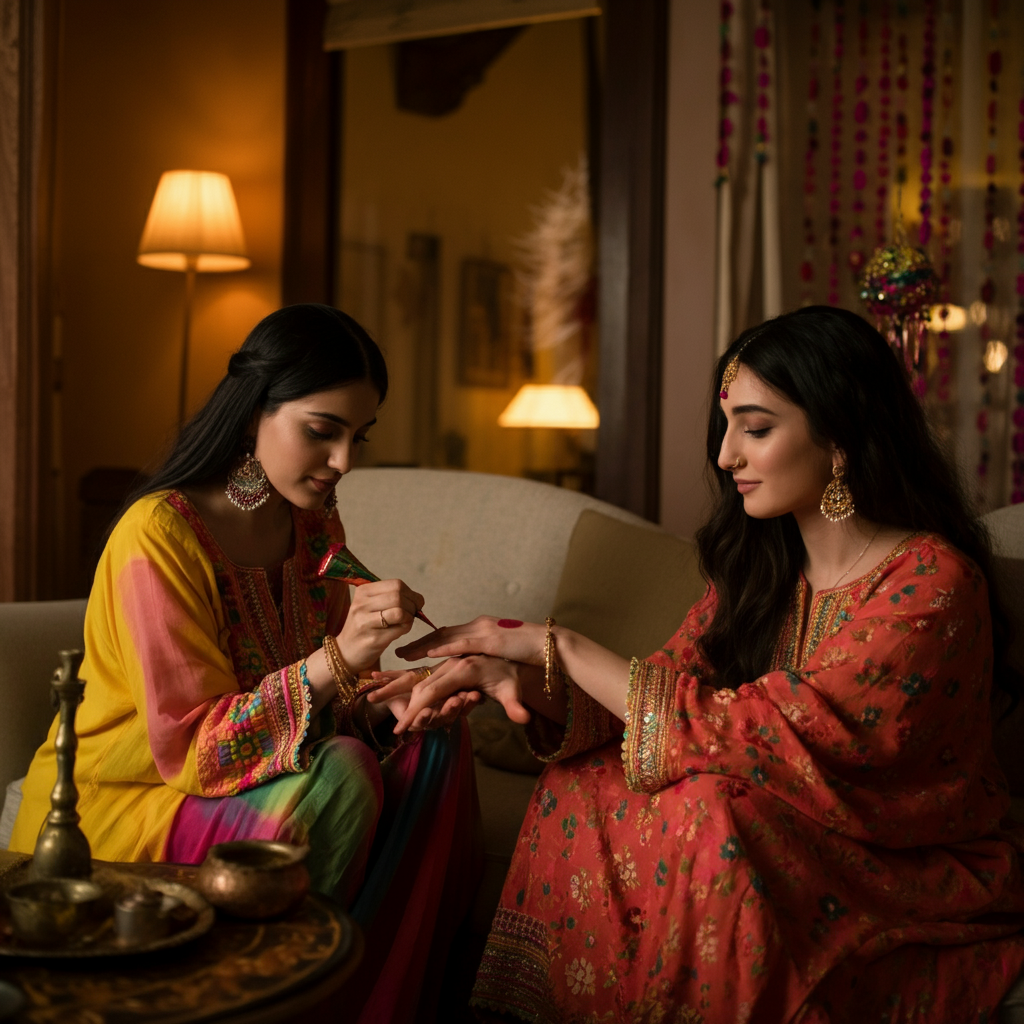
For Eid al-Fitr, begin the day with a ritual bath or shower, known as ghusl, to purify yourself spiritually and physically. Dress in your finest clothing, preferably new or well-kept garments. Applying perfume or cologne is also encouraged to present yourself in the best possible manner. The focus is on cleanliness, presentability, and expressing joy and gratitude for the blessings received during Ramadan. Some cultures also have traditions like applying henna designs, particularly among women in South Asia.
Step 3: Break Your Fast and Enjoy a Morning Meal
Since Eid al-Fitr signifies the end of Ramadan's fasting period, it is forbidden to fast on this day. Break your fast shortly after sunrise with a meal. Following the example of Prophet Muhammad (peace be upon him), it's customary to start with an odd number of dates, usually one or three. While there isn't a specific Eid breakfast requirement, many cultures have traditional dishes like Balaleet (an omelet with vermicelli), Sheer Khurma (vermicelli with dates and milk), or Sajiyeh (a pan-fried beef dish). Arabic coffee is also a common beverage served during both Eids.

Step 4: Attend the Eid Prayer
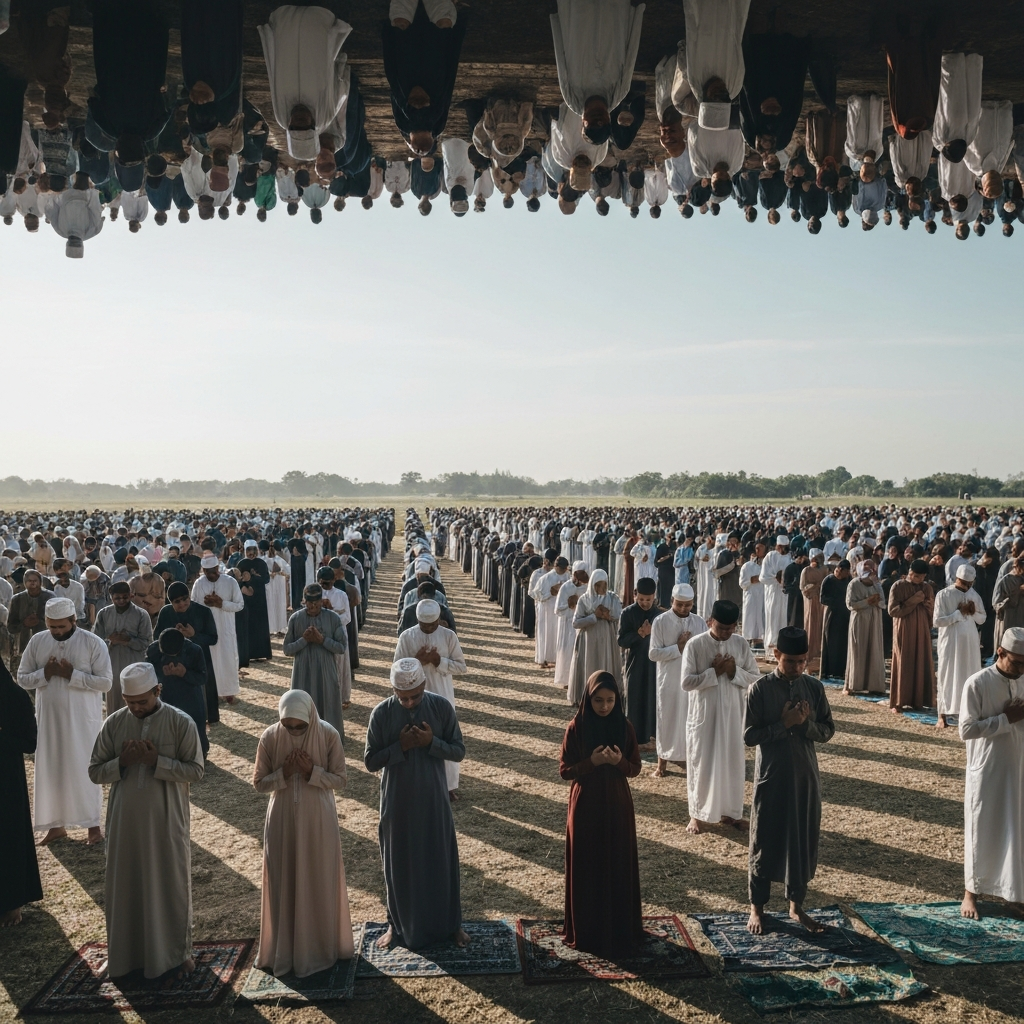
One of the most important aspects of Eid is attending the special Eid prayer held in the morning. Imams lead these prayers in mosques, open fields, or large venues. The prayer typically includes special supplications and a sermon (khutbah) delivered by the Imam. It is highly encouraged for everyone, including children, to participate in the Eid prayer. After the prayer, it is customary to greet fellow worshippers with "Eid Mubarak," which translates to "Blessed Eid," and embrace one another. In recent years, some have opted to attend prayers virtually or limit celebrations to within their households, but attending in person when possible is highly valued.
Step 5: Indulge in Sweet Treats and Festive Meals
Eid al-Fitr is often referred to as the "Sweet Holiday" due to the tradition of enjoying sweet foods to celebrate the end of fasting. Mosques might offer sweets before or after the Eid prayer, but many families also prepare desserts at home. While there are no specific food requirements beyond adhering to halal guidelines, regional traditions abound. Popular choices include dates, halwa, falooda, cookies with milk, baklava, and vermicelli noodles. Throughout the day, continue the celebration with larger meals shared with family and friends, featuring meat, rice, and other delicious dishes.
Step 6: Give Gifts and Practice Charity
Giving gifts to children and those in need is a central part of Eid al-Fitr. Adults often give money or small gifts to children and young people, and families may exchange gifts with one another. It is also a religious obligation (Zakat al-Fitr) for every capable Muslim to give to the poor on this day, ensuring that everyone can participate in the Eid festivities. This contribution can take the form of money, food, or clothing, and should be equivalent to the cost of a meal.
Step 7: Prepare for Eid al-Adha: Reflection and Intention
Eid al-Adha commemorates Prophet Ibrahim's willingness to sacrifice his son as an act of obedience to God and marks the end of the Hajj pilgrimage. Begin by reflecting on the meaning of sacrifice and devotion. Intention (niyyah) is crucial in Islam; make a sincere intention to celebrate this Eid in a way that is pleasing to God and beneficial to others. The celebrations for Eid al-Adha last for multiple days, so be prepared for an extended period of festivities.
Step 8: Attend the Eid Prayer for Eid al-Adha
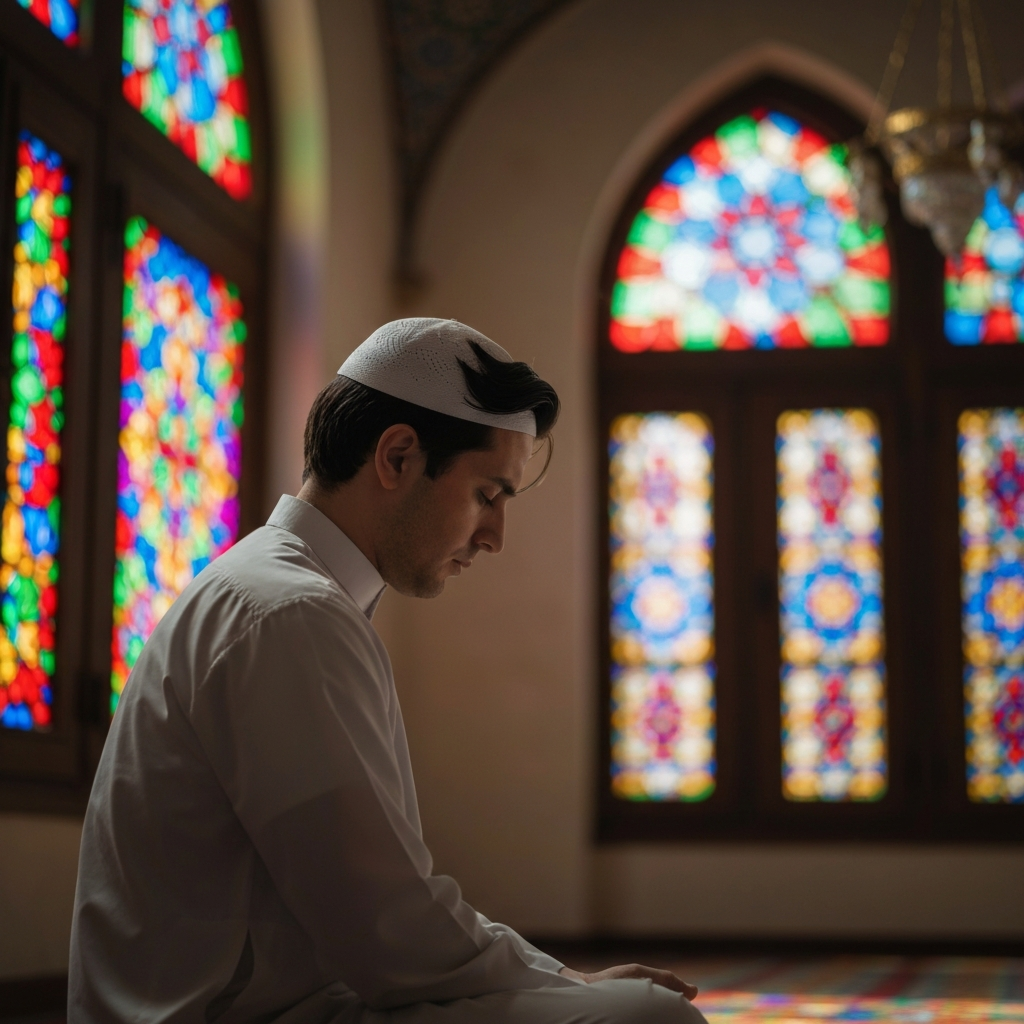
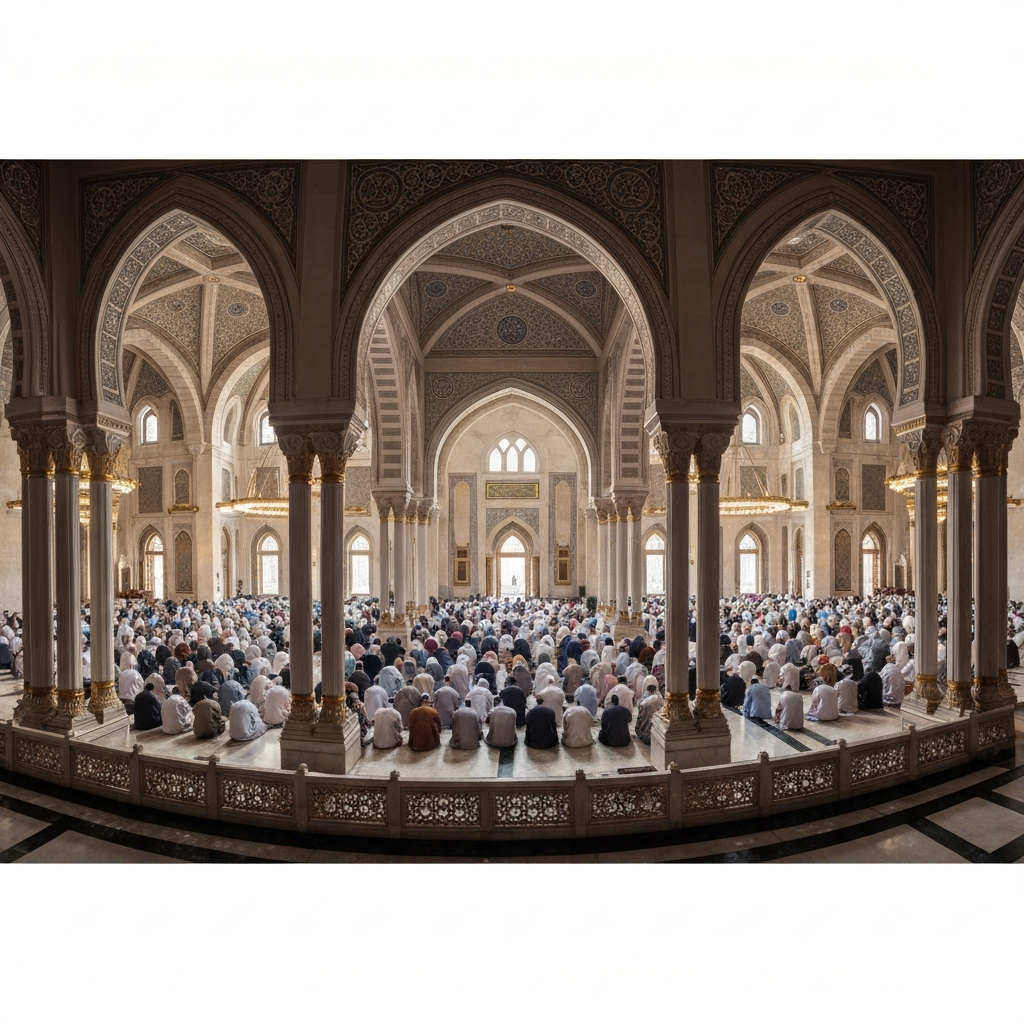
Similar to Eid al-Fitr, attending the Eid prayer is a central part of Eid al-Adha celebrations. Muslims gather in mosques or open spaces for a special prayer service followed by a sermon. Dress in your best attire and arrive early to secure a good spot. Listen attentively to the sermon and reflect on its message of sacrifice, faith, and community.
Step 9: Perform the Sacrifice (Qurbani)
The most distinctive aspect of Eid al-Adha is the ritual sacrifice of an animal (Qurbani), typically a sheep, goat, cow, or camel. This sacrifice commemorates Prophet Ibrahim's willingness to sacrifice his son. The animal must be healthy and meet specific criteria outlined in Islamic law. The meat is then divided into three portions: one-third for the family, one-third for relatives and friends, and one-third for the poor and needy. If you cannot perform the sacrifice yourself, you can donate money to a reputable organization that will perform the sacrifice on your behalf and distribute the meat to those in need.
Step 10: Distribute the Meat and Share a Meal
After the sacrifice, distribute the meat to family, friends, and those in need. Sharing the meat is a way of spreading joy and ensuring that everyone can partake in the Eid celebrations. Prepare a meal using the sacrificed meat and invite family and friends to join you. This communal meal is a time for bonding, sharing stories, and celebrating together. Other foods can be served alongside the meat, but there are no specific requirements beyond adhering to halal guidelines.
Common Mistakes to Avoid
- Missing the Eid Prayer: Make every effort to attend the Eid prayer, as it is a significant part of the celebrations.
- Neglecting Charity: Do not forget to give to the poor and needy, as it is an essential aspect of both Eids.
- Wasting Food: Be mindful of food waste and ensure that all the meat from the sacrifice is used or distributed properly.
- Ignoring the Spiritual Significance: Remember the spiritual significance of Eid and focus on prayer, reflection, and gratitude.
Pro Tips
- Plan Ahead: Eid is a busy time, so plan your activities and shopping in advance to avoid last-minute stress.
- Decorate Your Home: Decorate your home with festive decorations to create a celebratory atmosphere.
- Learn About Eid: Take the time to learn about the history and significance of Eid to deepen your understanding and appreciation.
- Connect with Others: Reach out to family, friends, and neighbors to share the joy of Eid and strengthen community bonds.
FAQ Section
Q: Can I celebrate Eid with non-Muslims?
A: Absolutely! Eid is a time for sharing joy and goodwill with everyone. Invite your non-Muslim friends and neighbors to participate in the festivities and learn about Islamic traditions.
Q: What if I can't afford to perform the sacrifice for Eid al-Adha?
A: If you cannot afford to perform the sacrifice, you can donate money to a reputable charity that will perform the sacrifice on your behalf and distribute the meat to those in need.
Q: Are there specific prayers I should recite on Eid?
A: While there are no specific mandatory prayers beyond the Eid prayer, you can recite additional supplications (du'a) and prayers throughout the day, expressing gratitude and seeking blessings.
Conclusion
Celebrating Eid is a deeply rewarding experience that strengthens faith, fosters community, and promotes compassion. By understanding the traditions and significance of both Eid al-Fitr and Eid al-Adha, you can fully participate in the festivities and share the joy with others. Remember to focus on prayer, charity, family, and community, and may your Eid be filled with blessings and happiness. Eid Mubarak!