Visiting a zoo is a fantastic opportunity to connect with wildlife and learn about different species from around the globe. Zoos play a crucial role in conservation, education, and research. However, it's important to remember that you're a guest in the animals' environment. Proper behavior ensures the safety and well-being of both the animals and visitors.
Modern zoos are far more than just places of entertainment. They're scientific institutions dedicated to protecting endangered species and promoting understanding of the natural world. Therefore, respecting the rules and guidelines is essential for a positive and enriching experience for everyone. This guide will provide you with the knowledge and skills to navigate the zoo responsibly and respectfully.
By following these simple steps, you can contribute to a safe and educational environment, ensuring the animals' comfort and maximizing your own enjoyment of the zoo.
Step-by-Step Guide to Zoo Etiquette
-
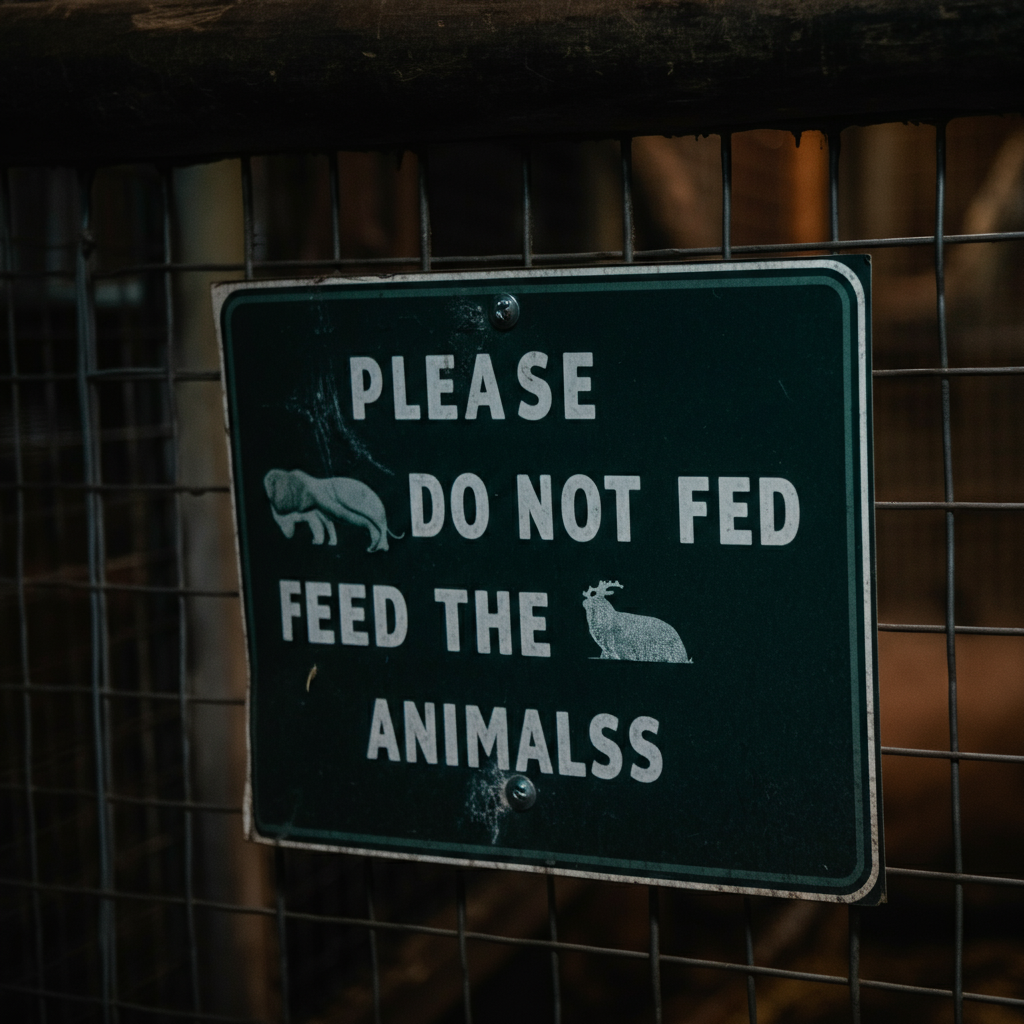
Do Not Feed the Animals
One of the most important rules in any zoo is to never feed the animals. Animals have carefully balanced diets prepared by zookeepers and dieticians, and introducing outside food can lead to serious health problems. Even seemingly harmless snacks like bread or fruit can be detrimental. Staff are trained to administer the correct nutrition, so it is vital to allow them to do their job.
-
Respect Animal Calm
Zoos can be stressful environments for animals, even with the best enclosures and care. Avoid making loud noises, banging on glass, or attempting to startle them. Many animals are sensitive to noise and sudden movements. Remember, they are not performing for your entertainment. Maintaining a calm and respectful demeanor will help ensure their well-being and allow other visitors to observe them peacefully.

-
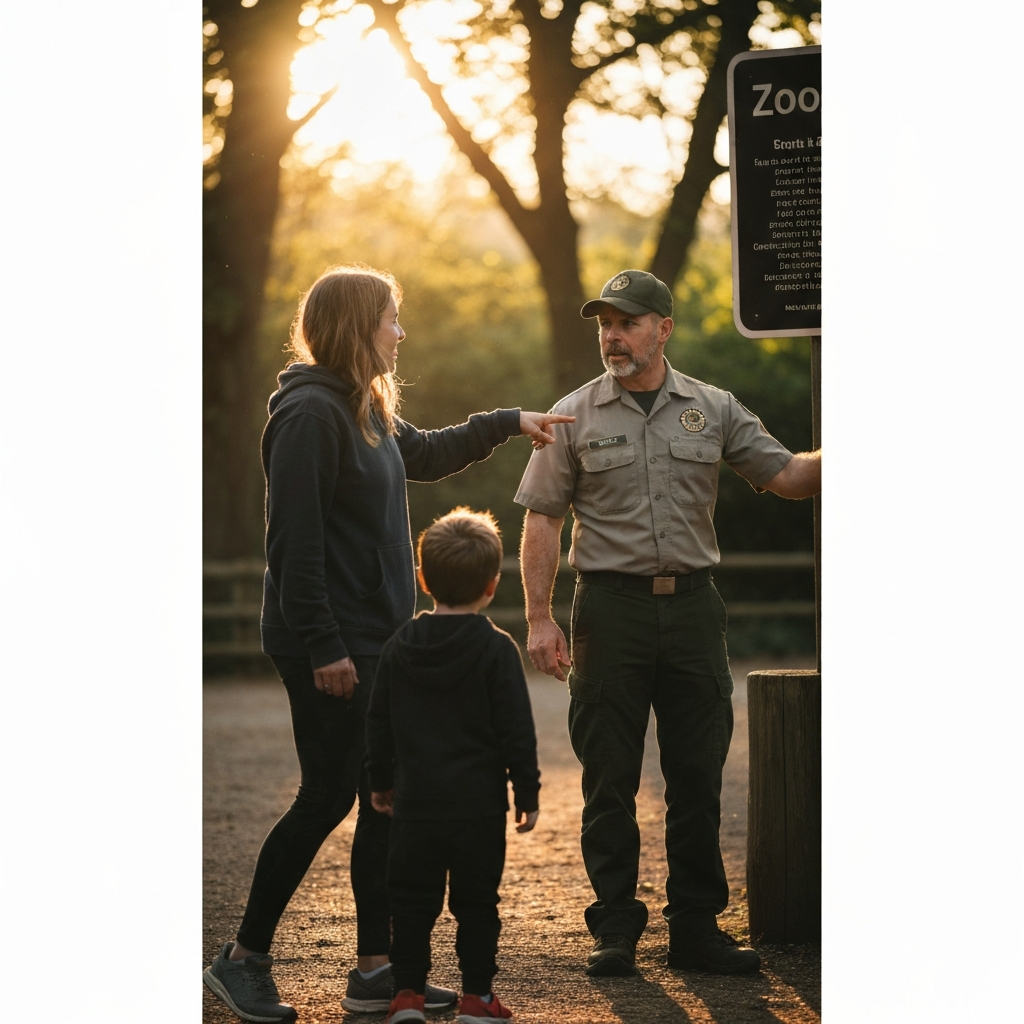
Obey Signage and Directions from Staff
Zoos prioritize visitor and animal safety through clear signage and staff guidance. Always read and follow posted rules and instructions. Do not cross barriers, climb fences, or attempt to interact with animals unless specifically permitted by a zookeeper. Staff members are there to ensure everyone's safety and provide assistance, so don't hesitate to ask for help or clarification. Ignore at your own risk!
-
Ask Appropriate Questions
While zookeepers are often passionate about their animals, they are also busy with their responsibilities. Before asking questions, read any informational signs or displays near the enclosure. If a zookeeper is giving a talk or demonstration, listen attentively and wait for designated Q&A times. Avoid asking questions that are readily available elsewhere or that might be considered inappropriate or insensitive.

-
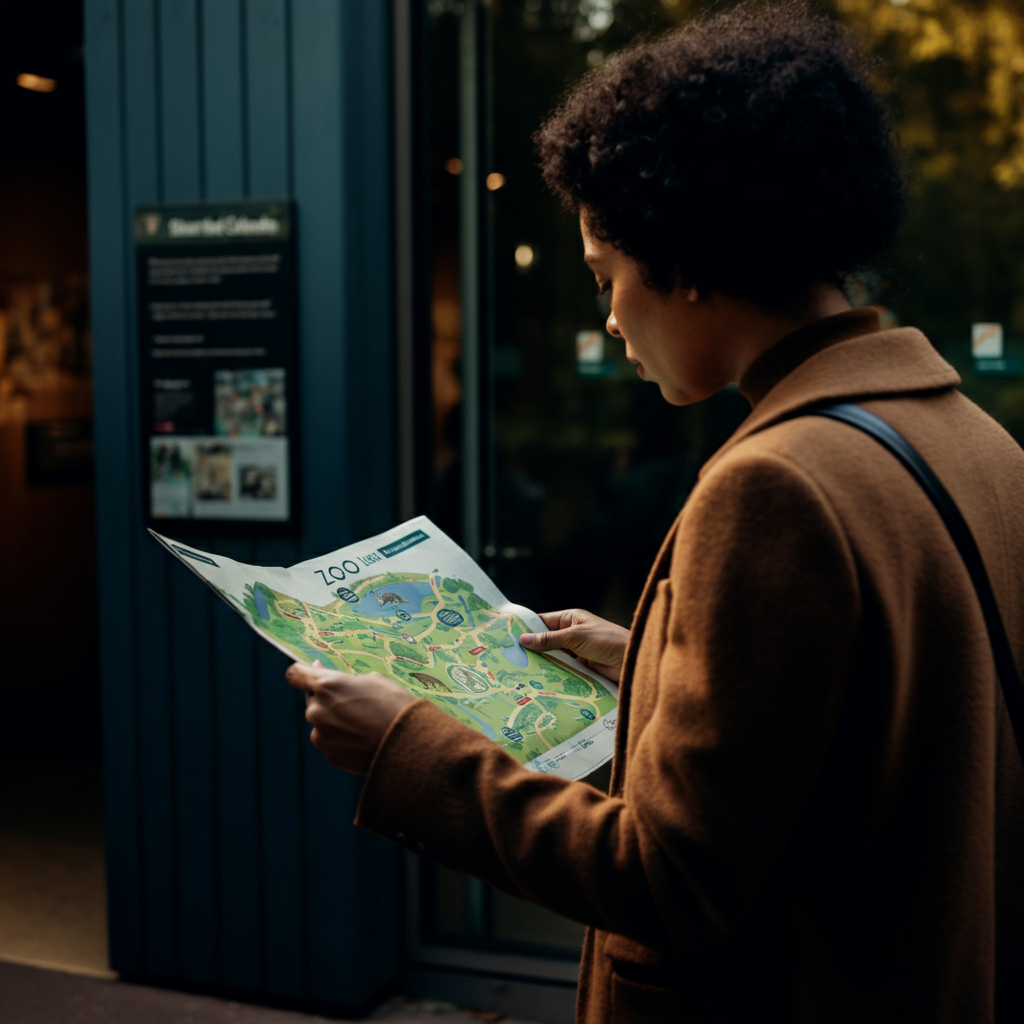
Plan Your Route
Most zoos are large and have numerous exhibits. To make the most of your visit, obtain a map or guidebook and plan your route in advance. Identify any exhibits you particularly want to see and prioritize them. This will help you avoid rushing around and ensure you don't miss anything important. Planning allows you to maximize your time and enjoy the zoo at your own pace.
-
Be Mindful of Others
Zoos can be crowded, especially during peak seasons. Be considerate of other visitors by avoiding pushing to the front of crowds, blocking pathways, or making excessive noise. Remember that everyone has paid to enjoy the zoo, so be respectful of their experience. Share viewing spaces and allow others to take their turn.

-
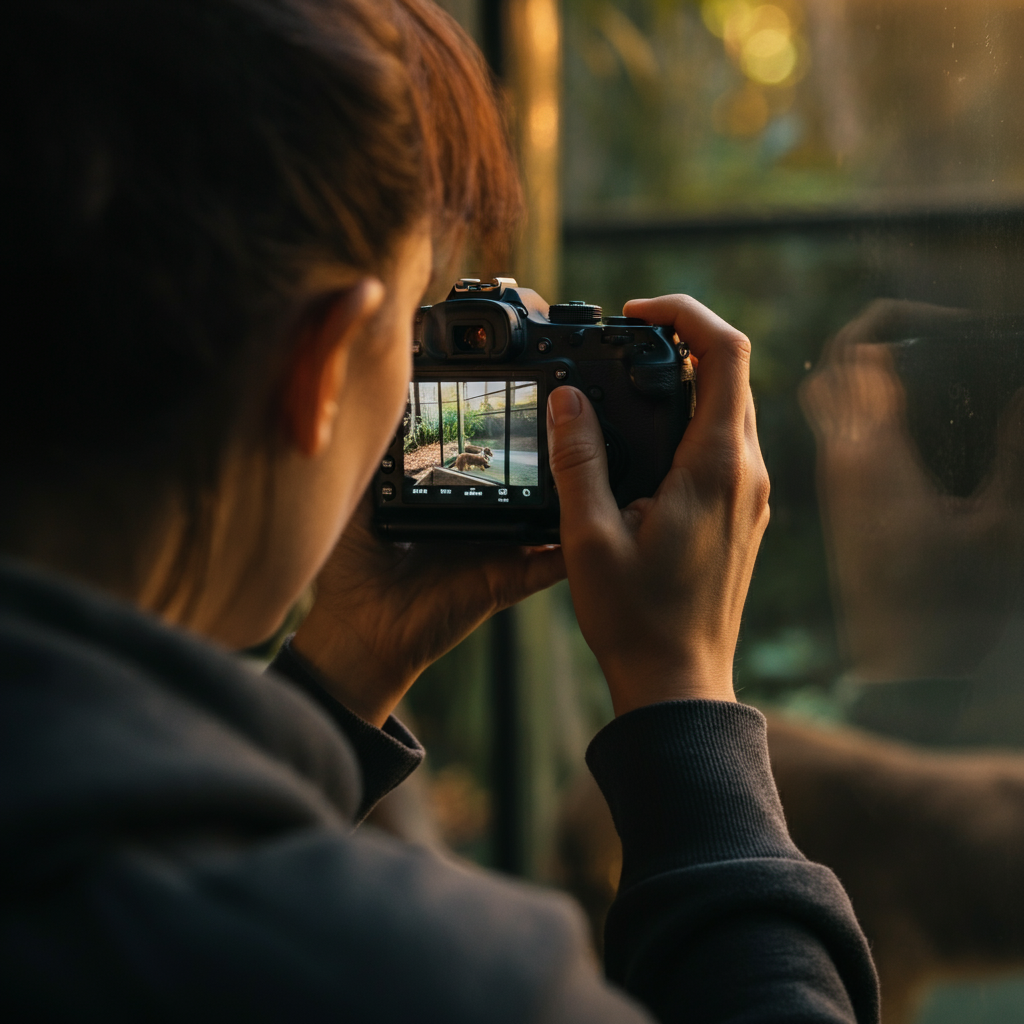
Respect Photography
Many visitors enjoy taking photographs of the animals. Be aware of others taking pictures and avoid walking into their shots or obstructing their view. If you're taking photos yourself, be quick and considerate, allowing others to have their turn. Refrain from using flash photography, as it can disturb or frighten the animals. Consider switching off your flash.
Safety Considerations
- Stay Inside Your Vehicle: In safari park areas with free-roaming animals, never exit your car.
- Supervise Children: Keep a close eye on children to prevent them from climbing on barriers or attempting to enter enclosures.
Common Mistakes to Avoid
- Ignoring Signage: Always pay attention to and follow posted rules and warnings.
- Disturbing Animals: Avoid loud noises, sudden movements, and attempts to startle the animals.
Pro Tips
- Visit During Off-Peak Hours: To avoid crowds, consider visiting the zoo during weekdays or early in the morning.
- Wear Comfortable Shoes: You'll be doing a lot of walking, so comfortable shoes are essential.
FAQ Section
- Can I bring my own food into the zoo?
- Many zoos allow you to bring your own food, but it's always best to check the zoo's website or inquire at the entrance. However, remember not to feed any of your food to the animals.
- Are pets allowed in the zoo?
- Generally, pets are not allowed in zoos due to safety and hygiene concerns. Service animals are usually an exception, but it's best to confirm with the zoo beforehand.
Conclusion
By following these guidelines, you can ensure a safe, enjoyable, and educational visit to the zoo for yourself, the animals, and other visitors. Remember to respect the animals, follow the rules, and be mindful of your surroundings. Your responsible behavior contributes to the well-being of the animals and helps support the zoo's conservation efforts. Enjoy your visit and appreciate the amazing biodiversity of our planet!