In today's fast-paced world, it's easy to lose track of our well-being. We often overlook subtle signs our bodies and minds send us, leading to a gradual decline in our overall health. But what if there was a quick and easy way to assess your current health status? Enter the "Am I Healthy Quiz." This isn't your typical online quiz; it's a tool designed to provide you with insights into your physical, mental, and social well-being.
This guide will walk you through the "Am I Healthy Quiz," explaining its purpose, how to take it effectively, and how to interpret the results. We'll delve into the types of questions you can expect, the areas of health they address, and what your score really means. Whether you're looking to improve your lifestyle or simply curious about your current health standing, this guide will equip you with the knowledge to make the most of this valuable resource.
Remember, health is a holistic concept, and understanding where you stand is the first step towards a happier, healthier you. Let's get started!
Step 1: Understanding the Quiz's Scope
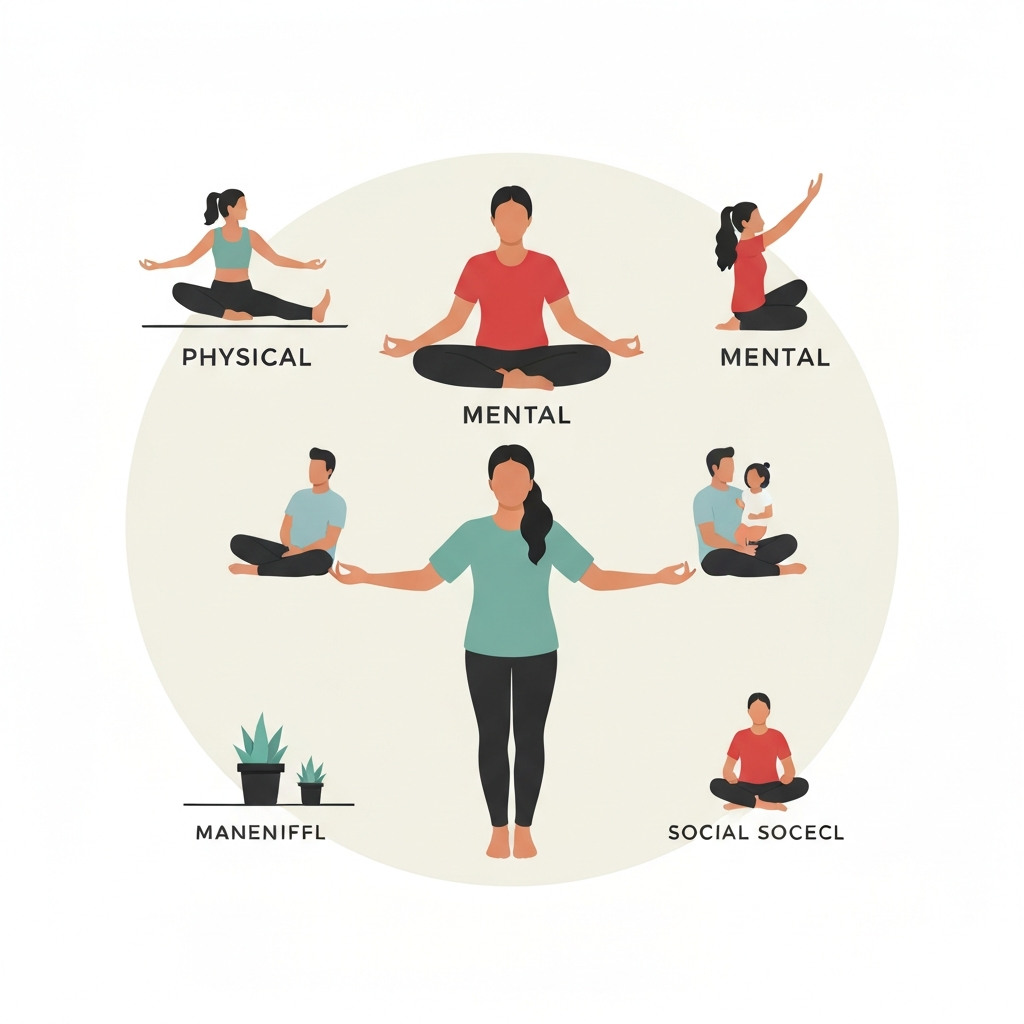
Before diving into the quiz, it’s important to understand what it measures. The "Am I Healthy Quiz" aims to assess your health across several key dimensions: physical health, mental health, and social well-being. Physical health questions cover aspects like sleep quality, diet, exercise habits, and hydration. Mental health questions explore your stress levels, emotional resilience, and overall satisfaction with life. Social well-being questions touch upon your relationships, social connections, and sense of belonging. Keep in mind that the quiz provides a general overview and isn't a substitute for professional medical advice.
Step 2: Locating and Accessing the Quiz
The "Am I Healthy Quiz" can typically be found on reputable online platforms focused on health and wellness, such as wikiHow. A quick search for "Am I Healthy Quiz wikiHow" should lead you directly to it. Once you've found the quiz, ensure you are on a trustworthy website to protect your privacy and data. Look for secure connections (HTTPS) and privacy policies before proceeding. The quiz should be easily accessible with a clear "Start Quiz" button or similar call to action.
Step 3: Preparing to Take the Quiz
To get the most accurate results, take a moment to reflect on your recent habits and experiences before starting the quiz. Think about your typical routine over the past few weeks, rather than focusing on isolated incidents. Choose a quiet time and place where you can concentrate without distractions. Be honest in your answers; the quiz is only as helpful as the information you provide. There are no right or wrong answers, only insights into your current health status. The quiz includes questions such as "Do you get enough sleep at night?", "Do you eat lots of fruits and veggies throughout the day?", and "Do you feel stressed out a lot of the time?".
Pro Tips
- **Avoid taking the quiz when you're feeling particularly stressed or emotional:** Your current state might influence your answers and skew the results.
- **Have a glass of water nearby:** Staying hydrated can help you think clearly.
Step 4: Answering the Questions Thoughtfully
As you go through the quiz, read each question carefully and choose the answer that best reflects your situation. Most quizzes use multiple-choice or rating scales. Take your time to consider each option before selecting an answer. Avoid rushing through the quiz simply to finish it. Each question is designed to gather specific information about your habits and lifestyle, and your thoughtful responses will contribute to a more accurate assessment. For example, when answering the question "How often do you exercise?", consider the frequency, duration, and intensity of your workouts.

Step 5: Understanding the Scoring System
After completing the quiz, the system will automatically calculate your score based on your responses. Different answers are assigned different point values, reflecting their impact on overall health. For example, choosing "Yes! I sleep about eight or nine hours a night" for the sleep question might award you the highest points, while "Not at all! I probably sleep fewer than four hours a night!" would result in the lowest. The total score is then categorized into different health levels, such as "Excellent," "Good," "Fair," or "Needs Improvement." Understanding the scoring system allows you to see which aspects of your lifestyle contribute positively or negatively to your health.
Step 6: Interpreting Your Results
Your quiz results will provide you with a general overview of your health status. Don't be discouraged if your score isn't as high as you hoped; the quiz is meant to be a starting point for improvement. Pay attention to the specific areas where you scored lower, as these indicate potential areas for lifestyle changes. For instance, if you scored poorly on questions related to stress, consider exploring stress-management techniques like meditation or yoga. The results should also provide you with resources and guidance on how to improve your health in each area. It's also important to remember that the quiz results are not a substitute for professional medical advice. Always consult with a doctor or healthcare provider for any health concerns.
Step 7: Taking Action Based on the Results
The most important step is to take action based on your quiz results. Use the insights you gained to identify specific areas where you can make positive changes. Start with small, manageable steps, such as adding one serving of vegetables to your daily diet or walking for 30 minutes three times a week. Gradual changes are more sustainable in the long run. Track your progress and celebrate your successes along the way. Remember that improving your health is a journey, not a destination. Resources such as articles on how to eat healthy or how to exercise can provide additional guidance. The goal is to integrate healthier habits into your daily routine and improve your overall well-being over time.
Common Mistakes to Avoid
- **Ignoring the results:** Taking the quiz is only the first step; the real value lies in acting on the information you receive.
- **Trying to change everything at once:** Overwhelming yourself with too many changes can lead to burnout and discouragement.
- **Comparing yourself to others:** Focus on your own journey and celebrate your individual progress.
Conclusion
The "Am I Healthy Quiz" is a valuable tool for self-assessment and can be a great starting point to promote personal well-being. By understanding the quiz's scope, answering thoughtfully, interpreting your results accurately, and taking action, you can gain valuable insights into your health and take proactive steps towards a healthier, happier life. Remember, the quiz is not a diagnostic tool, but a guide to help you identify areas where you can improve your overall well-being. Start today, and embark on your journey to better health!