The whip is arguably one of the most visually appealing and technically demanding skills in mountain biking. More than just style, a well-executed whip can actually help you control your bike in the air, adjust your trajectory, and even shave off time on the trail. It's a skill that separates the good riders from the great, adding a huge dose of flair to any jump line. But mastering the whip isn't about simply throwing your bike sideways; it's a calculated maneuver that requires understanding balance, timing, and bike control.
This guide is designed to take you from the basics of understanding what a whip is, through the step-by-step techniques needed to pull one off safely and stylishly. We'll cover everything from bike setup and jump selection to body positioning and common mistakes to avoid. Remember, progression is key. Start small, build your confidence, and gradually increase the amplitude of your whips as you improve. With practice and dedication, you'll be throwing stylish whips in no time.
So, let's dive in and learn how to whip!
Step 1: Bike Setup and Preparation
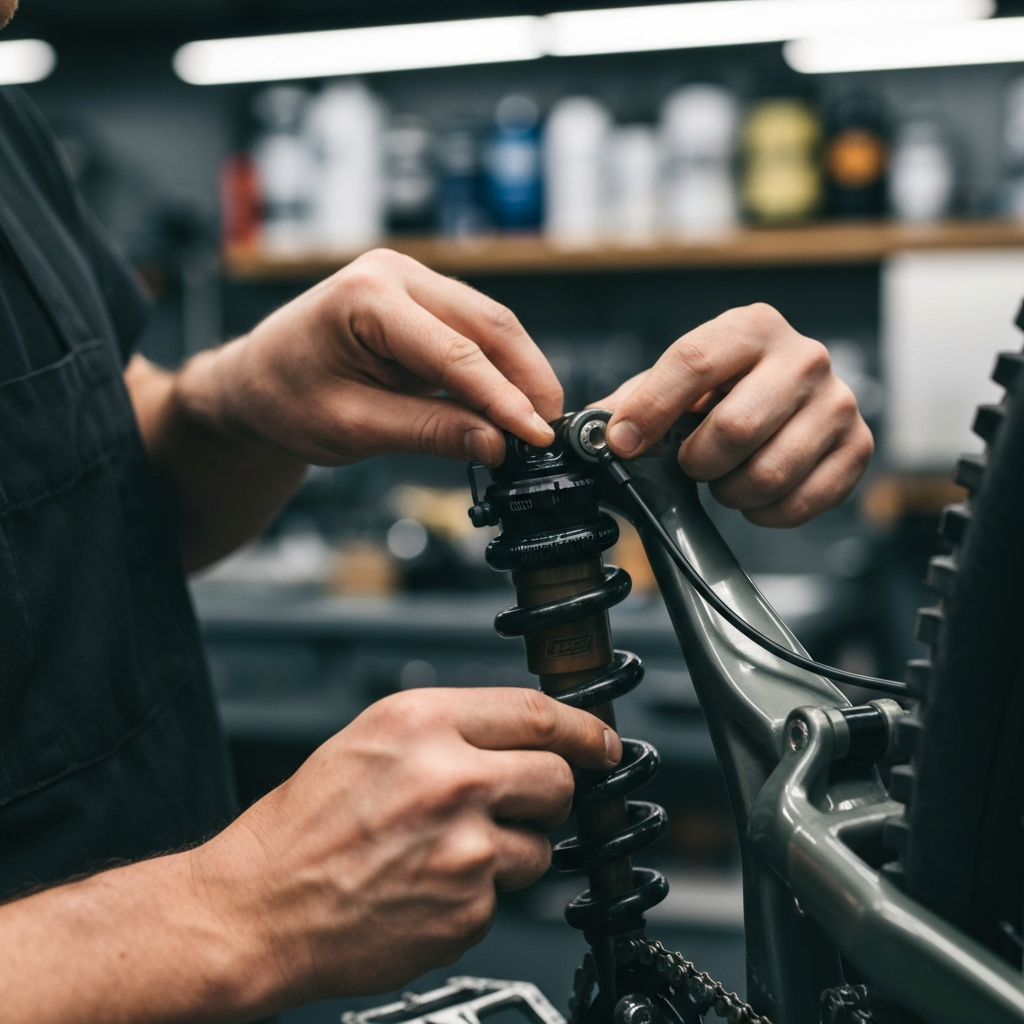
Before you even think about hitting the jump, ensure your bike is in top condition. A properly maintained bike is crucial for safety and control. Check your tire pressure (slightly lower pressure can provide more grip on the landing), brake function, and suspension settings. Your suspension should be tuned to your weight and riding style, allowing for smooth landings and predictable handling. Consider running slightly faster rebound to help the bike return to center. Also, make sure your grips are in good condition – secure grips are essential for maintaining control during the whip.
Step 2: Finding the Right Jump
Choosing the right jump is paramount when learning to whip. Start with a small to medium-sized jump that you're already comfortable with. A smooth, consistent takeoff is ideal, allowing you to focus on the whip technique without being surprised by the jump's characteristics. Avoid jumps with steep landings or awkward run-ins. A table top jump is often a good choice, as it provides a safe landing even if you don't fully rotate the whip. Look for a jump that allows ample time in the air to execute the maneuver without feeling rushed. Don't try learning on a massive gap jump!

Step 3: The Setup – Initiating the Turn
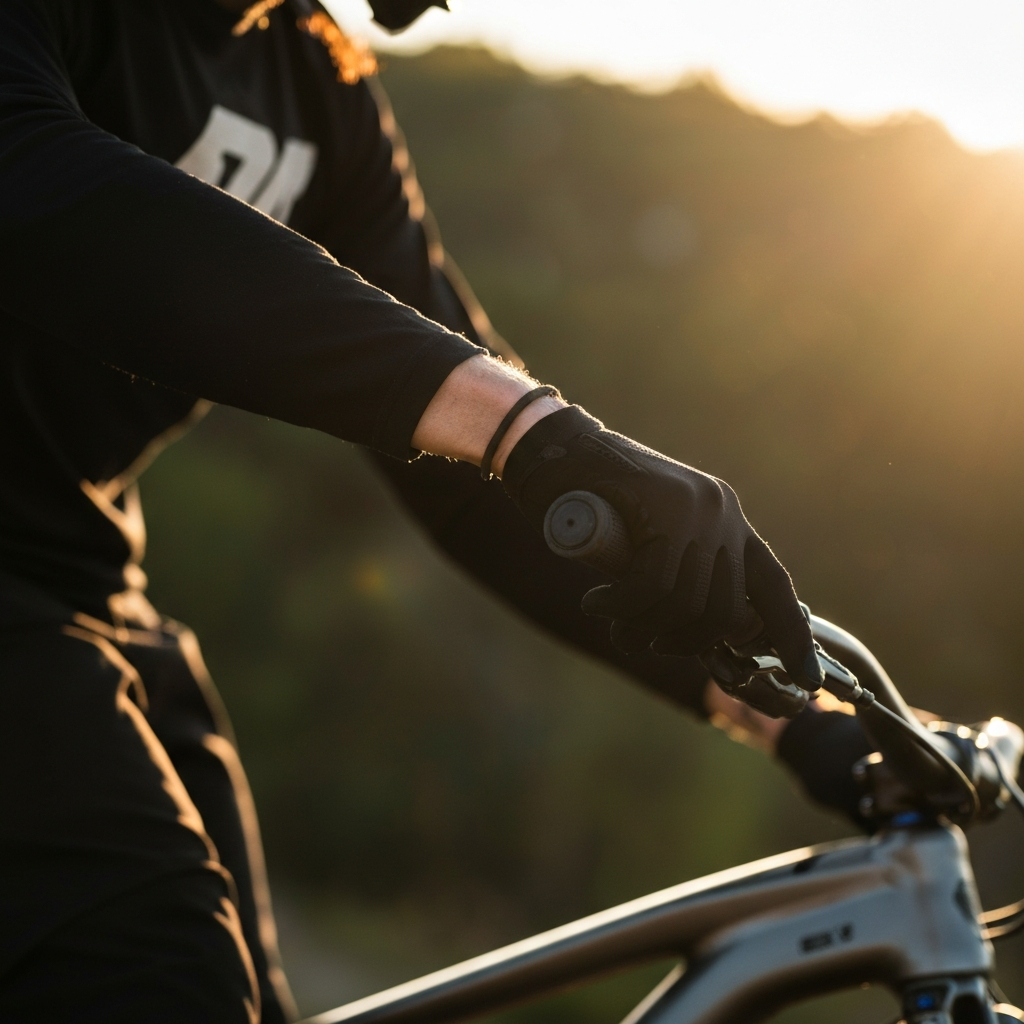
As you approach the lip of the jump, begin to preload your suspension. This involves compressing your body weight downward and then extending upwards as you leave the jump. Simultaneously, subtly initiate a counter-steer by turning your handlebars slightly in the opposite direction of the whip. For example, if you want to whip to the right, steer slightly to the left. The counter-steer should be subtle – avoid overdoing it, as this can throw you off balance. This initial turn sets the bike up for the sideways movement.
Step 4: The Throw – Committing to the Whip
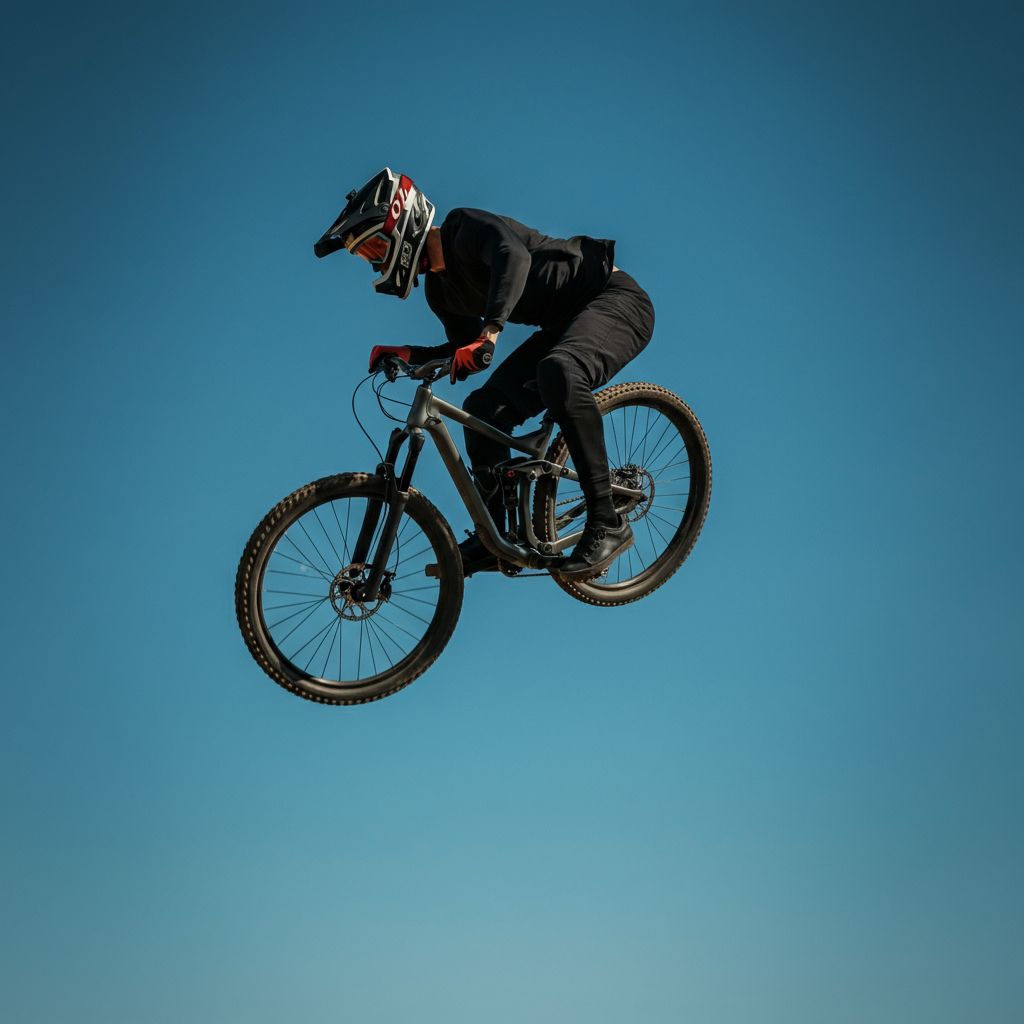
Once airborne, use your lower body to exaggerate the counter-steer and initiate the whip. Think of pushing the bike away from you with your feet and legs. If you're whipping to the right, push the handlebars to the left while simultaneously using your right foot to drive the rear of the bike to the right. This is where confidence and commitment are key. Hesitation will result in an awkward, uncontrolled maneuver. Keep your upper body relaxed and centered over the bike, allowing it to move beneath you. Imagine throwing a frisbee with your lower body. The harder you throw with your lower body, the bigger the whip will be.
Step 5: The Correction – Bringing it Back
As you reach the peak of the whip (the point where the bike is most sideways), it's time to bring it back in line for landing. The timing of this correction is crucial. Start by gently steering the handlebars back towards the direction of the jump. Simultaneously, use your legs and feet to pull the rear of the bike back into alignment. The goal is to have the bike straight and parallel to the landing as you come down. Focus on spotting the landing early and adjusting your body position accordingly. If you are landing on a berm, you can maintain the angle until you hit the ground.

Step 6: The Landing – Sticking the Whip
Land smoothly with both wheels hitting the ground simultaneously, if possible. Absorb the impact with your legs and arms, keeping your body centered over the bike. Maintain a slightly flexed position to cushion the landing and prevent bottoming out your suspension. Avoid landing with your weight too far forward or backward, as this can lead to loss of control. Once you land, continue riding smoothly and confidently. Celebrate your successful whip, and get ready for another one!

Safety Considerations
Whipping a mountain bike can be dangerous if not approached with caution. Always wear appropriate safety gear, including a helmet, knee pads, elbow pads, and gloves. Start small and gradually increase the size and complexity of your whips as your skills improve. Never attempt to whip on a jump that is beyond your ability level. Always inspect the jump and landing area before riding, looking for any potential hazards. Ride within your limits, and don't be afraid to walk away if you're feeling uncomfortable or unsure.
Common Mistakes to Avoid
One of the most common mistakes is over-rotating the whip, which can lead to landing sideways and crashing. Another mistake is not committing fully to the whip, resulting in an awkward and uncontrolled movement. Focus on maintaining a relaxed upper body and using your lower body to initiate the whip. Practice on smaller jumps to build your confidence and refine your technique. Don't try to learn too quickly. Lastly, make sure your bike is properly maintained and that you are comfortable with your bike's setup. An ill-fitting bike will make it difficult to perform any advanced maneuver.
Pro Tips
Visualizing the whip before you attempt it can significantly improve your success rate. Watch videos of professional riders performing whips and mentally rehearse the steps involved. Practice your body positioning and movements on flat ground to build muscle memory. Experiment with different handlebar and seat positions to find what works best for you. Don't be afraid to ask for advice from experienced riders. Pay attention to the wind. Attempting to whip into a strong headwind is not a great idea.
FAQ Section
Q: What if I can't seem to get the bike sideways enough?
A: Focus on using your lower body to initiate the whip. Push the bike away from you with your feet and legs, and commit fully to the movement.
Q: What if I'm landing sideways?
A: Work on timing your correction properly. Start bringing the bike back in line earlier, and use your legs and feet to pull the rear wheel back into alignment.
Q: What if I'm scared of crashing?
A: Start with very small jumps and gradually increase the size as your confidence grows. Wear appropriate safety gear, and practice in a controlled environment.
Conclusion
Learning to whip a mountain bike takes time, practice, and dedication. By following the steps outlined in this guide, you'll be well on your way to mastering this stylish and rewarding skill. Remember to start small, build your confidence, and always prioritize safety. With patience and perseverance, you'll be throwing stylish whips in no time. Now get out there and shred!