Choosing the right wheels for your vehicle can dramatically impact its performance, handling, and aesthetics. One of the most crucial factors to consider is wheel offset. Understanding wheel offset is paramount to ensuring proper fitment, preventing potential damage, and optimizing your vehicle's driving experience. A wheel with an incorrect offset can lead to rubbing against the suspension components, altered steering geometry, and even compromise the safety of your vehicle. Therefore, taking the time to understand this critical aspect of wheel selection is an investment in your vehicle's longevity and your own safety.
This comprehensive guide will demystify the concept of wheel offset, walking you through the different types, how it's measured, and the potential consequences of incorrect fitment. We'll also cover the relationship between offset and backspacing, equipping you with the knowledge you need to make informed decisions when selecting new wheels. Whether you're a seasoned automotive enthusiast or a first-time car owner, this guide will provide you with the insights needed to navigate the complexities of wheel offset with confidence.
Before making any modifications to your vehicle, it's always a good idea to consult with a qualified mechanic. They can provide expert advice tailored to your specific vehicle and driving needs. This guide is intended for informational purposes only and should not be considered a substitute for professional advice.
Step 1: Defining Wheel Offset
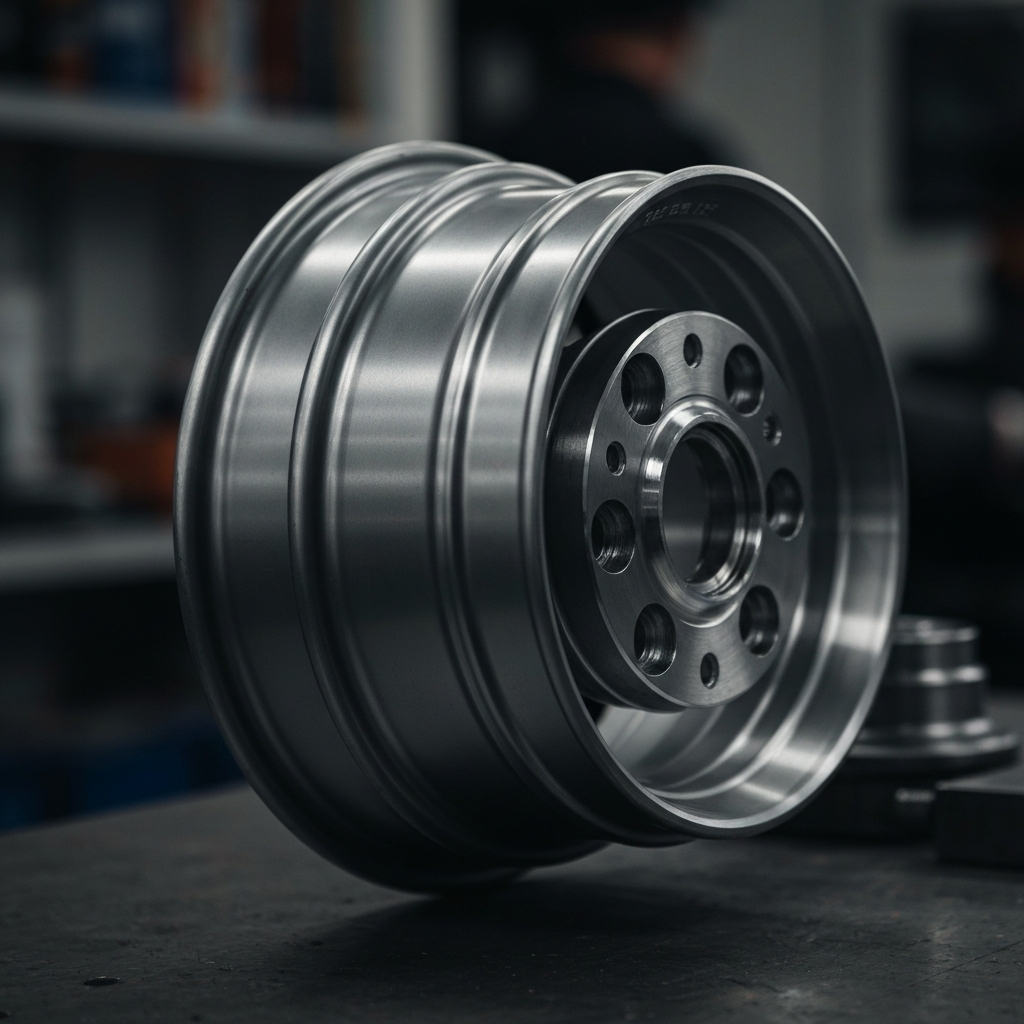
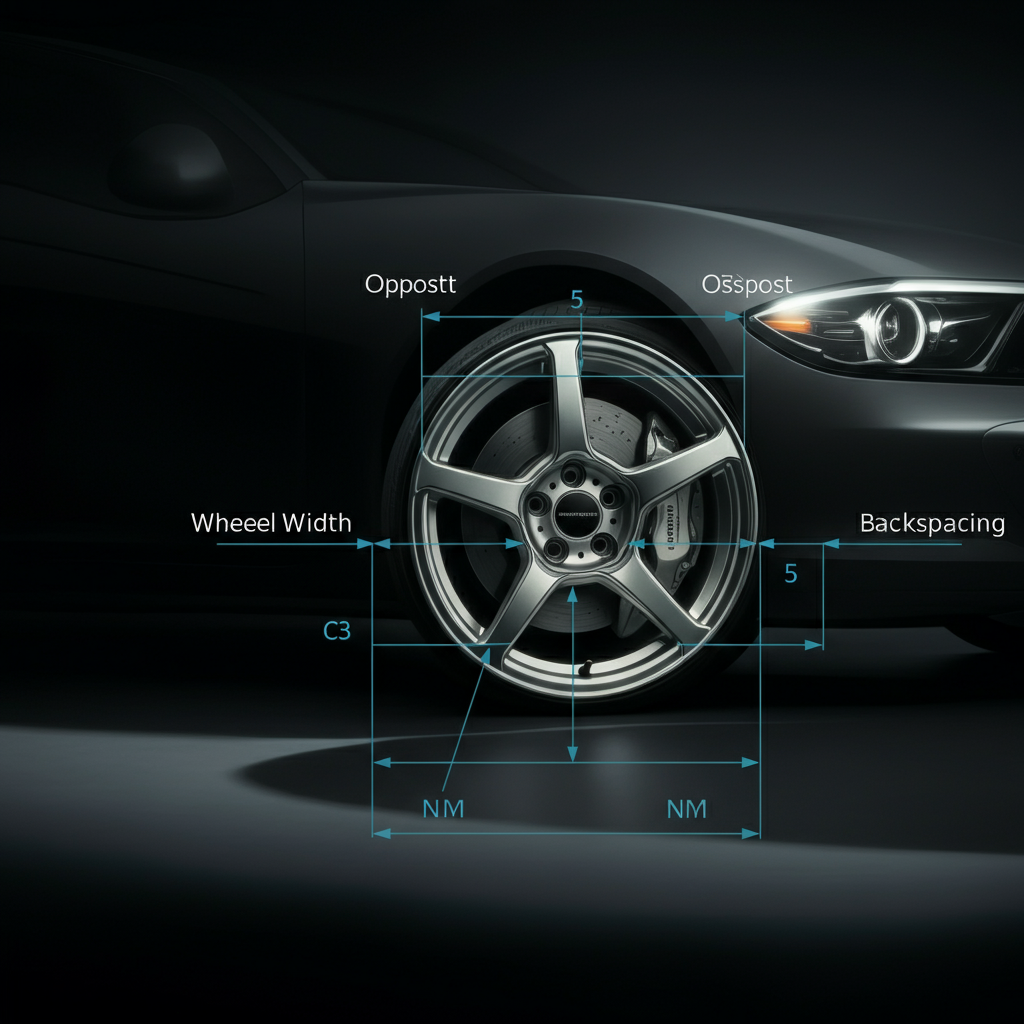
Wheel offset is the distance, measured in millimeters, between the wheel's mounting surface (where it bolts to the hub) and its centerline. Imagine slicing the wheel in half lengthwise; the centerline is the exact middle point. The offset dictates how far the wheel's mounting surface is positioned away from this centerline. This distance directly affects the wheel's position within the wheel well and, consequently, its relationship with the vehicle's suspension and body. There are three types of offset: positive, negative, and zero.
Step 2: Understanding Positive Offset
Positive offset means the wheel's mounting surface is positioned towards the outboard side of the wheel (away from the vehicle). In other words, the mounting surface is further out than the wheel's centerline. This causes the entire wheel to sit more tucked in towards the vehicle's chassis. Most modern vehicles utilize positive offset wheels because it generally keeps the tires within the fender wells and maintains proper steering geometry. An overly positive offset can lead to clearance issues with suspension components or the inner wheel well.
Step 3: Understanding Negative Offset
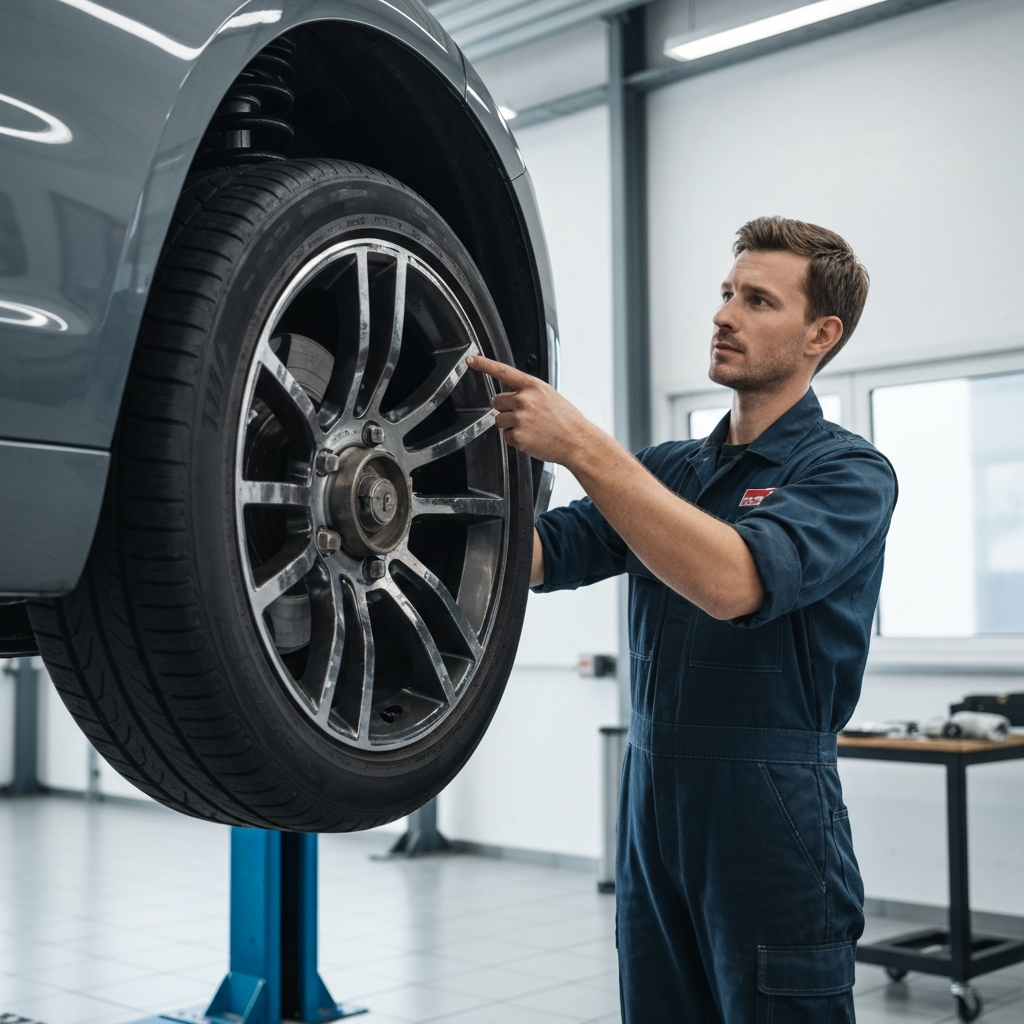
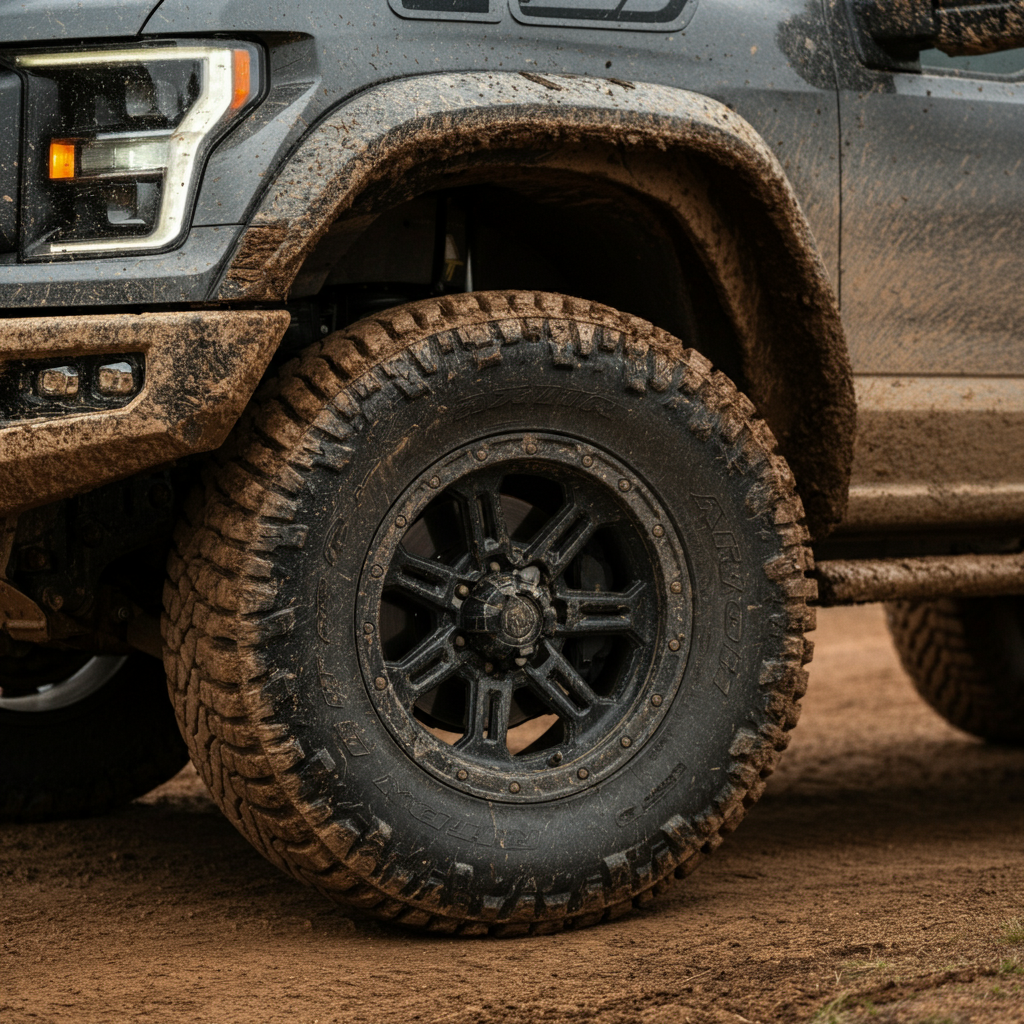
Negative offset occurs when the wheel's mounting surface is positioned towards the inboard side of the wheel (towards the vehicle). This means the mounting surface is closer to the vehicle than the wheel's centerline. This causes the wheel to stick out further from the vehicle's body. Negative offset is less common on passenger cars and is generally found on off-road vehicles where a wider stance is desired for stability. Excessive negative offset can strain suspension components and affect steering characteristics.
Step 4: Understanding Zero Offset
Zero offset simply means the wheel's mounting surface is precisely aligned with the wheel's centerline. The mounting surface is neither closer nor further from the vehicle than the centerline. The entire wheel sits flush against the chassis. Zero offset was more common on older vehicles and some rear-wheel-drive cars. While simple in concept, zero offset wheels still need to be carefully chosen to ensure proper fitment and clearance.

Step 5: Measuring Wheel Offset
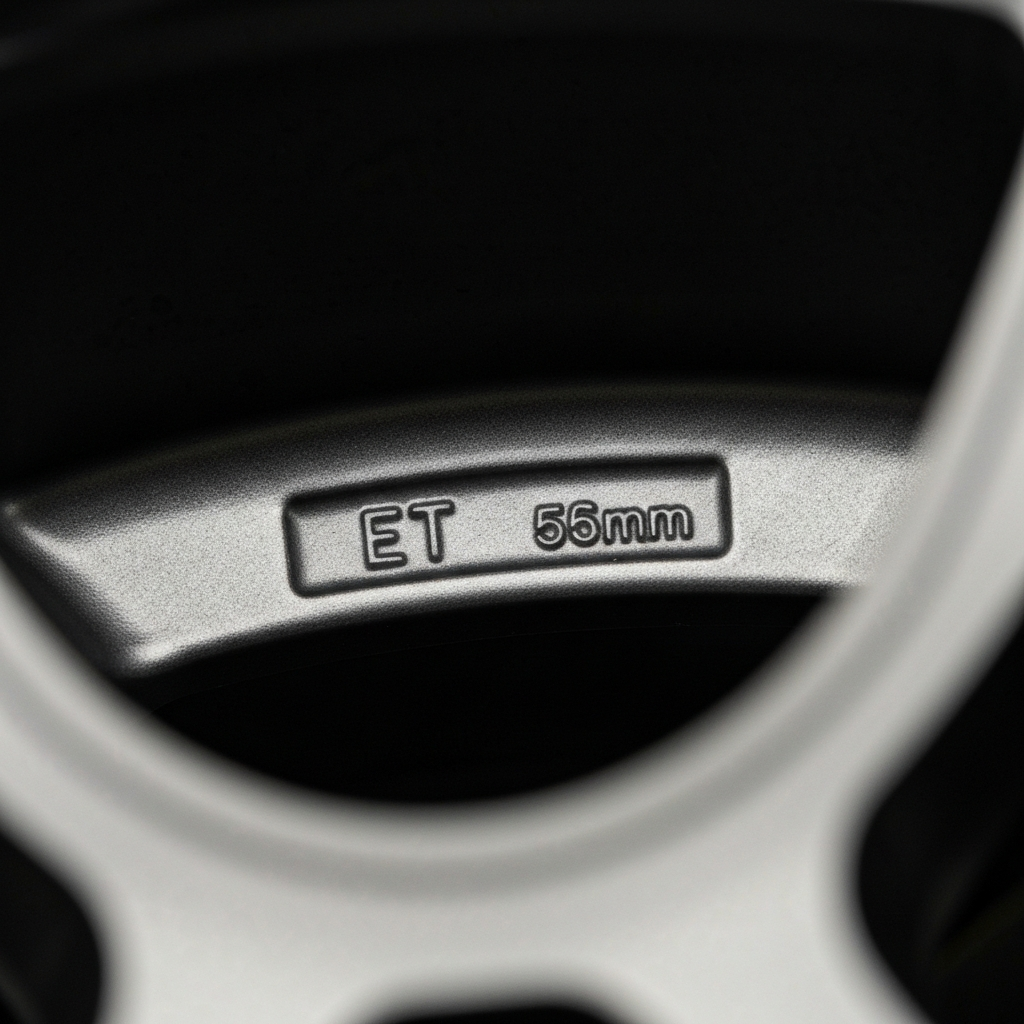
Wheel offset is always measured in millimeters (mm). You'll often find the offset value stamped on the back of the wheel, usually preceded by "ET" (from the German word "Einpresstiefe," meaning "insertion depth"). If the offset isn't marked, you can measure it yourself by determining the wheel's centerline and then measuring the distance from the centerline to the mounting surface. Ensure you measure accurately, as even a few millimeters can make a difference in fitment.
Step 6: The Relationship Between Offset and Backspacing
Backspacing is another measurement related to wheel fitment, and it's often confused with offset. Backspacing is the distance from the wheel's mounting surface to the inner edge of the wheel rim. While offset is measured relative to the wheel's centerline, backspacing is measured from the back edge. Knowing either the offset or the backspacing, along with the wheel width, allows you to calculate the other. They essentially convey the same information in different ways, with offset being the more commonly used term in modern wheel specifications.
Step 7: Why Offset Matters: Consequences of Incorrect Fitment
Choosing the correct wheel offset is critical for several reasons. Firstly, it ensures proper clearance between the wheel and suspension components, preventing rubbing or contact that can damage both the wheel and the vehicle. Secondly, it affects the vehicle's steering geometry, influencing handling and stability. An incorrect offset can lead to poor handling, premature wear on suspension components, and even safety issues. Therefore, always consult your vehicle's manufacturer specifications or a trusted wheel specialist to determine the correct offset range for your vehicle.
Step 8: Positive Offset Problems
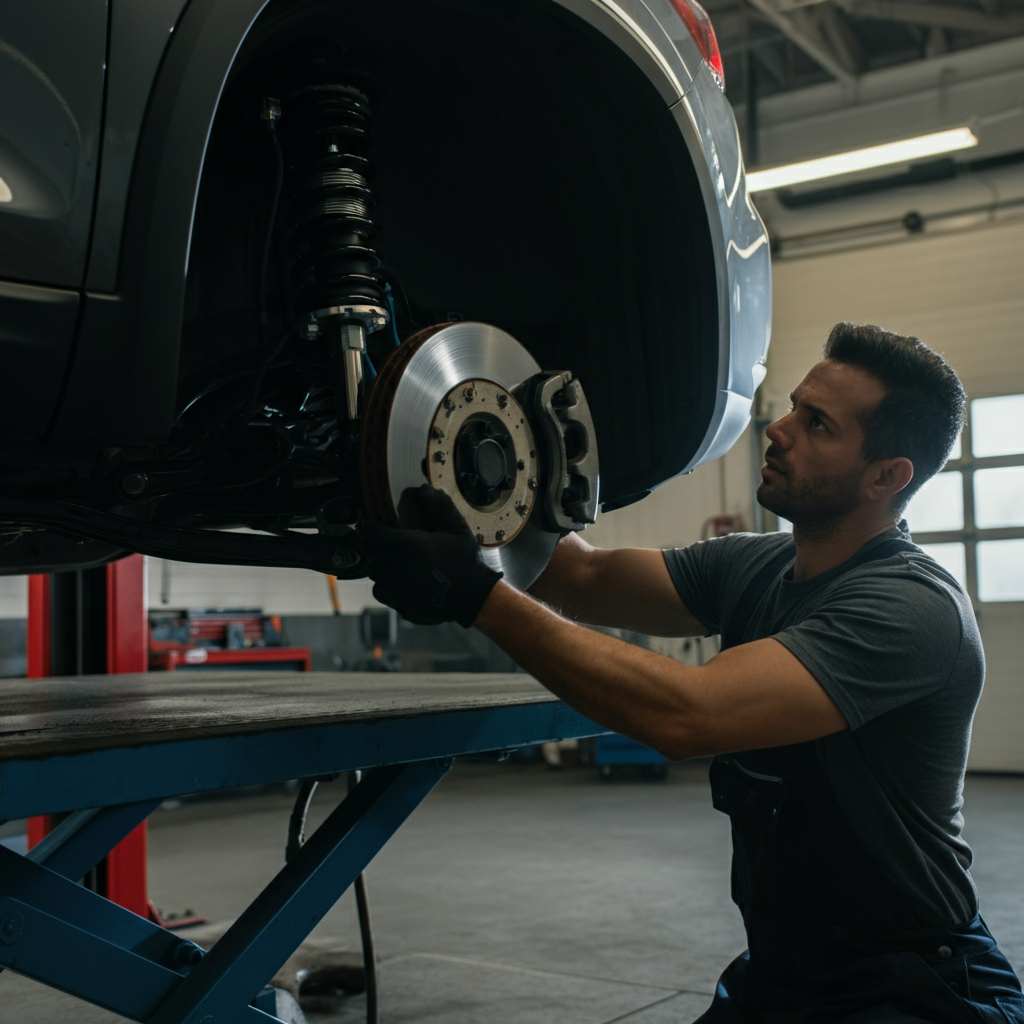
Too much positive offset will move the tire inwards, towards the chassis. This could cause the tire to rub on the strut, spring, or even the inner fender liner. This contact can damage the tire and suspension parts, and can be dangerous at high speeds. In addition, a wheel that is too far tucked in can negatively affect handling and stability. The increased stress on the suspension will cause premature wear of suspension parts and poor handling.
Step 9: Negative Offset Problems
Too much negative offset will move the tire outwards, away from the chassis. This will put stress on the wheel bearings and suspension joints which could cause premature failure. A wheel that sticks out too far may also come into contact with the fender lip when the suspension compresses. This could damage the tire, the fender, or both. Negative offset can also cause kickback, which is when the steering wheel sharply pulls or moves without any driver input.
Step 10: Selecting the Right Offset
The most reliable way to ensure you choose the correct offset is to consult your vehicle's owner's manual or online resources that provide wheel fitment data for your specific make and model. You can also consult with a reputable tire and wheel shop. When selecting aftermarket wheels, try to stay within the recommended offset range to avoid potential fitment issues. If you're unsure, it's always better to err on the side of caution and seek professional advice.
Tools or Materials Required
* Measuring tape or ruler (preferably metric) * Straight edge * Calculator (for converting between offset and backspacing, if necessary) * Vehicle owner's manual or online wheel fitment guideCommon Mistakes to Avoid
* Failing to consult vehicle specifications before selecting wheels. * Assuming that all wheels with the same bolt pattern will fit. * Ignoring the potential for clearance issues with suspension components or brake calipers. * Overlooking the impact of offset on tire size and fender clearance.FAQ Section
Q: Can I use wheel spacers to change the offset?
A: Wheel spacers can effectively change the offset of your wheels, pushing them further out. However, it's essential to use high-quality, hub-centric spacers and ensure that your wheel studs are long enough to safely accommodate the added thickness. Improperly installed or low-quality spacers can be a safety hazard.
Q: What is the difference between offset and bolt pattern?
A: Offset refers to the position of the wheel's mounting surface relative to its centerline, while bolt pattern refers to the number and spacing of the wheel studs. Both must match your vehicle's specifications for proper fitment.
Q: Can I change a wheel's offset?
A: Modifying a wheel's offset is generally not recommended. It's best to choose wheels with the correct offset for your vehicle. If you are considering offset modification, consult a professional wheel specialist as it can compromise the wheel's structural integrity.
Conclusion
Understanding wheel offset is crucial for ensuring proper wheel fitment, optimizing vehicle performance, and maintaining safety. By understanding the different types of offset, how it's measured, and the potential consequences of incorrect fitment, you can make informed decisions when selecting new wheels for your vehicle. Always consult your vehicle's specifications and seek professional advice when in doubt. With the right knowledge, you can confidently choose wheels that not only enhance your vehicle's appearance but also contribute to a safe and enjoyable driving experience.