We all crave that effortless, radiant look, the one that seems to come naturally to some. But the truth is, waking up beautiful is often the result of a deliberate and consistent nighttime routine. It's about more than just genetics; it's about nurturing your skin, hair, and body while you sleep.
This comprehensive guide provides you with the expert knowledge and practical steps to transform your nightly routine into a beauty-boosting ritual. From skincare secrets to hair-saving tips and sleep-enhancing strategies, we'll cover everything you need to know to wake up feeling refreshed and looking your absolute best.
Ready to unlock your natural radiance? Let's dive in and discover the secrets to waking up beautiful.
Step 1: Supercharge Your Skincare Routine
Step 1.1: Cleanse Thoroughly
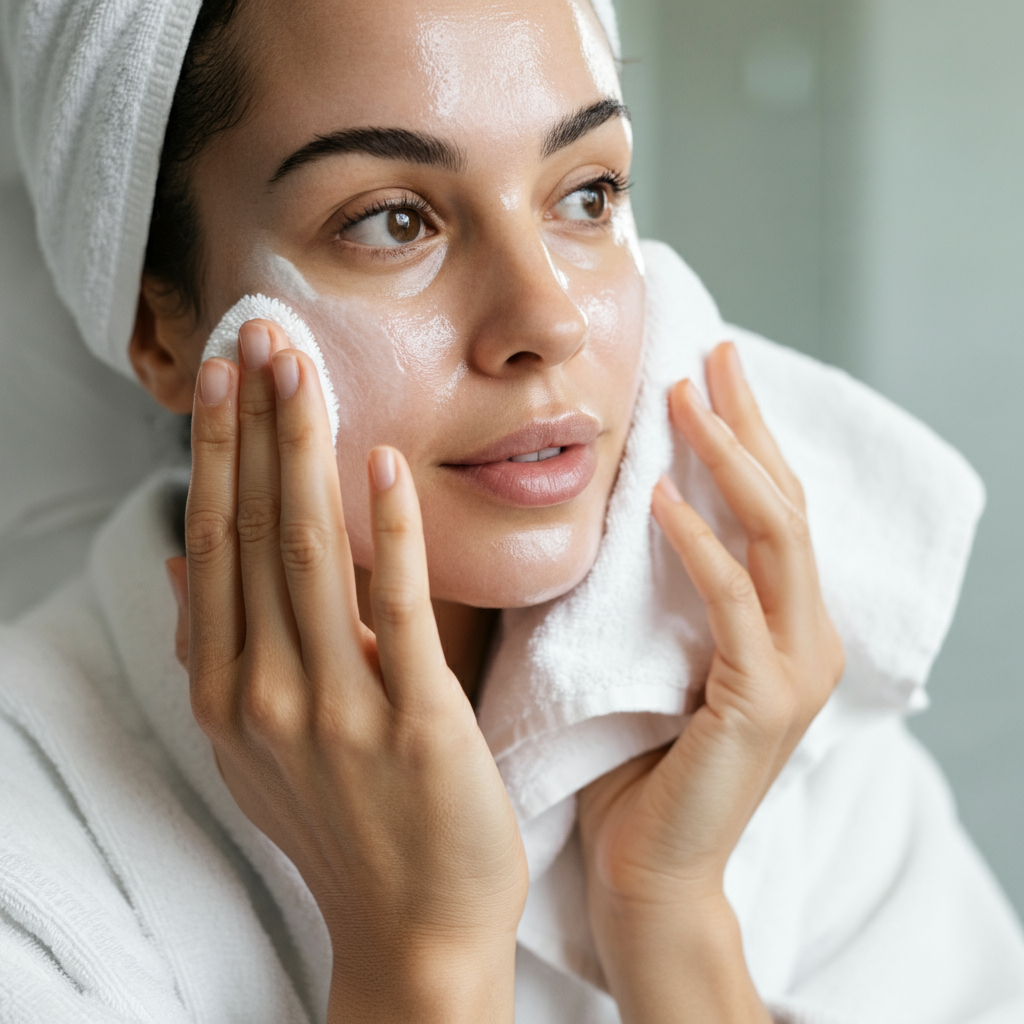
Never skip cleansing before bed. Even if you don’t wear makeup, your skin accumulates dirt, oil, and pollutants throughout the day. Failing to cleanse can clog pores, leading to breakouts and dullness. Use a gentle, pH-balanced cleanser that suits your skin type. Massage it onto your face in circular motions for at least 30 seconds to ensure all impurities are removed. Rinse thoroughly with lukewarm water and pat dry with a soft towel.
Step 1.2: Hydrate Deeply
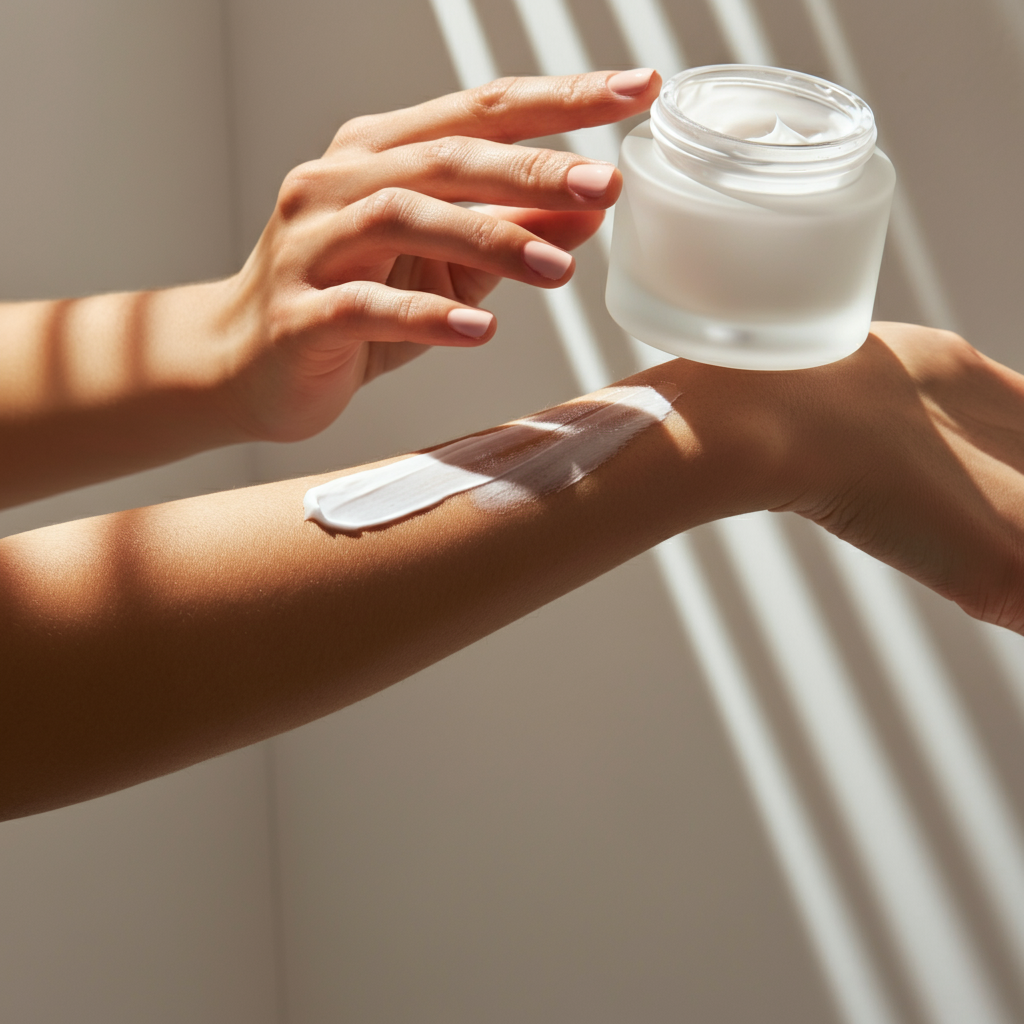
Nighttime is prime time for hydration. While you sleep, your skin repairs and regenerates, and it needs moisture to do so effectively. Apply a generous layer of a rich, nourishing moisturizer to your face and neck. Look for ingredients like hyaluronic acid, ceramides, and shea butter, which help to replenish the skin's natural moisture barrier. Don’t forget your neck and décolletage – these areas are often neglected but are just as prone to dryness and aging.
Step 1.3: Target Under-Eye Concerns
The delicate skin around your eyes is particularly susceptible to dryness, dark circles, and fine lines. An eye cream is essential for addressing these concerns. Apply a pea-sized amount of eye cream to your ring finger and gently pat it around your orbital bone, avoiding direct contact with your eyes. Look for eye creams containing ingredients like peptides, caffeine, and vitamin K to brighten, hydrate, and reduce puffiness. Apply after your moisturizer to help it stay in place.

Step 1.4: Nourish Your Lips
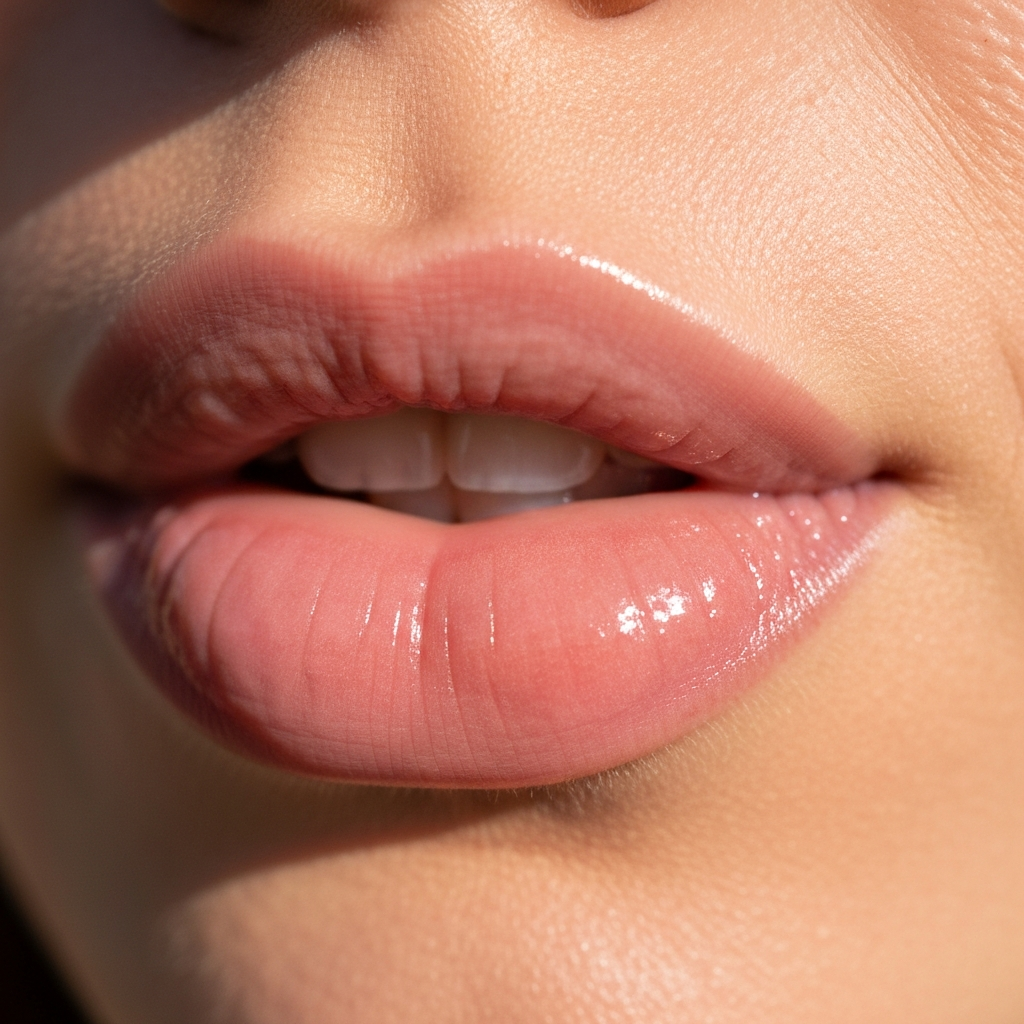
Chapped lips are a common beauty woe, especially in dry climates or during the winter months. Before bed, apply a thick layer of a moisturizing lip balm or lip mask. Choose a product containing ingredients like beeswax, shea butter, or lanolin to create a protective barrier and lock in moisture overnight. Avoid lip balms containing menthol or camphor, as these can actually dry out your lips over time.
Step 1.5: Pamper Your Feet
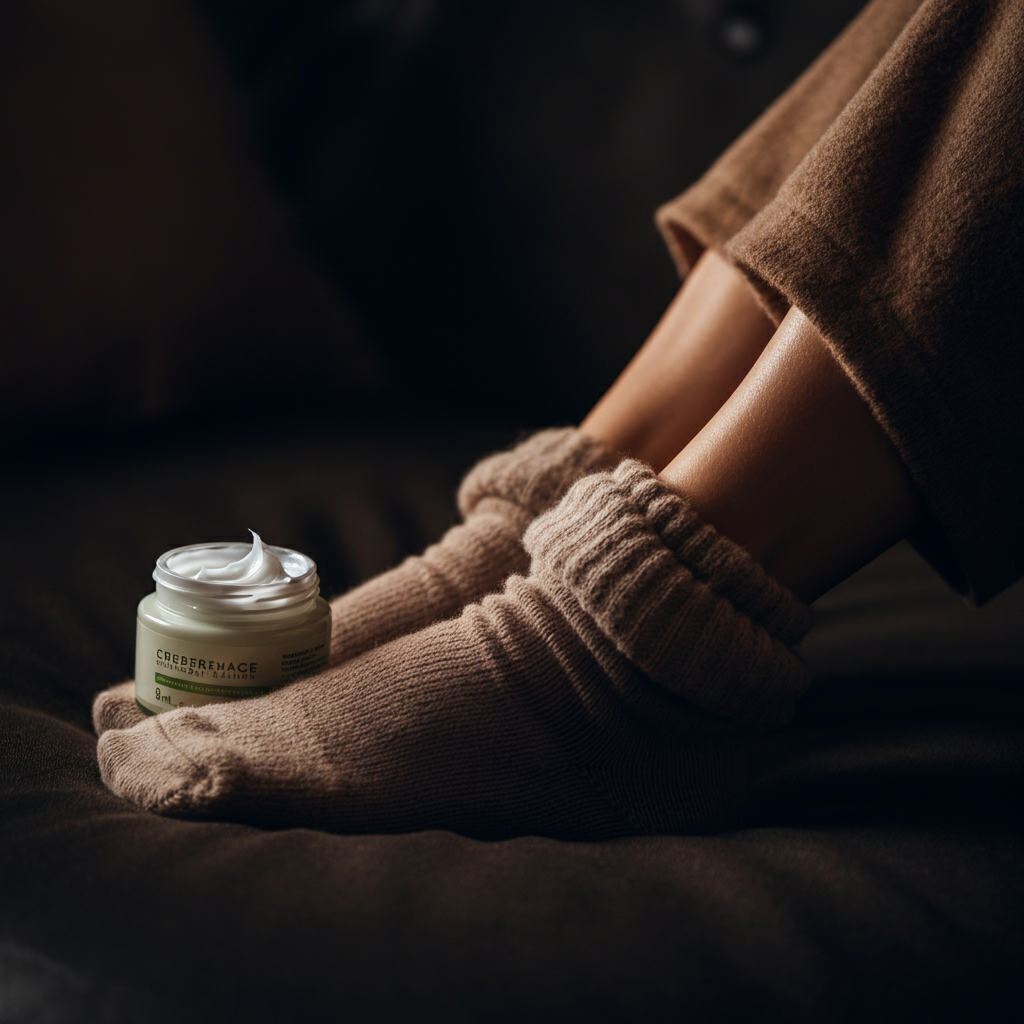
Don't forget your feet! They work hard all day and deserve some TLC. Before bed, apply a generous amount of a rich foot cream, focusing on dry areas like heels and calluses. For extra hydration, put on a pair of soft cotton socks after applying the cream. This will help the cream absorb better and prevent it from rubbing off on your sheets.
Step 2: Prioritize Hair Protection
Step 2.1: Hydrate Your Hair
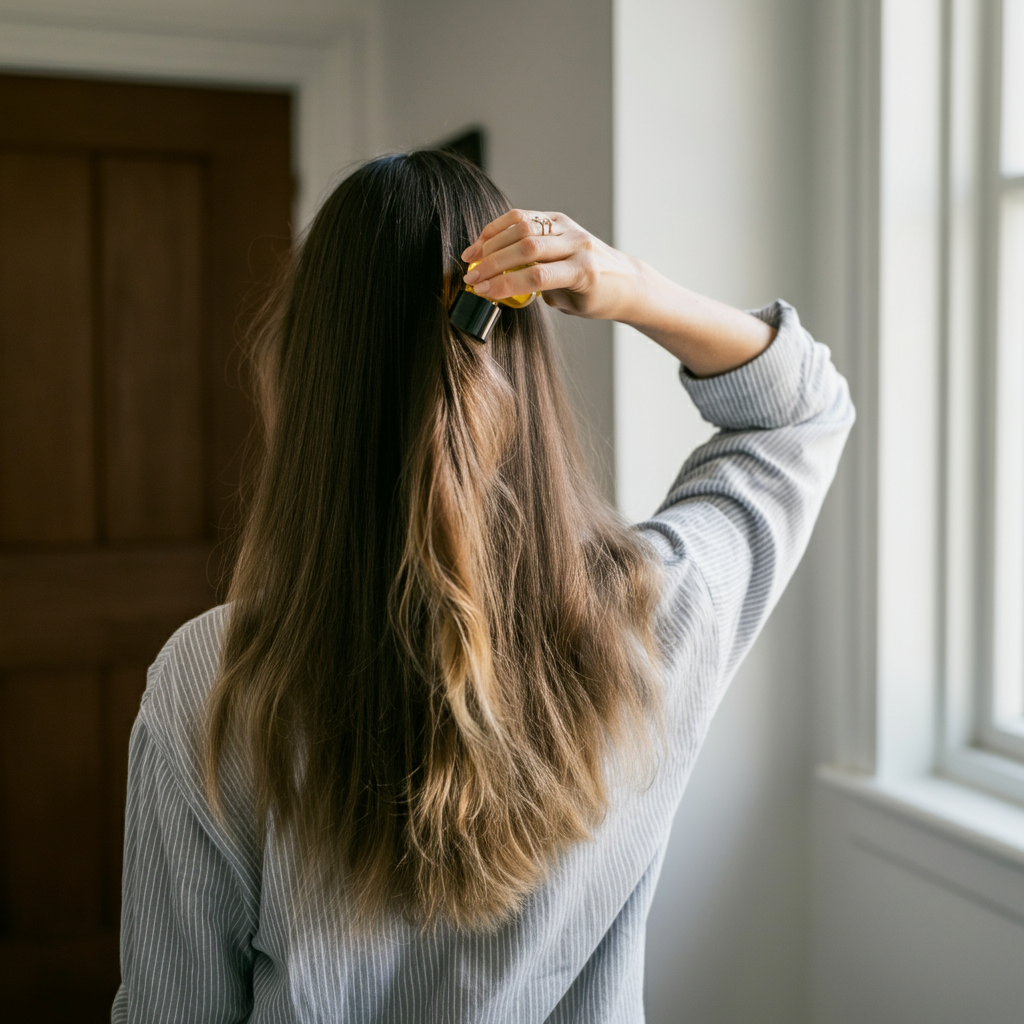
Just like your skin, your hair can benefit from extra hydration overnight. If your hair is dry or damaged, consider applying a leave-in conditioner or hair oil before bed. Focus on the ends of your hair, as they are most prone to dryness and split ends. For a more intensive treatment, apply a hair mask and wrap your hair in a scarf or shower cap overnight. Rinse out the mask in the morning.
Step 2.2: Style Your Hair Loosely
Protect your hair from friction and breakage by wearing it in a loose style while you sleep. A loose braid, bun, or ponytail can prevent your hair from tangling and rubbing against your pillow. Avoid tight hairstyles that can put stress on your hair follicles and lead to breakage. Use soft hair ties or scrunchies to avoid damaging your hair.

Step 2.3: Invest in a Silk or Satin Pillowcase
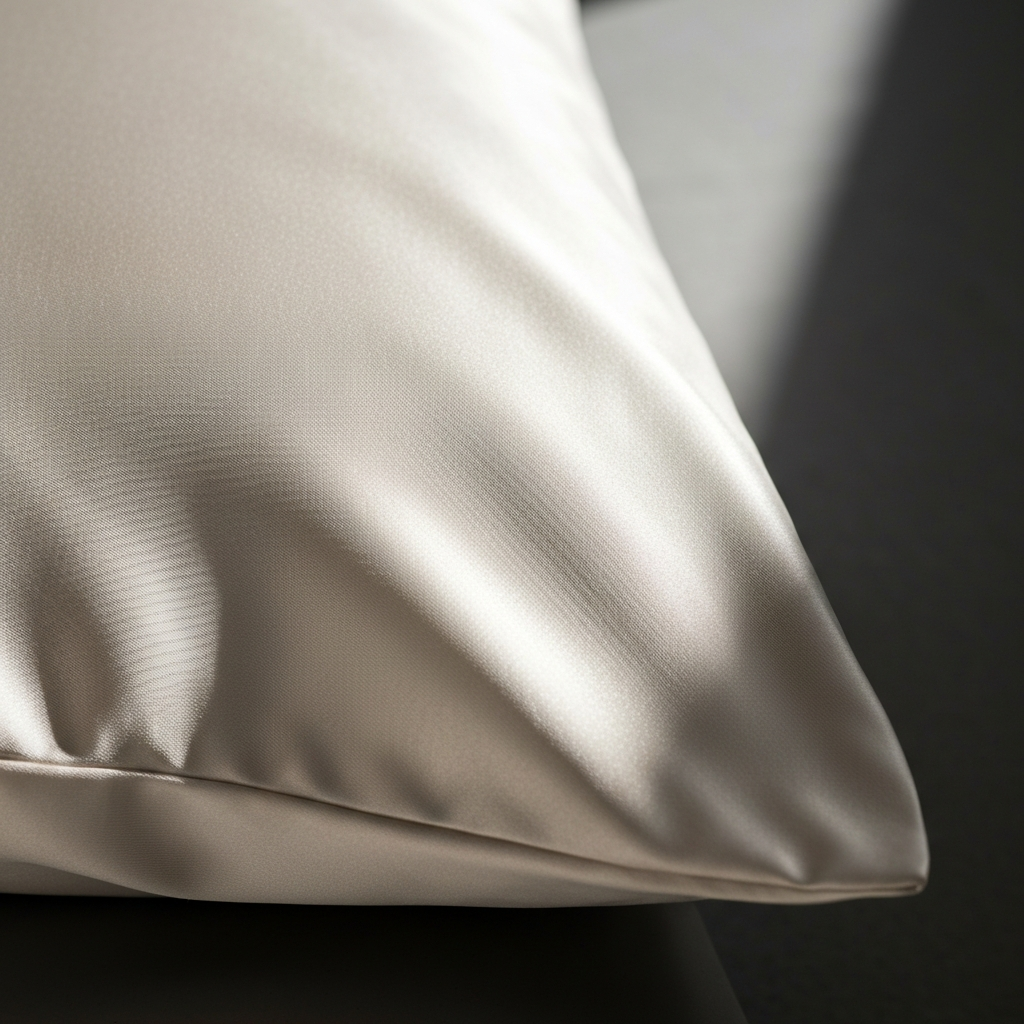
Traditional cotton pillowcases can cause friction that leads to hair breakage, frizz, and even wrinkles. Switching to a silk or satin pillowcase can significantly reduce friction and help your hair glide smoothly against the fabric. These materials are also less absorbent than cotton, which means they won't draw moisture away from your hair and skin.
Step 2.4: Wrap Your Hair (If Needed)
If you don't have a silk or satin pillowcase, or if you want extra protection for your hair, consider wrapping it in a silk or satin scarf. This is especially beneficial for those with curly or textured hair, as it helps to preserve curl definition and prevent frizz. Secure the scarf loosely around your hair, making sure all strands are covered.
Step 3: Optimize Your Sleep Environment
Step 3.1: Create a Relaxing Bedroom Atmosphere
Your bedroom should be a sanctuary, a place where you can relax and unwind after a long day. Keep your bedroom cool, dark, and quiet to promote restful sleep. Use blackout curtains to block out light, and consider using a white noise machine or fan to mask distracting sounds. A comfortable temperature is crucial – aim for around 65 degrees Fahrenheit.
Step 3.2: Invest in Quality Bedding
Your bedding can significantly impact your sleep quality. Choose sheets made from breathable, natural materials like cotton, linen, or bamboo. Look for a thread count between 300 and 400 for a luxurious feel. Wash your sheets regularly (at least once a week) to remove dust mites, allergens, and bacteria.
Step 3.3: Establish a Consistent Sleep Schedule
Going to bed and waking up at the same time every day, even on weekends, helps to regulate your body's natural sleep-wake cycle (circadian rhythm). A consistent sleep schedule can improve sleep quality, boost energy levels, and even improve your skin's appearance. Aim for at least 7-8 hours of sleep per night.
Step 3.4: Avoid Alcohol and Caffeine Before Bed
Alcohol and caffeine can disrupt your sleep cycles and make it difficult to fall asleep or stay asleep. Avoid consuming these substances for at least 3-4 hours before bedtime. Opt for caffeine-free herbal tea or warm milk instead.
Step 3.5: Minimize Screen Time Before Bed
The blue light emitted from electronic devices like phones, tablets, and computers can interfere with your body's production of melatonin, a hormone that regulates sleep. Turn off all electronic devices at least an hour before bed. Read a book, take a warm bath, or practice relaxation techniques instead.
Tools or Materials Required
- Gentle facial cleanser
- Rich facial moisturizer
- Under-eye cream
- Moisturizing lip balm
- Foot cream
- Leave-in conditioner or hair oil (optional)
- Silk or satin pillowcase (or scarf)
- Comfortable bedding
- Humidifier (optional)
Common Mistakes to Avoid
- Skipping cleansing before bed
- Using harsh or irritating skincare products
- Applying too much eye cream
- Sleeping on your stomach or side
- Using a cotton pillowcase
- Consuming alcohol or caffeine before bed
- Looking at screens before bed
Pro Tips
- Consider using a humidifier in your bedroom, especially during the winter months, to add moisture to the air and prevent dry skin and hair.
- Elevate your head slightly with an extra pillow to help prevent fluid from pooling under your eyes, which can cause dark circles and puffiness.
- Drink plenty of water throughout the day to stay hydrated from the inside out.
- Practice relaxation techniques like meditation or deep breathing to reduce stress and improve sleep quality.
FAQ Section
- Q: How long does it take to see results from a nighttime beauty routine?
- A: You may notice some immediate improvements, such as softer skin and hair, but it typically takes several weeks to see more significant results, such as reduced breakouts, fewer wrinkles, and a brighter complexion. Consistency is key!
- Q: Can I use the same skincare products at night that I use during the day?
- A: While some products can be used both day and night, it's generally best to use richer, more hydrating products at night, as your skin repairs itself while you sleep.
- Q: Is it really necessary to sleep on my back to prevent wrinkles?
- A: Sleeping on your back can help minimize the formation of wrinkles caused by pressure on your face. However, if you find it uncomfortable, don't force it. Focus on using a silk or satin pillowcase to reduce friction.