Loading and unloading your ATV can be a daunting task, especially when dealing with elevated truck beds or trailers. An ATV Ramp Xtender provides a safer and more gradual incline, reducing the risk of accidents and damage to your vehicle or equipment. However, improper use of a ramp extender can lead to serious injuries or costly repairs. This guide will walk you through the proper steps to safely and effectively use an ATV ramp extender.
Whether you're a seasoned rider or new to the ATV world, understanding the correct procedures for setting up and utilizing a ramp extender is crucial. This tutorial aims to provide you with a comprehensive and easy-to-follow guide, ensuring a secure loading and unloading experience every time. Remember to always prioritize safety and double-check your setup before operating your ATV.
By following these steps, you'll not only protect yourself and your equipment but also gain the confidence to handle loading and unloading situations with ease. Let's get started!
Step 1: Inspect Your Equipment and Work Area
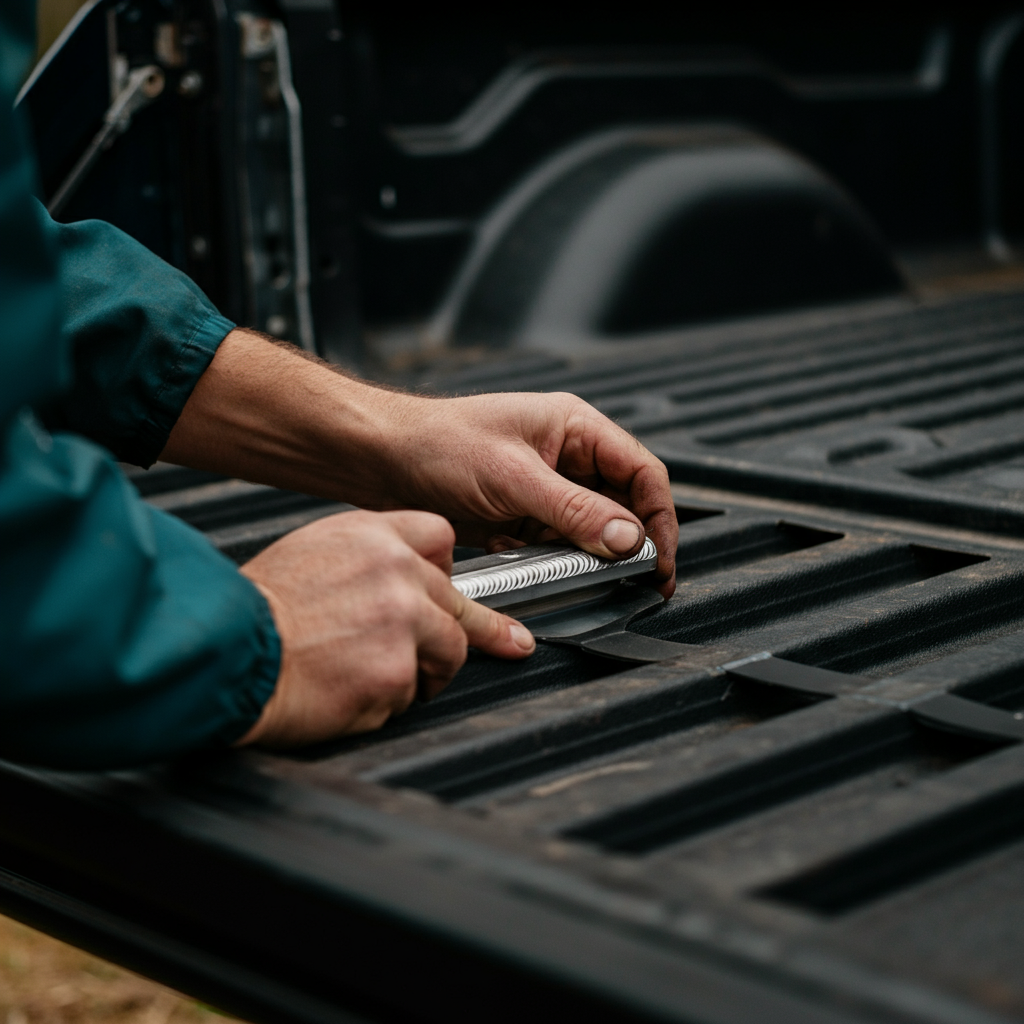
Before even thinking about loading your ATV, take a moment to thoroughly inspect both your ATV ramp extender and your loading area. Check the ramp extender for any signs of damage, such as cracks, bends, or loose connections. Pay particular attention to the hinges, welds, and safety straps. Make sure your loading area is level and free of debris that could cause instability. Ensure sufficient clearance around the truck or trailer for maneuvering the ATV. This initial inspection is vital for preventing accidents and ensuring a smooth loading process.
Step 2: Secure the Ramp to Your Truck or Trailer
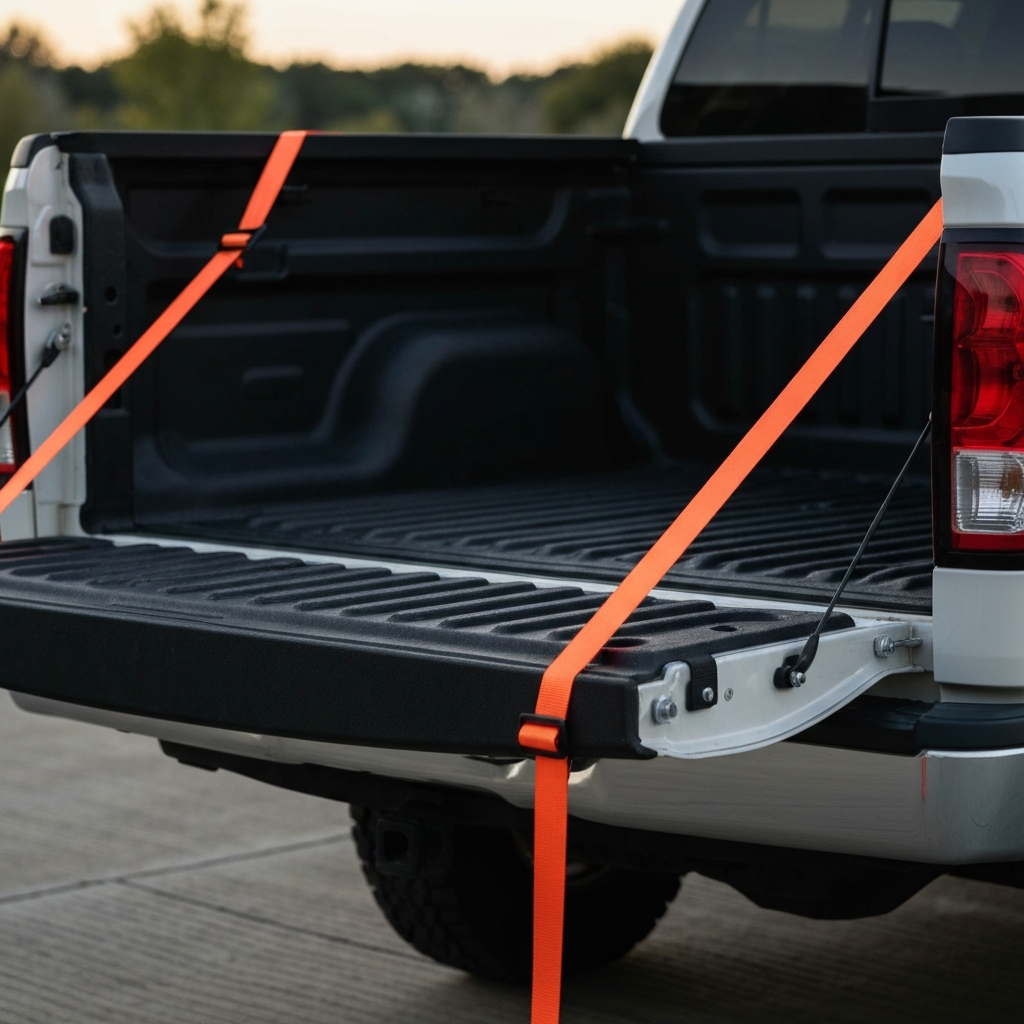
Properly securing the ramp to your truck or trailer is paramount. Most ATV ramp extenders come equipped with safety straps or chains that attach to the vehicle. Locate the designated attachment points on your truck or trailer – typically D-rings or similar anchor points on the bumper or trailer frame. Ensure the straps are tightened correctly to minimize movement and prevent the ramp from slipping during loading or unloading. Double-check that the straps are not frayed or damaged and that the attachment points are secure. A loose or improperly secured ramp is a recipe for disaster.
Step 3: Align the Ramp with Your ATV Wheels
Precision is key when aligning the ramp with your ATV's wheels. Position the ramp so that it is directly in line with the tires. Misalignment can cause the ATV to veer off course during loading, potentially leading to a fall or collision. If you're using a dual-runner ramp system, make sure the spacing between the runners matches the width of your ATV's tires. Take your time and make adjustments as needed to ensure a straight and centered approach. This careful alignment will greatly reduce the risk of accidents.

Step 4: Use a Spotter
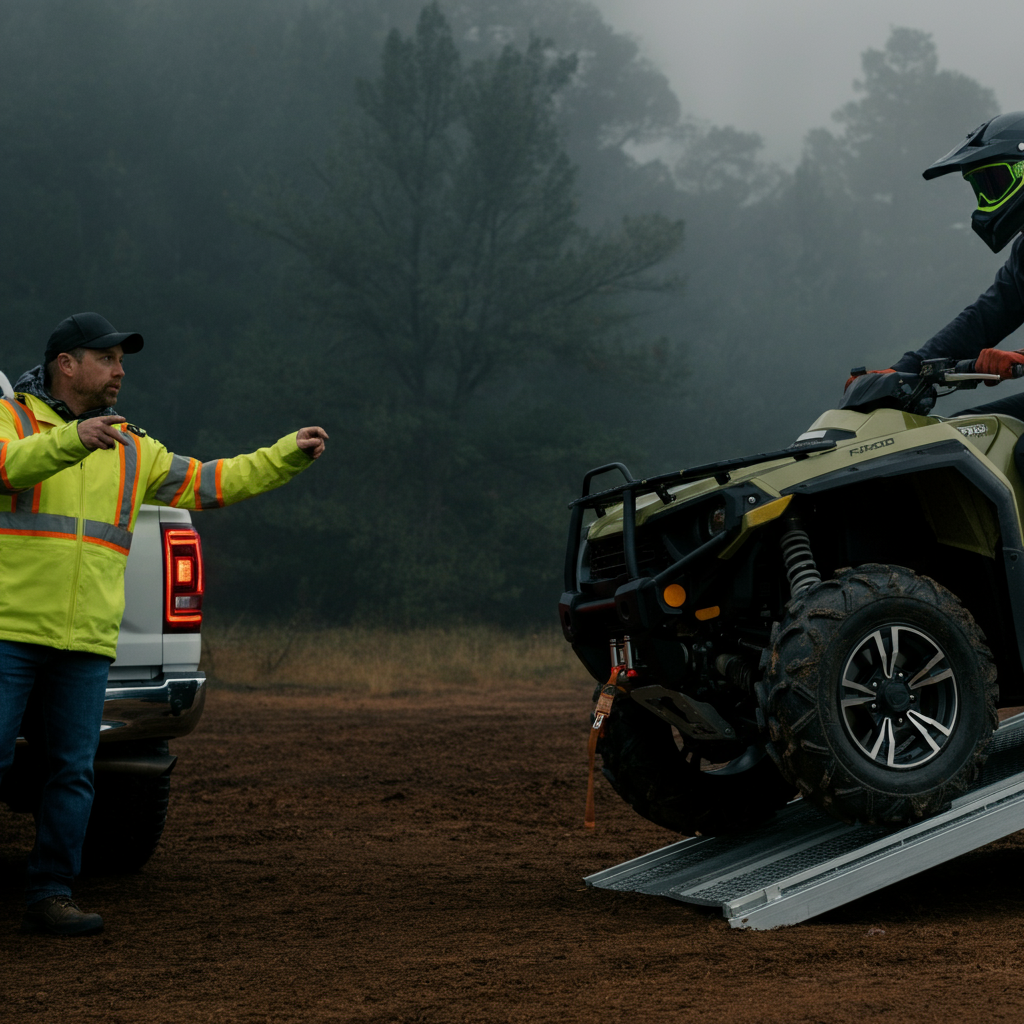
Whenever possible, enlist the help of a spotter. A spotter can provide visual guidance and alert you to any potential hazards during the loading or unloading process. They can help ensure that you maintain a straight course, spot obstacles, and provide assistance if needed. Clear communication between you and the spotter is essential. Agree on hand signals or verbal cues to coordinate your movements. Even experienced riders benefit from having a second set of eyes to ensure a safe and controlled loading experience.
Step 5: Load or Unload Slowly and Steadily
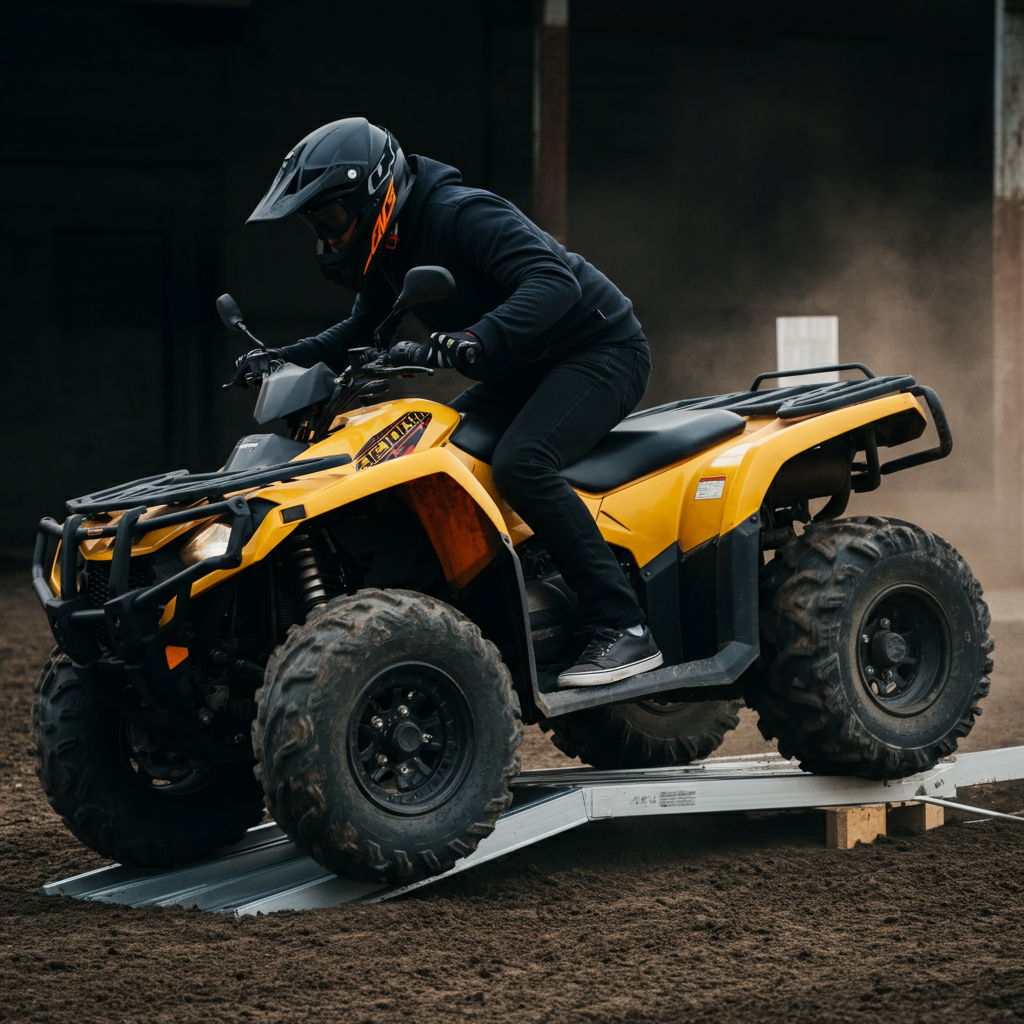
Patience is a virtue, especially when loading or unloading an ATV. Approach the ramp slowly and steadily, maintaining a consistent speed. Avoid sudden acceleration or braking, as this can cause the ATV to become unstable. Use a low gear and engage the throttle gently. Keep your weight balanced and your eyes focused on the path ahead. If you feel the ATV starting to slip or lose traction, stop immediately and reassess the situation. A slow and controlled approach is always safer than a hasty one.
Step 6: Secure the ATV After Loading
Once the ATV is safely loaded onto the truck or trailer, take the time to properly secure it for transport. Use tie-down straps to anchor the ATV to the vehicle, ensuring that it is stable and cannot shift during transit. Attach the straps to sturdy anchor points on the ATV's frame, avoiding delicate components or plastic body panels. Tighten the straps securely, but avoid over-tightening, which can damage the ATV's suspension. Check the straps periodically during your journey to ensure they remain taut and secure. Failure to properly secure the ATV can result in damage to the vehicle or even accidents on the road.

Safety Considerations
- Always wear a helmet and other appropriate safety gear when operating an ATV.
- Never exceed the weight capacity of the ramp extender.
- Ensure the ramp extender is compatible with your ATV and truck or trailer.
- Load and unload the ATV on a level surface.
- Be aware of your surroundings and potential hazards.
- If unsure about any aspect of the loading process, consult the ramp extender's instruction manual or seek professional assistance.
Common Mistakes to Avoid
- Using a damaged or worn-out ramp extender.
- Failing to properly secure the ramp to the truck or trailer.
- Misaligning the ramp with the ATV's wheels.
- Loading or unloading the ATV too quickly.
- Neglecting to secure the ATV after loading.
Conclusion
Using an ATV ramp extender safely and effectively requires careful planning, attention to detail, and a commitment to following proper procedures. By inspecting your equipment, securing the ramp, aligning your ATV, using a spotter, loading slowly, and securing your ATV after loading, you can greatly reduce the risk of accidents and ensure a smooth and successful loading experience every time. Remember to prioritize safety above all else and never hesitate to seek assistance if needed. With practice and adherence to these guidelines, you'll be able to load and unload your ATV with confidence and peace of mind.